A calm, day-by-day guide to circumcision aftercare: cleaning, diapering, normal healing, bathing, pain expectations, and exactly when to call the doctor or g...
Circumcision Granuloma: A Moist Bump After Healing

Sarah Mitchell
Sarah Mitchell is a Registered Pediatric Nurse and a mother of three who has spent over a decade helping families navigate the beautiful, chaotic early years of childhood. She combines evidence-based medical knowledge with real-world parenting experience to offer practical, compassionate advice. At Awesome Parent, Sarah's mission is to help exhausted parents find solutions, trust their instincts, and finally get some sleep.
If your baby’s circumcision seemed to be healing normally and then you noticed a little moist, red or yellow bump along the incision line that just will not quit, take a breath. In pediatric triage, this is one of those “looks scary, often fixable” situations that sends exhausted parents straight into a late-night spiral.
One possible cause is a circumcision granuloma: a small overgrowth of healing tissue that can stay moist and may bleed easily. Some clinicians may also simply call this granulation tissue. It is not the same thing as a normal yellowish healing film in the first several days. It is also not the same as an umbilical granuloma, which happens in the belly button. This page is only about bumps at the circumcision line.
What a circumcision granuloma looks like
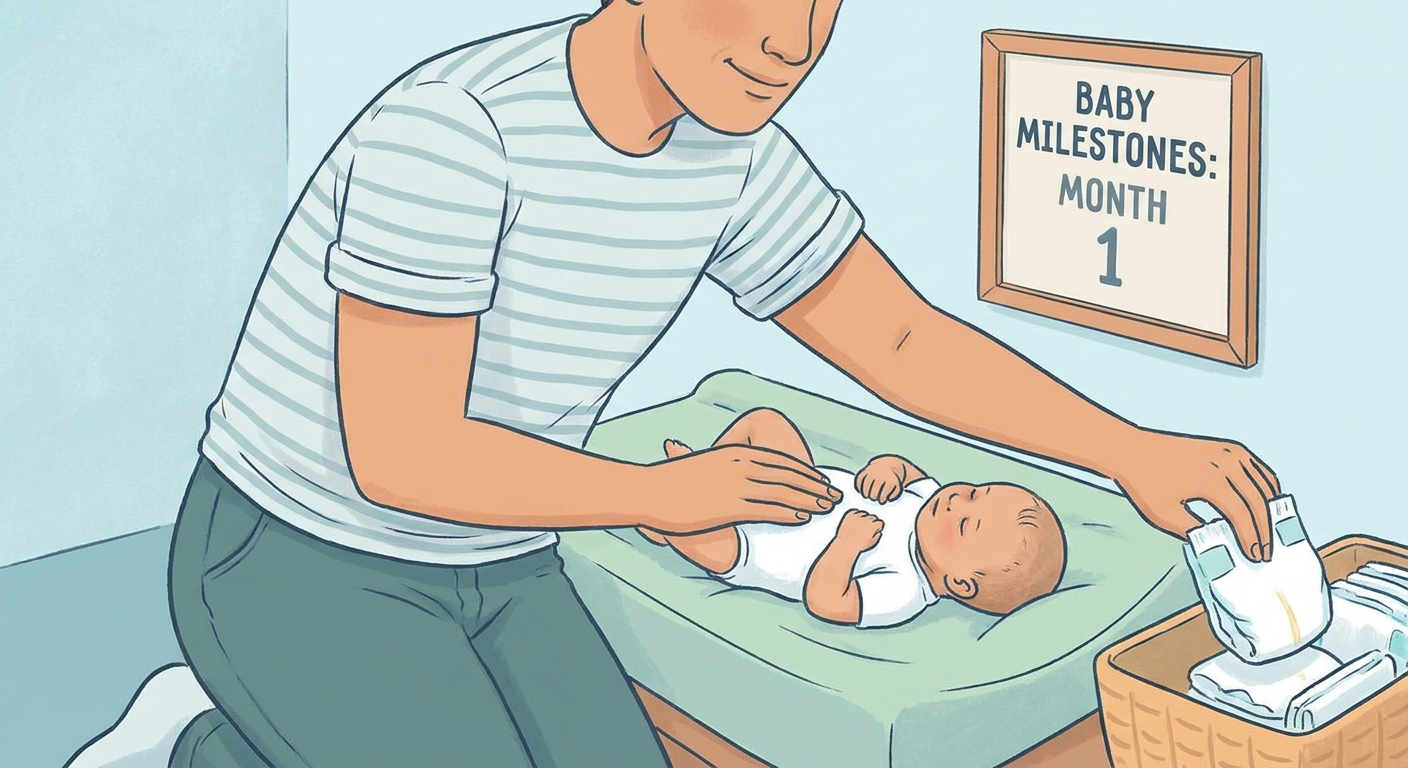
A granuloma is a small piece of tissue that can form during the healing process. After circumcision, it may show up right on or near the circumcision line, sometimes after things seemed to be settling down.
Parents often describe it as:
- A tiny red, pink, or yellowish bump on the incision line
- Shiny or damp looking, sometimes like it is “weeping”
- It may leave yellow staining on the diaper (from moisture, not necessarily infection)
- Easy to bleed if wiped or rubbed
- Not always painful, and many babies act totally normal
Size varies, but many are pea-sized or smaller. The key clue is persistence: instead of steadily drying and flattening out as the area heals, one spot stays raised and damp-looking.
Normal healing vs a bump that lingers
In the first several days after circumcision, it is common to see a yellowish film or coating as the skin heals. That early film is usually flat and spread out across the healing area.
A granuloma or extra granulation tissue is different because it is typically:
- More focal, like a distinct bump or nub
- Persistently damp rather than gradually drying
- More likely to bleed from friction
Healing timelines vary by baby and by circumcision technique. Many babies look much improved within about 7 to 10 days, but it can take a couple of weeks for things to look fully settled. If most of the area looks better but one spot keeps standing out as a moist bump anytime from the first several days into the next couple of weeks, that is a good reason to check in.
What it might be instead
Not every bump at the circumcision line is a granuloma. A clinician may consider:
- Normal healing film (flat and spread out)
- A small scab (drier and crusty)
- Irritation from friction or wipes
- Penile adhesions or a skin bridge (skin sticking where it should not)
- A small skin tag
- Minor wound separation
- Infection (usually with spreading redness, tenderness, and concerning drainage)
And one important note: meatal stenosis is not a bump, but if you later notice a consistently narrow, spraying, or weak urine stream, that is worth discussing with your pediatrician.
Why granulomas happen
Granulation tissue is part of how the body repairs skin. Sometimes the body makes a little extra in one spot, especially in areas exposed to moisture and friction.
Things that can contribute include:
- Constant moisture from diapers
- Rubbing from wipes or the diaper front
- A small area that healed a bit differently than the surrounding skin
This is not a parenting failure. Newborn skin is delicate, diapers are humid little ecosystems, and some babies are simply more prone to this type of tissue reaction.
How clinicians may treat it
Treatment depends on what your baby’s clinician sees, how big the spot is, and whether there are any signs of infection or ongoing bleeding. The goal is usually to help the tissue dry and shrink.
Common in-office treatment
Clinicians sometimes treat granulomas with silver nitrate, a chemical cautery that helps seal and dry the extra tissue. This is typically done quickly in the office. It can darken the treated spot temporarily.
Because silver nitrate can irritate normal skin, it should be applied by a clinician, not used at home unless you have been clearly instructed and shown exactly how to do it.
What to expect after silver nitrate
It is common to see the treated area turn gray or black for a bit as it dries. You might also notice a small amount of residue on the diaper. Call your clinician if there is worsening swelling, spreading redness, foul-smelling drainage, or bleeding that is more than a few small spots.
Sometimes watchful waiting
If the bump is small and there is no concerning drainage, your pediatrician may recommend monitoring while focusing on gentle care and reducing friction. Some spots improve with conservative care alone.
If the diagnosis is not clear
If the appearance does not fit, your clinician may want a follow-up visit or referral to pediatric urology to rule out other causes, like adhesions or a skin bridge.
What you can do at home
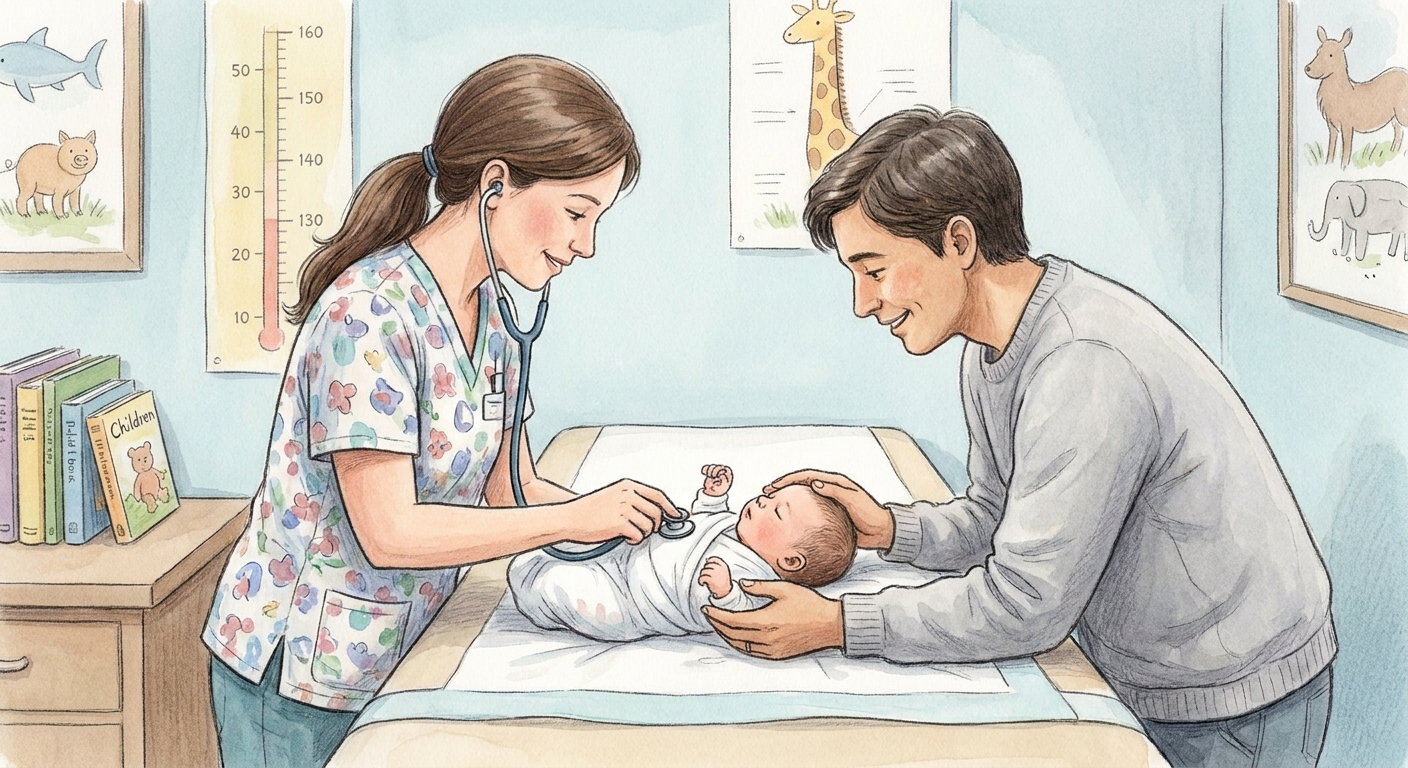
If your baby is otherwise well and you are waiting for an appointment, gentle care goes a long way. Think: protect, keep clean, reduce rubbing.
- Use gentle diaper changes. Pat or dab instead of rubbing the area.
- Use a protective barrier if your clinician has previously advised it for circumcision aftercare. Apply gently so you are not scraping the bump.
- Change diapers frequently to reduce moisture.
- Skip scented wipes if you suspect irritation. Warm water on a soft cloth can be kinder for a few days.
- Do not pick, squeeze, or scrub the bump, even if it looks like it “needs to come off.”
Avoid trying home remedies like caustic chemicals, powders, or at-home cautery products on the circumcision site unless your baby’s clinician has specifically instructed you. Newborn skin and genital tissue can be easily burned or irritated.
When to get same-day care
This part matters. While a small granuloma is often not an emergency, certain symptoms should be treated as urgent for a newborn.
Call your pediatrician today if you notice:
- Bleeding that does not stop with gentle pressure, or bleeding that keeps returning
- Fever in a young baby (follow your pediatrician’s fever guidance for age, and if your baby is under 3 months, treat fever as urgent)
- Trouble peeing, including fewer wet diapers than usual, straining with little output, or no urine
- Swelling that is worsening, especially if the penis looks very puffy or tight
- Spreading redness onto the shaft or surrounding skin
- Thick pus-like drainage or a strong foul odor along with increasing redness or tenderness
- Your baby seems very ill, unusually sleepy, hard to wake, or inconsolable
Go to urgent care or the ER now if:
- There is continuous bleeding or blood soaking through diapers
- Your baby cannot pee
- Your baby has a fever and is under 3 months and you cannot reach your pediatrician immediately
If you are not sure whether the bleeding counts as “too much,” trust your gut and call. Most clinicians would always rather talk a tired parent down from worry than miss something time-sensitive.
Questions parents ask
Is this an infection?
Usually, no. A granuloma is typically an overgrowth of healing tissue. That said, any open or irritated spot can become infected, which is why spreading redness, worsening swelling, pus-like drainage, or fever should be checked right away.
Will it go away on its own?
Some small ones can improve with time and less friction. Others benefit from a quick in-office treatment to dry them up. If it has been lingering or bleeding easily, it is worth a call to your pediatrician.
Can I clean it more to make it heal faster?
More scrubbing usually backfires. Gentle cleaning is helpful, but friction and over-wiping can keep the area irritated. Aim for clean and protected, not spotless and raw.
Is it the same as a belly button granuloma?
No. A belly button granuloma happens in the umbilicus after the cord falls off. A circumcision granuloma is at the circumcision line. They can look similar in that both can be moist and red, but they are in different places and are evaluated in different contexts.
Can I send a photo to my pediatrician?
If your pediatrician’s office offers secure photo messaging or telehealth, a clear photo can sometimes help them decide how urgently you should be seen. If your baby has fever, trouble peeing, or significant bleeding, skip the photo and call for urgent guidance.
My calm-parent bottom line
A moist red or yellow bump that lingers along the circumcision line can be a circumcision granuloma, also called granulation tissue. It often looks alarming and can bleed easily, but it is commonly manageable with the right guidance and, sometimes, a quick in-office treatment.
Call your pediatrician for next-step advice, and seek same-day care if there is ongoing bleeding, fever, or any trouble urinating. Those are the signs we never ignore in a newborn.
Sarah Mitchell
Sarah Mitchell is a Registered Pediatric Nurse and a mother of three who has spent over a decade helping families navigate the beautiful, chaotic early years of childhood. She combines evidence-based medical knowledge with real-world parenting experience to offer practical, compassionate advice. At Awesome Parent, Sarah's mission is to help exhausted parents find solutions, trust their instincts, and finally get some sleep.