A well child with a positive strep test may be a carrier, not actively infected. Here is how clinicians interpret it, when treatment is still considered, and...
Does a Well Sibling Need a Strep Test After Scarlet Fever?

Sarah Mitchell
Sarah Mitchell is a Registered Pediatric Nurse and a mother of three who has spent over a decade helping families navigate the beautiful, chaotic early years of childhood. She combines evidence-based medical knowledge with real-world parenting experience to offer practical, compassionate advice. At Awesome Parent, Sarah's mission is to help exhausted parents find solutions, trust their instincts, and finally get some sleep.
When one kid in the house has scarlet fever (usually strep throat with a telltale rash), parents usually have the same next thought: Do I need to bring the other kids in for a strep test too?
I get why. Strep spreads fast in families, and it feels wrong to just wait when you know it is in your home. But here is the reassuring truth: testing or treating a sibling who feels well is not automatic. In many cases, the best plan is watchful waiting with a low threshold to test if symptoms show up.

First: what scarlet fever means for siblings
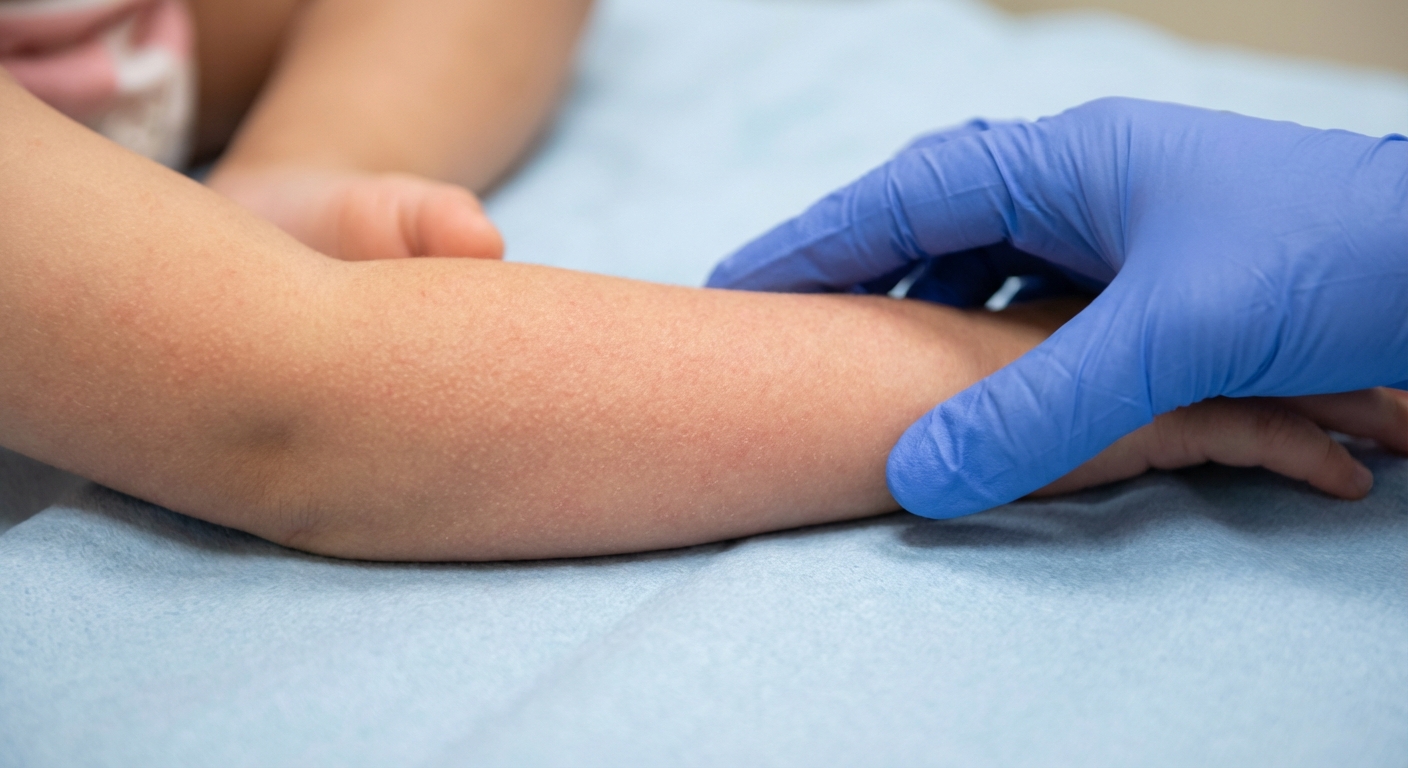
Scarlet fever is caused by group A strep. The rash happens because some strep strains make a toxin that triggers that classic sandpapery feel. Most often, scarlet fever goes along with strep throat. Less commonly, it can show up with other group A strep infections (like a skin infection).
From a sibling-testing standpoint, scarlet fever is handled the same way as strep throat: we care about whether another child is actually infected and likely to benefit from antibiotics.
Here is the key point: exposure is common, infection is less common, and “needs antibiotics based on symptoms and testing” is even less common.
Do we test a sibling who feels totally fine?
Most of the time, no. If your other child has no sore throat, no fever, and is acting normal, routine strep testing is usually not helpful.
Why not?
- A positive test alone cannot separate infection from carriage. Some kids carry strep in their throat without being sick. So a positive rapid test or culture needs the context of symptoms and an exam.
- Treating a symptom-free child “just in case” is not standard. Antibiotics are great when they are the right tool, but unnecessary antibiotics can cause side effects (like diarrhea or rash) and add antibiotic pressure that drives resistance in other bacteria.
- Testing everyone can create confusing results. A positive test in a well child often leads to a stressful question: “Do we treat?” In many cases, the answer is still “not necessarily,” which can feel unsatisfying after you have already swabbed.
There are exceptions, and they matter. I will walk you through them next.
When a strep test for a well sibling can help
Even if a sibling seems okay, I do recommend reaching out to your pediatrician to discuss testing if any of the following apply.
The sibling is starting to develop symptoms
If your child says “my throat feels a little scratchy” but otherwise seems fine, that is not nothing, especially with a known household case. Early strep can start mild and then ramp up.
Symptoms that make me lean toward testing:
- New sore throat, especially if it is persistent or worsening
- Fever
- Headache or belly pain (common in kids with strep)
- Nausea or vomiting
- Swollen, tender neck glands
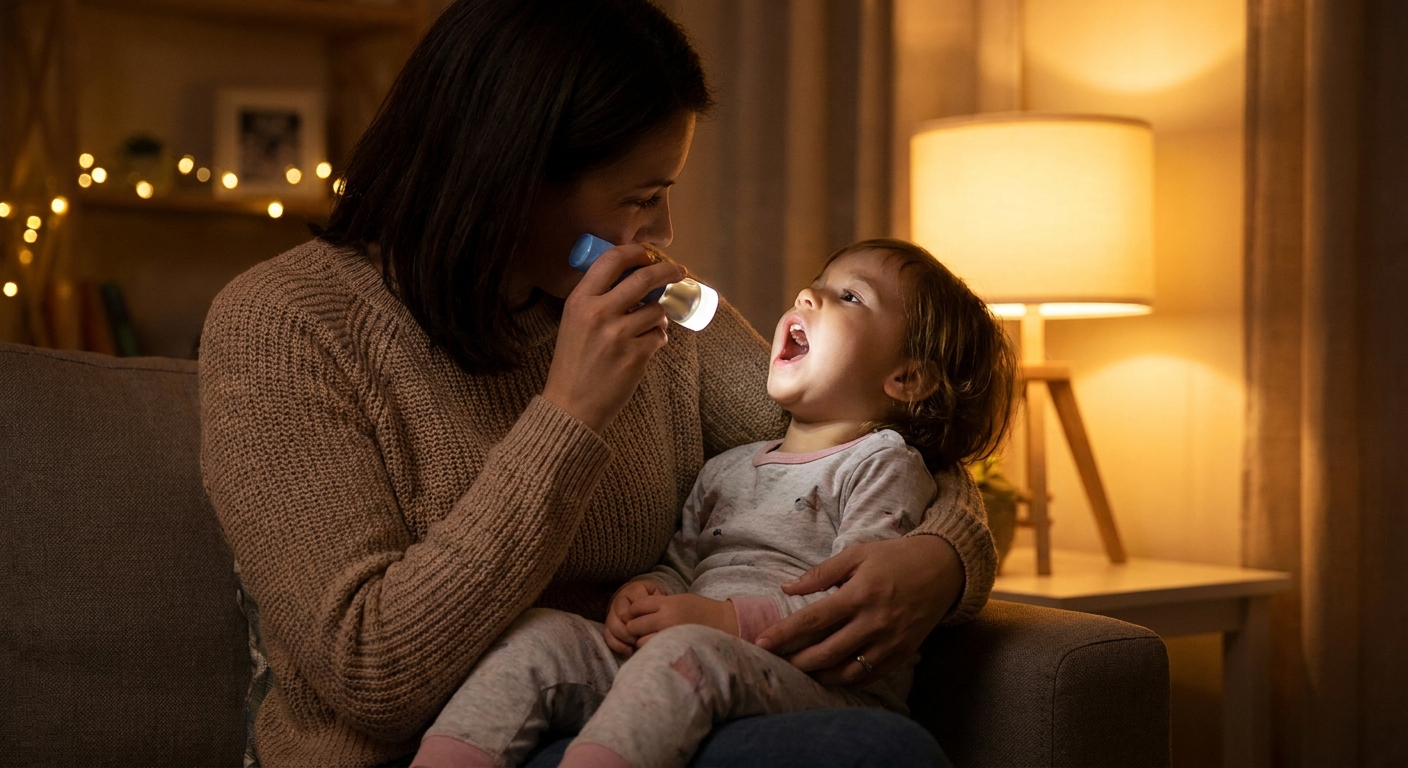
- Red throat, big tonsils, or white patches on tonsils
- New sandpapery rash
The sibling is in a higher-risk situation
Ask your pediatrician about a different plan if your well child:
- Has a history of rheumatic fever (rare, but this changes management)
- Has a significant immune system problem or is on immune-suppressing medication
- Lives with someone at high risk for complications, and your pediatrician has advised a more aggressive household approach
There is a pattern of repeat strep in the household
If your family is stuck in a loop where one child gets strep, then another, then another, your clinician may choose to test more broadly in the home. Sometimes we are dealing with repeated new infections, and sometimes we are dealing with a carrier in the household plus lots of viral sore throats. The strategy can look different depending on the pattern.
What about a sibling with a mild sore throat?
This is the gray zone that keeps parents up at night. A mild sore throat can be early strep, or it can be dry air, allergies, mouth breathing, or a virus.
In my triage nurse brain, I think of it like this:
- Mild sore throat plus known household strep exposure: testing is reasonable, especially if the child is school-aged and can tolerate a swab.
- Mild sore throat plus viral symptoms (cough, runny nose, hoarseness, mouth sores): strep is less likely, and testing may be less useful, though your pediatrician may still test based on exam and local practice.
If you are on the fence, call and describe the symptoms, the timing, and your child’s age. Many offices will guide you on whether to come in right away or watch for 24 to 48 hours.
A quick note about age
When parents say “other kids,” they often mean toddlers, too. This matters because classic strep throat is less common under age 3, and the approach to testing can be different. Younger toddlers are also more likely to have cold symptoms with their sore throats.
That does not mean babies and toddlers cannot get group A strep. It just means your pediatrician may be more selective about when a test is useful, especially if there is cough and runny nose driving the picture.
Testing 101: rapid test vs culture
Most offices start with a rapid strep test. If it is positive and your child has symptoms that fit, treatment is usually straightforward.
If the rapid test is negative, many pediatric practices will send a throat culture (or use a molecular test) because rapid tests can miss cases, and we do not want to overlook true strep in kids.
Why doctors do not automatically treat symptom-free siblings
I know it can feel like we are “doing nothing” while strep is in the house. But there is a medical reason symptom-free treatment is not routine.
Antibiotics work best when the problem is actually strep disease
Strep throat is one of the infections where antibiotics matter because they:
- Modestly shorten symptoms when started early
- Reduce spread to others
- Lower the risk of rare complications like acute rheumatic fever
But for a child with no symptoms, we cannot confidently say antibiotics are preventing anything. And we may be treating a carrier state, which often does not need treatment.
A positive swab does not always mean “this is the cause”
This is the part nobody tells you during the 11 PM internet spiral. If a well sibling gets swabbed and tests positive, that may represent carriage. In real life, that can lead to:
- Unnecessary antibiotics
- More clinic visits
- Confusing repeat tests
That is why many pediatric practices focus on testing kids who are sick, not kids who are simply exposed.
Contagiousness and the 24-hour rule
Another reason your pediatrician may tell you to watch and wait: once the sick child starts the right antibiotic, they are typically much less contagious after about 24 hours.
Before antibiotics (or if untreated), strep can spread more easily for longer. So getting the diagnosed child treated promptly, plus basic hygiene, usually does more to protect siblings than swabbing everyone on day one.
What to do at home while you wait
You do not need to turn your house into a hazmat zone. You also do not need to pretend strep is not happening. The goal is reasonable, doable infection control.
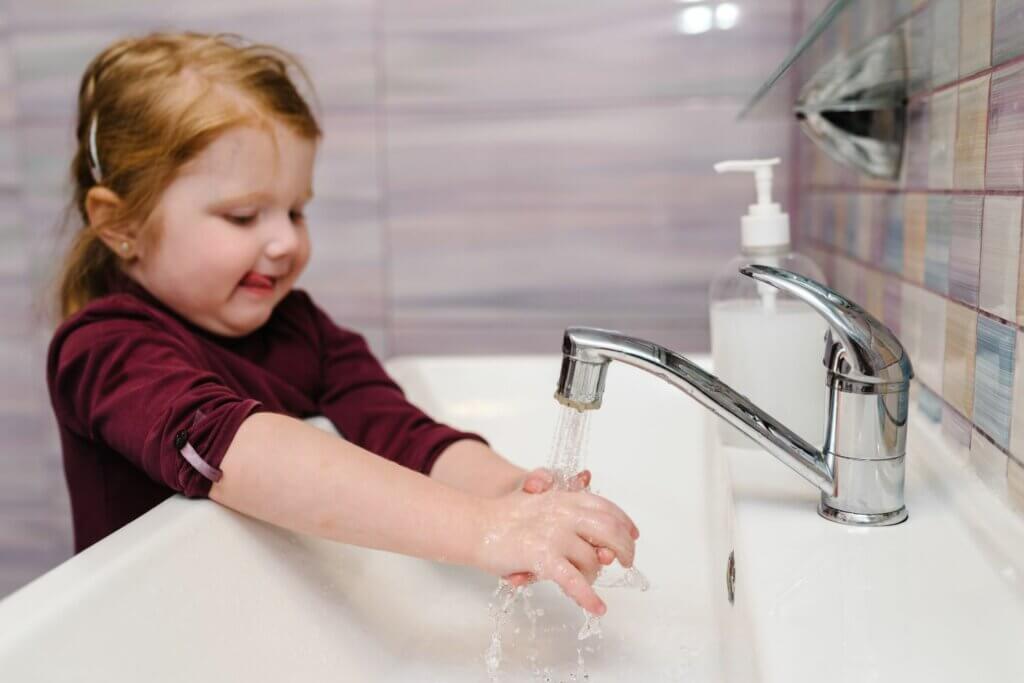
- Handwashing: especially after wiping noses, before eating, and after bathroom trips.
- Separate cups and utensils: no sharing drinks, water bottles, straws, or forks.
- Toothbrush common sense: keep toothbrushes from touching each other in the holder.
- Wipe the obvious stuff: bathroom faucet handles, doorknobs, and tablet screens. Pick the high-traffic items, not every surface in your home.
- Teach “cover your cough”: even if strep is not a cough-heavy illness, kids share germs like it is their job.
School and childcare
Even though this article is about siblings, this question is always sitting right behind it: When can my child go back?
Many schools and daycares follow the common guidance that a child with strep or scarlet fever can return after they have been on antibiotics for at least 24 hours and are fever-free and well enough to participate. Your pediatrician or school may have specific rules, so follow their policy.
When to call the pediatrician urgently
Most sibling situations can be handled with a routine call. Seek urgent advice or urgent care if your child has:
- Trouble breathing
- Drooling or trouble swallowing saliva
- Severe throat pain with muffled or “hot potato” voice
- Stiff neck, inability to open the mouth well, or significant one-sided throat swelling
- Signs of dehydration (very dry mouth, not peeing much, very sleepy)
- A rapidly spreading rash, swelling of lips or face, or hives
These are not typical “simple strep” features and deserve prompt evaluation.
FAQ
If my well child tests positive, do they need antibiotics?
It depends. If they are truly symptom-free, your pediatrician may consider the possibility of strep carriage and may not automatically treat, especially if there is no fever or sore throat and the exam is normal. If symptoms appear, treatment is more straightforward. Always follow your clinician’s guidance for your specific child.
Should I ask to test the whole family to stop the spread?
Usually no. In most families, the most practical approach is: test the people who develop compatible symptoms. Broader testing is sometimes used in households with repeated infections, special risk factors, or certain outbreak situations.
My child has a runny nose and cough. Is strep likely?
Those symptoms lean viral. Strep can coexist with a virus, but classic strep throat usually does not come with a prominent cough and runny nose. If your child also has fever, significant sore throat, or you are worried, call your pediatrician and ask whether testing makes sense.
How long should I watch a sibling before I can relax?
The incubation period for group A strep is often about 2 to 5 days. Practically, I tell parents: stay alert for about a week for new sore throat, fever, belly pain, or rash, and call sooner if anything concerning pops up.
A calm bottom line
If one child has scarlet fever, it is smart to keep your radar on for siblings. But a child who feels well does not automatically need a strep test or antibiotics. Testing becomes useful when symptoms show up, when a child is higher risk, or when your family is dealing with repeated infections.
And if you are standing in your kitchen at 3 AM wondering if you are underreacting or overreacting, you are doing exactly what a good parent does. Call your pediatrician, describe what you are seeing, and let the plan be based on symptoms, not fear.
Sarah Mitchell
Sarah Mitchell is a Registered Pediatric Nurse and a mother of three who has spent over a decade helping families navigate the beautiful, chaotic early years of childhood. She combines evidence-based medical knowledge with real-world parenting experience to offer practical, compassionate advice. At Awesome Parent, Sarah's mission is to help exhausted parents find solutions, trust their instincts, and finally get some sleep.