Hives, swelling, vomiting, delayed reactions like FPIES, eczema flares, and anaphylaxis can show up after a new food. Here’s how to tell allergy vs intoleran...
Egg Allergy in Babies After a First Reaction

Sarah Mitchell
Sarah Mitchell is a Registered Pediatric Nurse and a mother of three who has spent over a decade helping families navigate the beautiful, chaotic early years of childhood. She combines evidence-based medical knowledge with real-world parenting experience to offer practical, compassionate advice. At Awesome Parent, Sarah's mission is to help exhausted parents find solutions, trust their instincts, and finally get some sleep.
The first time a baby reacts to egg can knock the wind out of you. I have talked to so many parents in triage who did everything “right” and still ended up with hives, vomiting, or a scary swelling situation. If that is you, take a breath. Your job now is not to be perfect. It is to get a clear plan, reduce risk day to day, and build confidence again.
This page is for after a reaction has already happened. If you are looking for first-taste steps, start with our allergen-introduction guide, then come back here if you need the “what now” plan.

What to do right after the reaction
If your baby has already been treated and is stable, the next steps are about follow-up and prevention. Here is the checklist I give families after an allergy-type visit.
First: know when it is an emergency
If egg was just eaten (or you strongly suspect it), follow your clinician-provided action plan. In general, use epinephrine if prescribed and seek emergency care right away for any of these:
- Trouble breathing, wheezing, persistent cough, or noisy breathing
- Throat tightness, hoarse voice, or trouble swallowing or drooling more than usual
- Swelling of the lips or tongue
- Widespread hives or a rapidly spreading rash, especially with other symptoms
- Severe or repetitive vomiting after a known exposure, especially if paired with hives, swelling, breathing symptoms, or behavior changes
- Sudden extreme sleepiness, floppiness, pale or blue color, or fainting type behavior
If you are ever unsure, it is okay to treat this as urgent. I would rather you feel “over-cautious” than under-react.
1) Call your pediatrician and ask for an allergy referral
Not every rash or vomiting episode after egg is an IgE-mediated allergy. Some babies have viral rashes, reflux, or irritated skin that coincidentally shows up after a new food. An allergist can help confirm what happened, assess the risk of future reactions, and guide you on what to avoid and what may still be safe.
2) Ask whether your baby needs an epinephrine auto-injector
If egg allergy is suspected, some babies are prescribed epinephrine. It depends on the reaction, the risk factors, and clinician judgment. If you are prescribed it, ask for:
- Two devices available wherever your child is (many action plans recommend having two doses on hand)
- Hands-on training on when and how to use it
- A written emergency action plan for all caregivers
- A reminder to check expiration dates and replace before they expire
If epinephrine is used, emergency evaluation is still important. Many action plans recommend calling emergency services and going to the ER after giving epinephrine, even if your child looks better.
3) Avoid egg until you have a plan
After a reaction, do not keep “testing” egg at home to see what happens. That is a common instinct. It is also a common way families end up in the ER a second time. Put a pause on egg until you have guidance from your pediatrician or allergist.
Egg ingredients without the label spiral
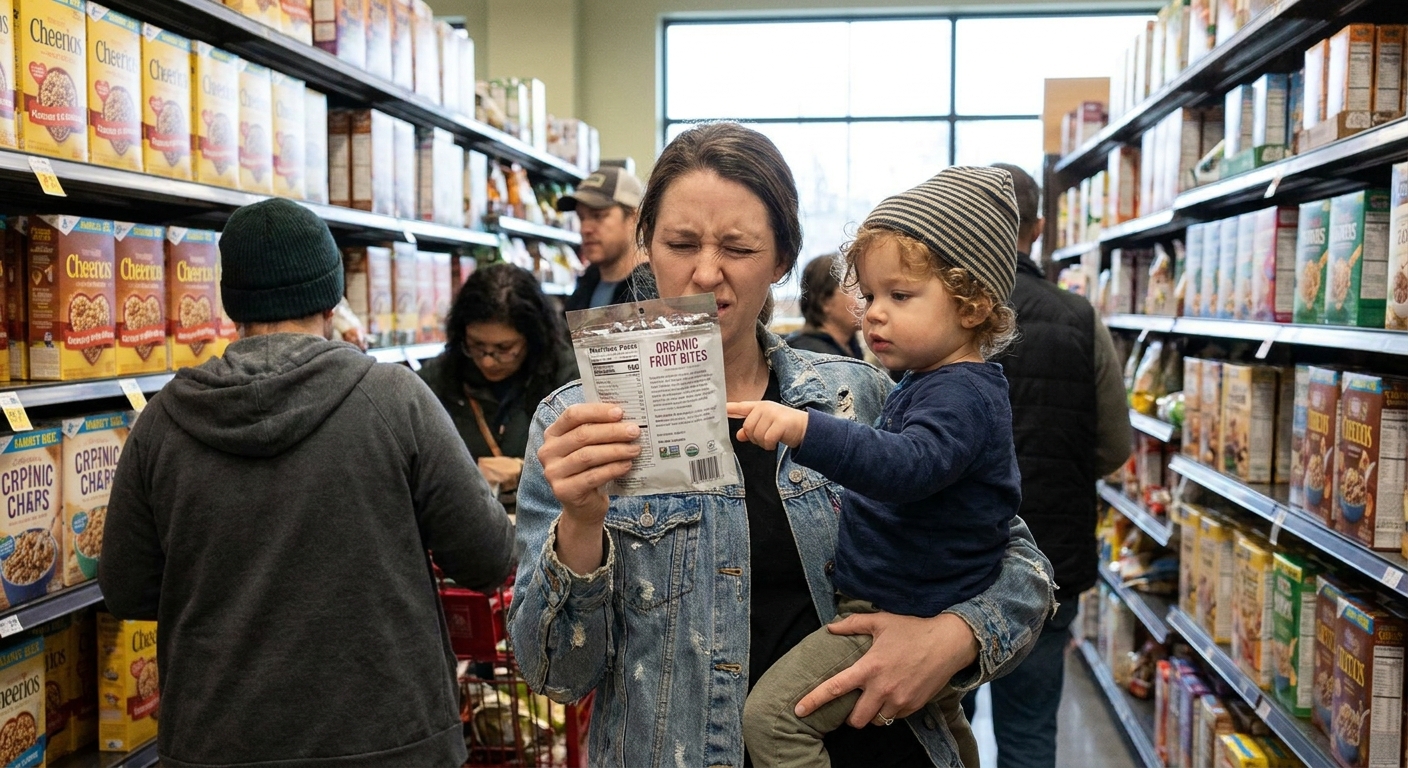
Egg shows up in obvious places like scrambled eggs and omelets, but it can also hide in packaged foods and restaurant items. The goal is to learn the most common names for egg and create a couple of default “safe” choices for busy days.
Common label terms that can mean egg
- Egg, egg white, egg yolk
- Albumin (also written as albumen)
- Ovalbumin
- Ovoglobulin
- Ovomucin
- Ovovitellin
- Lysozyme (can be derived from egg, confirm source when possible)
Also watch for: mayonnaise and aioli are often made with egg, but some products are egg-free. Always check the label or ask the restaurant.
Practical tip: Ingredients change. Even your “trusted” crackers or nuggets can quietly reformulate. For a baby with a known or suspected egg allergy, check labels every time.
Foods that commonly contain egg
- Baked goods: muffins, cakes, cookies, pancakes, waffles
- Breaded or battered foods: chicken nuggets, fish sticks, tempura
- Meatballs or meatloaf (egg as a binder)
- Pasta (some fresh pastas)
- Desserts: custard, pudding, ice cream (some brands), meringue
- Breakfast items: French toast, some breakfast sandwiches
- Sauces and dressings: some ranch, Caesar, creamy dips
Cross-contact at home
A lot of repeat reactions come from tiny smears of food, not a full serving. A few habits lower the odds of accidental exposure.
- Wash hands with soap and water after handling egg. Wipes are helpful, but soap-and-water is more reliable.
- Wipe high chairs and tables well and let them dry before baby eats.
- Be careful with shared cookware like nonstick pans, spatulas, and baking sheets that may hold residue in scratches.
- Use separate sponges or dishcloths if egg is common in your home cooking.
- Watch shared appliances like toasters or waffle irons where crumbs stick around.
Baked egg: ask the allergist
One of the biggest quality-of-life issues with egg allergy is that egg is everywhere. The good news is that some children with egg allergy can tolerate egg that has been baked into foods at high heat for a long time, like in certain muffins or cakes. For other kids, baked egg is still a problem.
This is not a DIY experiment. The right next step is a targeted conversation with your allergist.
Baked-egg questions to bring
- Does my child’s history suggest they might tolerate baked egg, or should we avoid all egg for now?
- Should we do skin testing or blood testing first?
- Do you recommend an in-office oral food challenge for baked egg?
- If baked egg is allowed, what exact types of baked goods count as safe enough (temperature, time baked, portion size)?
- If baked egg is tolerated, how often should we include it to maintain tolerance?
- What symptoms mean we stop and treat, and when do we use epinephrine?
Families often feel relieved just having clarity here. Either you get a supervised path forward, or you get a clear “not yet.” Both are useful.
Daycare and babysitters
As a former triage nurse, I can tell you that many repeat reactions happen because well-meaning caregivers did not realize a food contained egg. Your job is to set up a system that does not depend on perfect memory at 11:30 am when ten toddlers are melting down.
What to give daycare in writing
- Your child’s suspected or confirmed allergy: egg
- Symptoms your child had last time (hives, vomiting, swelling, etc.)
- Clear instructions for when to call you and when to call emergency services
- Medication instructions, including where epinephrine is stored and who is trained to use it
- Any allergist action plan you have
Meal and snack strategies that work
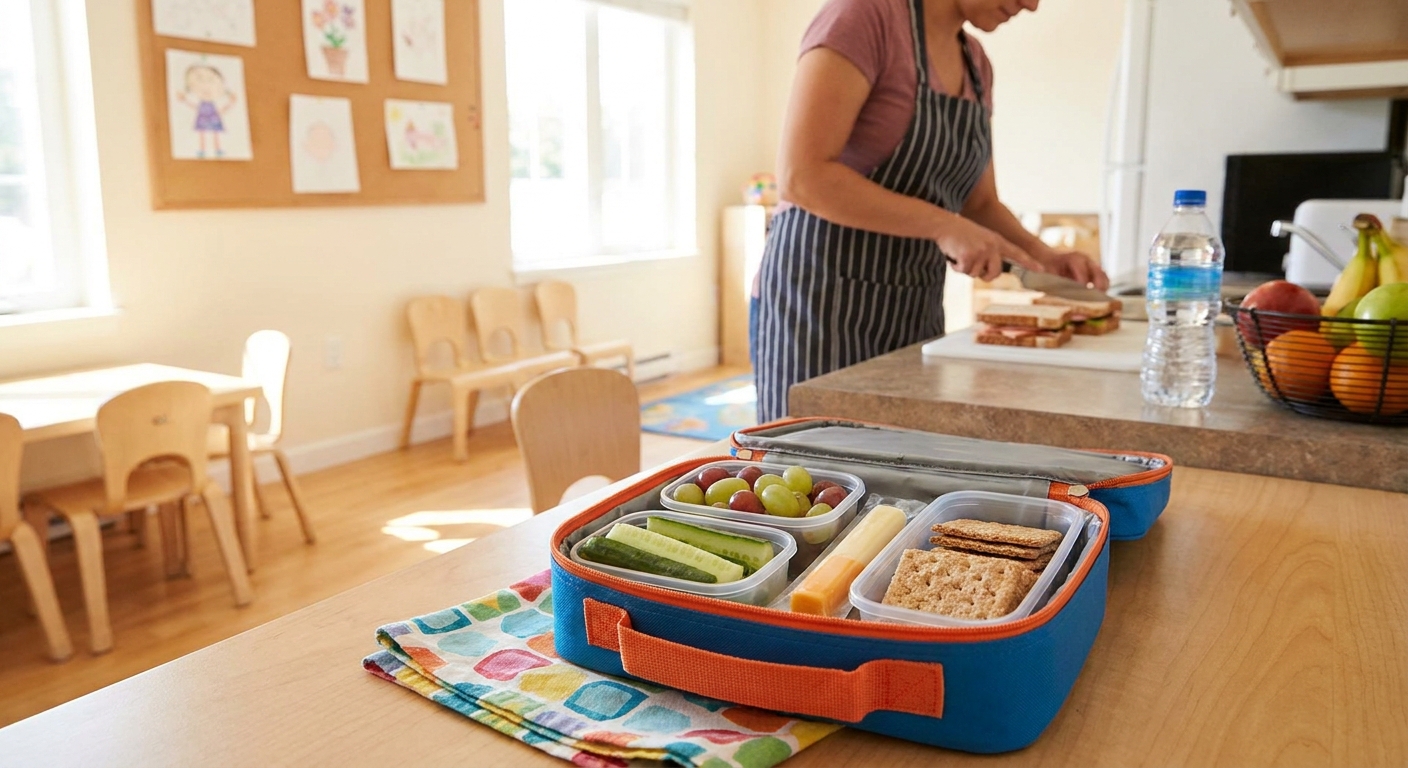
- Send a consistent safe snack bin with packaged items you have already checked.
- Keep it boring on purpose. Rotating novelty snacks increases the chance of a surprise ingredient.
- Offer simple swaps for classroom events: fruit, pretzels, certain crackers, applesauce pouches (as allowed by your daycare rules and your baby’s age).
- Ask about their cleaning routine for tables and high chairs, especially after messy baked goods.
Eating out and gatherings
You do not have to become a hermit. You do have to become politely persistent.
A restaurant script you can use
“My child has an egg allergy. Can you tell me if there is egg in this dish, including in the batter, breading, sauces, or mayo-based dressings? And can the kitchen avoid cross-contact using clean utensils and a clean surface?”
Boundaries that help at family events
- Bring one safe meal and one safe snack you know your child will eat.
- Tell one adult to be the food gatekeeper so you are not explaining the allergy to twelve relatives.
- If someone says, “A tiny bit will be fine,” you can respond: “We are not testing that today. Please do not offer food without checking with me.”
Vaccines and egg allergy
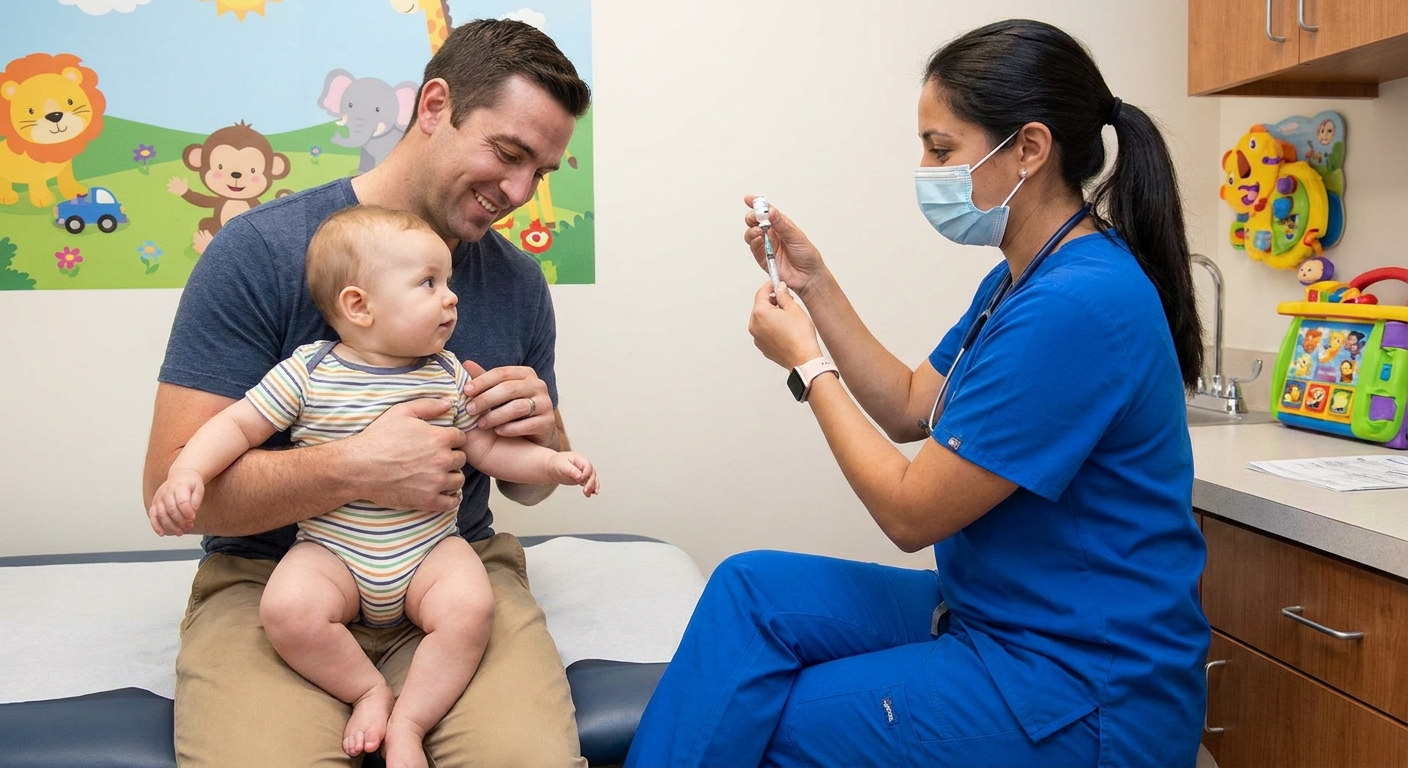
This is one of the most common worries I hear in clinic: “Can my egg-allergic baby get vaccines?” In most cases, yes, and we want kids protected. Still, it is smart to ask the right questions so you feel comfortable.
Questions to ask your pediatrician or allergist
- Does my child’s egg reaction history change how or where they should receive vaccines?
- Do you recommend any extra observation time after vaccination?
- Is the seasonal flu vaccine appropriate for my child?
- Are MMR and other routine childhood vaccines okay with egg allergy?
- If my child has multiple food allergies or a history of severe reactions, should vaccines be done in a medical setting with extended monitoring?
Two reassuring points that often help families:
- MMR is generally considered safe for children with egg allergy and is not typically avoided because of egg allergy.
- Flu vaccine is commonly recommended for people with egg allergy. Most egg-allergic children can receive it in usual settings with standard readiness to treat rare reactions. If your child has had a severe reaction to a vaccine in the past, that is a separate conversation and deserves a more tailored plan.
If you are feeling anxious, ask to stay in the office a little longer after vaccines. Peace of mind matters.
Introducing other foods
This part is tricky emotionally. After an egg reaction, many parents want to pause all new foods. In general, do not make big changes without guidance. Call your pediatrician or allergist and ask for a plan for introducing other common allergens like peanut or dairy. Depending on your baby’s history and risk factors, they may recommend continuing introductions at home, or doing certain foods in a supervised setting.
Will my baby outgrow it?
Many children do outgrow egg allergy, but the timeline varies. Factors like the type of reaction, test results, and whether baked egg is tolerated can influence the outlook. This is exactly why follow-up with an allergist is so helpful. You deserve a plan that is personalized to your child, not a generic internet guess.
Questions parents forget
- Should we avoid foods that “may contain egg” or “processed in a facility with egg” right now?
- What should we do if our baby touches egg but does not eat it?
- Can egg be in non-food items we use with kids (certain crafts, some cosmetics)?
- Do we need a medical alert bracelet for daycare age?
- How do we introduce other new foods safely while we wait for allergy testing?
If you are in the thick of this, you are not overreacting. You are learning a new safety skill, and it takes time. With a clear avoidance plan, caregiver communication, and the right medical backup, most families find their footing again. And yes, you will eat a warm meal again someday. I promise.
Sarah Mitchell
Sarah Mitchell is a Registered Pediatric Nurse and a mother of three who has spent over a decade helping families navigate the beautiful, chaotic early years of childhood. She combines evidence-based medical knowledge with real-world parenting experience to offer practical, compassionate advice. At Awesome Parent, Sarah's mission is to help exhausted parents find solutions, trust their instincts, and finally get some sleep.