Worried your child’s cold sore will spread at daycare or school? Here’s the HSV-1 timeline, what’s safe to use at home, when to call the doctor for antiviral...
Herpetic Whitlow in Kids: Painful Finger Blisters

Sarah Mitchell
Sarah Mitchell is a Registered Pediatric Nurse and a mother of three who has spent over a decade helping families navigate the beautiful, chaotic early years of childhood. She combines evidence-based medical knowledge with real-world parenting experience to offer practical, compassionate advice. At Awesome Parent, Sarah's mission is to help exhausted parents find solutions, trust their instincts, and finally get some sleep.
I still remember the first time a parent brought in a preschooler with a swollen thumb and a little cluster of blisters near the nail. The parent was convinced it was a “bad hangnail infection” and wanted to pop it to relieve pressure. I’m so glad they didn’t. That type of blister can be herpetic whitlow, a fingertip infection caused by the herpes virus, and puncturing it can make things worse and spread it to other areas.
If your child has what looks like a small group of painful blisters on one finger, especially if they suck their thumb or get cold sores, this article will help you sort out what you’re seeing and what to do next.
What is herpetic whitlow?
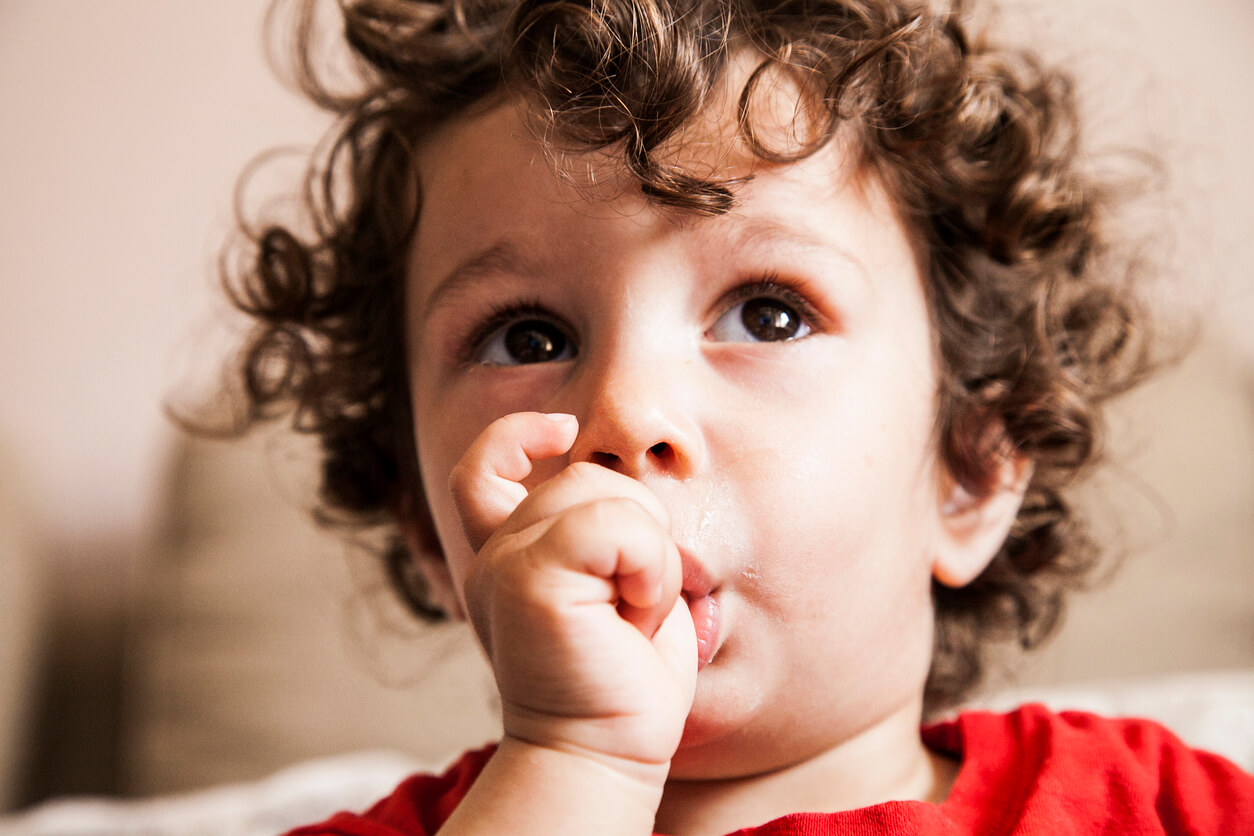
Herpetic whitlow is a skin infection on the finger caused by herpes simplex virus (HSV). It often shows up on the thumb or index finger and is most common in:
- Thumb-suckers and finger-suckers
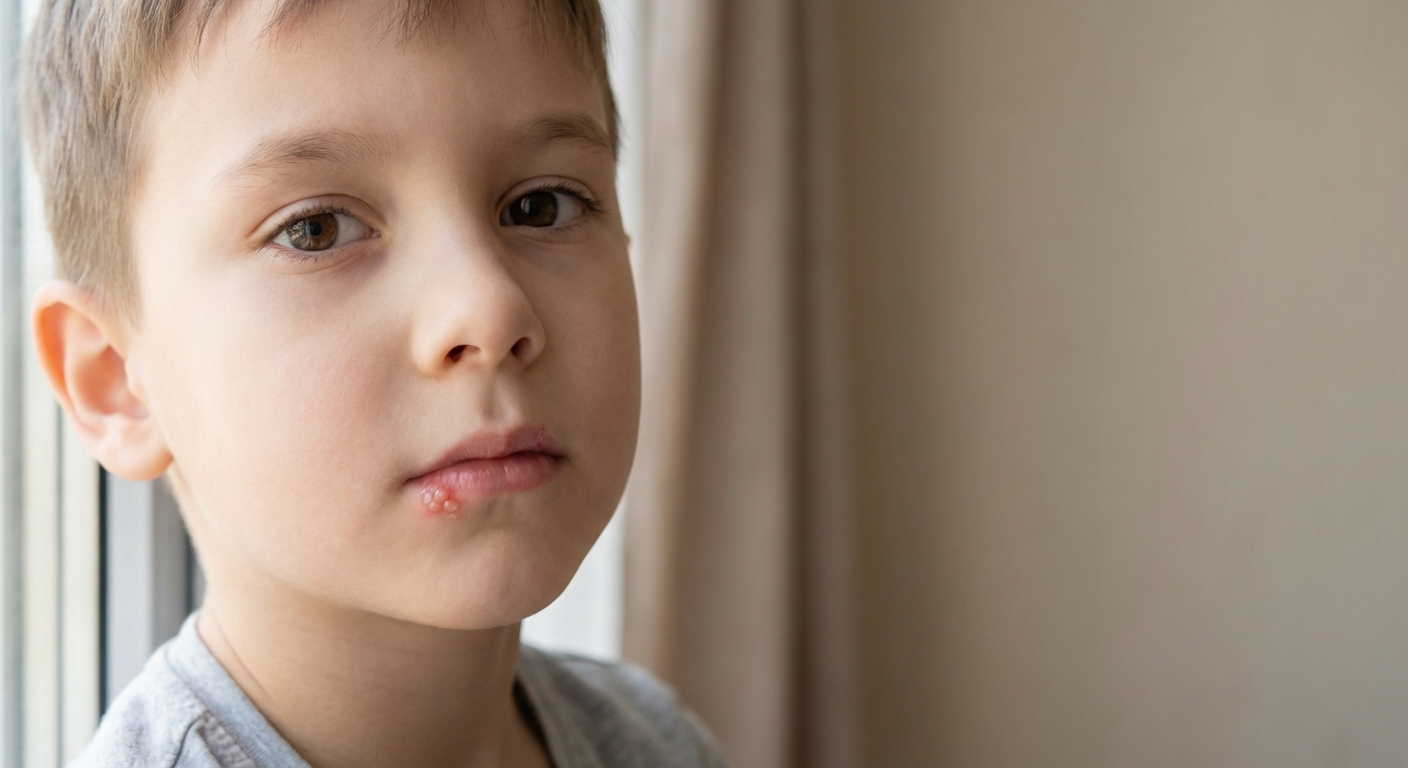
- Kids who have cold sores, or who are exposed to someone with cold sores
- Children with eczema or irritated skin on the hands (broken skin makes infection easier)
HSV can spread from the mouth to the finger (self-inoculation) when virus from saliva or a cold sore gets onto broken skin on the finger, like a cut, hangnail, or irritated patch.
What it looks and feels like
Herpetic whitlow has a pretty classic pattern. Most parents describe two things: it looks strange and it hurts a lot.
Common signs
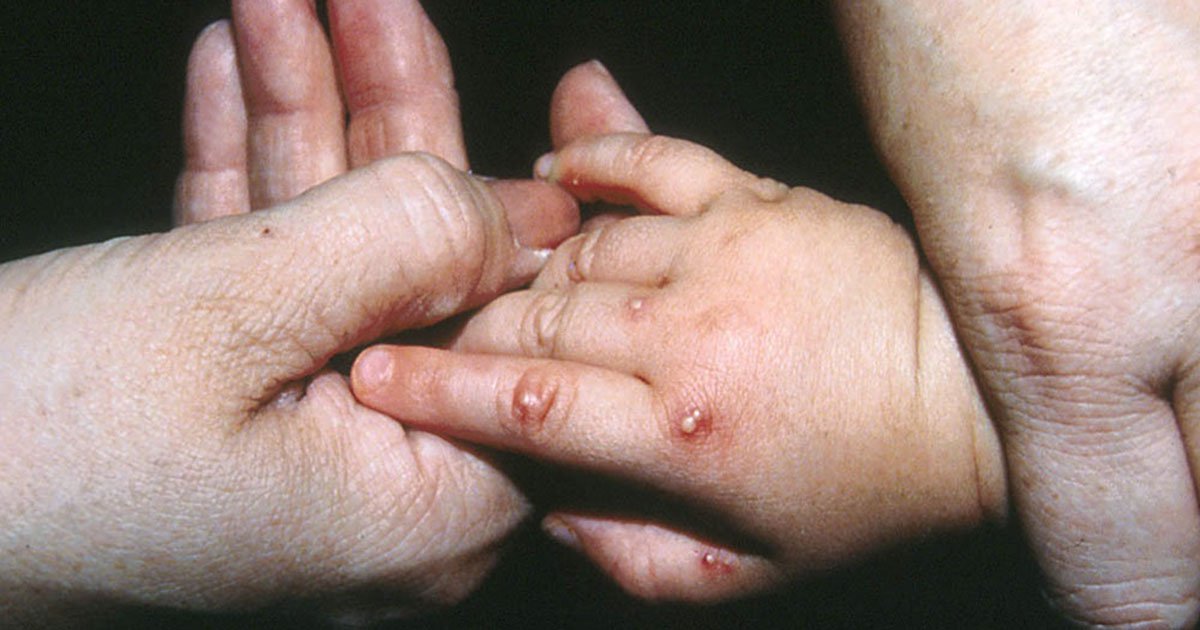
- Clustered tiny blisters (often grouped together) on the fingertip, around the nail, or on the pad of the finger
- Clear or cloudy fluid inside the blisters
- Redness and swelling around the area
- Significant tenderness or burning pain, sometimes out of proportion to how it looks
- Sometimes a child had tingling, itching, or pain in the finger before the blisters appeared
Other symptoms that can happen
- Low fever
- Swollen lymph nodes (for example, at the elbow or armpit on that side)
- A recent or current cold sore
It is often limited to one finger.
HSV spreads most easily with direct contact while lesions are active, especially when blisters are present or draining. That is why covering the area and handwashing matter so much.
Herpetic whitlow vs. impetigo, paronychia, and hand, foot and mouth
A blister on a finger is one of those symptoms that sends parents down a lot of internet rabbit holes. Let’s make it simpler by comparing the most common look-alikes.
Whitlow vs. impetigo
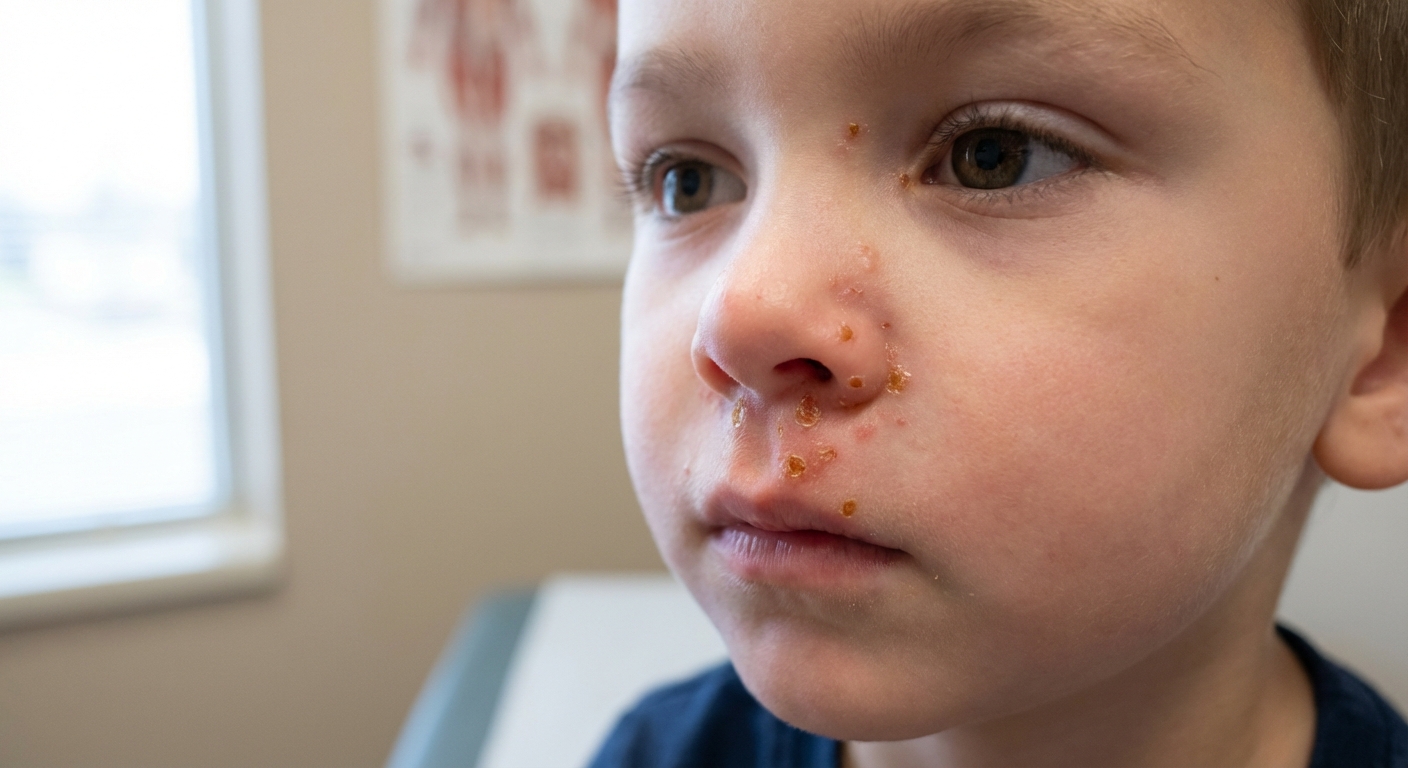
Impetigo is a bacterial skin infection. It often shows up around the nose and mouth, but kids can get it on hands too.
- Whitlow: clustered blisters, very tender, often one finger; blisters may stay intact and then crust
- Impetigo: starts as small blisters or pimples that break and leave golden, honey-colored crust; may spread to nearby skin quickly and may be less painful than it looks
Important difference: impetigo treatment is usually topical or oral antibiotics, while herpetic whitlow is a virus. Antibiotics do not treat HSV itself, although clinicians sometimes prescribe them if a bacterial infection on top of it is suspected or hard to rule out on exam.
Whitlow vs. paronychia
Paronychia is an infection of the nail fold (the skin right next to the nail). It often happens after nail biting, picking hangnails, or trimming nails too close.
- Whitlow: grouped blisters; burning pain; can involve fingertip pad and around nail
- Paronychia: red, swollen nail fold; may form a pus pocket; often looks like one angry, swollen corner near the nail edge
Paronychia can sometimes need drainage by a clinician. Herpetic whitlow is different because incision and drainage is usually not recommended. It typically does not help the way it does for an abscess, and it can worsen viral spread and raise the risk of bacterial infection.
Whitlow vs. hand, foot and mouth
Hand, foot and mouth disease is a viral illness that causes blisters, but the pattern is broader.
- Whitlow: typically one finger, very tender, clustered blisters
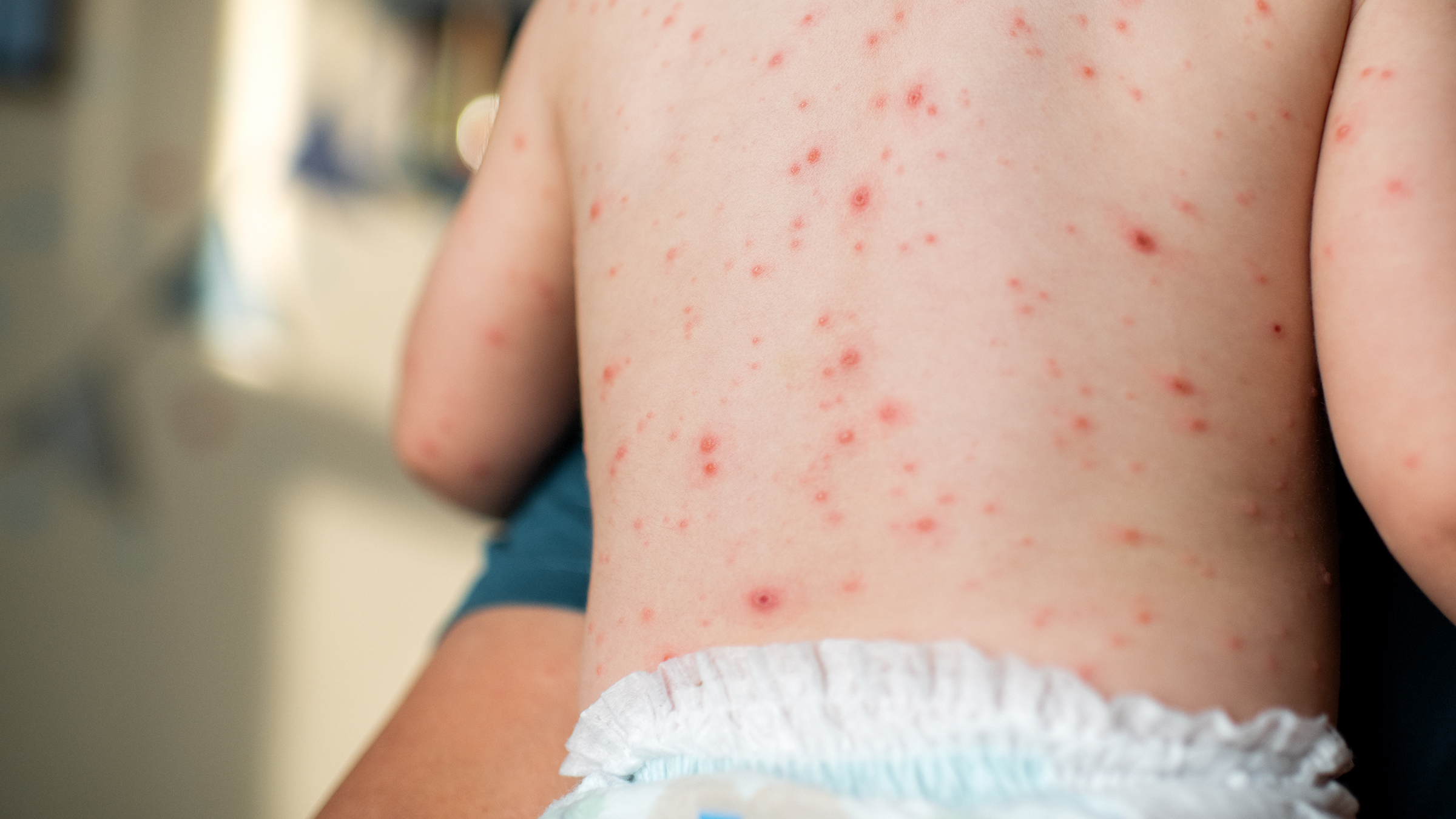
- Hand, foot and mouth: multiple spots on hands and feet (often palms and soles), plus mouth sores; fever and sore throat are common
If your child has blisters on several fingers plus a rash on feet or ulcers in the mouth, think more along the lines of hand, foot and mouth.
What not to do
This is the part I want you to read twice, because it is where well-meaning parents can accidentally make things worse.
- Do not puncture, pop, or squeeze the blisters. Herpetic whitlow fluid can contain virus. Opening the blisters can spread infection to other fingers, eyes, or other people, and it can increase the risk of a bacterial infection on top of it.
- Do not try to drain it at home. Even if it looks like it has fluid under pressure, this is not the same as a simple pus pocket from a hangnail.
- Do not let your child pick at it. Easier said than done, I know. Covering it helps.
- Do not share towels, nail clippers, or washcloths while it is active.
- Avoid kissing baby siblings (especially newborns) if your child also has a cold sore or you suspect HSV on the finger.
What you can do at home
Most cases improve over time, but comfort care and preventing spread matter a lot.
Comfort and protection
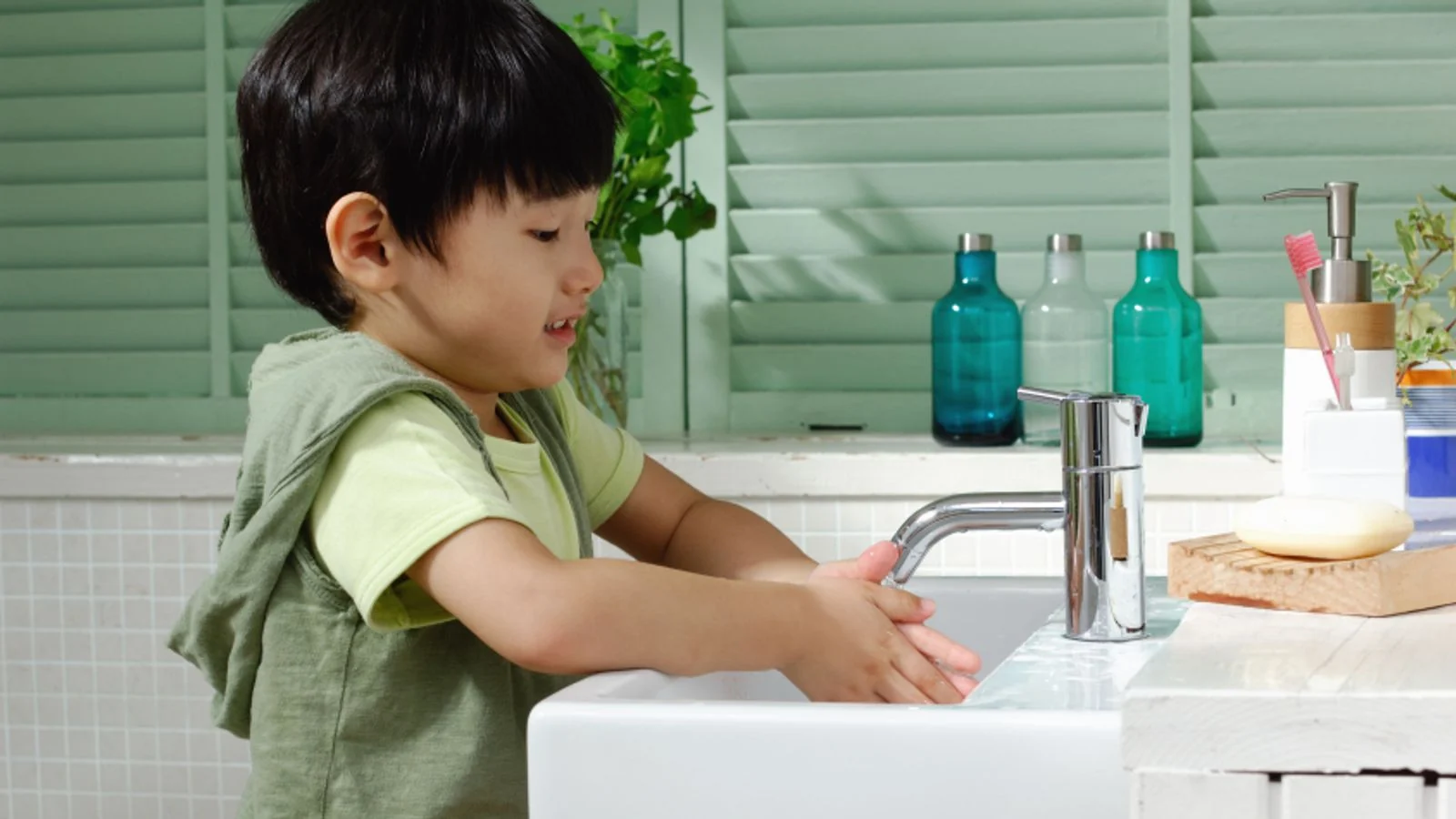
- Wash hands with soap and water, especially after touching the area.
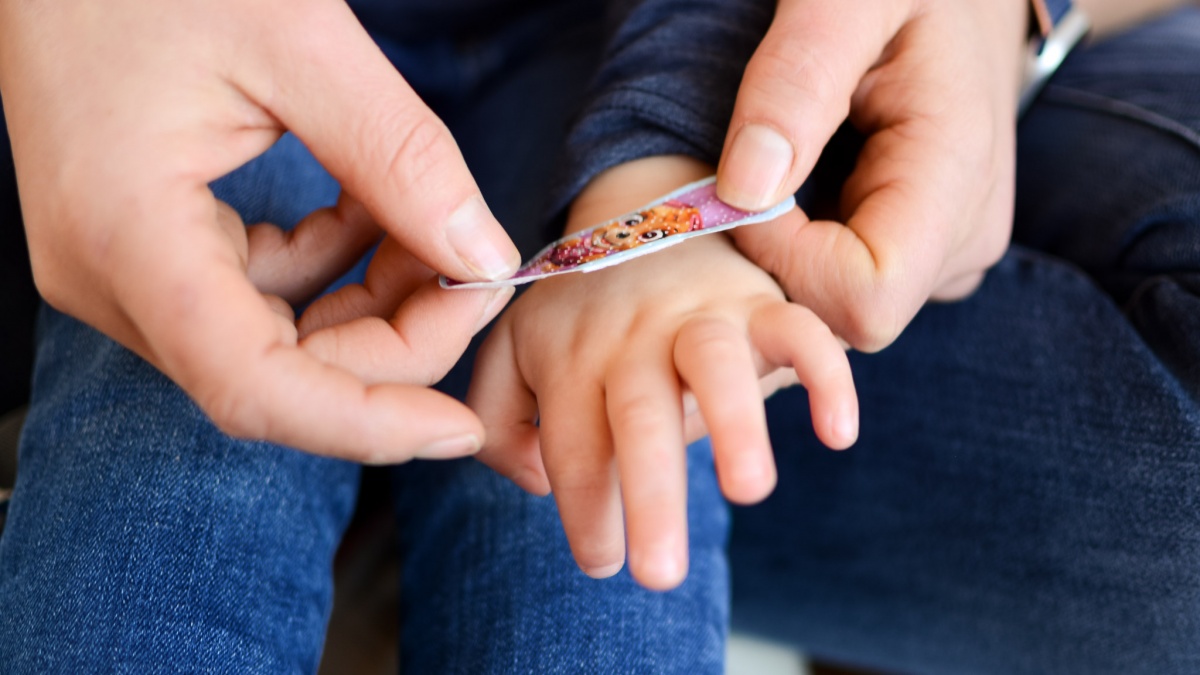
- Cover the finger with a clean, dry bandage. If your child is a thumb-sucker, a finger bandage plus a mitten at night can help.
- Cold compress for 10 minutes at a time can ease pain.
- Pain relief with acetaminophen or ibuprofen if your child can take them. Follow label dosing, and check with your clinician if you are unsure.
Lower the chance of spreading HSV
- Teach your child: no touching eyes. HSV eye infections can be serious.
- If your child is old enough for them, consider avoiding contact lenses during an active outbreak and be extra strict about no eye rubbing.
- Separate personal items: cups, utensils, towels, toothbrushes.
- If your child has an active cold sore, help them avoid touching it and then touching their hands.
How it is diagnosed
Most of the time, clinicians diagnose herpetic whitlow based on a physical exam and the story you give them (for example: thumb sucking, a recent cold sore, sudden burning pain, clustered blisters).
If it is not clear, or if a child is very young or medically fragile, a clinician may swab the lesion for HSV testing (often PCR, sometimes culture). The goal is to avoid the wrong treatment, especially unnecessary draining.
Antiviral medicine
Sometimes, yes. Antiviral medication (like acyclovir) can be helpful, especially when started within about 48 hours of symptom onset. In otherwise healthy kids, the benefit is often modest, but it may shorten the course and reduce pain, particularly in kids who get recurrent HSV infections or who have more severe symptoms.
Whether your child needs antivirals depends on:
- How early in the outbreak they are
- How severe the pain and swelling are
- Whether they are immunocompromised
- Age and medical history
- Whether they have frequent or particularly disruptive recurrences (in those cases, a clinician may discuss preventive options)
Because this can look like other infections, and because the treatment plan can differ a lot, I recommend checking in with your child’s pediatrician or urgent care for an accurate diagnosis.
When to get same-day care
Most older kids who are otherwise well can be evaluated within a day or two. But there are situations where I want you to get help the same day.
Same-day evaluation is important if:
- Your child is a newborn (or very young infant) and has any blistering rash, especially on the hands, mouth, or around the eyes
- Your child has a fever and a painful finger blister cluster
- The redness is spreading quickly up the finger or hand
- Your child has severe swelling, increasing pain, or is not using the hand
- There is pus, a strong bad odor, or the skin looks significantly more infected (possible bacterial infection on top)
- Your child has eczema with widespread painful blisters
- Your child has a weakened immune system
- The blisters are near the eye, or your child has eye redness, eye pain, light sensitivity, or new eye irritation
If you have a newborn in the house and anyone has an active cold sore or a suspicious finger blister, be cautious. Newborns can get very sick from HSV. Call your pediatrician right away for guidance.
How long it lasts and school
Herpetic whitlow usually runs its course over about 2 to 3 weeks, with the blisters crusting and healing gradually. Pain is often worst early on.
School and daycare rules vary, but in general:
- If the lesion can be fully covered with a bandage and your child can reliably keep it covered and wash hands, many kids can attend.
- If your child cannot keep hands away from the lesion, cannot keep it covered, or hygiene is likely to be a struggle, staying home may be reasonable until it is easier to manage.
If your child also has a cold sore, follow your daycare or school’s guidance and focus on hand hygiene and not sharing personal items.
FAQ
Is herpetic whitlow the same as a bacterial finger infection?
No. Whitlow is caused by HSV, which is a virus. Bacterial finger infections include paronychia and cellulitis. They can look similar, which is why an exam matters.
Can I put antibiotic ointment on it?
Antibiotic ointment does not treat HSV itself. Some clinicians may recommend it if the skin is very broken and there is concern for bacterial infection on top, but do not rely on it as the main treatment. The bigger priority is covering the area and not popping blisters.
Can my child get herpetic whitlow more than once?
Yes. HSV can reactivate. Some kids have repeat outbreaks in the same area, especially if they also get cold sores. If recurrences are frequent or severe, ask your clinician whether an antiviral plan makes sense.
What if it looks like it has pus?
Whitlow blisters can look cloudy, which is not always pus. But if the area becomes more swollen, hot, increasingly red, or starts draining thick yellow fluid, your child should be seen that day to rule out a bacterial infection that may need different treatment.
A calm next step
If your child has a painful cluster of blisters on one fingertip, the safest plan is simple: cover it, do not pop it, and get a same-day opinion if your child is a newborn or has fever. Most parents I’ve cared for are relieved once they know what they are dealing with and how to keep it from spreading.
And if you are reading this at an unholy hour while your kid sleeps and you are zooming in on a blurry finger photo, I see you. Put the pin down. You’re already doing the right thing by checking first.
Sarah Mitchell
Sarah Mitchell is a Registered Pediatric Nurse and a mother of three who has spent over a decade helping families navigate the beautiful, chaotic early years of childhood. She combines evidence-based medical knowledge with real-world parenting experience to offer practical, compassionate advice. At Awesome Parent, Sarah's mission is to help exhausted parents find solutions, trust their instincts, and finally get some sleep.