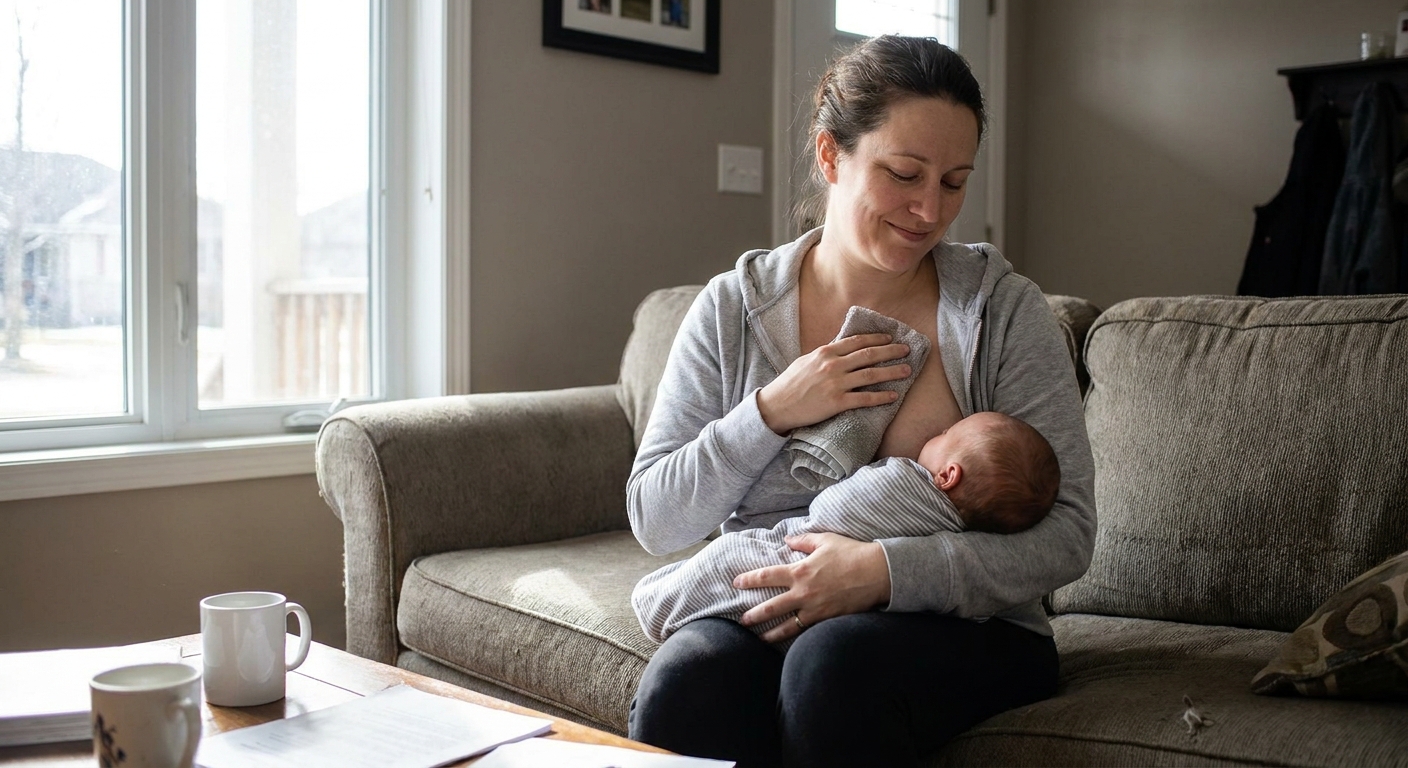
Weaning made gentler. Learn realistic strategies by age, night and pump weaning tips, how to prevent painful engorgement, and how to keep closeness and comfo...
How Long Does Breast Milk Take to Dry Up After Weaning?

Sarah Mitchell
Sarah Mitchell is a Registered Pediatric Nurse and a mother of three who has spent over a decade helping families navigate the beautiful, chaotic early years of childhood. She combines evidence-based medical knowledge with real-world parenting experience to offer practical, compassionate advice. At Awesome Parent, Sarah's mission is to help exhausted parents find solutions, trust their instincts, and finally get some sleep.
When you stop breastfeeding, your body does not get the memo instantly. As a pediatric triage nurse, I used to hear the same worried question from parents: “I weaned, so why do my breasts still feel full?” As a mom, I asked it too, usually while trying to find a clean bra at 3 AM.
The reassuring truth is this: it is normal to keep making some milk for days to weeks after the last feed, sometimes longer. Drying up is a gradual downshift, not an on and off switch.
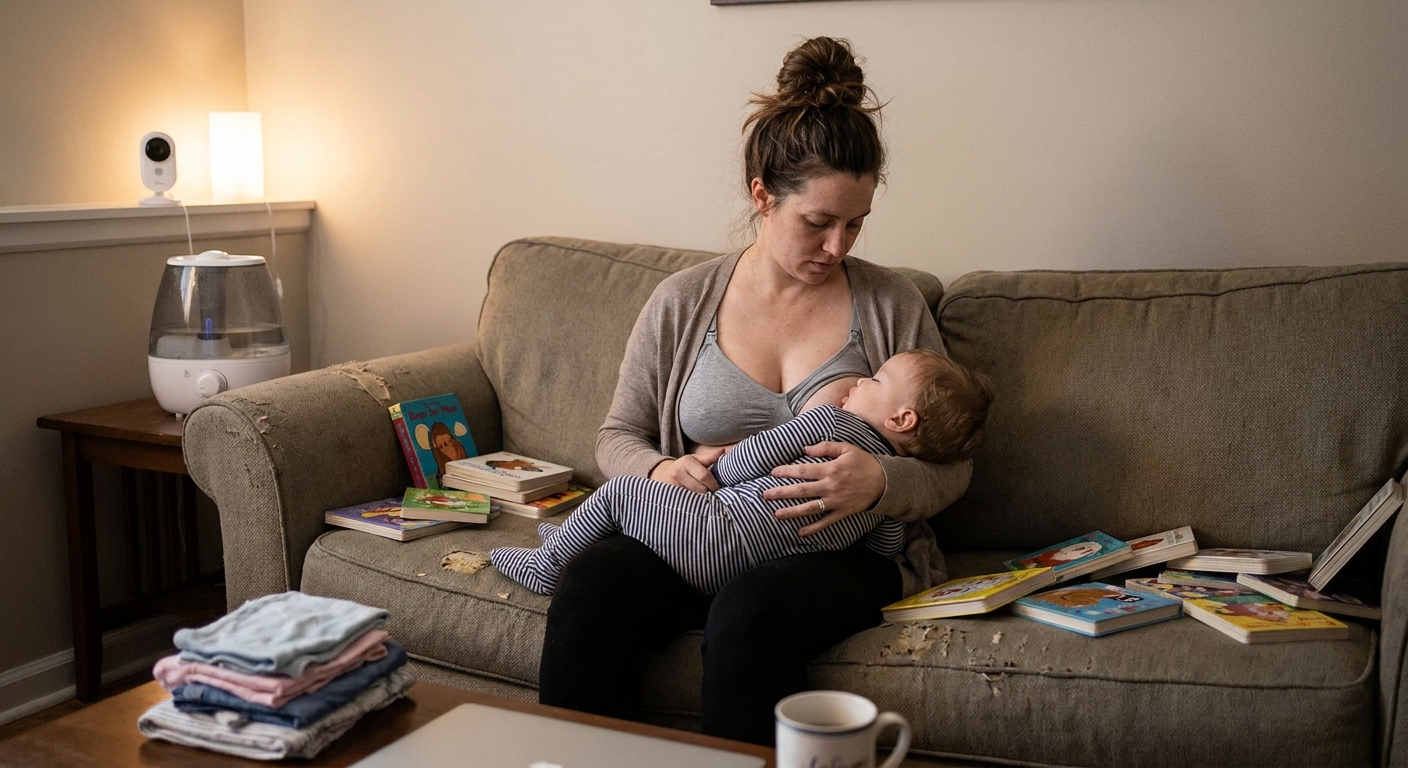
Typical timeline: how long drying up takes
Most people notice the biggest changes in the first week, then a slow taper after that. Your exact timeline can depend on how much milk you were making, how often you were nursing or pumping, and how quickly you weaned. Lactation consultants commonly see a wide range of normal here.
First 24 to 72 hours
- Fullness and heaviness are common, especially if you stopped quickly.
- Leaking can happen when you hear a baby cry, take a hot shower, or even when you are exercising.
- Letdown sensations can still pop up even if you are not nursing.
Days 3 to 7
- This is often the peak engorgement window after final weaning.
- You may notice firm areas or tender lumps that shift in size during the day.
- Many parents need comfort measures during this week, especially if they weaned abruptly.
Weeks 1 to 3
- For many parents, breasts start to feel significantly softer.
- Occasional leaking can still happen, but usually less frequently.
- You might feel temporarily fuller in the morning. A too-tight bra can make swelling and pressure more noticeable.
Weeks 3 to 8 (and sometimes beyond)
- Many people are mostly done by this point, but some can still express a few drops for months, especially if weaning happened later in toddlerhood.
- Seeing a small amount of milk with nipple squeezing does not automatically mean something is wrong.
Bottom line: Many parents feel noticeably better within 1 to 2 weeks. Complete “nothing there” dryness can take several weeks, and a tiny amount can linger longer.
What you might feel: fullness, leaking, lumps
Fullness and pressure
That “about to explode” feeling is your body temporarily making more milk than it now needs. It typically improves as milk removal decreases and your hormones shift.
Leaking after weaning
Leaking is common, especially if you were producing a lot, weaned quickly, or you are prone to strong letdowns. A few practical tips:
- Use breast pads for comfort and to protect clothing.
- Choose a supportive but not tight bra. Persistent deep marks, a wire digging in, or localized pressure points can raise the risk of clogged ducts.
- Avoid frequent “checking” by hand expressing. Nipple stimulation and milk removal tell your body to keep making milk.

Comfort measures that help
The goal after weaning is to relieve pain while still telling your body, “We are done here.” Anything that removes a lot of milk or stimulates the nipple can prolong things, so think comfort, not emptying.
Use cold first
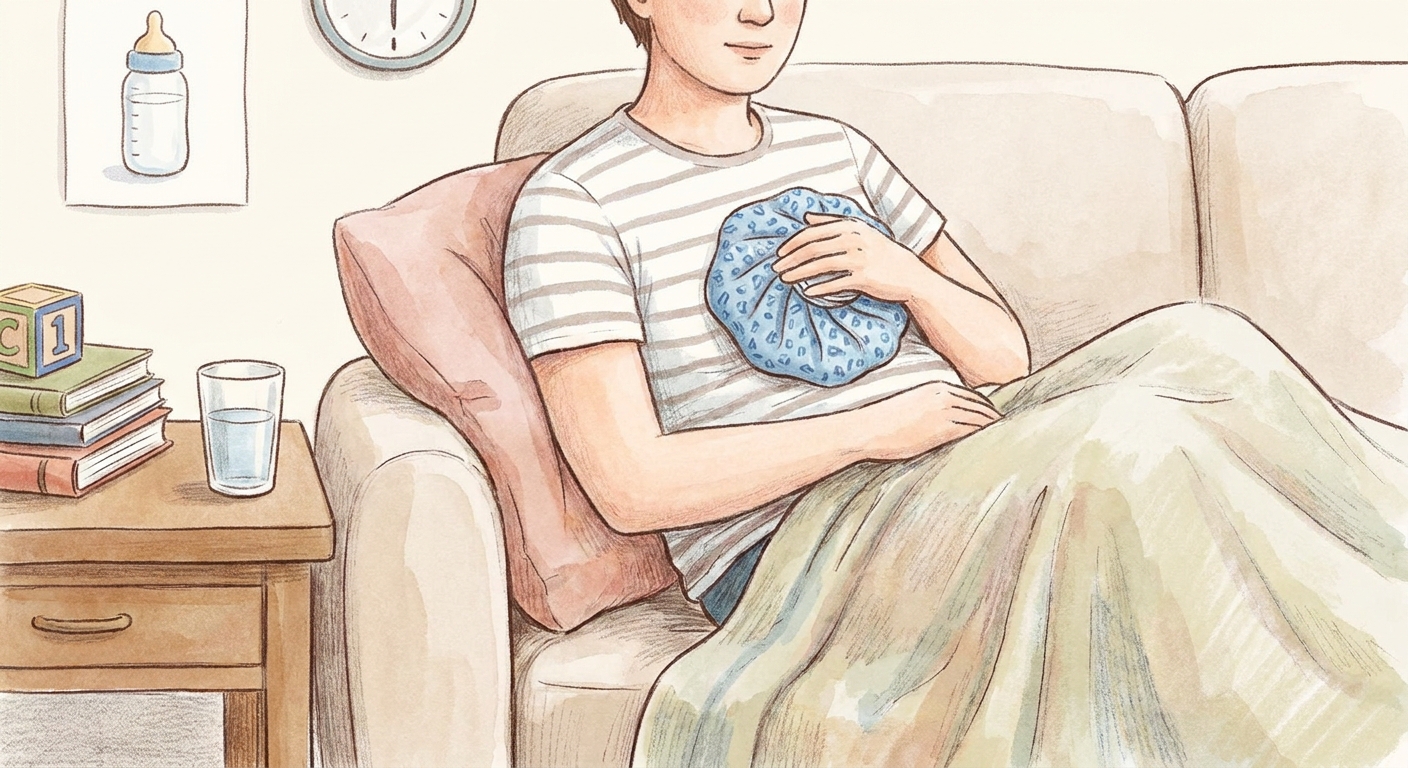
- Cold packs (or a bag of frozen peas wrapped in a towel) for 10 to 20 minutes at a time can reduce swelling and discomfort.
- Cold is especially helpful if you feel puffy, hot, or very full.
Try minimal expression if you truly need it
If you are painfully engorged, you can express just enough to take the edge off, then stop. Think: soften the areola so you can move comfortably, not drain the breast.
A good rule of thumb from the triage desk: express for comfort, not for volume.
Support matters
- Wear a well-fitting bra that supports without compressing.
- Avoid underwire if it tends to dig in or leave deep marks.
Anti-inflammatory pain relief (if you can take it)
Over-the-counter anti-inflammatory medication can help with swelling and pain for many adults. If you have medical conditions, take blood thinners, are pregnant, or have been told to avoid certain medicines, check with your clinician first.
Warmth, with a caution
Warmth can feel amazing, and it can be useful right before minimal expression when you are very uncomfortable. But heat can also trigger letdown for some people. If you use warmth, keep it brief and targeted, then switch back to cold.
Light touch for lumps
If you have tender, firm areas, skip deep kneading. Current guidance tends to favor gentle, light sweeping (think lymphatic-style strokes) and cold to reduce swelling. If you are rubbing hard enough to leave bruising, it is too much.
Things to avoid if you want supply to settle
- Regular pumping sessions “to empty”
- Long hot showers aimed directly at the breasts if you notice they trigger leaking
- Nipple stimulation (including frequent checking for milk)
- Tight binding that causes pain or pressure points
If you are still actively in the process of weaning (dropping feeds gradually, shifting routines, handling bedtime, and so on), stick with the plan laid out in your weaning guide. This article is for what happens after those last feeds are already behind you.
Why one breast feels worse
It is extremely common to have an “overachiever” breast and a “slacker” breast. If your child had a preferred side, or you naturally made more on one side, that breast may stay fuller longer and be more likely to get tender, firm areas during dry-up.
- Feel fuller longer
- Leak more
- Develop more tender, firm spots in the first week or two
As long as you are not developing signs of infection, unevenness usually settles with time and the same comfort approach: cold, support, and minimal expression for relief only.
Lumps after weaning: what is normal
Many parents notice lumps during the first week or two after stopping. Often, these are areas of milk stasis or swelling that improve with gentle care and time.
Often normal during drying up
- A firm area that softens after cold and light sweeping massage
- Mild tenderness without worsening redness
- A lump that gradually gets smaller over several days
More concerning
- A lump that becomes increasingly painful
- Redness spreading over the skin
- The area feels hot and you feel generally unwell
- A lump that does not improve or keeps returning in the same spot
- A lump that persists beyond a few weeks after weaning
Also call for evaluation if you notice skin dimpling, new nipple inversion, bloody nipple discharge, or any new breast change that does not make sense in the context of weaning. Most of the time it is something benign, but it deserves a clinician’s eyes.
Mastitis warning signs
Mastitis is inflammation in the breast that can be infectious or non-infectious. It can happen during weaning because milk is not being removed as often. Call a clinician promptly if you have:
- Fever (generally 100.4°F / 38°C or higher) or you feel feverish
- Flu-like symptoms such as chills, body aches, or feeling suddenly wiped out
- A red, hot, painful area that is spreading
- Rapidly worsening pain or swelling
- Pus-like nipple discharge
Also seek urgent care if you notice a painful, very firm lump with overlying redness that does not improve, especially if it feels like a pocket of fluid. That can suggest an abscess, which needs prompt evaluation.
If you are not sure, call. This is exactly what triage nurses are for.
When milk will not settle
Sometimes supply hangs on longer than expected. Consider checking in with your clinician or a lactation consultant if:
- You are still having significant engorgement after 2 weeks despite minimal expression
- You are needing to express or pump regularly just to function
- You have recurrent plugged ducts or repeated mastitis symptoms
- You can express a substantial amount of milk months after weaning
Occasional drops long after weaning can be normal. Persistent, spontaneous leaking or milky discharge that continues and is not connected to recent breastfeeding is worth discussing, especially if you also have headaches, vision changes, missed periods, or new breast changes.
Common questions
Can I dry up faster if I stop cold turkey?
Stopping abruptly can feel like the fastest route, but it often causes the most discomfort and can raise the risk of plugged ducts and mastitis. If you have already weaned, focus now on comfort and avoiding stimulation that keeps the supply signal active.
Should I pump to empty to prevent clogs?
Emptying feels relieving short-term, but it tells your body to keep producing. If you are painfully full, express a small amount for comfort, then stop. Use cold and supportive (not tight) bras to reduce swelling.
How do I know if my breasts are dry?
Most parents define dry as: breasts feel soft most of the day, no longer getting uncomfortably full, and leaking stops. Some people can still hand express a few drops long after they feel fully weaned, and that alone is not usually a problem.
Why do I still leak when I hear a baby cry?
Your letdown reflex is partly hormonal and partly conditioned. It can take time to fade, even after milk production decreases. It typically improves gradually as your body adjusts.
What about cabbage leaves, herbs, or decongestants?
These come up a lot. Some parents feel that chilled cabbage leaves are soothing, and herbs like sage or peppermint are often mentioned anecdotally as supply-lowering. Evidence is mixed, and supplements can interact with medications or health conditions, so it is smart to check with your clinician first.
Decongestants that contain pseudoephedrine can lower supply for some people, but they are not appropriate for everyone (for example, some people with high blood pressure are advised to avoid them). If you are considering medication to dry up, talk with your clinician about what is safest for you.
A gentle final word
Weaning is a physical change, but it is also an emotional one. If you are feeling surprisingly sad, irritable, or weepy after stopping, you are not imagining it. Hormones shift during weaning, and sleep deprivation does not help. If your mood feels heavy or persistent, reach out to your clinician. You deserve support, not a lecture.
And if your breasts are still “doing their thing” a week after you stopped, you are not failing at weaning. Your body is simply taking the scenic route.
Sarah Mitchell
Sarah Mitchell is a Registered Pediatric Nurse and a mother of three who has spent over a decade helping families navigate the beautiful, chaotic early years of childhood. She combines evidence-based medical knowledge with real-world parenting experience to offer practical, compassionate advice. At Awesome Parent, Sarah's mission is to help exhausted parents find solutions, trust their instincts, and finally get some sleep.