A calm, practical guide to RSV: how it differs from a cold, what symptoms look like by age, what you can do at home, and when it’s time for urgent care.
How Long Is RSV Contagious in Babies?

Sarah Mitchell
Sarah Mitchell is a Registered Pediatric Nurse and a mother of three who has spent over a decade helping families navigate the beautiful, chaotic early years of childhood. She combines evidence-based medical knowledge with real-world parenting experience to offer practical, compassionate advice. At Awesome Parent, Sarah's mission is to help exhausted parents find solutions, trust their instincts, and finally get some sleep.
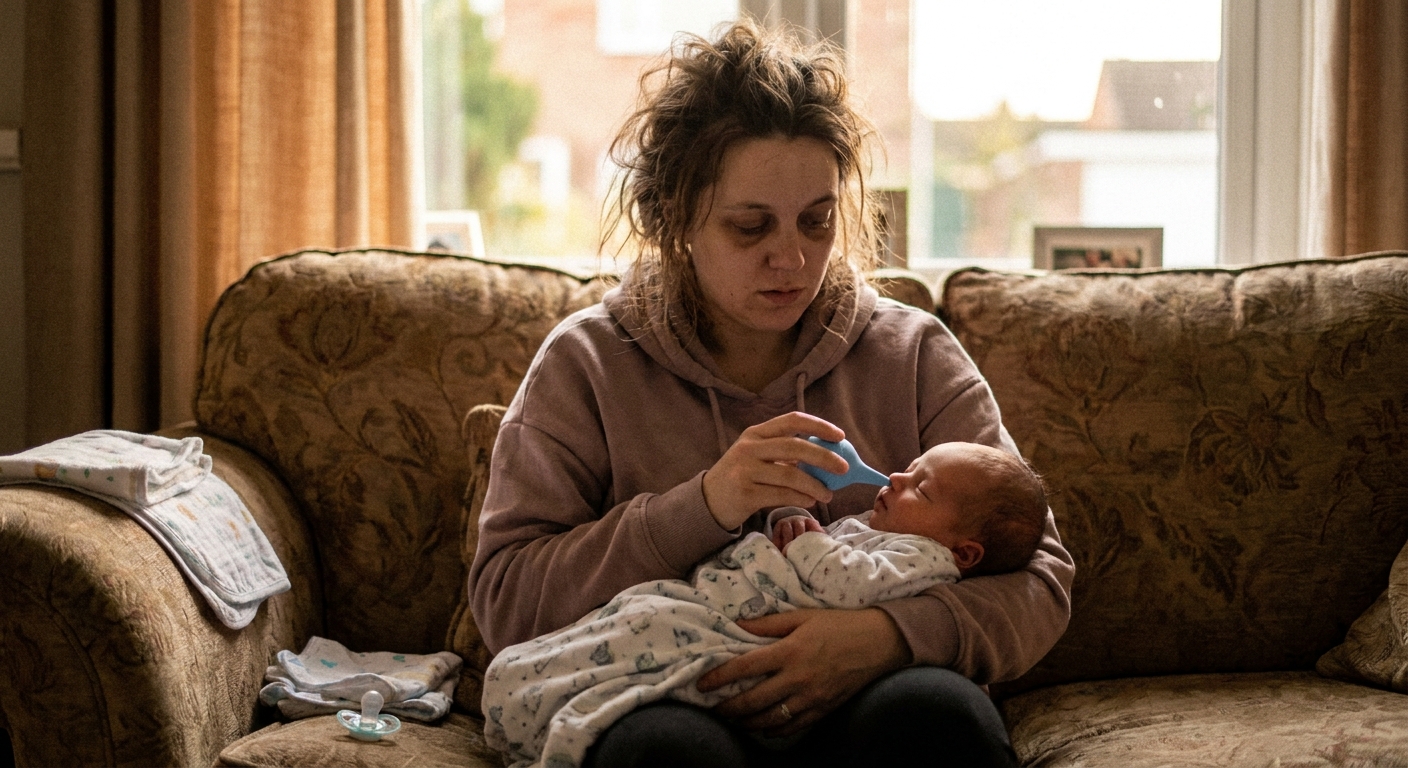
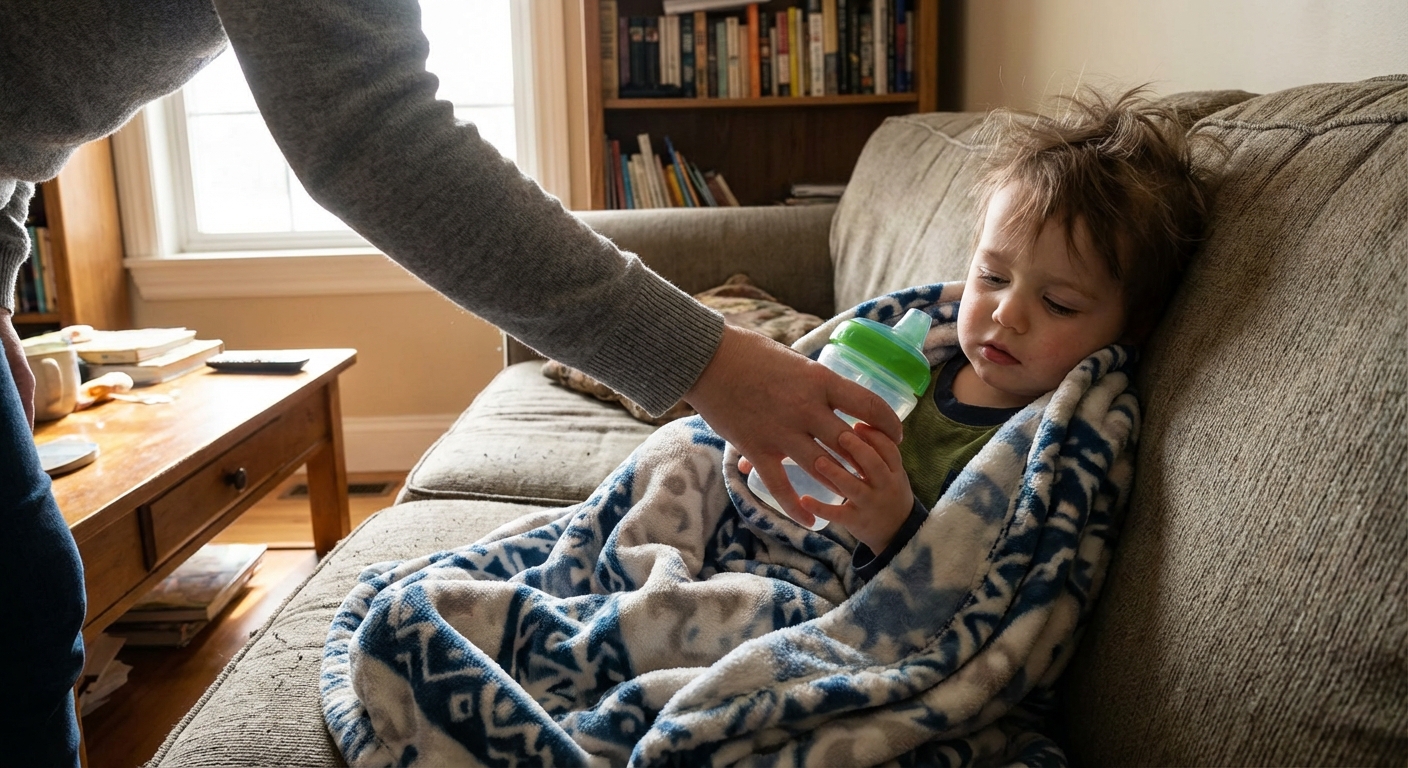
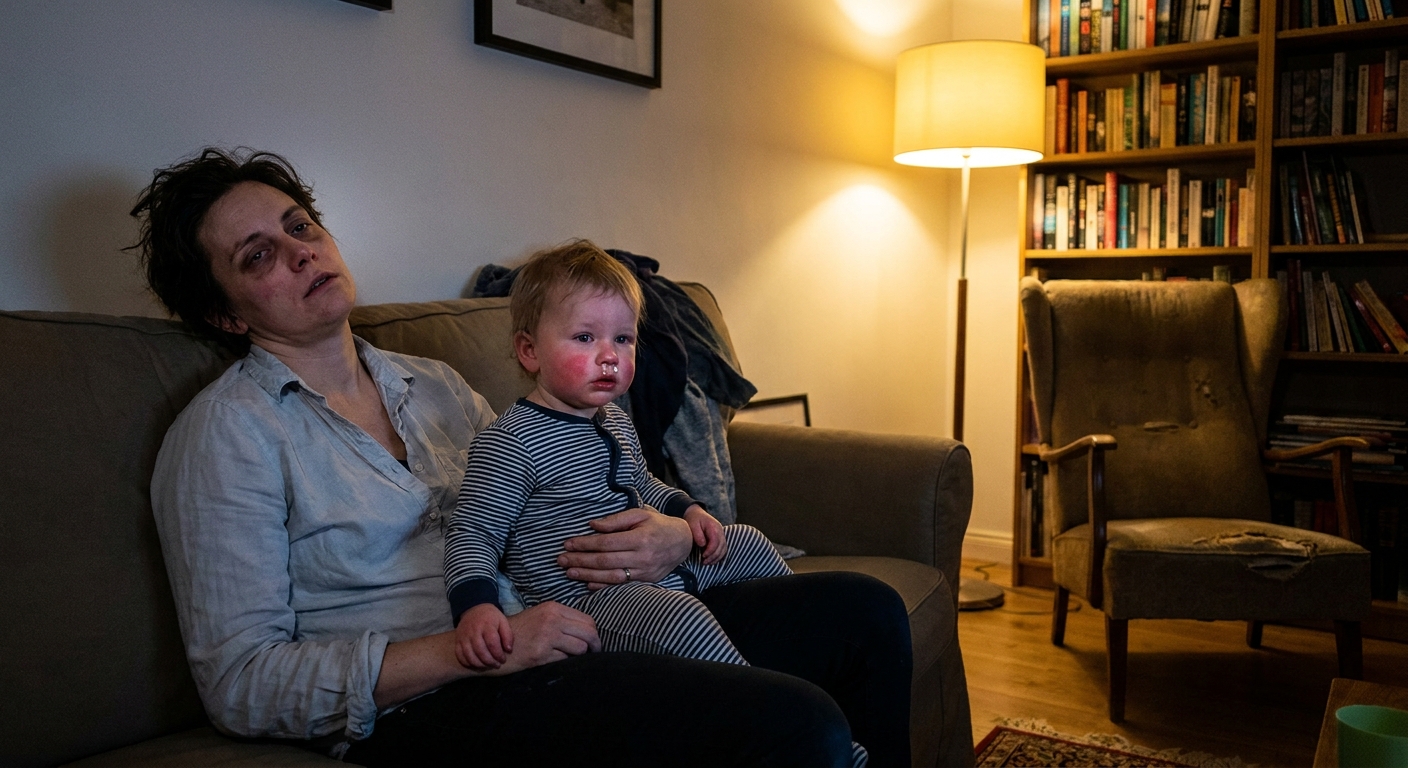
If you are reading this with a snuffly baby on your chest and a suspiciously quiet sibling in the next room, I see you. RSV (respiratory syncytial virus) is one of those childhood viruses that spreads fast, hits hard for some kids, and leaves parents with the same anxious question: How long is my baby contagious?
Let’s walk through the typical contagious window for babies and toddlers, what it means for siblings and daycare, and what “safe enough to go back” realistically looks like.
Quick answer: RSV contagious window
Most babies and toddlers with RSV can spread the virus for about 3 to 8 days. Spread is usually highest early in the illness, when symptoms are ramping up.
There is an important parent-life caveat:
- Some infants (especially very young babies) can shed RSV for 2 to 4 weeks.
- Kids with weakened immune systems can also shed the virus longer.
Shedding does not always mean they are equally contagious the whole time. In most cases, the highest spread risk is still earlier on, even if a baby’s cough lingers.
When is RSV most contagious?
RSV spreads through respiratory droplets and direct contact with mucus and saliva. In real-parent terms, it spreads through:
- Coughing and sneezing
- Sharing cups, utensils, pacifiers, and toys
- Hands that have wiped a nose and then touched everything else (very toddler behavior)
- Surfaces like doorknobs, crib rails, phones, and remote controls
Most contagious time: often highest in the first few days of illness (commonly days 1 to 5). Kids can also sometimes spread RSV 1 to 2 days before symptoms, because early RSV can look just like a regular cold.
RSV timeline: what parents usually see
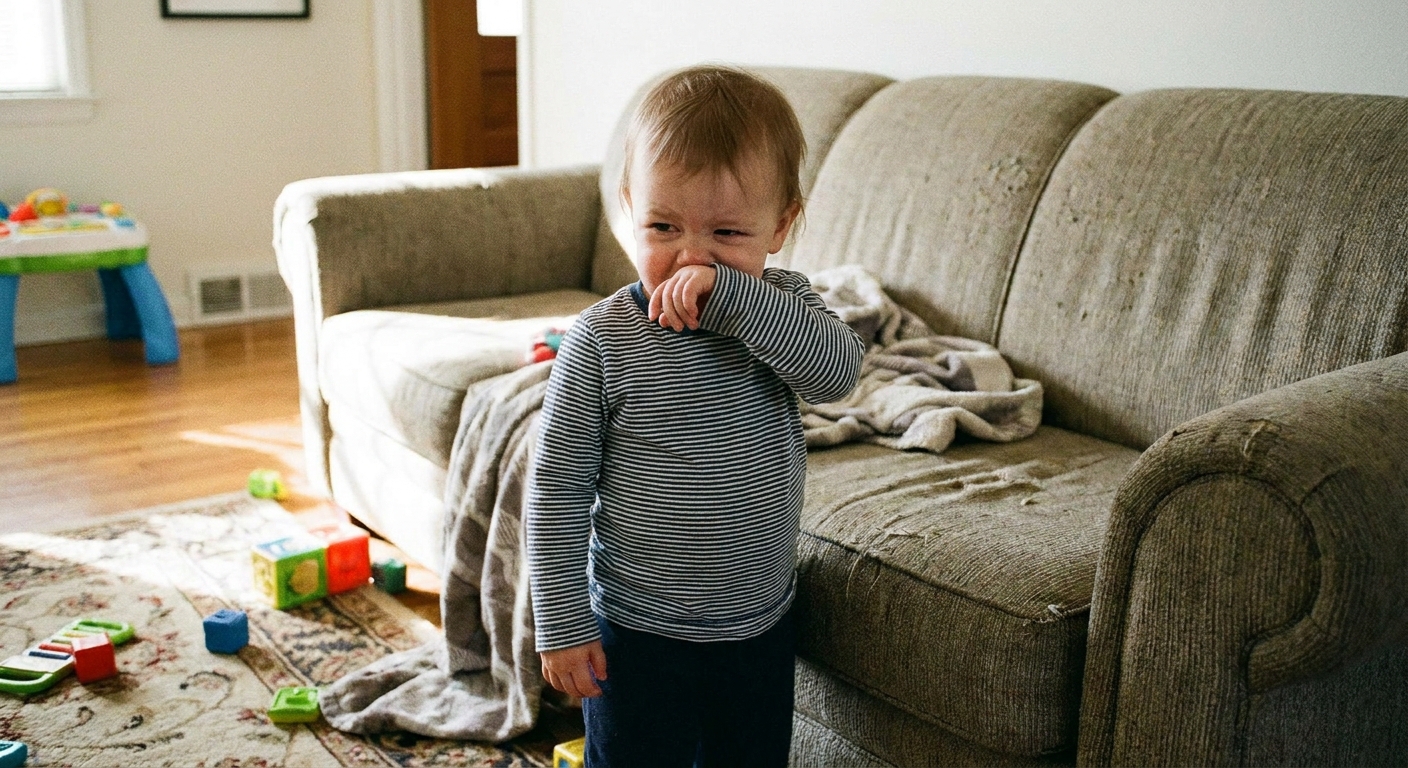
Every child is different, but this is a common pattern:
Days 1 to 3
- Runny nose, mild cough, decreased appetite
- Often still playing, just crankier
- Often quite contagious, even if symptoms seem mild
Days 3 to 5
- Cough often worsens
- Wheezing or fast breathing can show up, especially in babies
- This is a common window for bronchiolitis symptoms to become obvious (more on that below)
Days 6 to 10
- Many kids start to improve overall
- Cough can linger (sometimes 2 to 3 weeks)
Even if your child is “better,” they may still be shedding virus for a while, especially infants. Practically, contagiousness usually drops as symptoms improve, but you still want to be careful around newborns and high-risk family members.
When are siblings and daycare classmates most at risk?
If your baby has RSV, the highest-risk window for spreading it to others is usually:
- Possibly 1 to 2 days before symptoms (it can happen)
- Through the first several days of noticeable symptoms
In a family, siblings tend to get exposed early because you cannot realistically keep kids from sharing air, toys, and your attention. In daycare, exposure happens fast because RSV can persist for hours on hard surfaces, and toddlers are basically tiny, enthusiastic germ distributors.
Bottom line: if your child is actively coughing, has lots of runny nose secretions, or is drooling and mouthing toys, assume they can still spread it.
Home isolation basics that actually work
You do not need to turn your home into a hazmat zone. Focus on the highest-impact steps, especially if you have a newborn at home, a premature infant, or anyone with asthma or immune issues.
Practical ways to cut spread
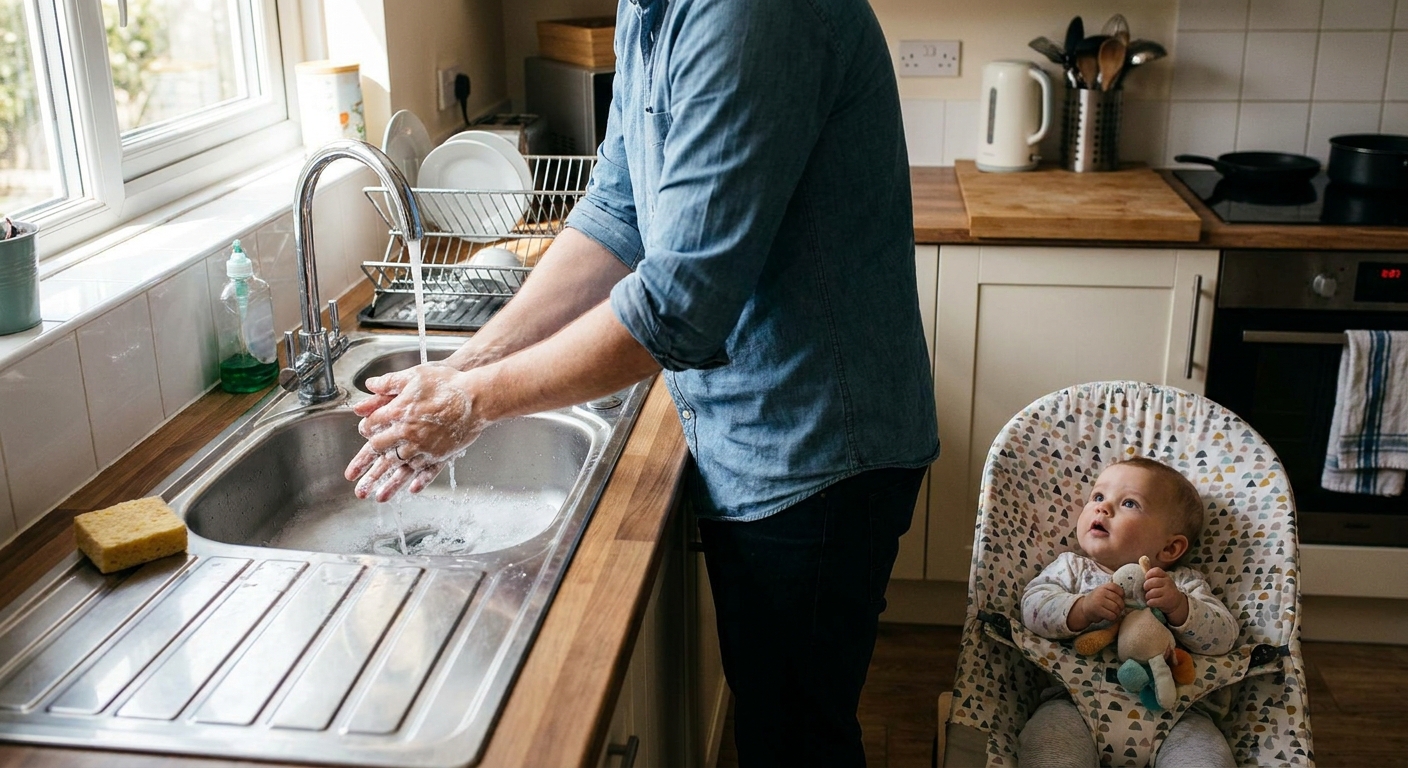
- Hand washing before and after feeding, wiping noses, and giving meds. Soap and water is great. Hand sanitizer is fine when you are busy.
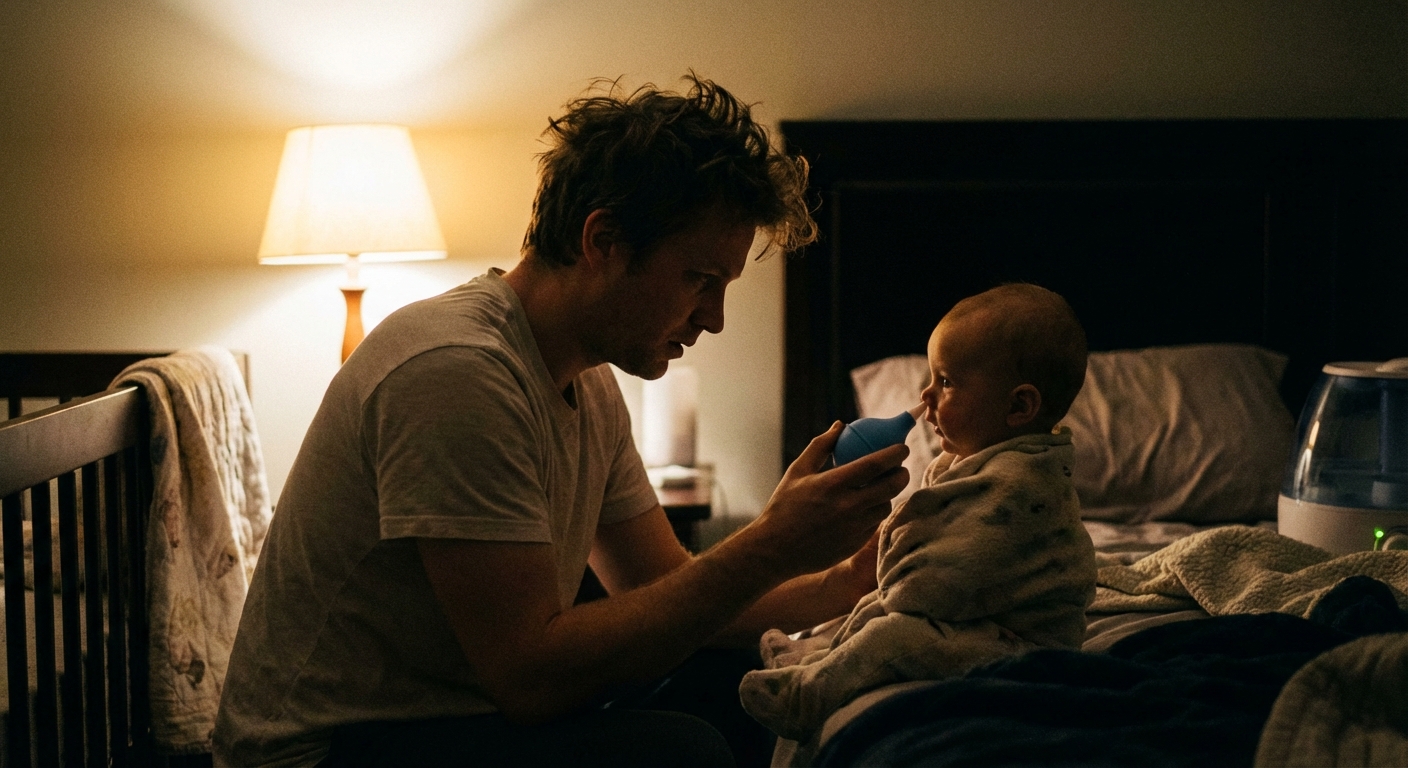
- Separate “baby sick supplies”: one set of burp cloths, a dedicated thermometer, and your nasal suction tools cleaned after each use.
- Do not share cups, utensils, toothbrushes, or pacifiers.
- Wipe high-touch surfaces at least daily and when visibly soiled: doorknobs, light switches, crib rails, remotes, phones. If you have a crawling baby and a sick toddler, it is okay to do this more than once a day.
- Ventilation helps: crack windows when weather allows, run a HEPA filter if you have one.
What about masks?
If an older sibling is sick and your baby is high risk, a well-fitting mask on the sibling when close to baby can reduce spread, if your child can tolerate it safely. In general, masking is most realistic for kids 2 and up who can wear it properly. Babies should not wear masks.
How long should my baby stay home from daycare?
This is where parents deserve a straight answer and a little grace. Daycares often have their own policies, but medically, we usually look at symptoms and stamina, not a perfect countdown of contagious days.
Return-to-childcare checklist
In general, it is reasonable to consider returning when:
- Fever is gone for 24 hours without fever-reducing medicine.
- Breathing is clearly improved: no struggling to breathe, no persistent chest retractions, and your child can feed or drink without getting winded.
- Cough and runny nose are manageable: not nonstop coughing or constant thick secretions that require frequent one-on-one care.
- Energy is back enough that they can participate in the day (even if they are not 100%).
- They do not need “extra care” beyond what the staff can reasonably provide while caring for the group.
Important: A lingering cough alone does not always mean a child must stay home. Many kids cough for weeks after RSV, but they are typically most contagious earlier on. Still, if your child is coughing so hard they vomit, cannot sleep, or cannot keep up with normal activities, they are not ready.
If your baby is under 6 months
I am extra cautious with very young babies. Even without a fever, a baby who is feeding less, breathing fast, or seems more sleepy than usual should be kept home and monitored closely, and may need a call to your pediatrician.
RSV prevention options
One thing that has changed recently is that we now have more ways to prevent severe RSV in babies. These do not change how long RSV is contagious if your child gets infected, but they can lower the risk of serious illness and hospitalization.
- Maternal RSV vaccine (Abrysvo): given during pregnancy in certain weeks of gestation, it helps protect newborns early in life.
- Infant monoclonal antibody (nirsevimab, Beyfortus): a preventive antibody shot for babies, especially during RSV season. It is not a vaccine, but it helps protect against severe disease.
Eligibility and timing depend on your baby’s age, the season, and supply and recommendations in your area, so ask your pediatrician or OB what applies to your family.
RSV vs bronchiolitis
You will often hear RSV and bronchiolitis used in the same breath, and it gets confusing fast at 3 AM.
- RSV is a virus.
- Bronchiolitis is a condition where the small airways in the lungs get inflamed and clogged with mucus, usually caused by a virus. RSV is the most common cause in babies.
So a baby can have RSV with mild cold symptoms, or RSV that progresses to bronchiolitis with wheezing, fast breathing, or increased work of breathing. Contagious timing is still based on the virus (RSV), not the word “bronchiolitis.”
When to call the pediatrician or seek urgent care
RSV can be managed at home for many children, but babies can worsen quickly. Call your child’s clinician or seek urgent evaluation if you notice:
- Working hard to breathe: ribs pulling in, nostrils flaring, head bobbing, grunting
- Breathing very fast or pauses in breathing
- Blue or gray lips or face
- Dehydration: significantly fewer wet diapers, very dry mouth, no tears when crying
- Baby cannot feed due to breathing difficulty
- Extreme sleepiness, limpness, or hard to wake
- Fever in a baby under 3 months (100.4°F or 38°C or higher)
If your gut is telling you something is off, trust it. Clinicians hear this all the time, and parents are very often right when they say, “This is different.”
Protecting a newborn or high-risk child
If you have a premature baby, a newborn, a child with chronic lung or heart disease, or an immune-compromised family member, be more strict during the contagious window:
- Limit close face-to-face contact with the sick child when possible
- Have the sick child sleep in their own space if feasible
- Assign one primary caregiver for the sick child and one for the high-risk child when you can
- Ask visitors to postpone
If your newborn or young infant is eligible for RSV prevention (like nirsevimab) or you are pregnant and considering the maternal RSV vaccine, it is worth asking about it, especially heading into RSV season.
And yes, it is okay to say, “We are laying low right now.” You do not owe anyone a playdate.
FAQ
Can my baby be contagious if they feel better?
Yes. Many babies can still shed RSV for days after symptoms improve. They are usually most contagious earlier on, but it is reasonable to keep up hand hygiene and avoid exposing high-risk people for at least a week from symptom start, and longer if your baby is very young.
How long is RSV contagious in toddlers?
Typically 3 to 8 days, sometimes longer. Toddlers can be little super-spreaders because they touch everything and have a hard time containing coughs and secretions.
Does a negative RSV test mean my child is not contagious?
Not necessarily. A negative test can happen depending on timing and the type of test. If your child has classic symptoms, treat them like they might still be contagious and follow your childcare and pediatrician guidance.
Do antibiotics treat RSV?
No. RSV is a virus, so antibiotics do not treat it. Antibiotics are only used if a clinician suspects a bacterial infection (like an ear infection) on top of RSV.
The takeaway
For most babies and toddlers, RSV is contagious for about 3 to 8 days, with the highest spread risk early on. Some infants can shed virus for 2 to 4 weeks, which is one reason RSV can feel like it lingers in a household.
When deciding about daycare, focus on fever-free for 24 hours, improving breathing, and whether your child can comfortably make it through the day without needing extra one-on-one care. And if you are staring at your baby’s belly rising and falling, counting breaths, you are not overreacting. That is parenting.
Sarah Mitchell
Sarah Mitchell is a Registered Pediatric Nurse and a mother of three who has spent over a decade helping families navigate the beautiful, chaotic early years of childhood. She combines evidence-based medical knowledge with real-world parenting experience to offer practical, compassionate advice. At Awesome Parent, Sarah's mission is to help exhausted parents find solutions, trust their instincts, and finally get some sleep.