Bites noticed after sleep, showing up in clusters, and returning in crops? Here’s how to recognize bed bug bites, calm the itch, prevent infection, and tak...
Bed Bug Bites vs Scabies in Kids: How to Tell the Difference

Sarah Mitchell
Sarah Mitchell is a Registered Pediatric Nurse and a mother of three who has spent over a decade helping families navigate the beautiful, chaotic early years of childhood. She combines evidence-based medical knowledge with real-world parenting experience to offer practical, compassionate advice. At Awesome Parent, Sarah's mission is to help exhausted parents find solutions, trust their instincts, and finally get some sleep.
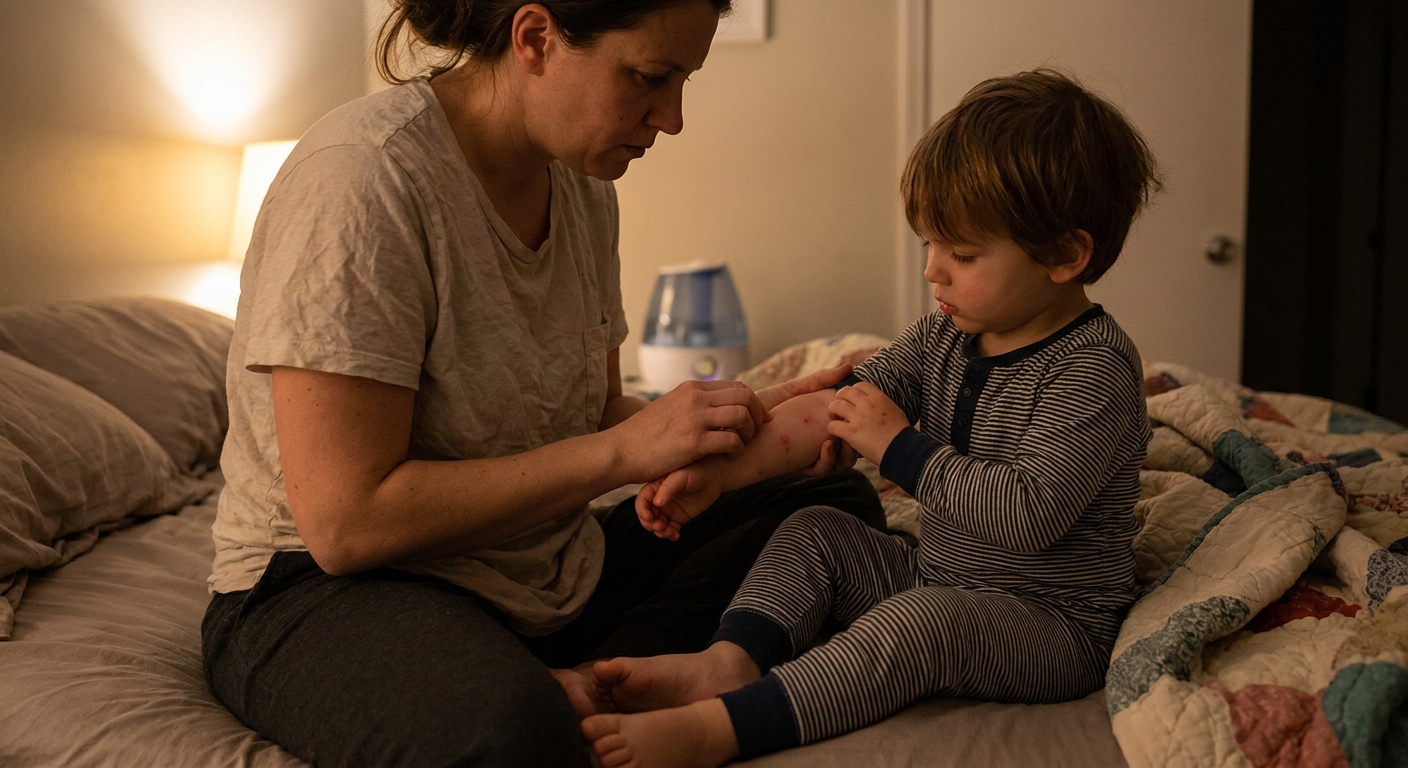
It is 2:47 AM, your child is scratching like they have a full-time job, and you are staring at a cluster of bumps trying to solve a mystery with exactly zero sleep. I have been there as a pediatric nurse and as a mom.
Bed bug bites and scabies can look surprisingly similar at first glance, but they behave differently. The faster you can narrow it down, the faster you can treat it and stop the spread. And yes, these rashes can be misdiagnosed because the “fix” for bed bugs (environment) is totally different from the “fix” for scabies (medicine for the whole household).
One more thing before we dive in: bed bugs and scabies are not the only possibilities. Mosquito or flea bites, eczema, contact dermatitis, and even impetigo can look similar. If the pattern is not adding up, it is worth looping in your child’s clinician.
Quick take
- Location pattern: Bed bug bites often show up on exposed skin (face, neck, arms, hands). Scabies prefers skin folds and “hidden” spots (between fingers, wrists, armpits, waistline, groin, buttocks).
- Timing of itch: Both can itch more at night, but scabies is famously intensely itchy at night and tends to persist and worsen over days to weeks.
- Household spread: Scabies commonly spreads to close contacts through prolonged skin-to-skin contact, so multiple family members often itch. Bed bugs can bite multiple people too, but it often depends on who sleeps where and who reacts to bites.
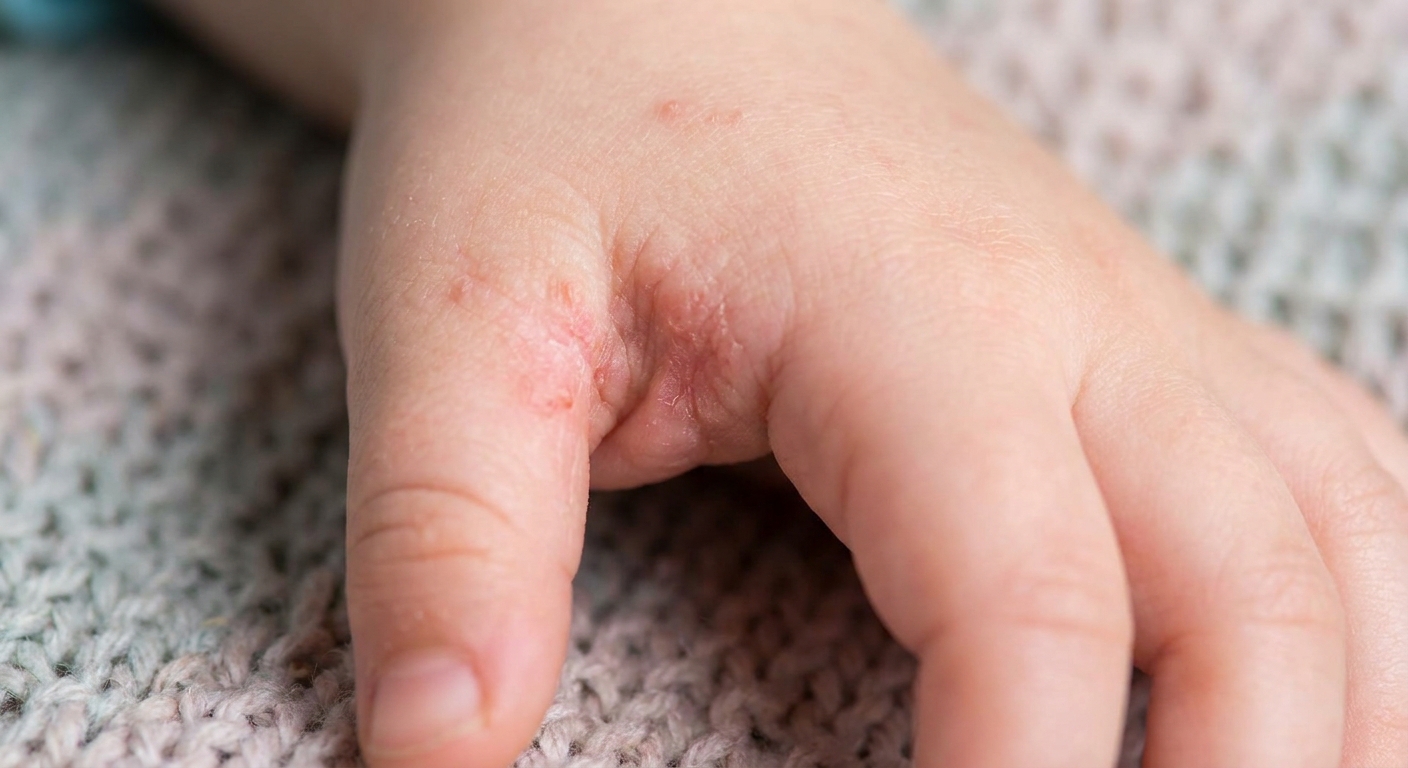
- Close-up look: Scabies can cause tiny burrows (thin, wavy lines) in classic areas. Bed bug bites are usually itchy welts without burrows.
Bed bug bites on kids
Bed bugs are small insects that feed on blood, usually at night. The bites are a skin reaction to the bug’s saliva. Some kids barely react, while others get very itchy, swollen welts.
Common patterns
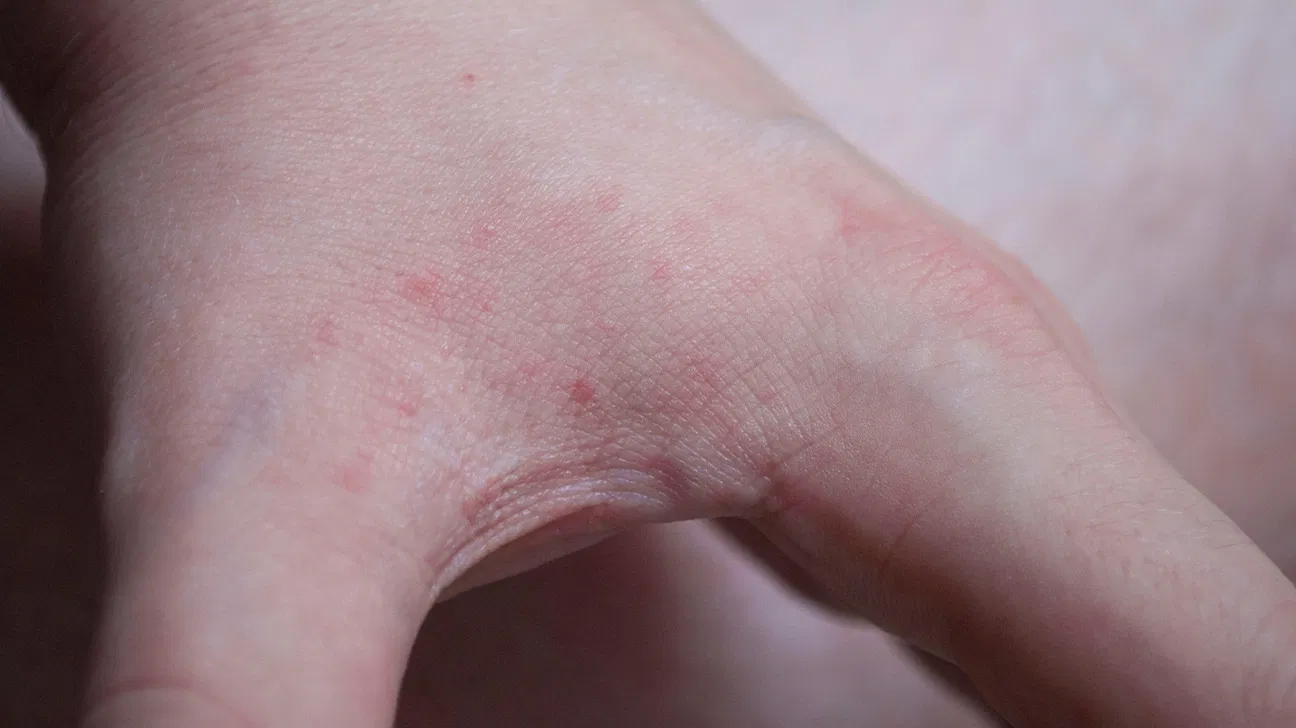
- Clusters or lines of bites. People often describe a “breakfast, lunch, dinner” pattern, but it is not reliable and it is not diagnostic.
- Exposed skin during sleep: face, neck, arms, hands, lower legs.
- Bites can also show up near loose clothing edges (like pajama cuffs or waistbands) if skin is accessible.
- Often new bumps appear after sleep in the same bed or room.
- Each bump may have a tiny puncture point in the center.
Itch timing
Many kids itch most at night (warm sheets plus less distraction), but the itch can also flare during the day. Bites can take hours to a couple of days to fully show, so it is possible to see “new” spots even when you did not notice a bite happening.
What parents notice at home
- Bites are worse after sleep, naps, or travel.
- One child might be covered while another has none. Sensitivity varies a lot.
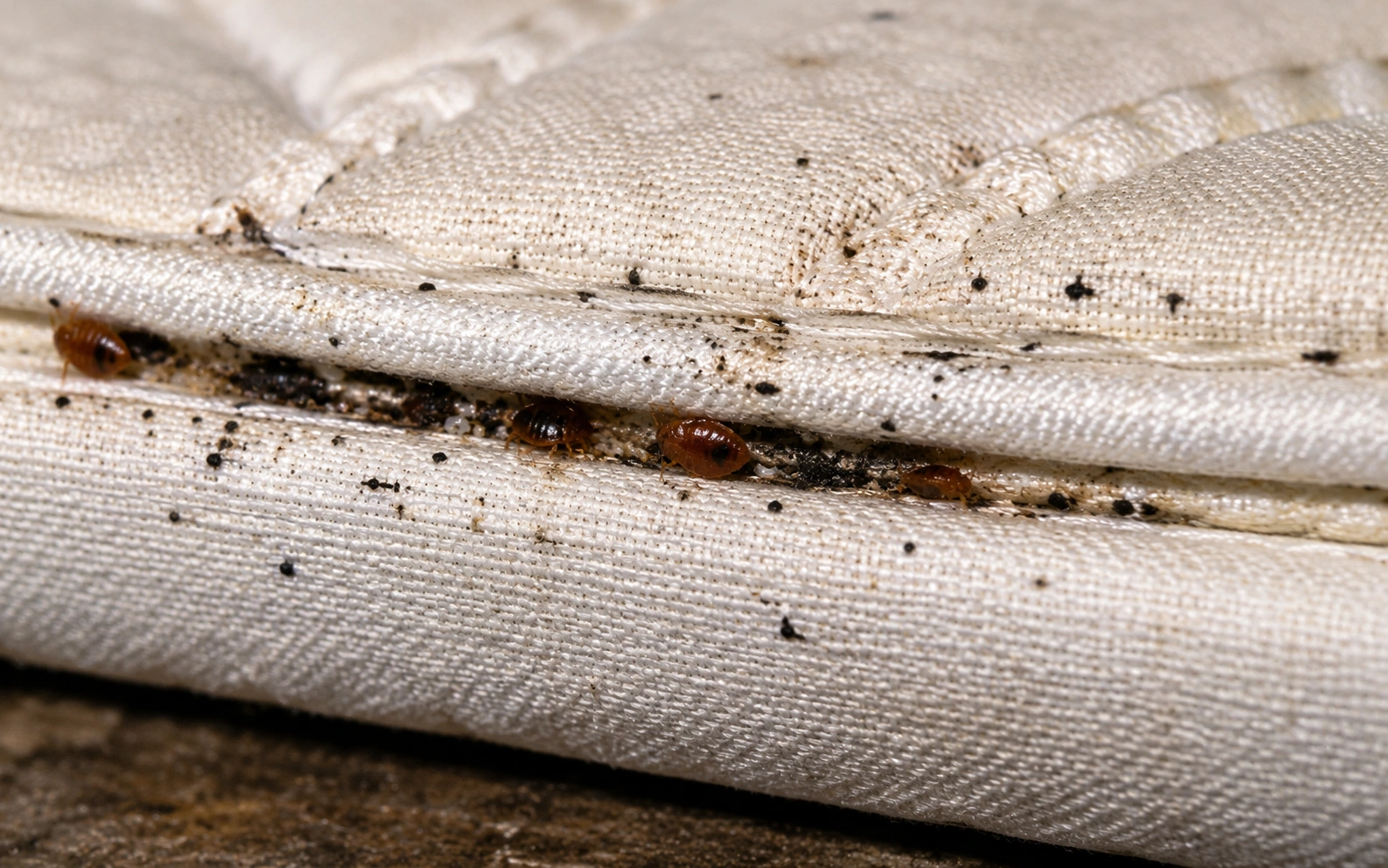
- You might spot tiny rust-colored dots (blood specks), dark fecal spots, or shed skins on mattress seams.
Scabies on kids
Scabies is caused by a microscopic mite that burrows into the skin. It is not a hygiene issue. You can be the cleanest family on the block and still end up with scabies.
Common patterns
- Intense itching, especially at night.
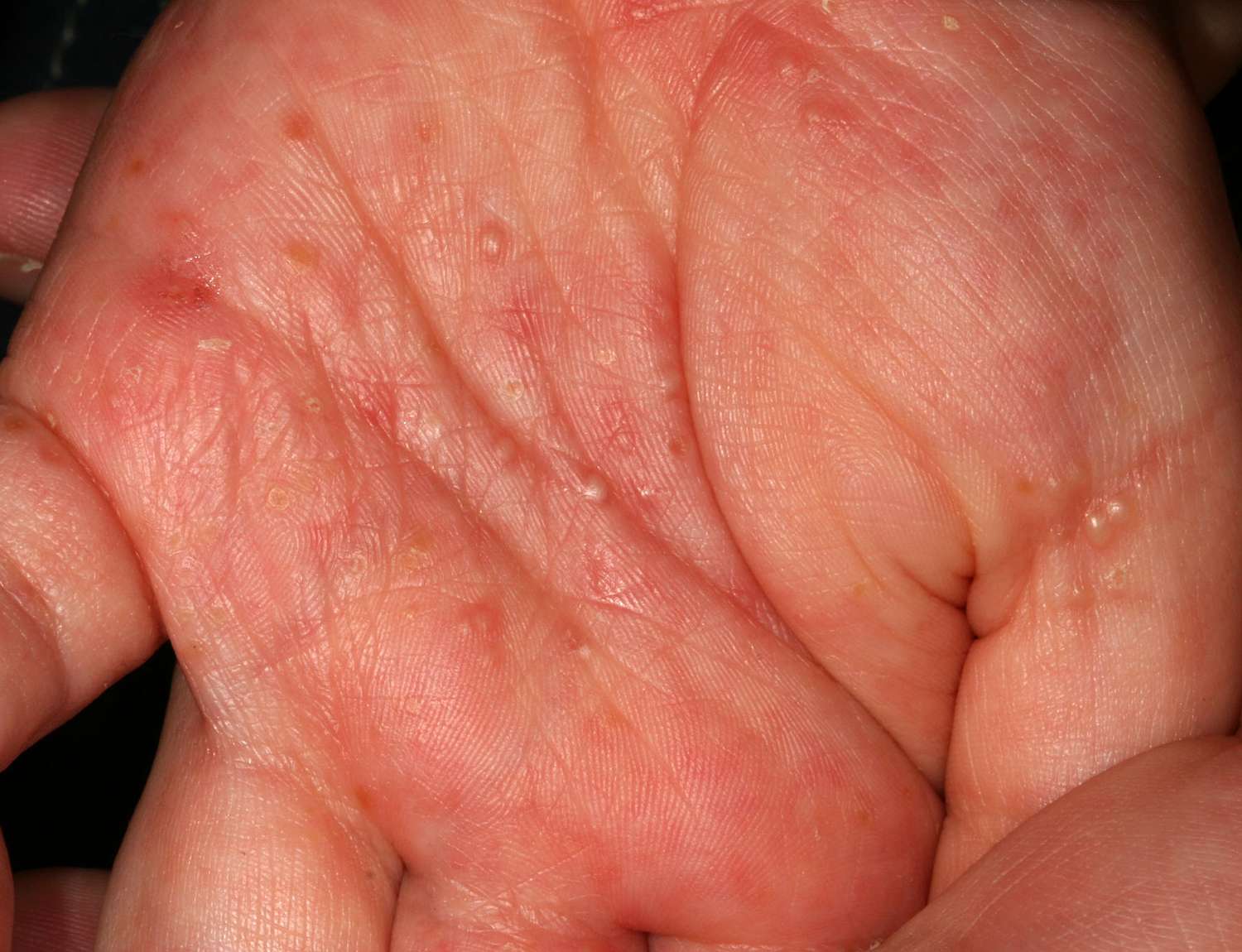
- Small red bumps that can look like pimples, hives, or tiny blisters.
- Common locations in children and older kids: between fingers, wrists, elbows, armpits, around the waistline, buttocks, groin, ankles, and feet.
- In babies and toddlers, scabies can involve the head, neck, palms, and soles more often than it does in adults.
- Scabies can also look more widespread if there is a lot of scratching, secondary eczema, or irritation from treatment. That does not automatically mean it is a different diagnosis, but it can make the rash harder to “read.”
Close-up clue: burrows
The classic clue is a burrow: a thin, slightly raised line that may look wavy or thread-like. They are not always easy to see, especially on squirmy kids or darker skin tones. But if you spot them in the right locations, scabies moves higher on the list.
Household spread is a big hint
Scabies spreads through prolonged skin-to-skin contact and sometimes through shared bedding or clothing. Often, multiple people in the home are itchy, even if the rash looks different from person to person.
Bed bugs vs scabies
| Clue | More like bed bugs | More like scabies |
|---|---|---|
| Where it shows up | Exposed skin during sleep: face, neck, arms, hands, legs | Skin folds and classic sites: finger webs, wrists, armpits, waistline, groin, buttocks; infants can have palms, soles, head, neck |
| Pattern | Clusters or rows can happen, but patterns are not diagnostic | Scattered bumps with possible burrows; can look patchy from scratching and irritation |
| Itch timing | Often itchy, may be worse after sleep | Often very itchy at night and tends to intensify over time |
| How it spreads at home | Depends on sleeping arrangements and where bugs are; visitors may get bitten too | Close contacts frequently develop itching; outbreaks in households, daycare, teams |
| What you might find at home | Mattress seam spots, shed skins, bugs hiding in cracks | No true home “infestation” signs like bed bugs. Focus on recently used bedding, towels, and clothing because mites can survive off the body briefly. |
| Close-up skin clue | Welts with possible central punctum; no burrows | Possible thin wavy burrows, especially on hands and wrists |
Mobile-friendly version
- If it is mostly exposed skin plus sleep-location clues: more consistent with bed bugs.
- If it is finger webs, wrists, folds plus intense night itch: more consistent with scabies.
- If multiple close contacts are itchy: scabies moves up the list.
- If you are finding mattress seam spotting or shed skins: bed bugs move up the list.
How doctors confirm
Scabies
Clinicians usually diagnose scabies based on symptoms and the pattern of rash. Sometimes they use a dermatoscope to look for burrows or do a skin scraping to look for mites, eggs, or fecal pellets under a microscope.
Bed bugs
There is no skin test for bed bugs. Confirmation usually comes from finding evidence in the sleeping area (live bugs, spotting, shed skins). Some families use bed leg interceptors to help detect activity, and pest control can help with identification.
Next steps for bed bugs
1) Calm the itch
- Cool compresses can calm itching and swelling.
- A thin layer of 1% hydrocortisone can help many kids with inflammation. Avoid on broken skin and follow label directions. For infants, or if the rash is widespread, check with your pediatrician first.
- An age-appropriate oral antihistamine may help sleep if itching is keeping your child awake. Ask your pharmacist or pediatrician about what is appropriate for your child’s age and weight.
- Keep nails short. If scratching is intense, consider socks or soft mittens at night for little ones.
2) Check the sleeping area
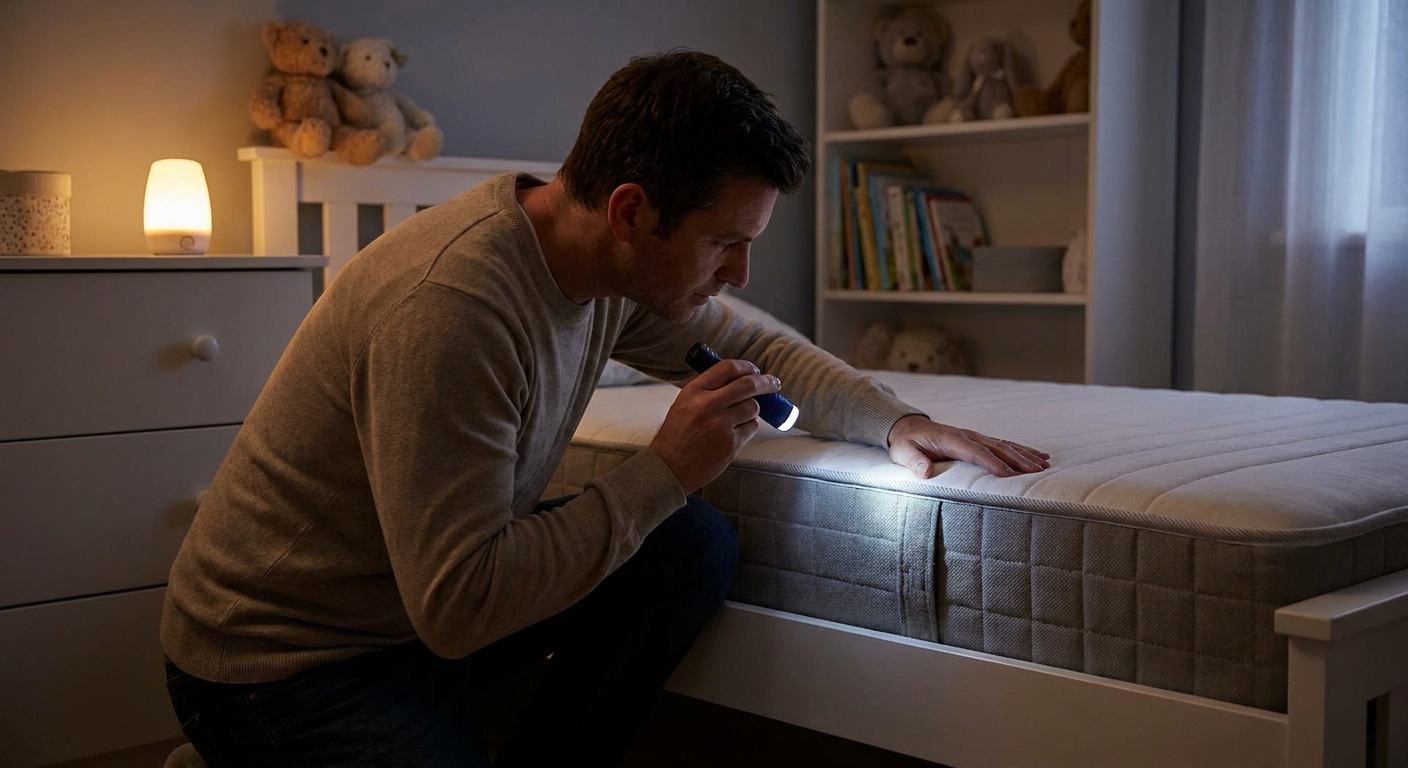
- Inspect mattress seams, bed frame cracks, headboard, and nearby baseboards.
- Look for small dark spots, shed skins, or the bugs themselves (they are excellent hiders).
3) Reduce exposure
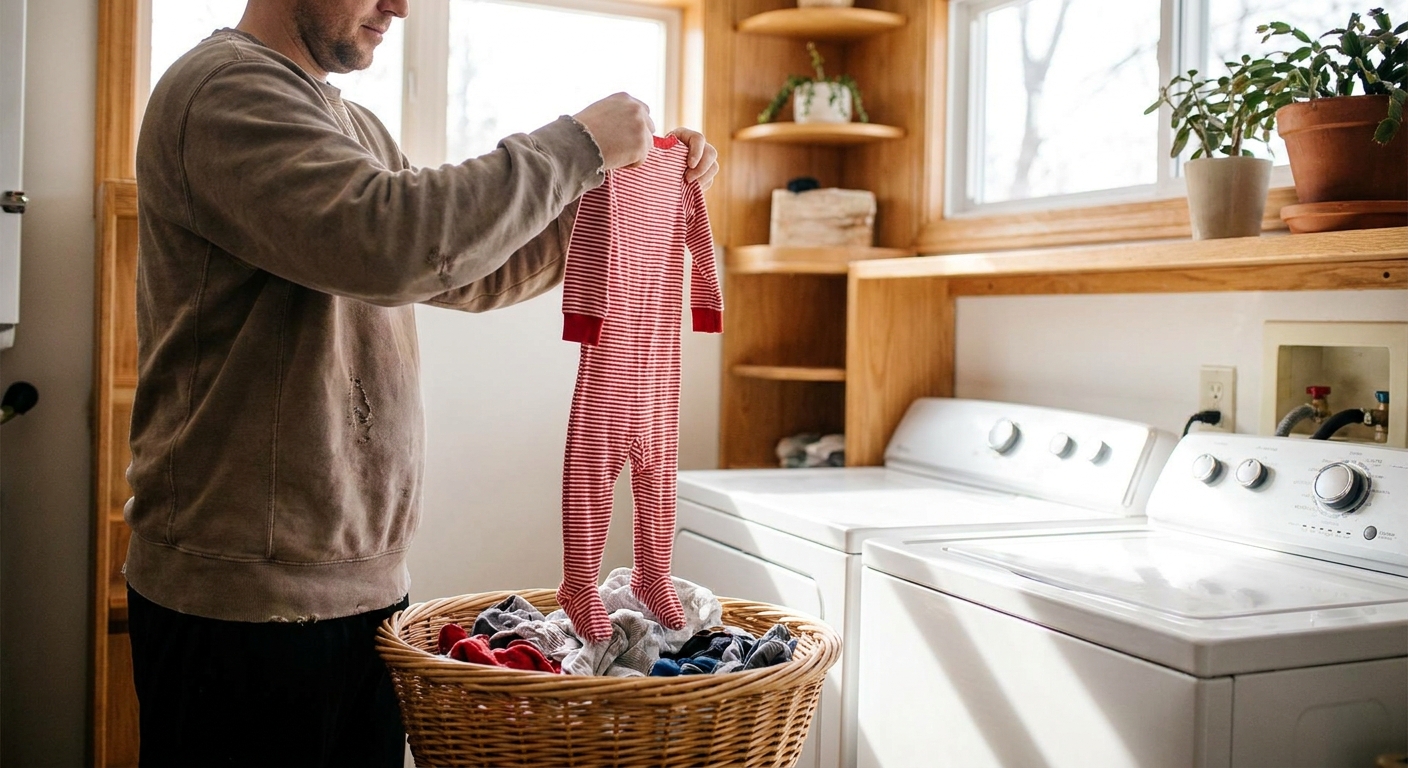
- Wash bedding and pajamas in hot water and dry on high heat if fabrics allow.
- Bag items that cannot be washed and follow local guidance for heat treatment time frames.
- Consider professional pest control. Over-the-counter sprays can be ineffective and can add unnecessary chemical exposure around kids.
Important: Treating the skin without addressing the environment often means the bites keep coming. That can look like the rash is spreading, when it is actually new bites.
Next steps for scabies
1) Call your child’s doctor
Scabies needs prescription treatment in most cases. In the US, over-the-counter scabies treatments are not standard. The most common first-line medication is a topical prescription cream or lotion. Your pediatrician will guide you on the safest option and schedule, especially for babies and young toddlers.
2) Treat close contacts together
This is the step that gets missed and leads to the endless “why are we still itchy?” cycle. Many clinicians recommend treating everyone in the household and other close, prolonged contacts even if they are not showing symptoms yet. Follow your pediatrician’s instructions.
3) Clean the basics
- Wash recently used bedding, clothing, and towels in hot water and dry on high heat if possible.
- Items that cannot be washed can be sealed in a bag. A common recommendation is 3 to 7 days, but follow your clinician’s guidance because advice can vary by situation.
- You do not need extreme whole-house measures like you would with bed bugs. Focus on fabrics and close-contact items used in the last few days.
4) Expect lingering itch
Even after successful treatment, itching and bumps can last 2 to 4 weeks as the skin calms down. This does not always mean treatment failed. It can mean the immune reaction is still settling. Your child’s doctor can help you tell the difference.
School and daycare
- Scabies: Many schools and daycares allow return after the first appropriate treatment has been started. Confirm your local policy and your clinician’s advice.
- Bed bugs: Bed bugs are not spread person-to-person the way scabies is. They can travel on belongings, so notify the school if needed and focus on checking and treating the sleeping environment at home.
When to call urgently
Most rashes and bites are uncomfortable but not dangerous. Still, call for medical help quickly if you notice any of the following:
- Signs of skin infection from scratching: increasing redness, warmth, swelling, pain, pus, or honey-colored crusting.
- Fever along with a rapidly worsening rash.
- Rash near the eyes, or significant swelling around the eyes.
- Your child is an infant under 3 months with a widespread rash or significant irritability.
- Any breathing trouble, facial swelling, or hives spreading quickly (call emergency services).
- Your child has a weakened immune system or significant chronic skin conditions and develops a new widespread itchy rash.
Special note: If someone is immunocompromised and develops a severe, widespread, crusted, or scaly rash, ask about crusted scabies. It is uncommon, but it needs urgent medical attention and a different treatment approach.
Why the wrong guess drags on
Bed bugs and scabies fail in opposite ways when treated incorrectly:
- If scabies is mistaken for bed bugs: you might deep-clean the house for weeks while the mites keep spreading through close contact. Meanwhile, your child (and you) keep itching and sleeping poorly.
- If bed bugs are mistaken for scabies: a child may receive unnecessary medication and the family may treat everyone, but the bites continue because the bugs are still in the sleeping environment.
The good news: once you match the right treatment to the right cause, most families get relief quickly. The not-so-fun news: the longer you wait, the more likely it is that more people get involved, more skin gets irritated, and everyone gets crankier. Including the grown-ups.
FAQ
Can bed bug bites look like scabies?
Yes. Both can cause itchy red bumps, and both can feel worse at night. The best clues are where the rash appears (exposed skin vs skin folds), whether there are burrows, and whether multiple close contacts are itching in a scabies pattern.
Can you see scabies mites?
Not with the naked eye in most home situations. Diagnosis is usually based on the pattern of rash and symptoms, and sometimes a clinician will do a skin scraping or dermatoscope exam.
If only one child is itchy, does that rule out scabies?
Not completely. Early on, one child may show symptoms first. But in many households, others develop itching over time, especially with frequent close contact.
Do bed bugs live on the body like lice?
No. Bed bugs hide in the environment and come out to feed. That is why environmental control is the key.
Nurse-mom bottom line
If the bumps are mostly on exposed skin and seem connected to sleep locations, think bed bugs and inspect the environment. If the itch is intense at night, shows up in finger webs and skin folds, and multiple family members are itchy, think scabies and call your pediatrician so the whole household can be treated appropriately.
And if you are not sure, you are not failing. This is genuinely tricky. A quick visit or telehealth check with your child’s clinician can save you weeks of stress and a whole lot of laundry.
Sarah Mitchell
Sarah Mitchell is a Registered Pediatric Nurse and a mother of three who has spent over a decade helping families navigate the beautiful, chaotic early years of childhood. She combines evidence-based medical knowledge with real-world parenting experience to offer practical, compassionate advice. At Awesome Parent, Sarah's mission is to help exhausted parents find solutions, trust their instincts, and finally get some sleep.