A calm, evidence-based guide to AAP safe sleep (2022): back to sleep, firm flat surface, empty crib, room-sharing, swaddling safety (avoid weighted products)...
How to Put a Crying Baby Down Safely When Soothing Isn’t Working

Sarah Mitchell
Sarah Mitchell is a Registered Pediatric Nurse and a mother of three who has spent over a decade helping families navigate the beautiful, chaotic early years of childhood. She combines evidence-based medical knowledge with real-world parenting experience to offer practical, compassionate advice. At Awesome Parent, Sarah's mission is to help exhausted parents find solutions, trust their instincts, and finally get some sleep.
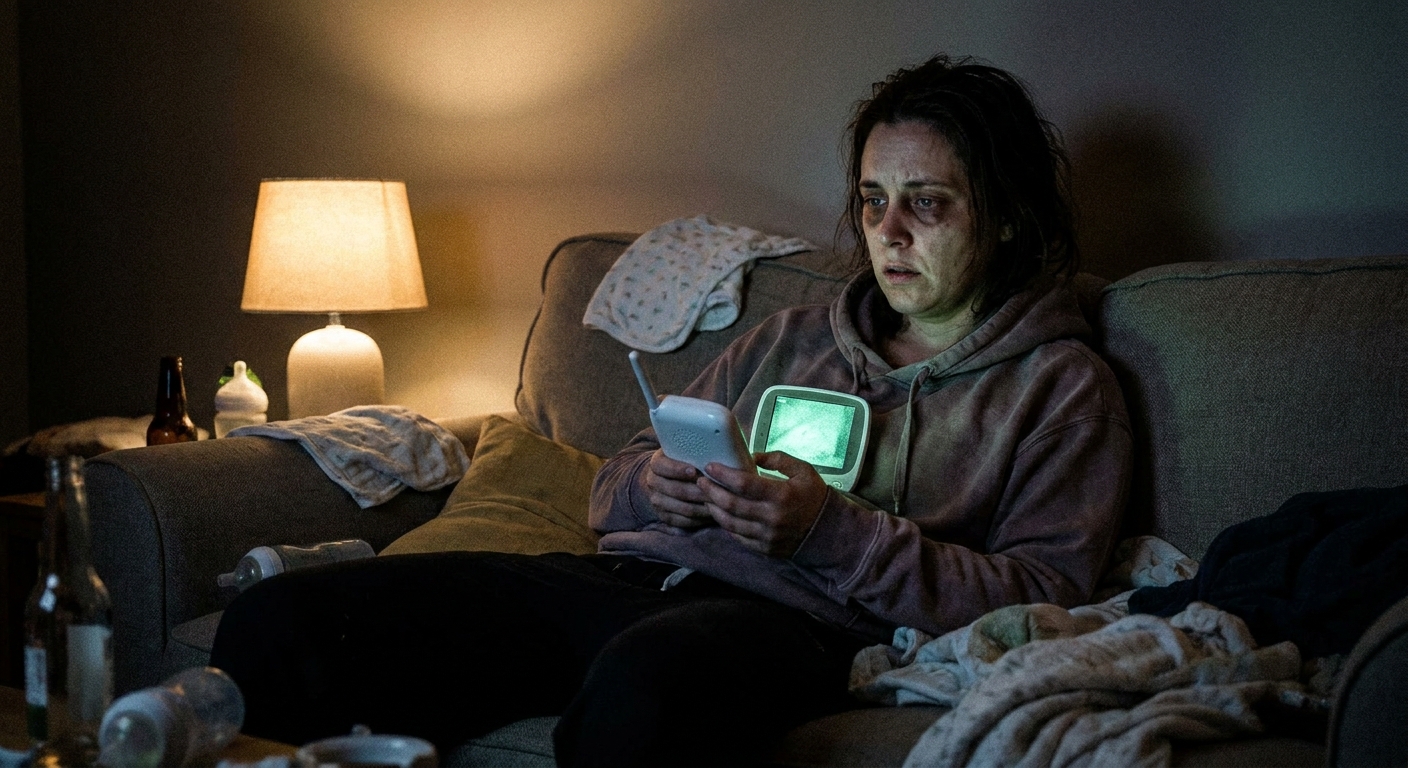
I have been the calm triage nurse on the phone, and I have also been the parent in my own hallway at 2 a.m. bouncing a baby who was simply not interested in my best efforts. When soothing is not working and your stress is climbing fast, the goal shifts. It is not “fix the crying.” It is keep baby safe and keep you safe until you can reset.
This is the safety plan I want every exhausted parent to have ready for the moment your body starts screaming, “I cannot do this one more second.” You can. But you do not have to do it while holding a baby.

The 60-second safety reset
If you are feeling flooded, angry, shaky, panicky, or like you might do something you would never normally do, treat that as a serious safety warning sign. The safest move is simple and immediate.
Step 1: Put baby down on their back in a safe sleep space
- Place baby flat on their back in a crib, bassinet, or play yard with a firm mattress and a fitted sheet.
- Nothing else goes in there. No pillows, loose blankets, positioners, stuffed animals, or loungers.
- If baby shifts to the side while you set them down, gently reposition them on their back. If your baby is old enough to roll both ways on their own, place them on their back to start, and then let them settle in the position they choose.
- If you were about to fall asleep holding baby, this step is especially important.
It is okay if they cry there. A crying baby in a safe sleep space is safer than a baby in the arms of an overwhelmed adult.
Step 2: Walk away for a short break
Leave the room. Close the door if it helps you mentally separate. Set a timer for 5 to 10 minutes. You can still listen for your baby, but you do not have to be in the same room while your nervous system is on fire.
Take slow breaths, splash cold water on your face, eat something quick, put in earplugs or noise-reducing headphones (baby safely in the crib first), or sit with your back against a wall and let your body come down a notch.
You are not “abandoning” your baby. You are preventing an accident. A short, timed break is unlikely to harm your baby, and it can prevent unsafe handling. Shaking, dropping, or falling asleep on a couch with baby can.
Step 3: Come back and reassess with fresh eyes
When the timer goes off, return and run the basics quickly, without spiraling:
- Is baby breathing comfortably and moving normally?
- Do they feel hot, or do you need to check a temperature?
- Are they due for a feed, or showing hunger cues?
- Is the diaper extremely wet or soiled?
- Are they too hot or too cold based on the room and their clothing?
- Is anything obviously hurting (hair wrapped on toe, tight clothing, pinching zipper)?
If you still cannot soothe them, repeat the safe-put-down break cycle. You are allowed to do that as many times as you need.
What “safe” means right now
In crisis moments, we are all tempted to improvise. Here is what I want you to remember when your brain is tired.
Safe place: crib, bassinet, or play yard
These are built for infant safety. If you have one, use it.
Not safe when you are overwhelmed
- Couches, recliners, or armchairs (high suffocation risk if you doze off, even briefly)
- Adult beds when you are exhausted or alone, especially with pillows and comforters nearby
- Car seats, swings, bouncers, or loungers for an unsupervised “I need a break” moment. Car seats are for travel. Sleeping in sitting devices outside the car, or in a seat not installed as directed, raises the risk of airway slumping and positional asphyxia.
- Holding baby while you are standing and feeling dizzy, enraged, or close to losing control
If you do not have a crib or bassinet accessible right now, a play yard is a great backup. If you are away from home, ask a trusted adult to bring you a safe sleep space or help you get to one.

If you feel overwhelmed: who to call
When parents tell me, “I’m afraid of what I might do,” I take that seriously every single time. You deserve immediate support.
Call someone who can come help
- Your partner or co-parent
- A friend or neighbor you trust
- A nearby family member
Be specific: “I need you to come over for 30 minutes so I can reset. The baby is safe in the crib, but I’m not okay.”
Call your pediatrician’s office or nurse line
If your baby is crying in a way that feels unusual, or you are worried something medical is going on, call your pediatrician for guidance. Many practices have after-hours triage.
If you think you might hurt your baby, get emergency help
If you feel out of control, you are having thoughts of harming your baby or yourself, or you cannot calm down enough to safely care for baby, call 911 (or your local emergency number) or go to the nearest emergency department.
If you are in the United States and prefer a crisis line, you can call or text 988 (Suicide and Crisis Lifeline). You do not have to be suicidal to use it. It is also for being overwhelmed, panicked, or not feeling safe.
Also, if rage, panic, intrusive thoughts, or the feeling of being out of control is happening often, reach out to your OB, midwife, primary care clinician, or a postpartum mental health provider. Postpartum anxiety and depression are common and treatable, and you deserve care.
As a nurse and a mom, I will say this plainly: getting help in that moment is a sign of a safe parent, not a bad one.
Crying that needs medical care
Most crying is normal, even intense crying. But some crying is your baby’s way of saying “something hurts” or “something is wrong.” If any of the following are present, contact your pediatrician right away or seek urgent care based on your baby’s age and symptoms.
- Fever. In babies under 3 months, a rectal temperature of 100.4°F (38°C) or higher is urgent. Follow your pediatrician’s instructions for where to go and how quickly.
- Weak cry, unusual sleepiness, floppy tone, or hard-to-wake behavior
- Breathing trouble: fast breathing, pulling in at the ribs, grunting, blue or gray lips or face
- Vomiting that is forceful, repeated, or vomit that is green, bloody, or looks like coffee grounds
- Signs of dehydration: very dry mouth, markedly fewer wet diapers than usual, sunken soft spot, and no tears in older babies who normally make tears
- Blood in stool or black, tarry stool
- A swollen belly or baby seems in pain when you touch their abdomen
- New rash plus fever, or a purple bruise-like rash
- High-pitched, piercing cry that is different from your baby’s normal cry and does not stop
- Sudden nonstop crying for hours that feels out of character, especially if your baby cannot be consoled at all
- Possible injury: a fall, being dropped, or anything that could have hurt baby, even if they “seem fine”
- You suspect pain in one specific place: baby screams when you touch or move one arm or leg, or they suddenly will not move a limb normally
If your gut says, “This is not my baby’s normal,” trust that. Call.
A quick body check
When you come back from your 5 to 10 minute break, a fast head-to-toe check can catch common “hidden” causes of distress.
- Fingers, toes, and diaper area: Look for hair wrapped tightly around a toe, finger, or penis. It can happen and it can hurt.
- Skin: Check for a new rash, hives, or swelling.
- Mouth: Any obvious sores or white patches that look painful?
- Belly: Is it getting very tight and distended?
- Temperature: Feel the chest or back. If they seem hot, check a temperature if you can do so safely and quickly.
- Clothing and swaddles: Anything too tight around hips or chest? Any scratchy tag?
If you find something that concerns you, call your pediatrician for next steps.

What not to do
These are the mistakes I see most often in the clinic and the ones parents confess to with tears. No shame, just clarity.
- Do not shake your baby. Even a few seconds can cause serious brain injury. If you feel that impulse, put baby in the crib and leave the room immediately.
- Do not fall asleep holding baby on a couch or chair. If your eyes are closing, baby goes into the crib.
- Do not keep escalating with louder shushing, faster bouncing, or more frantic movement. Escalation often escalates you, too.
- Do not drive while you are dysregulated just to “get them to stop,” unless another calm adult is driving. Sleep deprivation and adrenaline are a rough combo.
After the reset
If you are stuck in a rough stretch of crying, think in short, safe chunks.
- Tag-team if possible. Switch every 15 to 30 minutes to prevent burnout.
- Lower the stakes. Your job is not to stop every tear. Your job is to respond safely.
- Make a break plan now. Put a note in your phone: who you can call, and what you will say.
- Talk to your pediatrician if this is happening often. There may be feeding issues, reflux, allergies, illness, or other factors worth discussing.
And if you need to hear it from a pediatric nurse: needing breaks does not mean you are doing it wrong. It means you are human.
FAQ
Is it okay to let my baby cry in the crib while I take a break?
Yes, when the alternative is you reaching a breaking point. A short, timed break with baby on their back in a safe sleep space is far safer than a moment of overwhelmed handling. Set a timer so you know you will go back.
How long can I step away?
Aim for 5 to 10 minutes, then return and reassess. If you are still not safe to hold baby, put baby back down and call someone to come help you immediately.
My baby cries the second I put them down. Should I pick them up right away?
If you are calm and steady, you can try again. If you are feeling panicky, angry, or like you might lose control, baby stays safely down while you reset. Safety comes first.
What if my baby cries for hours most evenings?
Long crying stretches can happen, especially in the early months, but it is still worth talking with your pediatrician, especially if the crying is worsening, your baby seems in pain, feeding is difficult, or you are seeing vomiting, blood in stool, fever, or poor weight gain.
Sarah Mitchell
Sarah Mitchell is a Registered Pediatric Nurse and a mother of three who has spent over a decade helping families navigate the beautiful, chaotic early years of childhood. She combines evidence-based medical knowledge with real-world parenting experience to offer practical, compassionate advice. At Awesome Parent, Sarah's mission is to help exhausted parents find solutions, trust their instincts, and finally get some sleep.