A calm, day-by-day guide to circumcision aftercare: cleaning, diapering, normal healing, bathing, pain expectations, and exactly when to call the doctor or g...
Hypospadias in Newborn Boys: Why Circumcision Is Often Delayed

Sarah Mitchell
Sarah Mitchell is a Registered Pediatric Nurse and a mother of three who has spent over a decade helping families navigate the beautiful, chaotic early years of childhood. She combines evidence-based medical knowledge with real-world parenting experience to offer practical, compassionate advice. At Awesome Parent, Sarah's mission is to help exhausted parents find solutions, trust their instincts, and finally get some sleep.
I still remember the look on a new dad’s face in our pediatric clinic when he said, “They told us we can’t circumcise today because something looks different.” He was bracing for terrible news. In most cases, this is not an emergency. It is a fairly common newborn finding called hypospadias, and delaying circumcision is usually a careful, protective choice, not a sign that something is dangerously wrong.
If you were told your baby’s urethral opening is not at the tip, the penis curves downward, or the foreskin looks “hooded,” take a breath. This article will walk you through what hypospadias is, why circumcision is often postponed, what the urology referral looks like, and what questions to bring so you feel prepared.

What hypospadias is
Hypospadias means the opening where urine comes out, the urethral meatus, is located somewhere along the underside of the penis instead of right at the tip. It develops during pregnancy as the urethra and foreskin form.
Hypospadias varies a lot from baby to baby. Some cases are mild and easy to miss. Others are more obvious.
What you might notice at birth
- Urinary opening off-center: It may be slightly below the tip, along the shaft, or closer to the scrotum in more significant cases.
- Penile curve (often downward), also called chordee.
- Hooded or incomplete foreskin: More skin on top, less underneath, giving a “hooded” look.
- Urine stream that points downward or sprays a bit unpredictably.
Important reassurance: Hypospadias is not caused by anything you did or didn’t do during pregnancy. Parents often go straight to guilt. This is one of those times where guilt has no job.
Distal vs proximal
You might hear the urologist describe hypospadias by location:
- Distal: Closer to the tip (glans or just below it).
- Midshaft: Along the shaft.
- Proximal: Closer to the base of the penis or near the scrotum.
The location and whether there is chordee help guide what, if anything, needs to be done.
Why circumcision is often delayed
If hypospadias is suspected, clinicians usually recommend not circumcising right away. Here is why, in parent terms.
The foreskin may be useful for repair
In some hypospadias repairs, the pediatric urologist may use foreskin tissue as part of reconstruction. Many mild, distal repairs may not need foreskin, and some repairs can still be done even if a baby was circumcised. Still, delaying circumcision preserves options and keeps the surgery plan as flexible as possible.
It helps the specialist assess anatomy
A hooded foreskin, the curve, and the meatus location all help the urologist determine how mild or significant the hypospadias is. Leaving things as-is makes that evaluation clearer.
Some very mild variants need a second look
Sometimes what looks like hypospadias in the newborn period turns out to be a very mild variant, or a meatus that is only slightly off center. Delaying circumcision gives time for a careful exam and an informed plan.
Sequencing care safely
If surgery is likely later, families and surgeons often prefer to avoid doing a circumcision that could complicate or duplicate future work. In some cases, surgeons can combine circumcision with a repair when appropriate. It is not about denying care. It is about choosing the safest sequence for your child.
If someone simply told you “no circumcision” without much explanation, you deserve a better conversation. Asking, “Is this because you suspect hypospadias or chordee?” is completely reasonable.
How hypospadias is diagnosed
Most hypospadias is diagnosed with a careful physical exam. For many babies, no additional tests are needed.
What the clinician is looking at
- Meatus location (where the opening sits)
- Degree of curvature and whether it changes with gentle positioning
- Foreskin pattern (hooded vs more complete)
- Position of the testes (to be sure both are descended)
Hypospadias can be described as distal (closer to the tip) or more proximal (closer to the base). That location and the presence of curvature help guide next steps.
When extra evaluation may be recommended
In a minority of cases, especially with more proximal hypospadias or other genital differences, the medical team may recommend additional evaluation. One example that tends to raise the urgency a bit is hypospadias plus one or both testes that cannot be felt in the scrotum. In that situation, your pediatrician and urologist may talk with you about a more time-sensitive workup, sometimes involving blood tests and specialist input.
Depending on your child’s specific findings and your specialist’s practice patterns, additional imaging is sometimes considered. Your pediatrician or urologist will explain what applies to your baby and why.
What the urology referral involves
A referral to a pediatric urologist can feel intimidating, but the visit is usually straightforward and focused on planning.
What happens at the first appointment
- History: Pregnancy and birth history, any family history, and what the newborn team observed.
- Physical exam: A careful look at the meatus location, foreskin, curvature, and scrotum.
- Discussion: Whether surgery is recommended, what timing looks like, and whether circumcision can be done later or as part of a repair.
Many babies do not need anything urgent in the newborn period. If your baby is feeding well, peeing, and comfortable, the first urology visit is often about education and a timeline.
Common timing, in general
If repair is recommended, many centers plan it sometime around 6 to 18 months of age. Exact timing varies by surgeon, the type of hypospadias, and your child’s health. Your urologist will tell you the plan they use and why.
If surgery is not recommended, the urologist will explain what they are seeing and what to watch for as your child grows.
Can my baby pee normally?
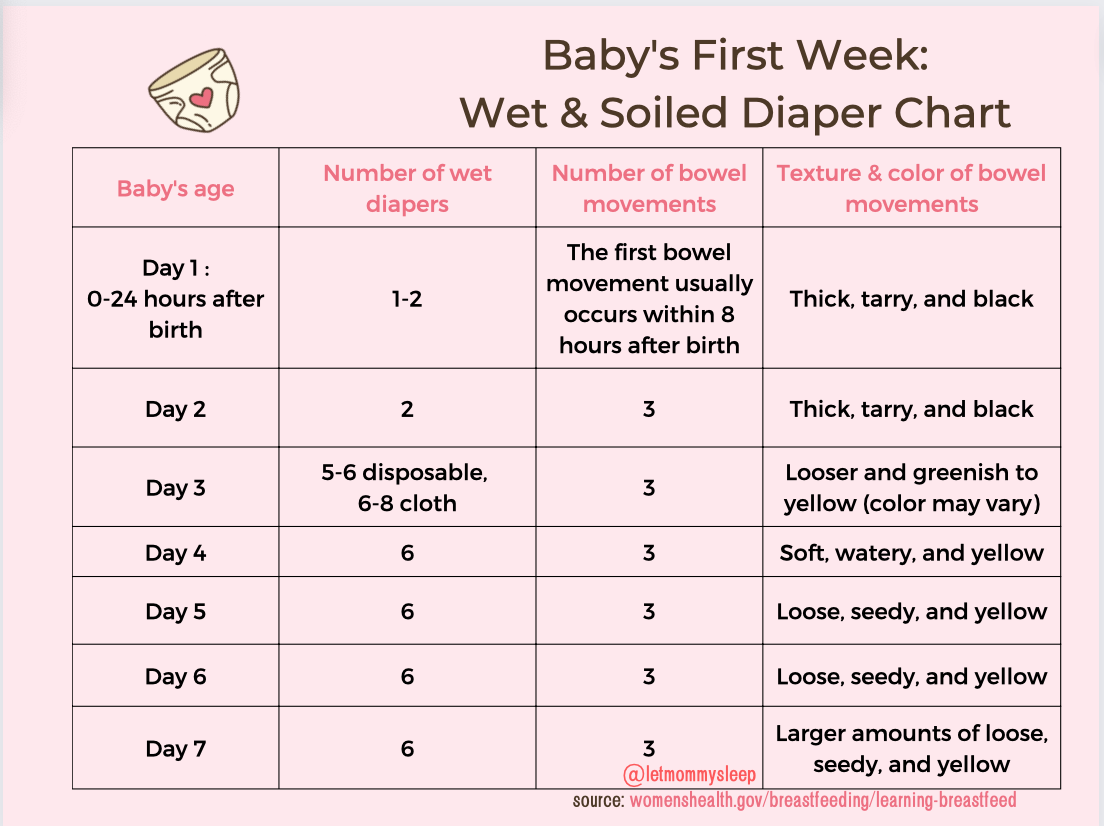
Many newborns with mild hypospadias pee just fine. What “fine” means in the early days is pretty simple: your baby has a good number of wet diapers, seems comfortable, and does not show signs of urinary obstruction. True obstruction is uncommon, but newborns can get dehydrated or sick for many reasons, so we still take “not peeing” seriously.
Call your pediatrician urgently if you notice
- No urine output (no wet diapers), especially in the first day of life or any time afterward
- Signs of pain or distress with peeing
- Swelling, redness, fever, or your baby seems very ill
- A very weak trickle or persistent straining (general newborn red flags, even if not typical for hypospadias)
Hypospadias itself is usually not an emergency, but your instincts still matter. When in doubt, call.
Will my child need surgery?
Not every child with hypospadias needs surgery. The decision depends on things like:
- Meatus location (how far from the tip)
- Penile curvature (especially if it is significant)
- Urine stream direction and whether standing to urinate later would be difficult
- Future sexual function considerations (your urologist will explain this appropriately and respectfully)
For families, the hardest part is often uncertainty. It can help to remember that pediatric urologists do this all the time. Their job is to match the plan to the anatomy in front of them, not force a one-size-fits-all approach.
Possible risks and complications to know about
If surgery is recommended, it is okay to ask about the issues urologists watch for afterward. In parent language, that can include:
- A small urine leak from a second opening (called a fistula)
- Narrowing of the opening that affects the stream
- Wound separation or scarring that may change appearance
- Needing a revision later (more common in more complex cases)
I know that list can sound scary. Most families never deal with the worst-case scenario. Asking about risks is not pessimistic, it is informed parenting.
Questions to ask urology
When you are sleep-deprived and worried, it is easy to forget your questions. I encourage parents to screenshot a short list and bring it with them.
- Where exactly is the urethral opening? Is it considered distal, midshaft, or proximal?
- Is there chordee? If so, how significant is the curvature?
- Do you recommend surgery? Why or why not?
- If surgery is recommended, what is the ideal timing?
- Will circumcision be part of the repair? Or is foreskin preservation important for the approach you recommend?
- How many procedures are typically needed? (This varies by severity and technique.)
- What are the most common risks or complications? Ask them to define what they mean by “common” in their practice.
- What would make you want to see him sooner?
- Is any additional testing needed? If yes, what is the purpose?
Also ask the practical stuff: where the surgery is done, who to call with questions, and how follow-up is handled. Clarity is calming.

What to do right now
In the newborn stage, most of your job is simply normal baby care.
- Track wet diapers like you would for any newborn, especially in the first week.
- Skip circumcision until you have specialist guidance if hypospadias was mentioned or suspected.
- Keep your follow-up appointments with your pediatrician and pediatric urologist.
- Write down what you were told in the hospital, including any terms like “hypospadias,” “chordee,” or “hooded foreskin,” so you can share consistent information.
One more reassurance I give parents a lot: you do not need to “do something” every minute to be a good parent. Sometimes the best care is careful waiting with the right specialists in the loop.
Frequently asked questions
Did we miss our chance to circumcise?
No. Circumcision can sometimes be done later, but with suspected hypospadias, the priority is preserving options until pediatric urology has evaluated your baby. If circumcision is desired, the urologist will explain the safest way and timing. In some cases, circumcision is done as part of a repair.
Can hypospadias be missed in the hospital?
Yes. Mild cases can be subtle, especially if the meatus is only slightly off center. Sometimes it is first noticed at a newborn checkup or when circumcision is being planned.
Is hypospadias painful?
Hypospadias itself is not typically painful. Babies usually behave like babies. Lots of normal newborn fussiness is unrelated. If your baby seems to be in pain with urination, call your pediatrician promptly.
Is this related to fertility later?
Many boys with hypospadias grow up to have normal fertility, especially with mild forms. In more significant cases, this is one of the reasons urology follows closely and may recommend repair. Your child’s specialist can speak to your child’s specific anatomy and what it means long-term.
Should we avoid retracting the foreskin?
Yes. For all infants, the foreskin should not be forcefully retracted. With suspected hypospadias, it is even more important to leave the anatomy alone and let the specialist examine it as-is.
When to seek urgent care
Hypospadias is usually not an emergency, but your newborn still needs the usual safety net. Seek urgent medical care if your baby:
- Has no wet diapers or suddenly stops peeing
- Has a fever (follow your pediatrician’s guidance for any fever in young infants)
- Is very lethargic, hard to wake, or showing signs of dehydration (dry mouth, very low urine output)
- Seems to have significant swelling or redness in the genital area
And if you were told your baby has more severe or proximal hypospadias, especially with testes that are not in the scrotum, do not sit on the referral. That is one of the situations where the evaluation can be more time-sensitive.
A final word from a pediatric nurse mom
If you are reading this in the middle of the night, staring at your tiny newborn and spiraling a bit, I want you to hear this clearly: delaying circumcision in suspected hypospadias is a protective step. It keeps the best options on the table until pediatric urology can make a thoughtful plan.
You are not behind. You did not cause this. And you do not have to navigate it alone. Your next best step is simple: keep routine pediatric follow-up, schedule the urology visit, and bring your questions. We can do one step at a time together.
Sarah Mitchell
Sarah Mitchell is a Registered Pediatric Nurse and a mother of three who has spent over a decade helping families navigate the beautiful, chaotic early years of childhood. She combines evidence-based medical knowledge with real-world parenting experience to offer practical, compassionate advice. At Awesome Parent, Sarah's mission is to help exhausted parents find solutions, trust their instincts, and finally get some sleep.