
A calm, clear guide to spotting a severe allergic reaction in little kids and taking the right first steps: epinephrine, emergency help, and what to watch for.
Shellfish Allergy in Kids: Early Signs and Emergency Steps

Sarah Mitchell
Sarah Mitchell is a Registered Pediatric Nurse and a mother of three who has spent over a decade helping families navigate the beautiful, chaotic early years of childhood. She combines evidence-based medical knowledge with real-world parenting experience to offer practical, compassionate advice. At Awesome Parent, Sarah's mission is to help exhausted parents find solutions, trust their instincts, and finally get some sleep.
If you are reading this after a scary bite of shrimp or a mysterious restaurant meal, take a breath. Shellfish allergy reactions can look dramatic, but having a clear plan helps you act fast and feel less helpless. As a pediatric nurse and a mom who has seen plenty of “Wait, is this serious?” moments, here is what I want you to know: trust your gut, watch for the red flags, and don’t hesitate to use epinephrine when it’s needed.
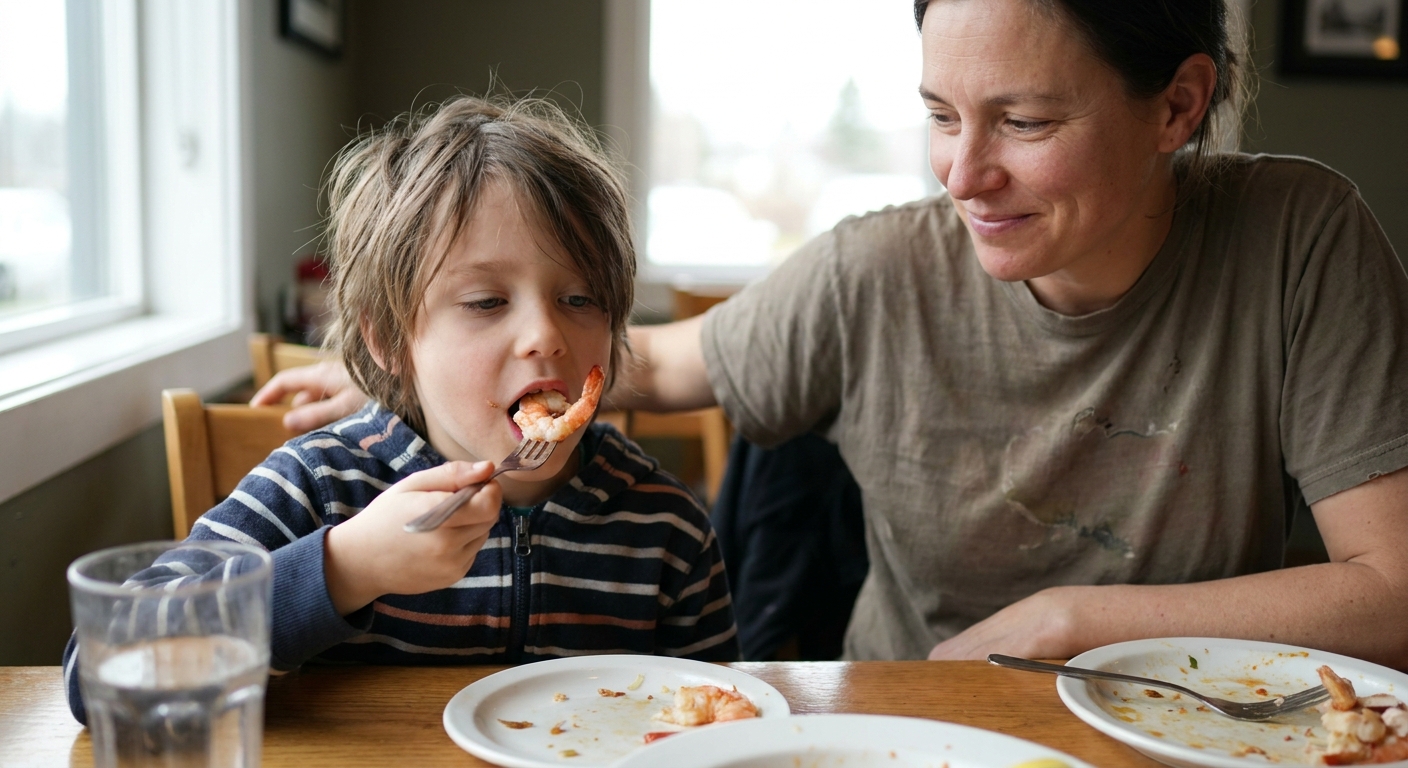
What counts as shellfish?
Shellfish aren’t “just seafood.” They fall into two main groups:
- Crustaceans: shrimp, crab, lobster, crawfish, prawns. These are the most common cause of shellfish allergy reactions.
- Mollusks: clams, mussels, oysters, scallops, squid, octopus.
Many kids who react to one crustacean may react to others, so families are often advised to avoid all crustaceans until an allergist gives individualized guidance.
Early signs to watch for
Shellfish allergy is often an IgE-mediated allergy, which means symptoms typically start quickly, often within minutes to 2 hours of eating. Delayed reactions are less typical, but if something doesn’t feel right after a seafood meal, trust that instinct and get medical guidance.
Ingestion is the most common cause of severe reactions. Touching shellfish can cause local symptoms like hives where the skin made contact. True, full-body anaphylaxis from skin contact alone is uncommon, but it’s still worth taking seriously, especially if your child rubs their eyes or puts fingers in their mouth.
Mild to moderate symptoms
- Itchy mouth or throat
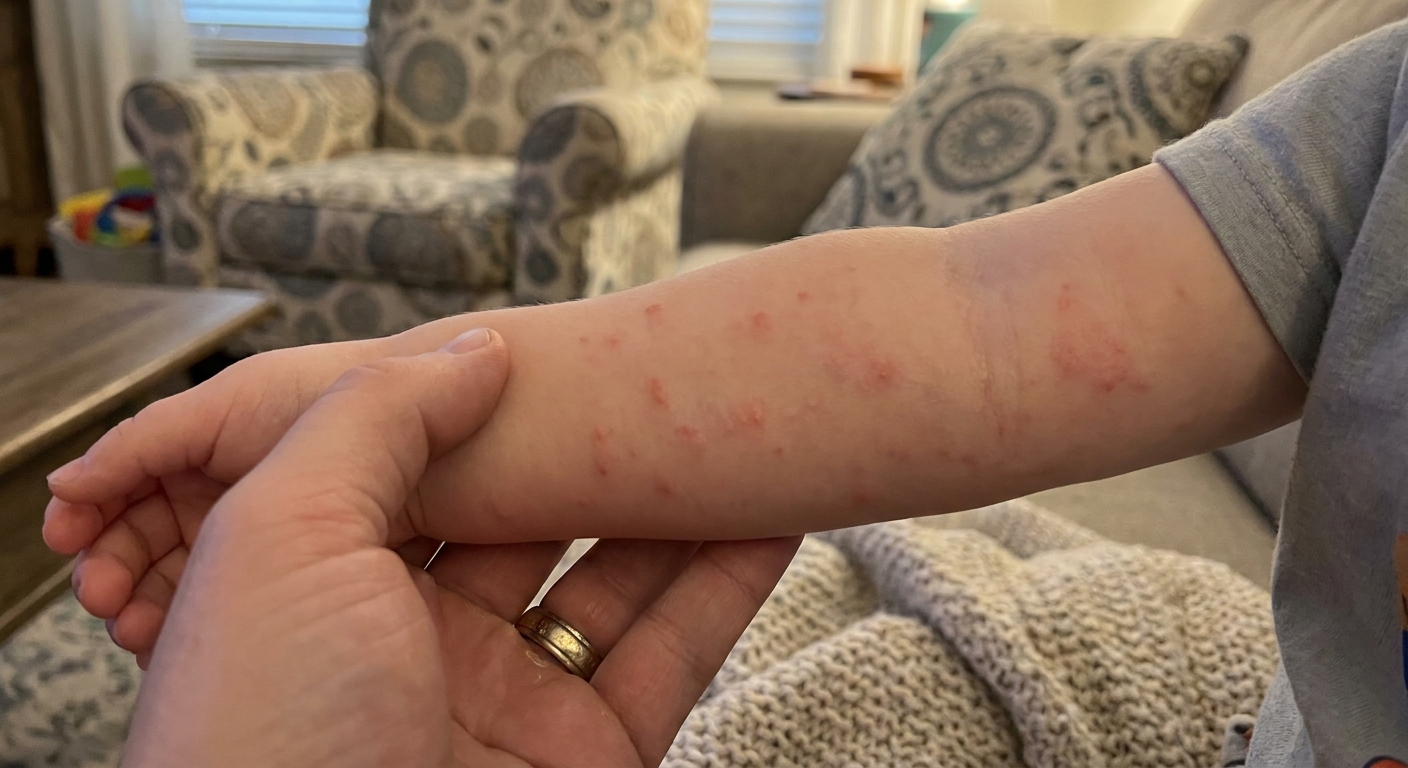
- Hives or raised itchy welts
- Red, blotchy skin or facial flushing
- Swelling of lips, eyelids, or face
- Stomach pain, nausea, vomiting, diarrhea
- Sneezing, runny nose, itchy watery eyes
Signs of anaphylaxis
Anaphylaxis is a severe allergic reaction that can affect breathing and circulation. It can start with “just hives” and then escalate. Call it an emergency if you see any of these:
- Trouble breathing, noisy breathing, wheeze, persistent cough
- Throat tightness, hoarse voice, trouble swallowing, drooling
- Tongue swelling
- Dizziness, fainting, extreme sleepiness, confusion
- Pale, cool, clammy skin
- Fast heartbeat
- Blue or gray lips
- Two or more body systems involved after exposure (for example, hives plus vomiting, or hives plus coughing)
Important nuance: Severe breathing symptoms or signs of shock can be anaphylaxis even if there’s no rash or no second body system.
Parent reality check: Kids don’t always say “I can’t breathe.” They might say “my throat feels weird,” “my tongue is spicy,” or they may suddenly get quiet, clingy, or panicky. If something feels off and symptoms are progressing, treat it like an emergency.
What to do right now
If you suspect your child is having an allergic reaction to shellfish, the safest approach is to act early. Timing matters.
Step 1: Stop the exposure
- Remove the food.
- If shellfish is on your child’s hands or face, gently wash with soap and water.
- If they’re chewing, have them spit out the food and rinse their mouth.
Step 2: Decide if it’s epinephrine time
Epinephrine (like an EpiPen or Auvi-Q) is the first-line treatment for anaphylaxis. Antihistamines can help itching and hives, but they don’t stop anaphylaxis.
Use epinephrine right away if:
- Your child has any breathing symptoms (wheeze, repetitive cough, shortness of breath, throat tightness).
- Your child has swelling of the tongue or throat.
- Your child has faintness, collapse, or signs of shock.
- Your child has hives or swelling plus vomiting or another second body system symptom after shellfish exposure.
- You’re unsure, but symptoms are progressing or your child has a history of severe reactions.
If you’re hesitating because you’re scared of side effects, here’s the reassuring truth: common epinephrine side effects include shakiness, jittery feelings, and a fast heartbeat. Those can feel intense, but they’re usually short-lived. Delaying epinephrine is what increases risk.
Step 3: Call 911
After giving epinephrine, call 911. Even if your child looks better, they still need medical evaluation. Some kids have a biphasic reaction, meaning symptoms return later, often within 4 to 12 hours. Observation recommendations vary, so it’s safest to follow emergency team guidance.
Step 4: Position and monitor
- Keep your child lying down with legs elevated if they’re dizzy or weak. If they’re vomiting, place them on their side.
- Don’t make them stand or walk around.
- If they have asthma and are wheezing, follow your asthma action plan too, but don’t delay epinephrine.
- If symptoms aren’t improving, or they return, a second epinephrine dose may be needed. Many emergency plans allow a second dose if there’s no clear improvement in about 5 to 15 minutes. Follow your child’s written action plan when you have it, and emergency guidance when you don’t.
Step 5: If symptoms are only mild
If symptoms are limited to mild hives or itching and your child is otherwise acting well, you should still call your pediatrician or consider urgent care for guidance and observe closely. If anything spreads beyond the skin, becomes severe, or you see breathing symptoms or faintness, switch to the emergency plan above.
Restaurant and home risks
Many shellfish reactions happen because of cross-contact, when a safe food touches shellfish proteins through shared surfaces, oil, or utensils. This is especially common with shellfish.
High-risk restaurant situations
- Shared fryers: Fries cooked in oil that also fries shrimp or calamari.
- Shared grills and pans: Shrimp cooked on the same flat-top as chicken.
- Seafood steamers or boiling pots: Foods cooked in liquid used for shellfish. Not every restaurant does this, but it can happen.
- Sushi bars: Shared cutting boards, knives, gloves, and sauces.
- Buffets: Serving utensils get swapped, splashed, or reused.
High-risk family meal situations
- Serving shrimp cocktail next to “safe” snacks where little hands grab from both.
- Using the same tongs or spoon for shellfish and non-shellfish foods.
- Reusing marinades or basting brushes.
- Kissing a child after eating shellfish without brushing teeth and washing face and hands.
Cooking steam and airborne exposure
Some kids react to steam or aerosolized proteins when shellfish is being cooked, especially if they have asthma. For most people, severe reactions are still most often from eating the food, but if your child has symptoms in seafood restaurants or around cooking shellfish, bring it up with your allergist.
What to say at a restaurant
Try this script:
- “My child has a shellfish allergy. Do any foods contain shrimp, crab, lobster, clam, oyster, mussel, scallop, squid, or octopus?”
- “Can the kitchen prepare the meal with a clean pan, clean utensils, and fresh gloves?”
- “Do you use a shared fryer for shellfish?”
If staff seem unsure, rushed, or dismissive, it’s okay to choose another restaurant. Your child isn’t being “difficult.” You’re being smart.

After the reaction
Even if symptoms improved quickly, schedule follow-up. A first reaction isn’t something you want to “wait and see” your way through.
1) See your pediatrician soon
Your pediatrician can help document what happened, update your child’s medical record, and arrange referral to an allergist.
2) Meet with a board-certified allergist
An allergist may recommend:
- A detailed history of the reaction, including timing and all foods eaten
- Skin testing and/or blood testing (specific IgE)
- A personalized avoidance plan and discussion of cross-contact risk
- An emergency action plan for school, babysitters, and sports
- Prescriptions for epinephrine auto-injectors, often two to carry
Don’t try to “test” shellfish at home to see if it happens again. That’s one of those experiments that can go sideways fast.
3) Review epinephrine basics with every caregiver
- Where the auto-injectors are stored
- When to use them
- How to give them
- Calling 911 after use
4) School, camp, and activities
If you’re in the US, ask about a school action plan and whether a 504 plan makes sense for your child. The goal is simple: trained adults, quick access to epinephrine, and clear steps when minutes matter.
Shellfish vs fish
This is one of the most common points of confusion at 3 AM.
- Shellfish allergy involves crustaceans and mollusks.
- Fish allergy involves finned fish like salmon, tuna, cod, and tilapia.
They’re caused by different proteins, so a child can be allergic to shellfish but tolerate finned fish, or the other way around. Some families choose to avoid all seafood initially because restaurant cross-contact is so common, but medically they’re separate categories. Your allergist can help decide what’s safe for your child.
Allergy vs intolerance
Not every upset stomach after seafood is an allergy. Here are the big differences:
Food intolerance
- Usually limited to the digestive system (bloating, cramps, diarrhea)
- Often dose-related (a little may be okay, a lot causes symptoms)
- Doesn’t cause hives, swelling, or breathing problems
Food allergy
- Can involve skin, stomach, lungs, and circulation
- Can happen with tiny amounts due to cross-contact
- Can cause hives, swelling, wheeze, throat tightness, faintness
Also worth noting: food poisoning from seafood can cause vomiting and diarrhea and may affect multiple people who ate the same meal. If there are hives, swelling, or breathing symptoms, think allergy first.
Prevention basics
Living with a shellfish allergy is a learning curve, but it becomes routine faster than you think.
- Read labels every time. Ingredients and manufacturing can change.
- Know the labeling catch. In the US, crustacean shellfish are a major allergen on labels. Mollusks are not always covered the same way, so you still need to read ingredient lists carefully and ask questions when you’re not sure.
- Watch for common sources like seafood broths, paella, gumbo, seafood flavorings, some sauces, and some Asian dishes.
- Make a “safe meal” plan for parties so your child isn’t hungry and tempted.
- Teach simple self-advocacy as your child grows: “I’m allergic to shellfish. I can’t eat shrimp or crab.”
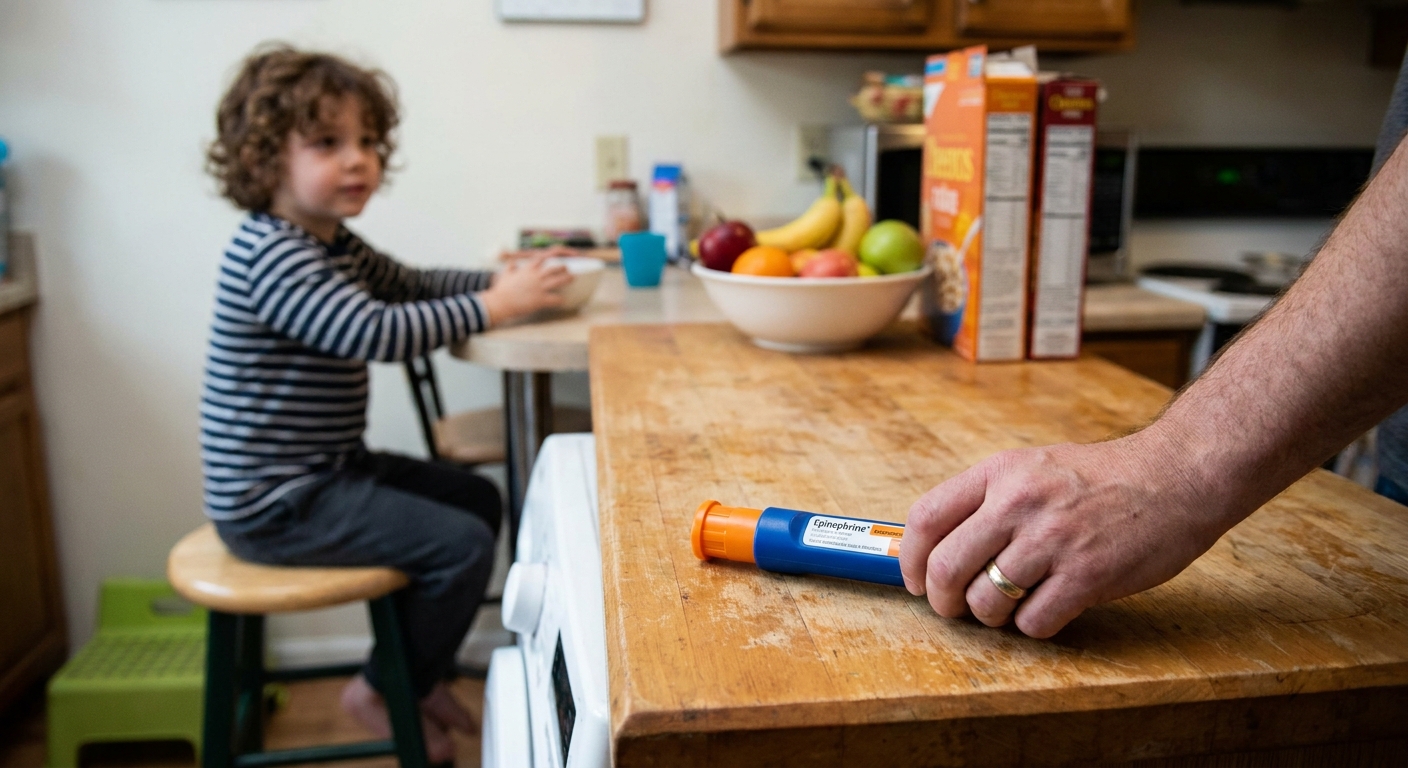
- Carry two epinephrine auto-injectors and keep them accessible, not locked in a car trunk or buried in a backpack.
- Check expiration and storage. Set a reminder for expiration dates, and store epinephrine at recommended temperatures. Avoid leaving it in a hot car or freezing conditions.
My no-judgment reminder: If your child had a reaction, it doesn’t mean you failed. Allergies are sneaky, and parents are human. The goal isn’t perfection, it’s having a plan for next time.
When to get help today
Contact your pediatrician promptly or seek urgent care if your child had a reaction suggestive of allergy, even if it resolved, especially if it was their first exposure or first reaction.
Call 911 immediately if your child has any signs of anaphylaxis, trouble breathing, throat tightness, fainting, or rapidly worsening symptoms.
If you want, jot down a quick “reaction timeline” for your allergist: what was eaten, how much, the exact symptoms, when they started, what medicine was given and when, and how long it took to improve. This information is pure gold for getting an accurate diagnosis and plan.
Sarah Mitchell
Sarah Mitchell is a Registered Pediatric Nurse and a mother of three who has spent over a decade helping families navigate the beautiful, chaotic early years of childhood. She combines evidence-based medical knowledge with real-world parenting experience to offer practical, compassionate advice. At Awesome Parent, Sarah's mission is to help exhausted parents find solutions, trust their instincts, and finally get some sleep.