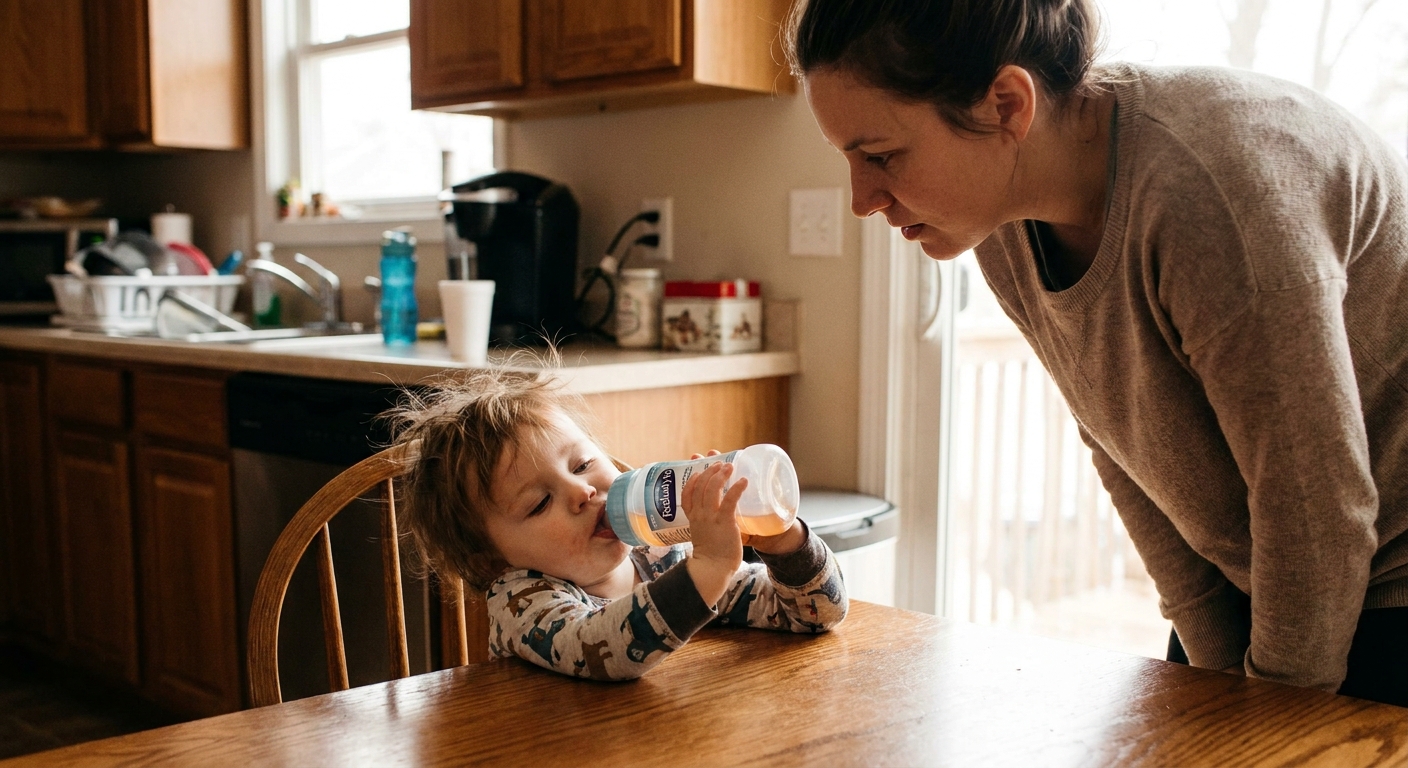
A calm, practical guide to E. coli in children, including what bloody stools can mean, how to keep your child hydrated, which stool tests to ask about, and w...
Shigella in Kids: Bloody Diarrhea and Daycare Outbreak Basics

Sarah Mitchell
Sarah Mitchell is a Registered Pediatric Nurse and a mother of three who has spent over a decade helping families navigate the beautiful, chaotic early years of childhood. She combines evidence-based medical knowledge with real-world parenting experience to offer practical, compassionate advice. At Awesome Parent, Sarah's mission is to help exhausted parents find solutions, trust their instincts, and finally get some sleep.
If your child has diarrhea and a fever, you are probably already doing the late-night mental math: stomach bug or something worse? When poop turns bloody, parents often panic, and honestly, that is a reasonable reaction.
Shigella is one of the classic daycare outbreak culprits. It can cause frequent, small stools, belly cramps, fever, and mucus or blood in the stool. The good news is that most kids recover. The important part is knowing how it spreads, how to keep your child hydrated, and when it is time for urgent care or the ER.
What Shigella is (and why daycares see it so often)
Shigella is a bacterium that infects the intestines. It spreads through the fecal-oral route, which is a polite way of saying: tiny poop germs (microscopic stool particles) get from one person to another through contaminated hands, surfaces, water, or food.
Why it is a daycare superstar
- It takes a very small amount of Shigella to make someone sick. That is one reason outbreaks happen so fast.
- Diapering and potty training are perfect storm scenarios for germ spread.
- Kids touch everything, then touch their faces, snacks, and each other.
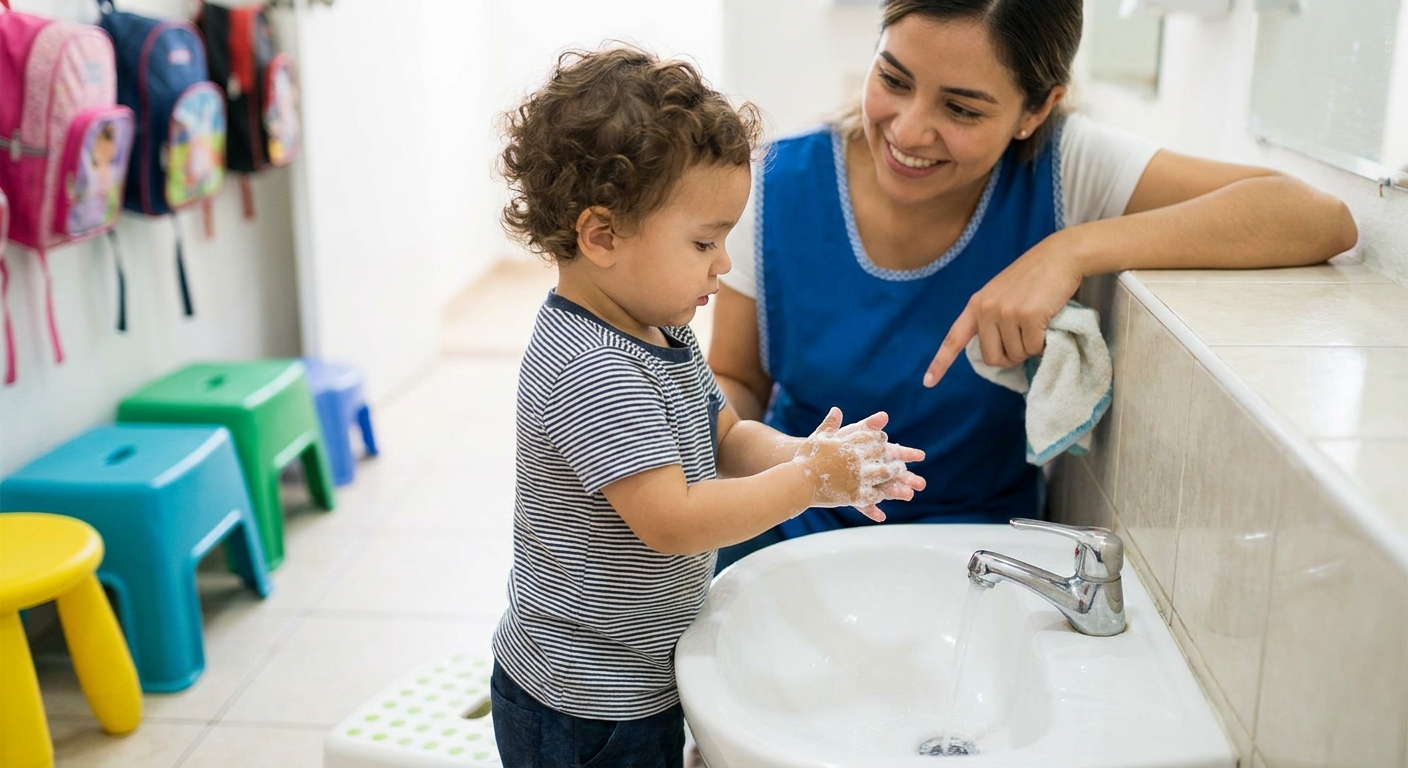
- Handwashing is… aspirational in the under-5 crowd.
Shigella can also spread in households, especially if one child brings it home from daycare. If you suspect it, tell your daycare so they can follow their cleaning and public health guidance and watch for more cases.
How Shigella spreads in pools, splash pads, and water play
Shigella can spread when contaminated water is swallowed. This is more likely with:
- Wading pools and small backyard kiddie pools that are not regularly drained and disinfected
- Splash pads where many kids play and water systems are not properly maintained
- Pools when someone with diarrhea has an accident or swims while contagious
Proper chlorination lowers risk, but it does not eliminate it. If a child has diarrhea, they should stay out of water play. And yes, I know that is the day they are finally happy and calm. Still no.

Typical symptoms: the Shigella pattern parents notice
Shigella symptoms often start within 1 to 3 days after exposure (many cases are closer to 1 to 2 days). Parents often describe it as a stomach bug that quickly becomes more intense and more painful.
Common symptoms
- Fever, sometimes high
- Diarrhea that may start watery and then become mucusy or bloody
- Crampy belly pain and urgency
- Tenesmus (the feeling they have to poop even when very little comes out). Kids might run to the bathroom often with small amounts.
- Nausea and sometimes vomiting (vomiting is usually not the main feature)
- Fatigue and poor appetite
What “bloody diarrhea” can look like
It can be bright red streaks on stool, rust-colored mucus, or stools that look like they have jelly-like strands. Any blood in stool deserves a call to your child’s clinician, especially when paired with fever or belly pain. Sometimes small streaks of blood can also come from irritation or a tiny fissure when kids are pooping often, but you still want medical guidance to sort that out.
Hydration checkpoints (what I want you watching at home)
The biggest immediate risk for most kids with diarrhea is dehydration. Bloody diarrhea can also mean the gut lining is inflamed, so kids may drink less and feel more miserable.
Signs hydration is OK
- They are peeing regularly (rough rule: at least every 6 to 8 hours for toddlers and older kids)
- Babies pee more often: if your baby is having significantly fewer wet diapers than usual, treat that as a concern
- Mouth and tongue look moist
- Tears when crying
- They are sleepy or cranky but can still be awakened and engaged
Signs dehydration is creeping in
- Less urine, dark urine, or going longer than 8 hours without peeing
- Dry mouth, no tears
- Dizziness in older kids, or unusual sleepiness in younger kids
- Fast breathing or fast heartbeat
- Sunken eyes, or in babies a sunken soft spot
Simple home plan
- Use an oral rehydration solution (like Pedialyte or store-brand equivalent) if stools are frequent.
- Offer small sips often: 1 to 2 teaspoons every few minutes for toddlers who refuse big drinks.
- Breastmilk and formula are fine to continue for babies, with ORS added as needed.
- Avoid pushing juice or soda. High sugar can worsen diarrhea.
If your child cannot keep fluids down due to repeated vomiting, or stools are so frequent they cannot catch up, that is a reason to be seen same day.
Stool testing: what to expect (and why your doctor might order it)
Many mild viral stomach bugs do not need testing. Shigella is different because it is contagious, it can cause blood in stool, and antibiotics are sometimes helpful. Also, bloody diarrhea has a short list of causes clinicians take seriously, and testing helps sort out what you are dealing with (including other infections where treatment choices matter).
When clinicians commonly test stool
- Blood or mucus in the stool
- High fever or significant belly pain
- Symptoms lasting more than a few days, or worsening after initial improvement
- Daycare outbreak concerns
- High-risk kids (young infants, immunocompromised children, or significant dehydration)
Types of tests you might hear about
- Multiplex PCR stool panel: looks for DNA from multiple germs (bacteria, viruses, some parasites). Results can be fast.
- Stool culture: grows bacteria and can help guide which antibiotics will work, especially if local resistance is a concern.
Practical tip: if your child is in diapers, many clinics will give you a specimen hat or container. If you are collecting at home, ask the clinic exactly how to store and deliver it. Timing matters.
Antibiotic basics (and why not every kid needs them)
Shigella is a bacterium, so antibiotics can help in some cases. They may shorten illness and can reduce how long someone is contagious when the antibiotic matches the strain’s susceptibility. But the decision is individualized because:
- Many children get better with supportive care only.
- Antibiotic resistance is an increasing issue with Shigella in many regions.
- Antibiotics can have side effects like nausea, diarrhea, or rash.
When antibiotics are more likely
- Moderate to severe symptoms (high fever, frequent stools, significant pain)
- Bloody diarrhea with strong clinical suspicion or confirmed test
- Outbreak settings where reducing spread is important
- Higher-risk children (for example, certain chronic conditions or immunocompromise)
Your clinician will choose an antibiotic based on your child’s age, local resistance patterns, and test results when available. If antibiotics are prescribed, give the full course even if your child suddenly seems totally fine on day two.
A quick word on anti-diarrhea meds
Do not give over-the-counter anti-diarrhea medications (like loperamide) to children unless your clinician specifically instructs you to. With invasive diarrhea (blood, fever), slowing the gut can be unsafe.
What not to do (easy mistakes)
- Do not use leftover antibiotics or someone else’s prescription.
- Do not give loperamide unless your clinician specifically tells you to.
- Avoid bismuth products unless your clinician says they are OK for your child’s age and situation.
- Do not force food. Fluids first.
- Avoid unpasteurized milk or juices while your child is sick.
How long it lasts
Many kids start improving over a few days. Symptoms often last about 5 to 7 days, but it can be shorter or longer depending on the kid, the strain, and whether treatment is needed. Appetite and energy can lag behind stool improvement.
It is also common for the gut to be “touchy” for a week or two after any infectious diarrhea, meaning some kids temporarily have looser stools with certain foods.
When it is an ER situation (clear criteria)
Trust your gut. You know your kid. But if you want a checklist at 2 AM, here it is.
Go to the ER now if:
- Your child shows signs of moderate to severe dehydration (very little urine, very dry mouth, lethargy, hard to wake, sunken eyes, or in babies a sunken soft spot)
- They have blood in stool plus appear very ill, weak, confused, or unusually sleepy
- They cannot keep fluids down due to repeated vomiting
- Severe, persistent belly pain or a belly that looks swollen and hard
- Any infant under 3 months with fever needs urgent evaluation. Vomiting or diarrhea in this age group also deserves prompt, same-day medical guidance, even without fever.
- Signs of breathing trouble, bluish lips, or any “this is not my kid” level change
Call your pediatrician same day if:
- There is any blood or mucus in the stool, even if your child seems okay
- Fever lasts more than 24 to 48 hours, or fever is high for age
- Diarrhea is frequent enough that you cannot keep up with hydration
- Symptoms persist beyond 3 days without improvement
Shigella vs norovirus vs salmonella (typical patterns)
Parents often ask, “Is this the same thing as norovirus?” Not usually. These patterns can overlap, but here are the typical patterns.
Norovirus
- Very common “stomach flu” in schools and families
- Vomiting is prominent, often sudden onset
- Watery diarrhea, cramps, low-grade fever possible
- Blood in stool is not typical
- Usually short: 1 to 3 days for the worst of it
Shigella
- Often linked to daycare outbreaks and poor hand hygiene exposure
- Fever + crampy pain + urgency
- Diarrhea that may become mucusy or bloody
- Vomiting can happen but is often not the main symptom
Salmonella
- Often linked to undercooked poultry or eggs, reptiles (turtles, lizards), or contaminated food
- Diarrhea and fever are common; blood can occur
- Some kids have more generalized body aches
- Antibiotics are not routine for uncomplicated cases and can sometimes prolong carriage, so treatment decisions differ
Bottom line: blood in stool plus fever is one of the big reasons clinicians consider bacteria like Shigella, Salmonella, Campylobacter, or certain strains of E. coli. It is also one reason stool testing often comes up, because there are specific infections where clinicians are extra careful about which treatments to use.
Contagious period and daycare return rules
Kids with Shigella are contagious while they have diarrhea, and sometimes for a period after symptoms improve.
General return-to-childcare guidance
- Keep your child home until diarrhea has stopped and they can participate in normal activities.
- Follow your daycare’s policy and your local health department guidance. During outbreaks, some facilities require stool clearance testing before return.
- If your child is on antibiotics, ask your clinician when they are considered less contagious. This can vary depending on the medication and whether it is effective for the strain.
If your daycare reports a Shigella outbreak, take it seriously even if your child seems fine. Strict handwashing at home can prevent the whole family from going down one-by-one, which is as fun as it sounds.
How to stop it from spreading at home
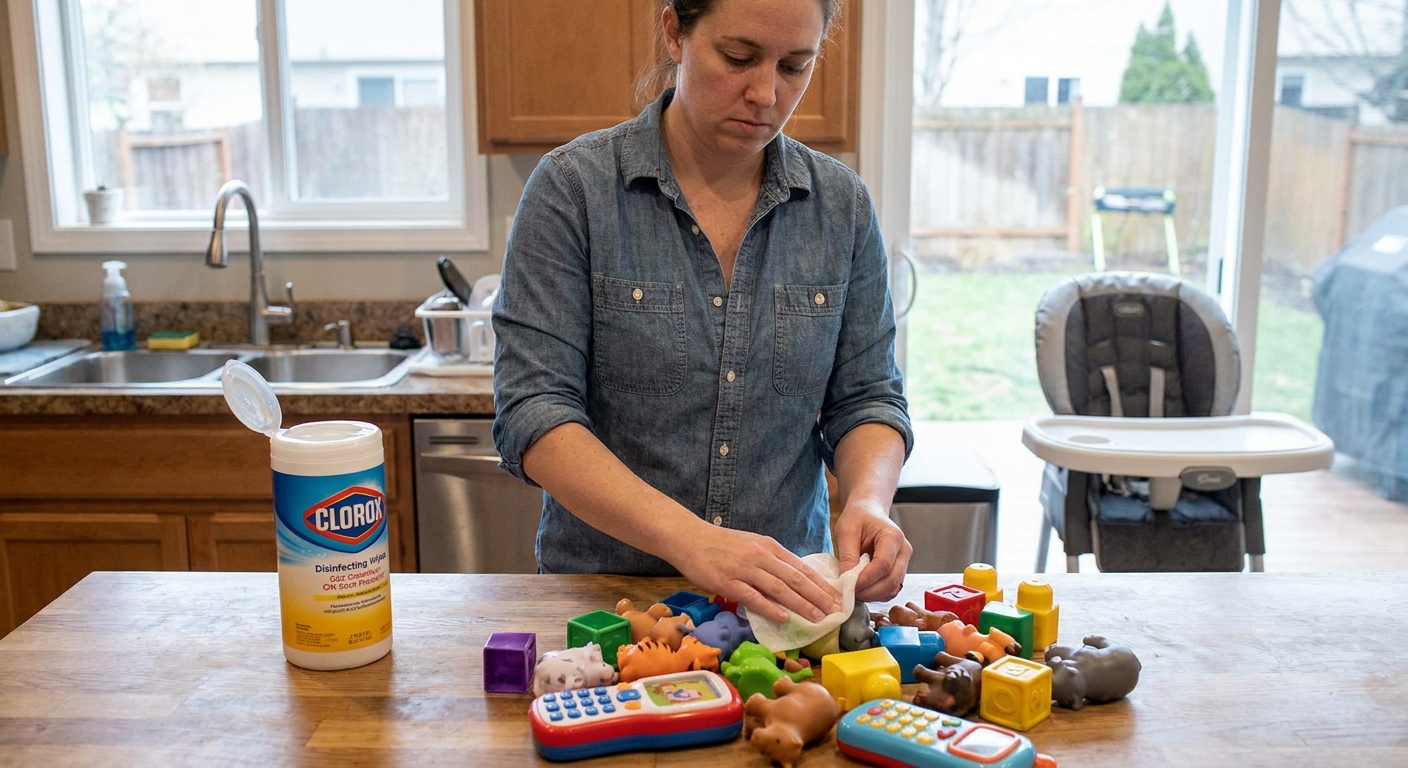
You do not need to bleach your entire house into a laboratory. You do need to focus on the high-yield areas where poop germs travel.
High-impact prevention steps
- Handwashing with soap and water after diaper changes, after helping with toileting, and before food. Alcohol gel is helpful, but for diarrheal illnesses, soap and water is your best friend.
- Separate towels for the sick child if possible, and switch to paper towels for hand drying during the worst days.
- Disinfect bathroom touch points: toilet handle, flush button, faucet handles, doorknobs.
- Launder soiled clothing promptly. Use hot water if fabrics allow.
- Keep sick kids out of pools, splash pads, and water tables until fully recovered.
Possible complications (rare, but worth knowing)
Most kids do fine with hydration and time, but clinicians watch for a few things: dehydration (the big one), very high fevers (rarely linked with febrile seizures in some kids), and other causes of bloody diarrhea that may need different management. This is another reason providers take blood in stool seriously and sometimes push for stool testing.
What recovery usually looks like
If symptoms are not improving, blood persists, or fever returns after going away, check back with your child’s clinician.
My triage-nurse take: If your child has diarrhea and is still peeing regularly, sipping fluids, and acting mostly like themselves between bathroom sprints, you are doing the right things. If blood shows up, hydration drops, or your child looks truly unwell, you are not overreacting by calling or going in.
Quick parent FAQ
Can Shigella go away without antibiotics?
Yes, many cases improve with hydration and supportive care. Antibiotics are sometimes used for more severe illness, certain high-risk kids, or outbreak control.
Is blood in stool ever “normal” with a stomach bug?
It is not typical. Sometimes small streaks can come from irritation (like a fissure) when a child is pooping a lot, but blood in stool should still be treated as a red flag and checked with your child’s clinician, especially with fever, belly pain, or a sick-looking kid.
Should I change my child’s diet?
Focus on fluids first. Once your child is willing to eat, bland, familiar foods are fine. There is no perfect menu. Avoid forcing heavy, greasy meals. If dairy seems to worsen symptoms temporarily, take a short break and reintroduce slowly.
Do probiotics help?
Some families find them helpful for shortening diarrhea in certain situations, but results are mixed, and products vary. Ask your pediatrician which strains and doses they recommend for your child’s age.
One last thing
Daycare germs are relentless. Shigella outbreaks can happen in excellent centers with caring staff. If your child is sick, your job is not to solve public health single-handedly. Your job is to hydrate, watch for red flags, notify the daycare, and get help when needed. That is more than enough.
Sarah Mitchell
Sarah Mitchell is a Registered Pediatric Nurse and a mother of three who has spent over a decade helping families navigate the beautiful, chaotic early years of childhood. She combines evidence-based medical knowledge with real-world parenting experience to offer practical, compassionate advice. At Awesome Parent, Sarah's mission is to help exhausted parents find solutions, trust their instincts, and finally get some sleep.