A calm, practical guide to weekslong toddler coughs: what’s normal after a cold, wet vs dry patterns, common triggers, and when tests or medication trials ma...
Toddler Cough That Won’t Go Away: When to Worry

Sarah Mitchell
Sarah Mitchell is a Registered Pediatric Nurse and a mother of three who has spent over a decade helping families navigate the beautiful, chaotic early years of childhood. She combines evidence-based medical knowledge with real-world parenting experience to offer practical, compassionate advice. At Awesome Parent, Sarah's mission is to help exhausted parents find solutions, trust their instincts, and finally get some sleep.
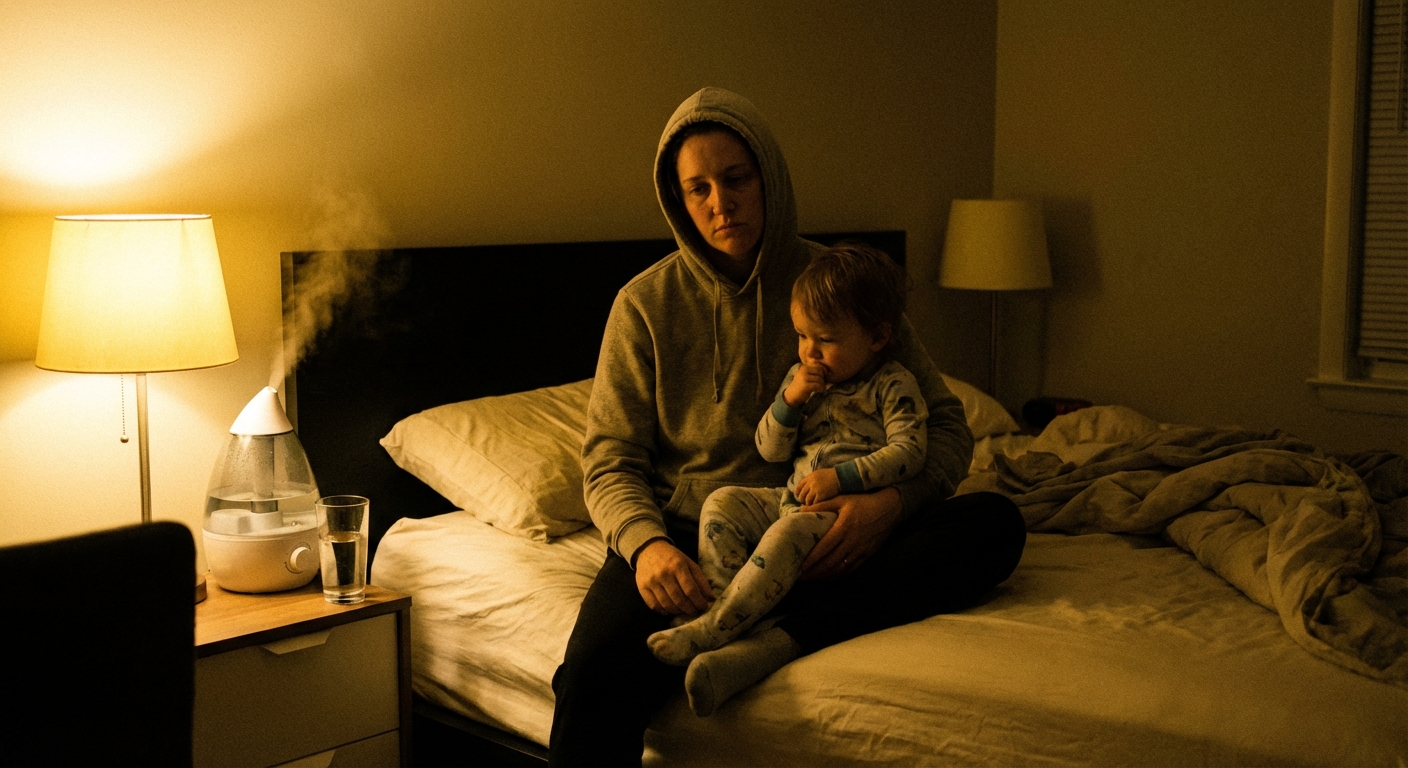
I used to take calls in our pediatric triage line that started the same way: “It’s been two weeks and my toddler is still coughing. Is this normal?” And as a mom of three, I get it. A cough that just hangs around can make bedtime feel like a nightly audition for a monster movie.
The reassuring truth is that many toddler coughs linger longer than parents expect, especially after a viral cold. But there are a few patterns and warning signs that change the plan from “watch and wait” to “let’s get this checked out.”
How long is too long?
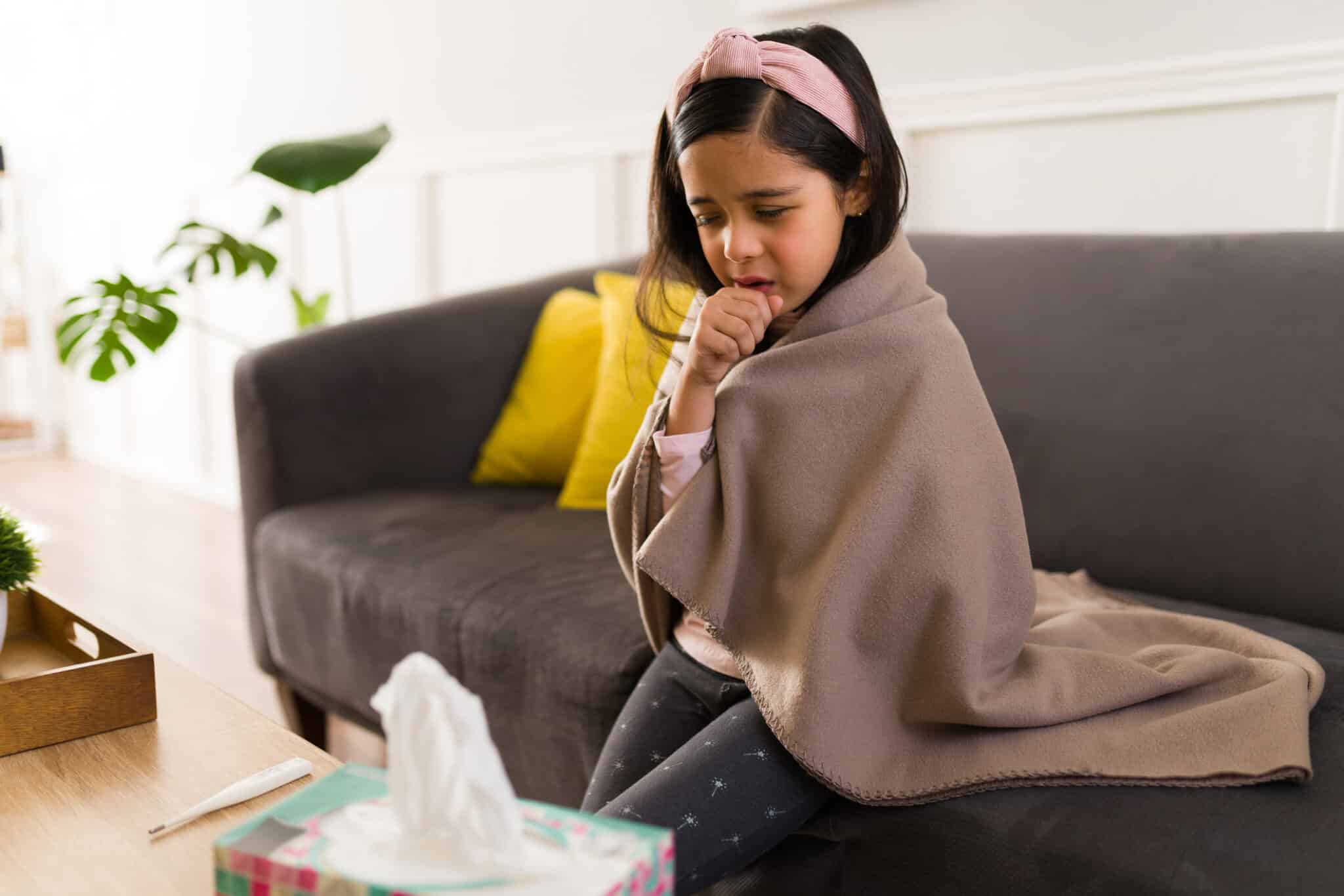
Most coughs from a typical viral cold improve within about 1 to 2 weeks. It is also very common for the cough to be the last symptom to go, and a post-viral cough can linger for up to 3 to 4 weeks, especially in toddlers who catch back-to-back daycare colds.
That said, a cough that lasts beyond 4 weeks is usually considered chronic and is worth an evaluation, even if your child seems mostly okay.
A cough is more likely to need evaluation when:
- It lasts longer than 3 to 4 weeks, especially past 4 weeks.
- It is getting worse instead of better.
- It comes with new fever after your child seemed to be improving.
- It regularly interferes with sleep, play, or eating.
Quick pattern check
In triage, we listen to the pattern as much as the sound. A cough is a symptom, not a diagnosis. These common patterns help narrow the possibilities.
Wet, phlegmy cough (especially all day)
A wet cough can happen with lingering congestion and postnasal drip after a cold. If it is mild and trending better, home care is often enough.
But a wet cough that persists, sounds deep, rattly, or productive-sounding, or is paired with fast breathing can signal something more, like pneumonia or a treatable condition called protracted bacterial bronchitis (more on that below). Asthma can also cause mucus and a wet-sounding cough in some kids.
Dry cough after a cold
This can be a straightforward post-viral cough. It can also be a clue for airway irritation from dry air, smoke exposure, or asthma-like airway sensitivity.
Night cough (or cough that wakes them up)
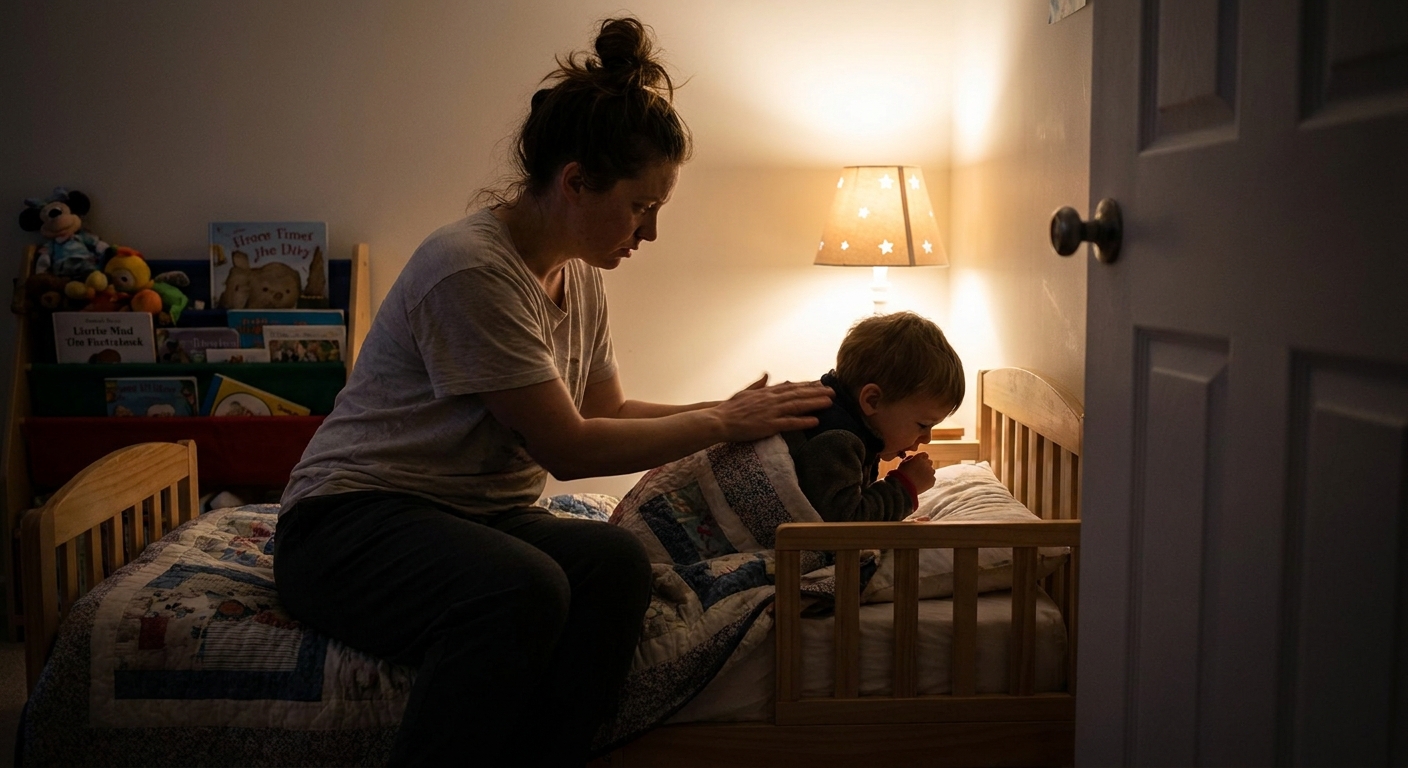
A little extra coughing at night can happen with postnasal drip when kids lie down. But frequent night coughing, especially without much runny nose, raises my suspicion for asthma or reactive airways (meaning asthma-like airway sensitivity), reflux, or allergies.
Cough with running, laughter, or play
If your toddler coughs when they run around, giggle hard, or play outside, it is a common asthma pattern. It can also happen after a virus, when the airways stay extra sensitive for a few weeks. Either way, it is worth mentioning to your pediatrician, especially if it keeps repeating.
Barking cough or noisy breathing
A barking cough suggests croup, especially if it is paired with a hoarse voice. Croup usually improves over several days, but the cough can linger longer.
If your child has noisy breathing at rest or looks like they are working hard to breathe, that is not a wait-it-out situation.
Cough that starts suddenly during a meal or play
Sudden coughing, gagging, or a new wheeze after choking can mean a child inhaled food or a small object. Even if they seem fine afterward, this deserves urgent medical advice.
Why toddler coughs linger
1) Back-to-back viral infections
Toddlers can catch many colds each year, and it can feel like one long illness. If your child gets a new virus before the old cough fully resolves, the calendar resets in your brain, but their airways are still recovering.
2) Postnasal drip from congestion
Mucus draining down the throat triggers coughing, especially when lying down. This is one of the most common causes of lingering cough after a cold.
3) Post-viral airway sensitivity
After a respiratory virus, some toddlers have twitchy, extra-sensitive airways for a while. They cough more with cold air, running, or at night, even though the infection itself is gone. This often improves gradually, but if it keeps happening with every cold, it is time to talk about asthma or reactive airways.
4) Asthma or reactive airways
Asthma in toddlers often looks like:
- Night cough
- Cough with activity, laughter, or crying
- Wheezing or whistling sounds (sometimes only a clinician hears it)
- Repeated “chest colds” that linger
If asthma runs in the family, or your child has eczema or allergies, the odds go up.
5) Allergies (seasonal or indoor)
Allergies can cause a chronic cough from postnasal drip. Clues include itchy eyes, frequent sneezing, a clear runny nose, and symptoms that flare in certain environments (like a dusty room or during pollen season).
6) Irritants in the air
Secondhand smoke, vaping aerosols, wood-burning stoves, strong fragrances, and even heavy indoor air pollution can keep little airways inflamed. For some kids, this is the entire story.
7) Reflux (GERD)
Some toddlers cough more when lying down because stomach contents irritate the throat. You might notice frequent spit-up, sour breath, hoarseness, throat clearing, or picky eating, but reflux can also be sneaky.
8) Sinusitis (sometimes after a cold)
Most runny noses are viral. Sinusitis becomes more likely when nasal symptoms and cough last more than 10 days without improvement, or when your child seems to improve and then gets worse again with thicker nasal drainage, worsening cough, or new fever. A daytime cough plus persistent nasal discharge is a common tip-off.
9) Protracted bacterial bronchitis (PBB)
PBB is a common cause of chronic wet cough in preschoolers. The hallmark is a wet-sounding cough that lasts more than 4 weeks, often without the child looking very sick. The good news is that it is treatable, so it is worth bringing up if you have a wet cough that will not quit.
10) Pneumonia or a bacterial complication
Pneumonia does not always look dramatic at first. Sometimes it shows up as a cough that worsens, fever that returns, low energy, poor appetite, or fast breathing.
11) Pertussis (whooping cough)
Vaccination helps a lot, but pertussis can still happen. It often causes coughing fits that are hard to stop, sometimes with vomiting afterward. The classic whoop may be absent in toddlers.
12) An inhaled object (aspiration)
If a child inhaled a small piece of food or toy, the cough can persist for weeks. Often there is a story of sudden coughing or choking, then lingering cough or wheeze on one side.
What you can try at home
If your toddler is breathing comfortably, staying hydrated, and otherwise acting fairly normal, these supportive steps can make a big difference.
Use honey for kids over 1 year
Honey can reduce coughing and improve sleep in many kids older than 12 months. A typical approach is 1/2 to 1 teaspoon before bed (you can offer it straight or in warm water). Think of that range as an example, not a precise dose. Avoid honey under age 1 due to botulism risk.
Humidify smartly
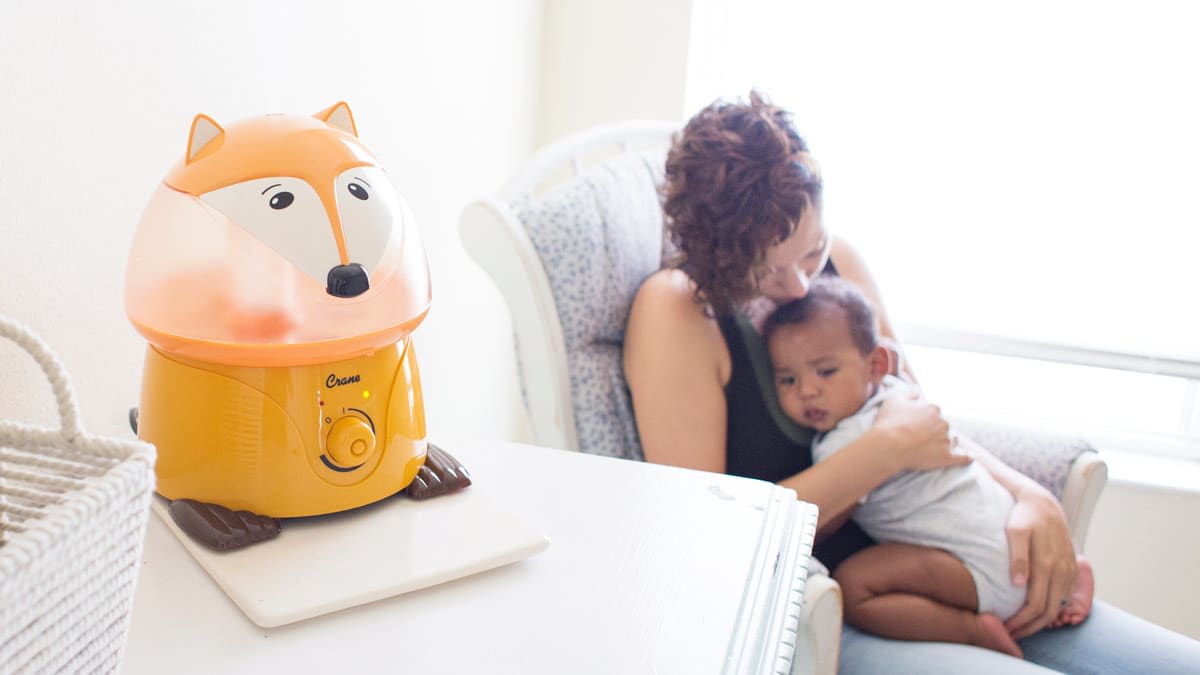
A cool-mist humidifier can help if your home air is dry. As a general rule, empty and dry the tank daily and clean or disinfect it per the manufacturer instructions to reduce mold and bacteria buildup.
Saline and nose clearing
Saline drops or spray can thin mucus. For toddlers who tolerate it, gentle nose blowing after saline helps. No one said they have to like it.
Warm fluids and steam time
Warm liquids can soothe irritated throats. For a steamy environment, sitting in a bathroom with a hot shower running can temporarily ease coughing from upper airway irritation.
Skip OTC cough and cold meds under 6
For young children, these medicines often do not help much and can cause side effects. Avoid multi-symptom products in particular. If you are unsure what is safe for your toddler, ask your clinician or pharmacist.
Check your environment
- No smoke exposure.
- Limit strong scents, sprays, and candles.
- Consider a HEPA air purifier if your home has triggers like dust or pet dander.
- If symptoms worsen in the bedroom, wash bedding in hot water weekly and consider allergen covers for pillows and mattress.
Is it new or never left?
This is one of the hardest parts for parents to sort out. Here is a practical way to think about it:
- Never really left: the cough is there most days, and you cannot point to a clear stretch of normal.
- It went away, then came back: your child had several cough-free days and then new symptoms show up, like a fresh runny nose, sore throat, or new fever.
Either can still be a virus, but if it truly never left and you are approaching 4 weeks, it is time to check in.
Red flags: go in now
Trust your gut here. If your child looks like they are struggling, you do not need to wait and see. Seek emergency care now, or urgent care if that is the fastest option, if you notice:
- Trouble breathing, rapid breathing, or sucking in around the ribs or at the neck
- Lips or face turning blue or gray
- Stridor (a harsh, high-pitched sound when breathing in) at rest
- Wheezing with visible breathing effort
- Drooling or trouble swallowing along with breathing symptoms
- Dehydration (very dry mouth, no tears when crying, significantly fewer wet diapers or urination)
- Extreme sleepiness, confusion, or your child is hard to wake
- Coughing after choking with ongoing symptoms
- Age under 3 months with cough or fever
If your toddler has a chronic medical condition (like lung disease, heart disease, immune compromise, or was born very premature), call your clinician early for guidance.
When to call the pediatrician
Make a regular appointment or call your pediatrician’s nurse line if:
- The cough lasts more than 3 to 4 weeks, especially beyond 4 weeks.
- Your child has fever for more than 3 days, or fever returns after improving.
- They have chest pain, persistent belly pain from coughing, or are vomiting after coughing fits.
- The cough is consistently worse at night or with activity.
- There is a wet cough every day that does not trend better.
- Your child is not gaining weight, is eating poorly, or seems unusually fatigued.
- You suspect asthma, allergies, reflux, sinusitis, PBB, or an inhaled object.
At that visit, your clinician may listen for wheeze or crackles, check oxygen level, examine ears and throat, and decide whether your child needs testing (like a chest X-ray) or a trial of asthma or allergy treatment. Depending on season, exposures, and local illness patterns, they may also discuss viral testing such as flu, COVID, or RSV.
What to track
If you end up being seen, a little detective work can save time and get you better answers. Jot down:
- Timing: Is it worse at night, in the morning, or all day?
- Triggers: Running, laughing, cold air, pets, daycare days, bedtime?
- Sound: Wet, dry, barking, or wheezy?
- Associated symptoms: Fever, runny nose, sore throat, vomiting after cough, shortness of breath
- Exposures: Smoke, vaping, new daycare, known allergies, recent choking episode
- Family history: Asthma, eczema, seasonal allergies

FAQ
Can a toddler cough last a month after a cold?
Yes. A post-viral cough can linger up to 3 to 4 weeks. If it goes beyond that, worsens, or comes with red flags, check in with your pediatrician.
How do I know if it is asthma or just a cold?
Colds usually improve steadily over 1 to 2 weeks and come with runny nose and congestion. Asthma patterns often include night cough, cough with activity, and repeated lingering coughs with many illnesses. Some kids also have a post-viral period of airway sensitivity that looks similar for a few weeks. Your pediatrician can help sort this out and may recommend a trial of medication.
When should I worry about pneumonia?
Worry more if there is fever, fast breathing, visible breathing effort, low energy, poor appetite, or a cough that is worsening rather than slowly improving. If your child is working hard to breathe, seek urgent care or emergency care.
What is the best cough medicine for toddlers?
For most toddlers, supportive care is safest: honey for kids over 1 year, humidified air, saline, fluids, and rest. Over-the-counter cough and cold medicines are generally not recommended for children under 6 unless specifically directed by a clinician.
The bottom line
A toddler cough that will not go away is often annoying, not dangerous, especially after a string of colds. What matters most is the pattern and your child’s breathing and energy level.
If your toddler is breathing comfortably and slowly trending better, home care is reasonable. If the cough lasts longer than 3 to 4 weeks, especially beyond 4 weeks, keeps waking them at night, worsens with activity, sounds wet every day, or comes with any red flags, it is time to call your pediatrician and get a clearer plan. You are not overreacting. You are parenting.
Sarah Mitchell
Sarah Mitchell is a Registered Pediatric Nurse and a mother of three who has spent over a decade helping families navigate the beautiful, chaotic early years of childhood. She combines evidence-based medical knowledge with real-world parenting experience to offer practical, compassionate advice. At Awesome Parent, Sarah's mission is to help exhausted parents find solutions, trust their instincts, and finally get some sleep.