
Swollen tonsils, fever, sore throat. Here’s how tonsillitis differs from strep, what you can do at home, when antibiotics are needed, and the criteria doct...
Tonsil Stones in Kids: Causes, Home Care, and When to See a Doctor

Sarah Mitchell
Sarah Mitchell is a Registered Pediatric Nurse and a mother of three who has spent over a decade helping families navigate the beautiful, chaotic early years of childhood. She combines evidence-based medical knowledge with real-world parenting experience to offer practical, compassionate advice. At Awesome Parent, Sarah's mission is to help exhausted parents find solutions, trust their instincts, and finally get some sleep.
If your child has breath that could knock over a houseplant and you spot a tiny white or yellow “crumb” near the tonsils, you are not alone. Tonsil stones, also called tonsilloliths, can happen in kids and are especially common in teens and young adults. They are usually harmless, but they can be gross, persistent, and occasionally a sign your child needs a medical check.
Here’s what tonsil stones look and smell like, what causes them, what is safe to try at home, what to avoid (please do not go digging), and when it is time for your pediatrician or an ENT.

What are tonsil stones?
Tonsils have natural little folds and pockets called crypts. Tonsil stones form when material gets trapped in those crypts and hardens over time.
Tonsil stones are made of things like:
- Food particles
- Mucus (especially with post-nasal drip)
- Dead cells
- Bacteria
Over time, the trapped material can calcify and become a small, firm lump.
What do tonsil stones look like and smell like?
What they look like
Most tonsil stones are:
- White, off-white, or yellow
- Small like a grain of rice, sesame seed, or tiny pebble
- Irregular and a little crumbly
- Stuck in or peeking out of a tonsil crypt
Sometimes they are hidden and you will not see them, but you will notice the symptoms.
What they smell like
Parents describe the smell as “rotten” or “sulfur-y.” That odor comes from bacteria breaking down trapped material and releasing smelly sulfur compounds.
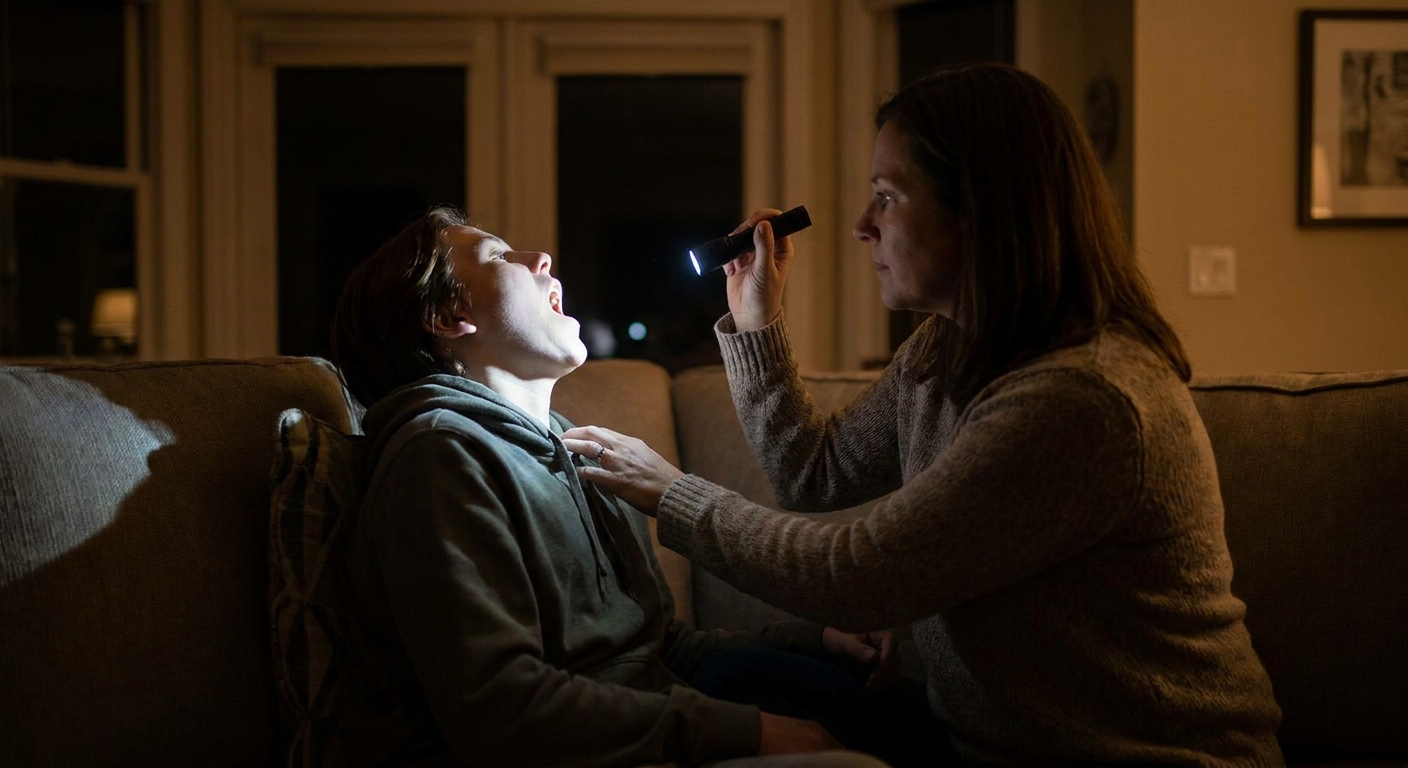
Common symptoms in kids and teens
Some kids have tonsil stones and feel nothing. Others have symptoms that come and go:
- Bad breath that returns even after brushing
- Scratchy throat or a “something stuck” feeling
- Coughing or frequent throat clearing
- Bad taste in the mouth
- Mild ear discomfort (referred pain from the throat)
- Visible white/yellow specks on the tonsils
In teens, tonsil stones are a common reason for embarrassment about breath. In younger kids, parents are usually the ones who notice the smell first.
Why do tonsil stones happen?
Tonsil stones are more likely when the tonsil crypts collect debris and bacteria. Common contributors include:
Post-nasal drip and allergies
If mucus is constantly draining down the back of the throat, it can feed the problem. Seasonal allergies, chronic nasal congestion, and sinus irritation can all increase post-nasal drip.
Chronic tonsillitis or frequent throat infections
Repeated inflammation may make tonsil crypts deeper or more likely to trap debris. Kids with frequent tonsillitis may notice stones between infections.
Mouth breathing and dry mouth
Dry mouth reduces saliva’s natural cleaning action. Mouth breathing at night (often from congestion or enlarged adenoids) can contribute.
Oral hygiene and diet factors
Not brushing the tongue, not flossing, and frequent snacking can leave more material for bacteria to work with. This is not about blame, it is about biology plus busy family life.
Safe at-home care (and what not to do)
Most tonsil stones can be managed at home with gentle steps. The goal is to reduce irritation and prevent new stones, not to wage war on your child’s tonsils.
What is safe to try
- Saltwater gargles: Mix about 1/2 teaspoon of salt in a cup of warm water. Gargle for 15 to 30 seconds, spit, repeat a few times. This can loosen debris and soothe irritation. (Best for kids old enough to gargle safely.)
- Hydration: Encourage water through the day, especially for teens who run dry from sports, caffeine, and busy schedules.
- Gentle coughing: Sometimes a stone pops out with a cough or throat clearing.
- Oral hygiene routine: Brush teeth twice daily, floss daily, and add gentle tongue cleaning.
- Alcohol-free mouth rinse: Helpful for some older kids and teens. Avoid harsh, stinging rinses that dry the mouth out.
What to avoid
- Do not push on the tonsils with fingers, cotton swabs, or tools. This can cause bleeding, injury, swelling, and infection. Tonsil tissue is delicate and it is easy to slip, especially with a squirmy child.
- Do not use sharp objects (pins, toothpicks, etc.). The risk is not worth it.
- Do not aim a water flosser at the tonsils. Even a “gentle” stream can injure tissue and trigger bleeding or swelling.
- Do not force gargling in young children who cannot reliably spit. Aspiration risk is real.
- Be cautious with online “tonsil stone kits” or sprays marketed for removal. Many encourage poking or suctioning delicate tissue. If you are considering one, ask your pediatrician or dentist first.
If a stone is visible and your teen is tempted to dig it out, I tell them this: if you would not poke your eyeball to remove an eyelash, do not poke your tonsil to remove a pebble.
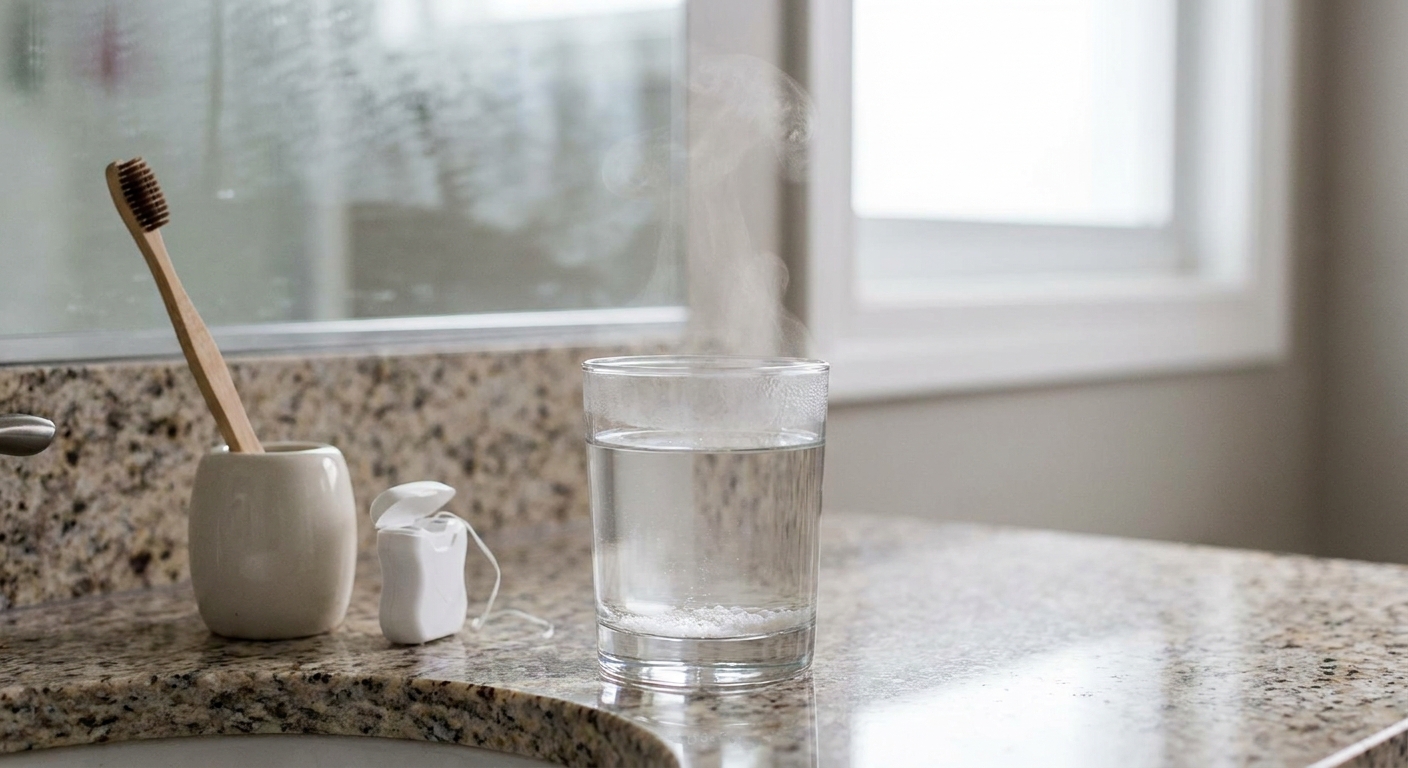
Hygiene habits that help prevent tonsil stones
Prevention is mostly about reducing bacterial load and keeping debris from settling in.
Daily habits
- Brush teeth for 2 minutes, twice a day.
- Floss once a day. This matters more than most kids want to believe.
- Brush the tongue gently or use a tongue scraper.
- Rinse after dairy if it seems to make mucus feel thicker for your child. A quick water rinse or a few sips of water can help.
- Drink water after snacks and sugary drinks.
If allergies or post-nasal drip are in the mix
- Talk with your pediatrician about an allergy plan.
- Consider saline nasal spray or rinse for older kids who can tolerate it.
- Address chronic congestion, snoring, or mouth breathing. Better nasal airflow often means less throat gunk collecting overnight.
Is it tonsil stones or something else?
Tonsil stones can look similar to other throat issues. A few quick clues:
- Strep throat: Usually sudden sore throat, fever, painful swallowing, and red swollen tonsils with possible white patches. Bad breath can happen, but pain and fever are the bigger story.
- Tonsillitis (viral or bacterial): Sore throat, swollen tonsils, fatigue, sometimes fever and tender neck glands.
- Oral thrush: White patches that often wipe off and may leave redness underneath, more common in infants or after antibiotics or inhaled steroids.
- Food debris: Soft and comes away easily, usually without the signature smell.
Also, not all bad breath is tonsil-related. Persistent halitosis can come from cavities or gum inflammation, sinus infections, reflux, or even a foreign object in the nose (a classic in younger kids). If breath is ongoing and you are not seeing tonsil stones, a dental check is a smart next step.
If you are unsure, that is exactly what pediatric offices are for. You are not wasting anyone’s time by asking.
What a clinician may do
At a visit, your pediatrician (or ENT) may:
- Look closely at the tonsils and throat, and check for fever, swollen glands, and signs of infection
- Do a rapid strep test or throat culture if symptoms suggest strep
- Ask about snoring, mouth breathing, allergies, reflux symptoms, and dental history
- Suggest an allergy or post-nasal drip plan when that is a likely driver
- Refer to a dentist if gum disease or cavities may be contributing
Most of the time this is a straightforward exam and a reassurance-plus-prevention plan, not a complicated workup.
When to see the pediatrician (and when to call urgently)
Tonsil stones alone are usually not an emergency. But certain symptoms should prompt a medical visit.
Make a pediatrician visit if your child has:
- Bad breath that persists despite good brushing, flossing, and hydration for 2 to 3 weeks
- Recurring throat pain or frequent “tonsil flare-ups”
- Visible stones that keep returning and are bothering your child
- Snoring, mouth breathing, or poor sleep that seems connected to enlarged tonsils or adenoids
- Frequent tonsillitis or repeated strep infections
- Poor intake or signs of dehydration (not peeing much, very dry mouth, dizziness), especially with sore throat
Seek urgent care now if you notice:
- Trouble breathing, drooling, or inability to swallow saliva
- Severe one-sided throat pain, worsening one-sided swelling, muffled “hot potato” voice, trouble opening the mouth (trismus), or the uvula pushed to one side (possible peritonsillar abscess)
- Fever with rapidly worsening throat pain or swelling
- Neck swelling or stiffness that is worsening
- Blood that does not stop quickly after coughing or minor irritation
Those symptoms are not “just tonsil stones” until a clinician says so.
When an ENT might be needed
If tonsil stones are frequent or significantly affecting quality of life, your pediatrician may refer you to an ear, nose, and throat specialist (ENT).
An ENT visit may be especially helpful when:
- Stones are large, frequent, or causing repeated discomfort
- There is concern for chronic tonsillitis
- Your child has sleep-disordered breathing (snoring, gasping, restless sleep)
- Bad breath is severe and persistent despite strong hygiene and dental care
In some cases, tonsil removal (tonsillectomy) is considered, but it is not the automatic next step for simple tonsil stones. The decision depends on infection history, sleep symptoms, and overall impact.
School-age kids vs teens
School-age kids
- Most cannot safely gargle until around age 6 or so, sometimes later. If they cannot reliably spit, skip gargles.
- Focus on brushing, flossing help, hydration, and treating nasal congestion.
- If you see something on the tonsil and your child is otherwise well, resist the urge to poke it.
Teens
- Dry mouth is common with sports, caffeine, vaping, some acne meds, and some antidepressants or allergy meds. Dry mouth can worsen stones and breath.
- Encourage water and a simple routine: brush, floss, tongue clean, and rinse.
- If your teen is fixated on removing stones, redirect to prevention and let a clinician check the throat if it is frequent.
Bottom line
Tonsil stones are common, usually harmless, and very often the not-so-glamorous explanation behind stubborn bad breath in kids and teens. Gentle home care and prevention can make a big difference. Avoid pushing on tonsils or trying to “pop” stones out. If your child has recurring pain, frequent infections, sleep issues, or red-flag symptoms like trouble swallowing or breathing, get checked by a pediatrician and consider an ENT evaluation.
If it helps, here is my 3 AM nurse-mom summary: stinky breath plus tiny white lumps is usually a nuisance, not a danger. Pain, fever, one-sided swelling, drooling, trouble opening the mouth, or breathing trouble is when we move from nuisance to “let’s get seen.”
Sarah Mitchell
Sarah Mitchell is a Registered Pediatric Nurse and a mother of three who has spent over a decade helping families navigate the beautiful, chaotic early years of childhood. She combines evidence-based medical knowledge with real-world parenting experience to offer practical, compassionate advice. At Awesome Parent, Sarah's mission is to help exhausted parents find solutions, trust their instincts, and finally get some sleep.