
A calm, clear guide to spotting a severe allergic reaction in little kids and taking the right first steps: epinephrine, emergency help, and what to watch for.
A Food Allergy Action Plan for Daycare and School

Sarah Mitchell
Sarah Mitchell is a Registered Pediatric Nurse and a mother of three who has spent over a decade helping families navigate the beautiful, chaotic early years of childhood. She combines evidence-based medical knowledge with real-world parenting experience to offer practical, compassionate advice. At Awesome Parent, Sarah's mission is to help exhausted parents find solutions, trust their instincts, and finally get some sleep.
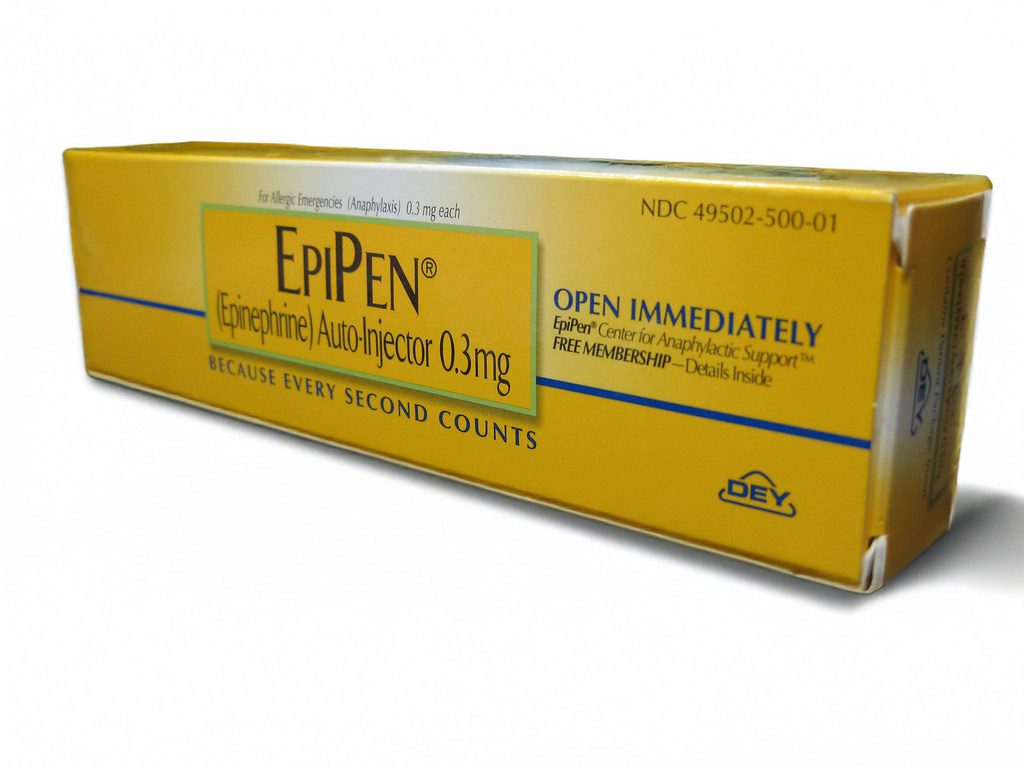
I still remember the first time I handed a childcare provider an epinephrine auto-injector. I was a pediatric triage nurse at the time, so I knew the protocol. And yet, my brain still whispered: What if no one can find it fast enough? What if they wait too long because they are not sure it “counts” as an emergency?
A written food allergy action plan is how we take that middle-of-the-night worry and turn it into clear, confident steps that any caregiver can follow. This is not about being dramatic. It is about being fast, because fast is what saves kids in anaphylaxis.
Start here: the goal
Daycare and school staff need something they can scan in seconds, even when they are stressed. Your plan should answer four questions:
- What is my child allergic to?
- What are early and severe symptoms?
- Where is the epinephrine and who can give it?
- When do we call emergency services?
If your child has a clinician-provided anaphylaxis form, attach it. If you do not, this article helps you create a practical, caregiver-friendly version that matches how reactions really unfold in group settings. (Whenever your clinician’s written plan differs from a general rule of thumb, follow the clinician’s plan.)
What to put at the top
This is the part staff should be able to read while walking briskly to your child.
- Child’s full name (and nickname they answer to)
- Date of birth and current weight (important for dosing decisions your clinician may list)
- Class/room and typical locations (before-care room, playground group, bus number if relevant)
- Primary allergen(s) and how severe past reactions have been
- Asthma diagnosis (yes/no). If yes, note that poorly controlled asthma can increase the risk of severe breathing symptoms during anaphylaxis, so staff should follow the action plan promptly
- Epinephrine auto-injector type (brand/device) and dose listed on the prescription label
- Where epinephrine is kept (be very specific)
- Emergency instruction: “If anaphylaxis is suspected, give epinephrine and call 911.”
Tip from the triage desk: If your child is old enough, add a simple line they can say: “I ate something wrong. I need my epi.” It helps adults take vague complaints seriously.
Allergens and hidden exposures
Caregivers are usually trying their best. The trouble is that food allergens show up in places that do not look like “food.” Spell it out.
List allergens in plain language
- Peanut (including peanut butter, peanut flour, peanut oil if applicable)
- Tree nuts (list each: cashew, walnut, pistachio, etc.)
- Milk/dairy (milk, cheese, yogurt, butter, whey, casein)
- Egg (egg in baked goods, mayo, some pastas)
- Wheat (bread, crackers, soy sauce often contains wheat)
- Soy (soy lecithin or soybean oil may or may not be an issue depending on your allergist’s guidance)
- Sesame (hummus, tahini, buns, seasoning blends)
- Fish/shellfish (and note if aerosolized cooking exposure has ever triggered symptoms; if you are unsure, ask your allergist what precautions are appropriate)
List non-food triggers, if any
Some kids react during art or science, not snack time. Consider adding:
- Play dough or sensory dough ingredients (often wheat)
- Birdseed or class pet feed (may contain nuts)
- Cooking projects
- Hand lotion or wipes with food extracts (rare, but worth noting if you have seen reactions)
If you are still sorting out what your child reacts to, keep the plan honest: list confirmed allergens and add “possible allergens under evaluation” only if your clinician agrees.
Safe foods and routines
“Avoid peanuts” is not enough in a room full of toddlers who share everything like it is their job.
What your child can eat
- School-provided meals: yes/no
- If yes: list approved items and whether labels must be checked every time
- If no: note “Child eats only food from home” and specify whether staff may offer backup snacks
- Approved brands (if you have them) for common classroom foods like crackers, pretzels, or non-dairy milk
Everyday safety routines
- Hand washing: soap and water after eating is best. Hand sanitizer may not reliably remove food proteins.
- Cleaning surfaces: specify what the classroom should use (many standard cleaners are fine). The point is consistent wiping before and after meals.
- No food sharing: write it as a clear rule.
- Seating plan: if your school uses an allergy-aware table, explain what “safe table” means for your child.
- Celebrations: birthday treats must be pre-approved, or use non-food celebrations.

Where to keep epinephrine
This is where a lot of plans fall apart in real life. The best medication in the world does nothing if it is locked in an office three hallways away.
In your plan, specify
- Exact storage location: “Red zip pouch in the classroom wall cabinet above the cubbies” is better than “in classroom.”
- Back-up location: nurse’s office, main office, or with the child depending on age and policy.
- Who carries it during transitions: playground, gym, cafeteria, library, field trips, fire drills.
- Two-dose plan: if prescribed two devices, write down where both are kept and that both should go to the child during a reaction.
Why two devices: some children need a second dose if symptoms do not improve or come back before EMS arrives.
A reality check I give parents
If your child is in a large school, ask for a quick “walk test” at pickup: “Show me where it is and how you would get it during recess.” You are not being difficult. You are confirming the system works.
Expiration and replacement
Add one sentence that answers: Who checks expiration dates and how you will be notified when it is time to replace the device. In some settings, the nurse tracks this. In others, it is on the parent. Clarity prevents gaps.
Symptoms: what is an emergency
Many delays happen because adults wait for a classic, movie-style reaction. In real kids, symptoms can start subtly and then accelerate quickly.
In your written plan, separate symptoms into two categories: mild (monitor closely, follow clinician instructions) and severe (epinephrine now, call 911). If your allergist has given you an individualized action plan, follow that plan’s symptom list and thresholds.
Mild symptoms
- Itchy mouth or a few hives
- Mild nausea or stomach discomfort
- Sneezing or a runny nose without other symptoms
What you do with mild symptoms depends on your clinician’s instructions and the child’s history. Some children have mild symptoms and stay mild. Some do not. If your child has ever progressed quickly, say that clearly.
Severe symptoms
- Breathing problems: wheeze, repetitive cough, shortness of breath, noisy breathing, throat tightness
- Circulation symptoms: pale or bluish color, faintness, weak pulse, confusion, collapse
- Severe swelling: tongue or throat swelling, trouble swallowing
- Repeated vomiting or severe belly pain, especially with skin or breathing symptoms
- More than one body system involved after a possible exposure (example: hives and vomiting), if that matches your clinician’s guidance
If you want a deeper breakdown of early signs and first steps, see our guide: Anaphylaxis in Babies and Toddlers: Signs and First Steps.
Step-by-step for staff
Use short sentences. In an emergency, long paragraphs disappear from the brain.
Sequence to put on the plan
- If anaphylaxis is suspected: give epinephrine immediately.
- Call 911. State: “Child is having anaphylaxis. Epinephrine was given.”
- Call parents/guardians and the school nurse/administrator per policy.
- Position the child safely: lay them flat if they feel faint. If vomiting or having trouble breathing, allow them to lie on their side or sit in a position of comfort. Do not make them stand or walk.
- Stay with the child. Monitor breathing and responsiveness.
- If symptoms do not improve or return and a second dose is prescribed, give the second epinephrine dose per your clinician’s instructions while waiting for EMS.
If staff are deciding between “maybe” and “now,” I want them to choose “now” when anaphylaxis is suspected. Epinephrine is time-sensitive, and delays can make reactions harder to treat. Like any medication, it should be used as directed, but in suspected anaphylaxis, prompt epinephrine is the safer choice than waiting.
When to call 911
Write this in bold on the plan so there is no debate in the moment.
- Call 911 immediately for suspected anaphylaxis.
- Give epinephrine and call 911 for breathing trouble, throat tightness, fainting, collapse, or severe swelling.
- Call 911 for a known exposure with rapidly progressing symptoms, or for any reaction in a child with a history of severe reactions, following the clinician plan.
Also note your community’s emergency number if outside the U.S.
Medication list and do-nots
List relevant medications
- Epinephrine auto-injector(s): dose, device, location
- Antihistamine if prescribed or permitted by your clinician and school policy
- Inhaler if your child has asthma (include a separate asthma plan if applicable)
Short “do not” list
- Do not wait to see if symptoms get worse after severe symptoms start.
- Do not send the child to the nurse alone.
- Do not have the child walk if they feel faint.
- Do not rely on antihistamines to treat breathing or circulation symptoms.
Transitions and after-care
Most reactions I have seen in schools did not happen at a neatly supervised snack table. They happened during transitions. Add a section called “Out of the classroom” and keep it practical.
- Field trips: who carries epinephrine, where it is stored, and who is trained to use it
- Bus: whether epinephrine rides with the child, where it sits, and who calls 911 if needed
- Sports and clubs: coach awareness, snack rules, and epinephrine access
- After-care: confirm the plan follows the child to the second program, not just homeroom

Contacts and permissions
In the plan, list contacts in the exact order you want them called, and include more than one option for those days your phone is on silent in a meeting.
- Parent/guardian 1: name, cell, work
- Parent/guardian 2: name, cell, work
- Emergency contact (local if possible): name, relationship, phone
- Pediatrician and allergist: clinic name and phone
- Preferred hospital (if your school asks for it)
Also note any required permissions per your school, like permission to administer epinephrine, permission to call emergency services, and whether your child can self-carry if age-appropriate and allowed.
Training that actually helps
A plan works best when people have practiced it.
Before the first day
- Schedule a brief meeting with the teacher and nurse or director.
- Ask who is trained to give epinephrine and how often training is refreshed.
- Show them the device your child uses and ask them to practice with a trainer if available.
- Confirm the epinephrine is not expired and that it will be stored within policy but quickly accessible.
- Walk through the “out of the classroom” moments: recess, lunch, specials, dismissal.
If your child is old enough, practice at home too: recognizing symptoms, telling an adult, and never sharing food. Keep it calm and matter-of-fact.
Common parent questions
Do we really need epinephrine at daycare if reactions have been mild?
Discuss this with your child’s clinician, but in general: reactions can be unpredictable, especially with new exposures. If epinephrine has been prescribed, it should be available wherever your child is.
Can antihistamines replace epinephrine?
No. Antihistamines can help with itching and hives, but they do not treat the life-threatening airway and circulation problems of anaphylaxis.
What if the school says they have “zero tolerance” and my child cannot bring any outside food?
Ask for a meeting. Many schools can safely accommodate allergies, but the plan may require a written school health plan. In the U.S., a 504 plan may apply depending on the setting and your child’s needs. Your allergist can help document medical necessity.
My child has an egg allergy. Do we need a separate plan?
Your action plan can cover any allergen. If egg is the main concern and you are navigating introductions, baked egg, or label-reading after a first reaction, our egg resource can help: Egg Allergy in Babies After a First Reaction.
After a reaction
Add a short “document it” line to your plan. In the moment, staff should write down the time symptoms started, the time epinephrine was given, what they observed, and what else was given (if anything). This helps EMS and the ER, and it helps you and your allergist refine the plan later.
One last thing
Handing over allergy care to someone else is emotionally hard. If you feel edgy or “too much,” you are not. You are advocating for your child in a setting where seconds matter.
A good daycare or school will not shame you for bringing a clear plan. They will thank you for making it easier to do the right thing quickly.
Sarah Mitchell
Sarah Mitchell is a Registered Pediatric Nurse and a mother of three who has spent over a decade helping families navigate the beautiful, chaotic early years of childhood. She combines evidence-based medical knowledge with real-world parenting experience to offer practical, compassionate advice. At Awesome Parent, Sarah's mission is to help exhausted parents find solutions, trust their instincts, and finally get some sleep.