RSV spreads easily in families and daycare. Here’s the typical contagious window for infants and toddlers, plus simple at-home isolation tips, prevention opt...
Beyfortus for Babies: The RSV Antibody Shot

Sarah Mitchell
Sarah Mitchell is a Registered Pediatric Nurse and a mother of three who has spent over a decade helping families navigate the beautiful, chaotic early years of childhood. She combines evidence-based medical knowledge with real-world parenting experience to offer practical, compassionate advice. At Awesome Parent, Sarah's mission is to help exhausted parents find solutions, trust their instincts, and finally get some sleep.
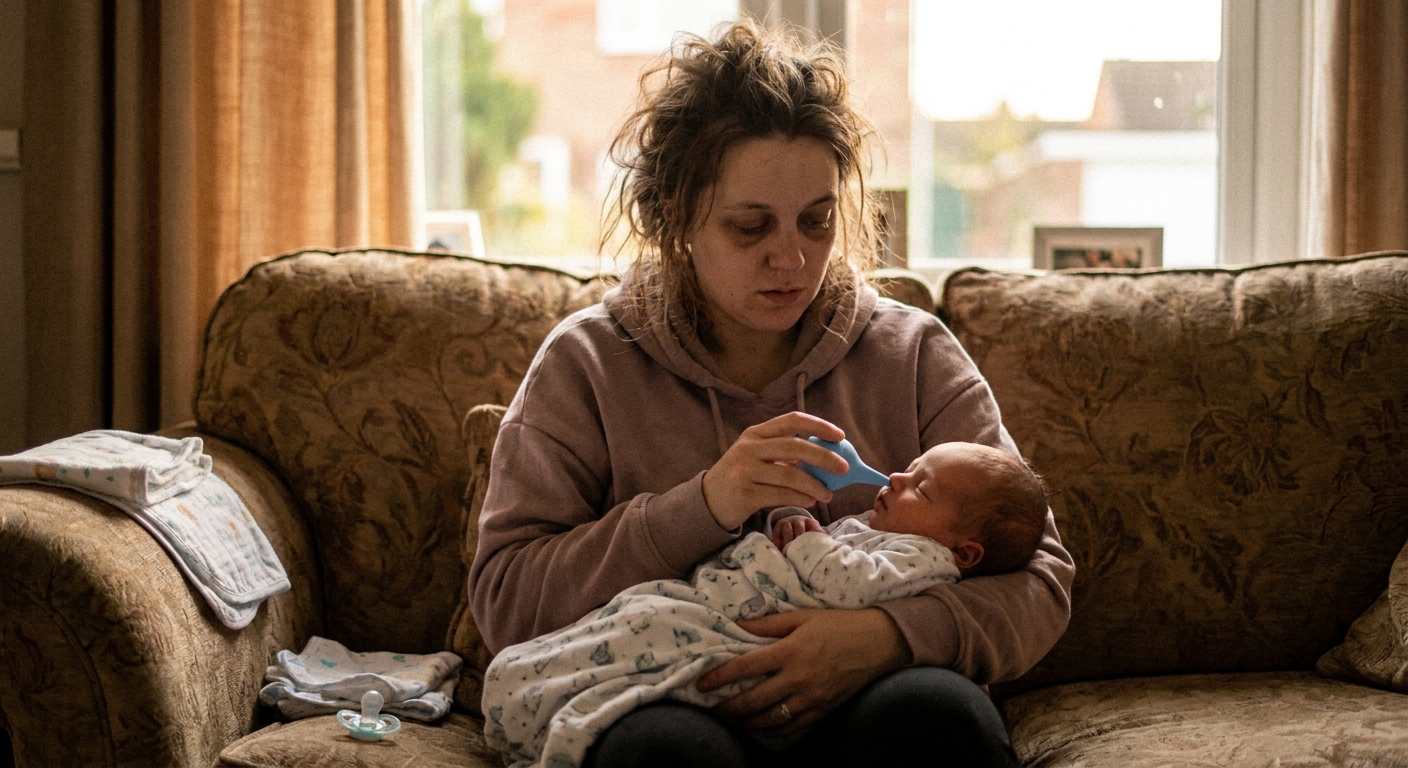
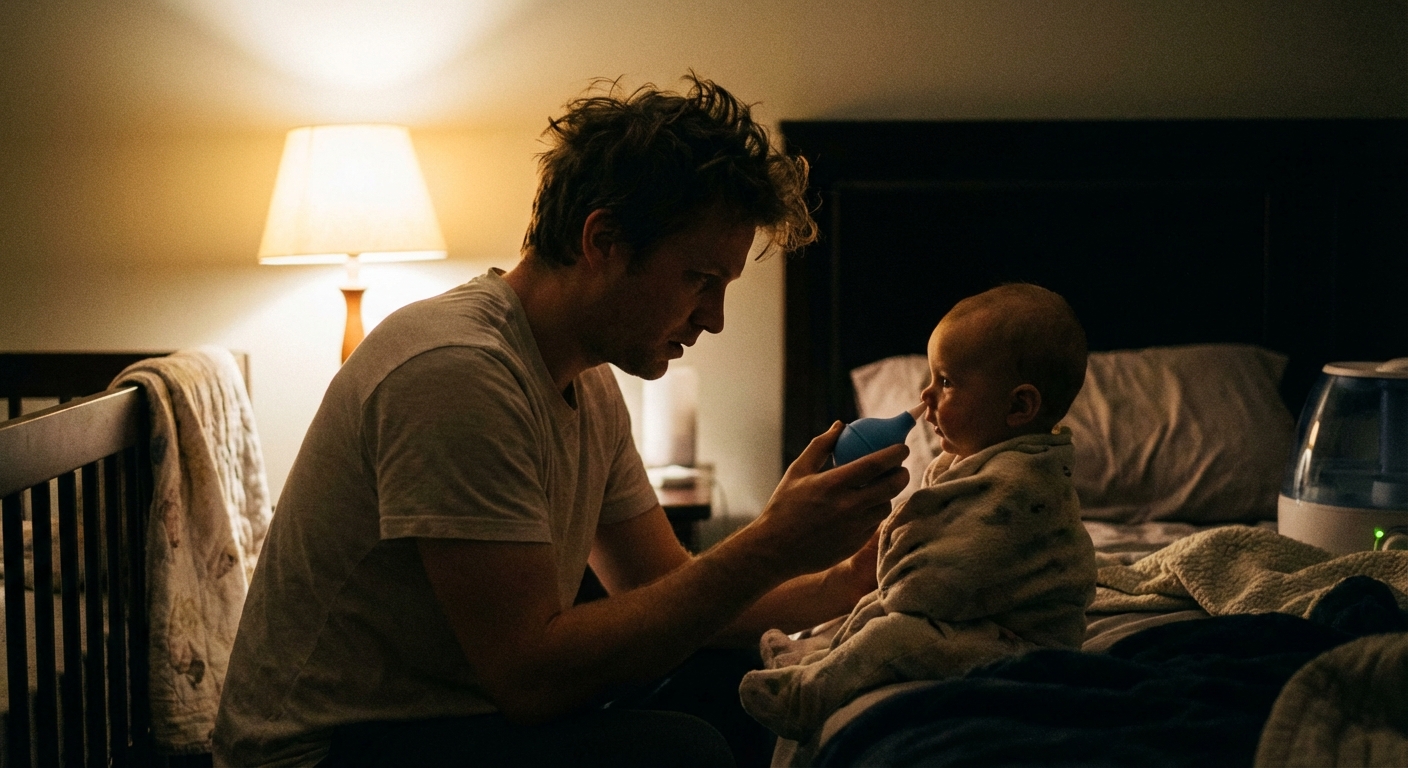
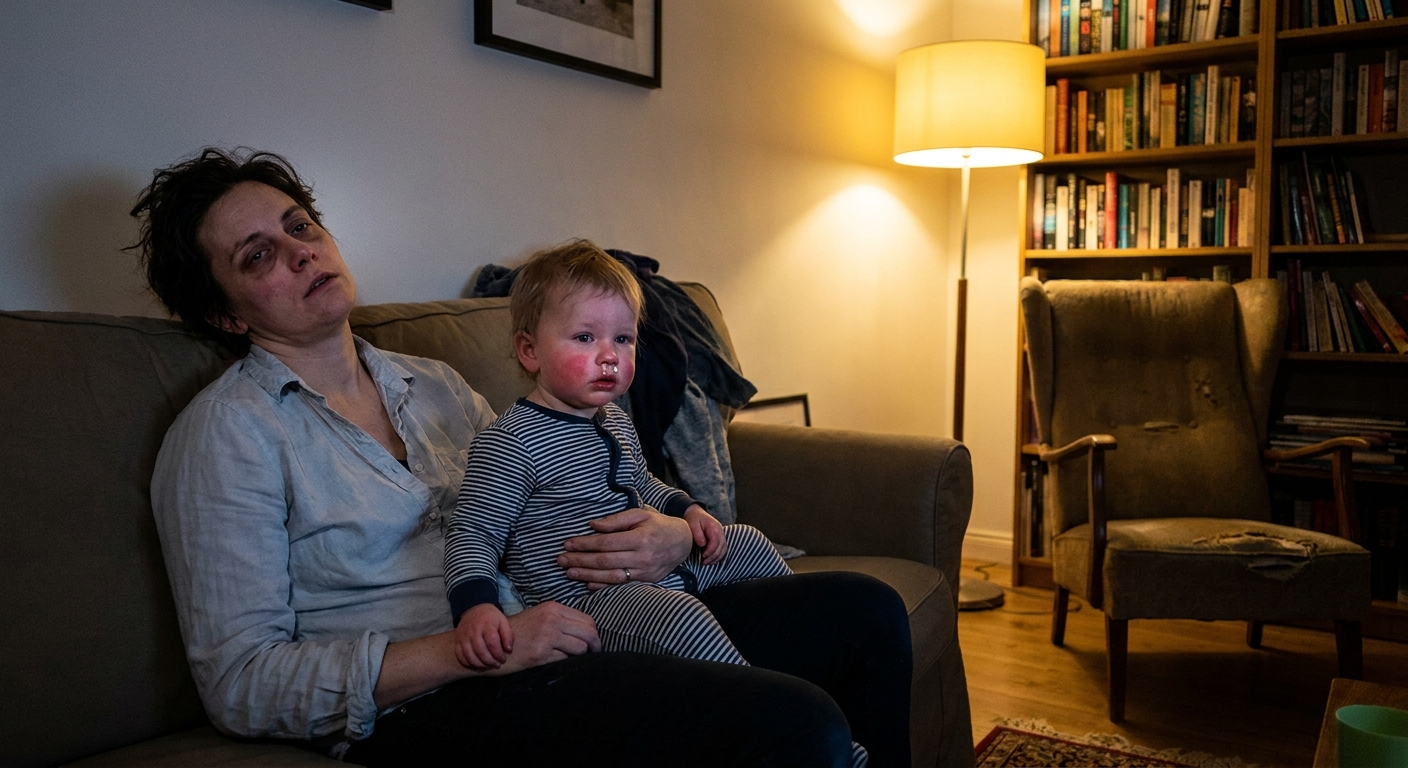
When RSV season rolls around, I see the same look on parents’ faces in clinic: a mix of dread and exhaustion. RSV can be a rough ride for babies, and not just for the baby. It can turn sleep into a distant memory for the whole house.
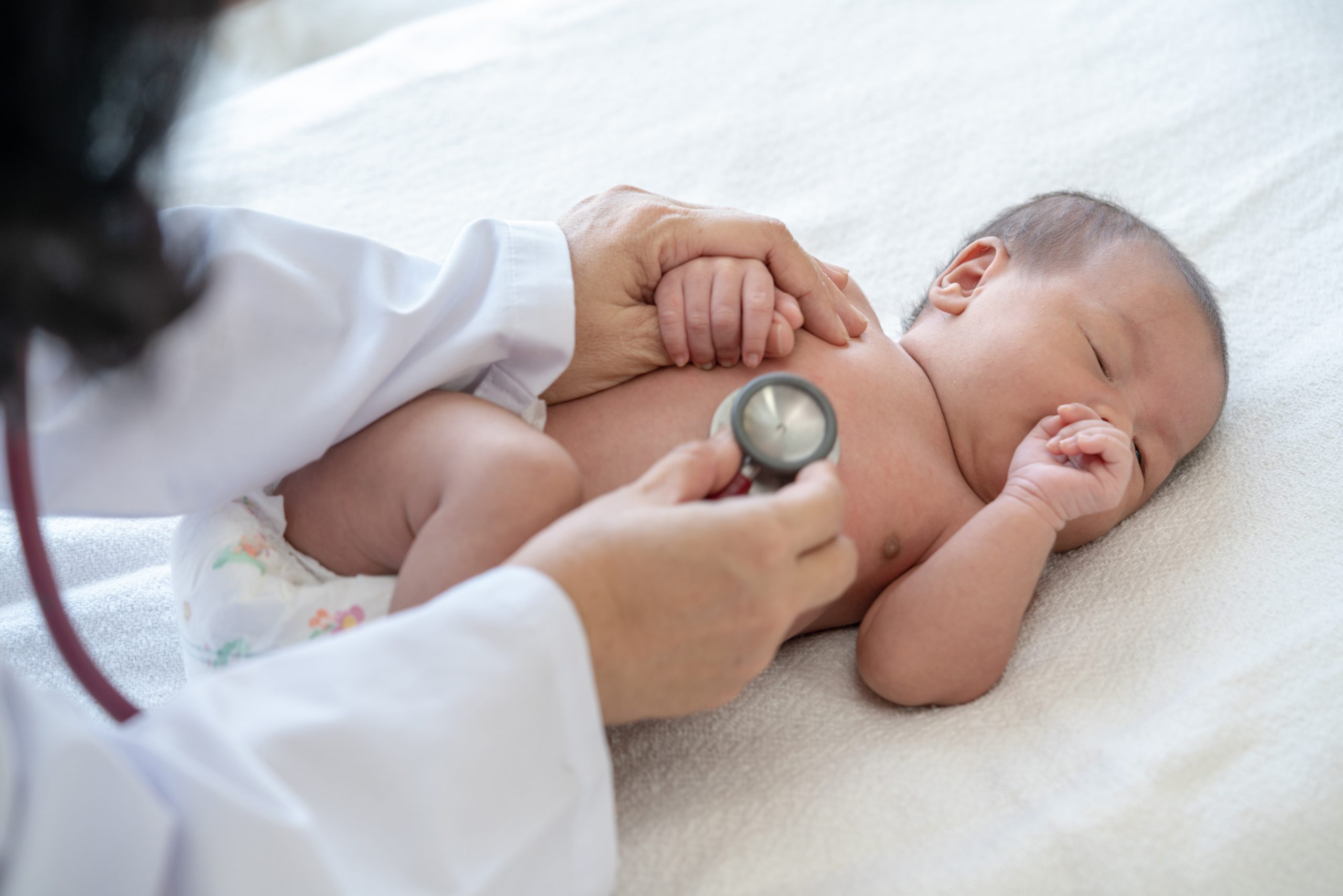
Beyfortus is one of the biggest recent changes in RSV prevention for infants. It is not a medicine you give once a baby is sick. It is a single dose antibody shot for the season that helps protect babies from getting seriously ill with RSV in the first place.
What is Beyfortus (nirsevimab)?
Beyfortus is the brand name for nirsevimab. It is a long-acting monoclonal antibody given to babies to help prevent severe RSV disease.
Here is the simplest way to think about it:
- Vaccines teach the body to make its own protection over time.
- Beyfortus gives your baby ready-made protection right away, by supplying antibodies that can recognize RSV.
This is why you may hear it called an “RSV antibody shot” rather than an RSV vaccine.
Another expectation setter that helps families: this protection is designed to last through the RSV season, and it wanes over months. It is not lifelong immunity.
Who is offered nirsevimab?
Recommendations can vary a bit depending on supply and local guidance, but in general, Beyfortus is offered to:
- Most infants younger than 8 months entering their first RSV season, especially if the pregnant parent did not receive the maternal RSV vaccine in the recommended window, their vaccination status is unknown, or the baby was born too soon after maternal vaccination for antibody transfer to be reliable.
- Some children 8 to 19 months who are at higher risk for severe RSV and are entering their second RSV season, such as certain children with chronic lung disease of prematurity, significant congenital heart disease, severe immune compromise, or other qualifying medical conditions as defined by current clinical guidance.
Your baby’s clinician will consider age, time of year, your baby’s medical history, and whether protection was already provided during pregnancy (more on that below).
If you are unsure whether your baby qualifies, call your pediatrician and ask two very specific questions:
- “Is my baby recommended to receive nirsevimab this RSV season?”
- “If yes, when can we schedule it, and is it available in your office?”
When is Beyfortus given?
RSV season timing varies by region, and in recent years it has been less predictable. In much of the US it still tends to rise in the fall and winter.
Beyfortus is typically given:
- Before RSV starts spreading widely in your community, or
- At the start of the season, or
- Shortly after birth if your baby is born during RSV season.
Because it is long-acting, many babies only need one dose per season. If your baby was in the NICU or has complex medical needs, timing may be coordinated with specialists and hospital discharge planning. Some hospitals also give it to eligible newborns before discharge during RSV season.

Dosing basics parents ask about
You do not need to memorize milligrams, but it helps to know how clinicians think about dosing:
- Infants typically receive a dose based on weight (smaller babies get a smaller dose, bigger babies get a larger dose).
- Eligible higher-risk children 8 to 19 months entering their second season generally receive a higher dose than a young infant.
It is given as an injection, and for most infants that usually means the thigh.
Beyfortus vs maternal RSV vaccine
This is where a lot of confusion comes from, and honestly, I do not blame anyone. These options are both meant to protect young babies from severe RSV, but they work differently and happen at different times.
Maternal RSV vaccine (during pregnancy)
- Who gets it: The pregnant parent.
- Goal: The parent makes antibodies and passes them to the baby through the placenta.
- Timing: Given in late pregnancy, in a recommended window that lines up with RSV season so enough antibodies are made and transferred before birth.
Beyfortus (nirsevimab) (for the baby)
- Who gets it: The baby.
- Goal: The baby receives ready-made antibodies directly.
- Timing: Given to infants entering RSV season or born during the season.
Do babies need both? Usually, the intent is that most babies have protection through one route (either maternal vaccination during pregnancy or nirsevimab after birth). That said, there are scenarios where a clinician may still recommend nirsevimab even if maternal vaccination happened, such as when the baby was born very soon after vaccination, when vaccination status or timing is unclear, or when a baby has certain high-risk medical conditions and the team is worried antibody transfer may not be enough.
Beyfortus vs Synagis
If you had a preemie or medically fragile baby in the past, you might remember Synagis (palivizumab). It is also an antibody product used to help prevent severe RSV, but it has traditionally been reserved for higher-risk infants.
Key differences parents tend to notice:
- Dosing schedule: Palivizumab is given as monthly injections during RSV season for qualifying high-risk babies. Nirsevimab is designed as a single dose for the season for many infants.
- Who it’s for: Palivizumab has been used mainly for infants and young children at higher risk. Nirsevimab expanded protection to many more babies, including healthy full-term infants, depending on current guidance and availability.
- Clinic logistics: Monthly Synagis visits could feel like a part-time job during winter. The one-dose approach can be simpler for families.
If your child has complex medical needs, their care team will guide you on whether nirsevimab or palivizumab is the right option for this season.
What to expect after the shot
Most babies do just fine after Beyfortus. When side effects happen, they are usually mild and short-lived.
Common mild reactions
- Soreness, redness, or swelling where the shot was given
- Fussiness or more crying than usual for a day
- Sleepiness or mild change in sleep for 24 hours
- Low-grade fever (less common, but can happen)
In clinic triage, my “normal vs not normal” line is pretty practical: if your baby is eating well, peeing normally, and can be soothed, you are usually in the reassuring zone.
When to call urgently or seek emergency care
Call your pediatrician urgently if you are worried about an allergic reaction, such as hives, swelling of the face or lips, or vomiting that seems sudden and severe.
Seek emergency care right away for trouble breathing, blue or gray lips or face, pauses in breathing, or if your baby becomes suddenly very hard to wake. Serious reactions are uncommon, but breathing symptoms are always an emergency in babies.
What Beyfortus does not do
This is the most important expectation setter.
It does not treat RSV
Beyfortus is preventive. It is not a rescue medication.
If your baby is already wheezing, breathing fast, retracting (skin pulling in between ribs), or struggling to feed because of respiratory symptoms, Beyfortus is not going to make those symptoms go away. At that point, what your baby needs is a medical assessment to determine how significant the illness is and what support is needed.
It does not guarantee your baby will not catch RSV
Beyfortus is meant to lower the risk of severe disease, especially illness that leads to emergency visits or hospitalization. Babies can still get RSV, and they can still get colds and other viruses that look similar.
It does not replace everyday prevention
During RSV season, the basics still matter:
- Hand washing before holding the baby
- Keeping sick visitors away, even if they “feel mostly fine”
- Limiting close contact with crowds for young infants when possible
Questions parents ask
Is Beyfortus the same as an RSV vaccine?
No. Beyfortus is a monoclonal antibody product. It gives passive protection rather than teaching your baby’s immune system to build its own response the way vaccines do.
Can my baby get Beyfortus with other vaccines?
Often, yes. In many practices, Beyfortus can be given alongside routine childhood immunizations. Your pediatrician will confirm what is appropriate for your baby that day.
Is there a best choice between maternal RSV vaccination and Beyfortus?
They are both tools to protect infants, and the best choice depends on timing of pregnancy, time of year, your baby’s birth date, and medical risk factors. If you are currently pregnant, your OB or midwife is the best place to start. If your baby is already born, your pediatrician will guide you.
What if my baby already had RSV this season?
This is an important question for your pediatrician because recommendations can depend on your baby’s age, risk factors, and the timing of illness within the season. Having RSV once does not always mean a baby cannot get it again, but the right prevention plan should be individualized.
Bottom line
Beyfortus (nirsevimab) is a preventive RSV antibody shot designed to help protect babies, especially young infants, from the most severe RSV outcomes during RSV season. It is different from the maternal RSV vaccine and different from Synagis, and it is not a treatment once a baby is already wheezing or in respiratory distress.
If you are on the fence, bring it up at your next newborn or well visit. In my experience, the best plan is the one you understand, feel comfortable with, and can actually get scheduled during RSV season.
Sarah Mitchell
Sarah Mitchell is a Registered Pediatric Nurse and a mother of three who has spent over a decade helping families navigate the beautiful, chaotic early years of childhood. She combines evidence-based medical knowledge with real-world parenting experience to offer practical, compassionate advice. At Awesome Parent, Sarah's mission is to help exhausted parents find solutions, trust their instincts, and finally get some sleep.