A clear, reassuring guide to postpartum lochia stages, normal clots, how long bleeding can last, what products to use, and red flags that need urgent care.
Breastfeeding and the Return of Your Period

Sarah Mitchell
Sarah Mitchell is a Registered Pediatric Nurse and a mother of three who has spent over a decade helping families navigate the beautiful, chaotic early years of childhood. She combines evidence-based medical knowledge with real-world parenting experience to offer practical, compassionate advice. At Awesome Parent, Sarah's mission is to help exhausted parents find solutions, trust their instincts, and finally get some sleep.
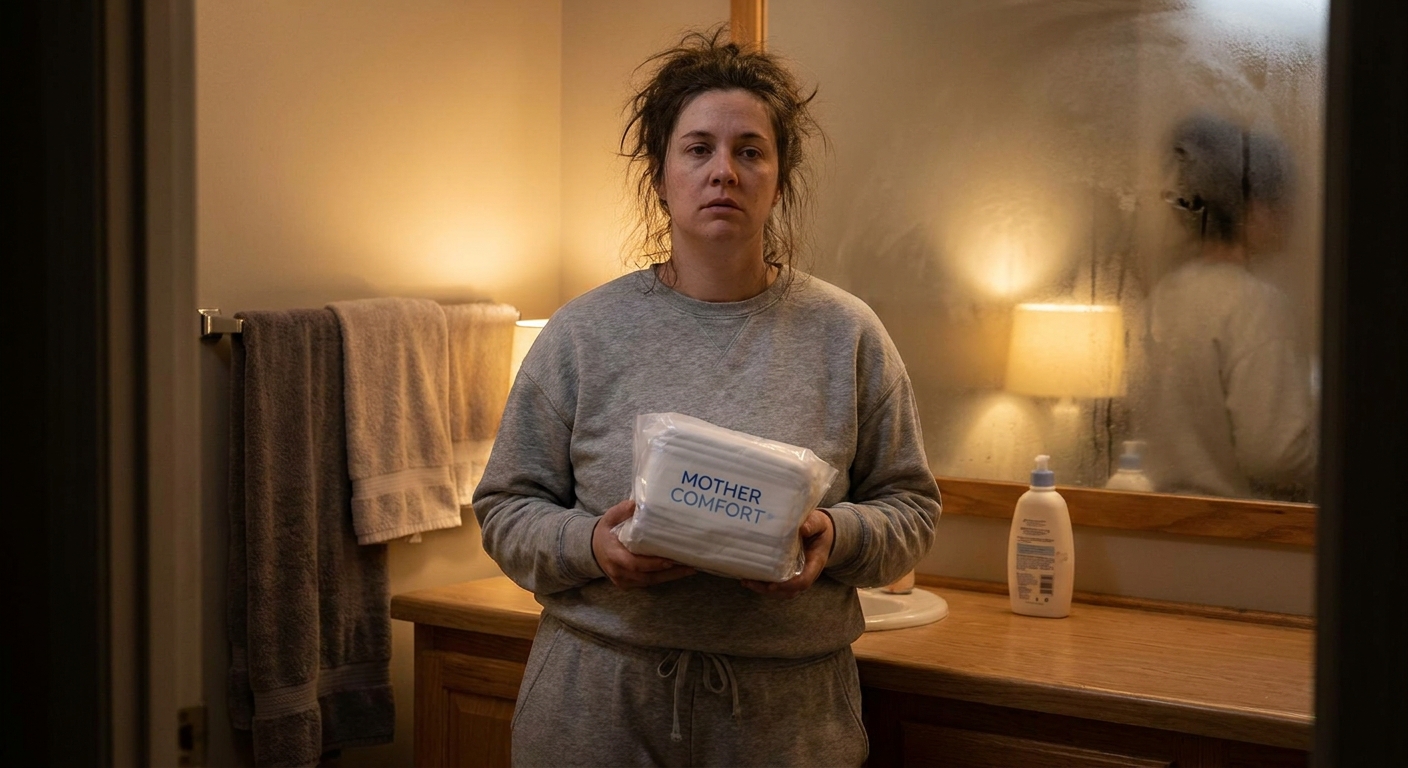
The first time my period came back while I was still nursing, I remember standing in my bathroom thinking: Wait, what? I thought breastfeeding was supposed to keep this away. If you are having the same moment right now, take a breath. This is incredibly common, it is usually normal, and it does not automatically mean your milk is drying up or that you did anything wrong.
Let’s talk about what is happening in plain language: why some people don’t get a period for many months, why others do even while nursing around the clock, what to expect with milk supply around your cycle, and why you can get pregnant before you ever see that first postpartum bleed.

What lactational amenorrhea means
Amenorrhea is just a medical word for “no period.” Lactational amenorrhea means “no period because of breastfeeding.”
Here is the simple version of the biology: frequent breastfeeding keeps certain hormones (especially prolactin) high. High prolactin helps make milk and tends to keep the brain from sending the full monthly signal that leads to ovulation. No ovulation usually means no period.
But “usually” is doing a lot of work there. Breastfeeding often delays the return of your cycle, but it does not guarantee it.
Why your period can return while you are still nursing
In my years as a pediatric triage nurse, this was one of the most common surprises I heard: “My baby nurses all the time. Why did my period come back?” The honest answer is that every body has its own hormonal “threshold,” and it can shift over time.
Common reasons cycles return earlier
- Longer stretches of sleep (yours or baby’s). As sleep stretches lengthen over a few nights or weeks, nursing frequency often drops enough for some bodies.
- Less frequent nursing overall, even if you are still breastfeeding a lot. A baby who becomes more efficient can drain the breast faster, so total daily stimulation may drop.
- Pacifiers, bottles, or pumping changes. Any change that replaces time at the breast can matter for some people.
- Starting solids. Many babies naturally nurse less once solids ramp up, especially after 6 months.
- Shorter or fewer feeds due to distraction, snack nursing, or busy days. The pattern matters as much as the total number of feeds.
- Individual variation. Some parents get a period back at 6 to 8 weeks postpartum despite exclusive breastfeeding. Others go a year or more without one.
One more important note: the first few months back can be a little chaotic. You might have spotting, a short cycle, or a longer cycle while your body finds its rhythm again.

Breastfeeding and pregnancy
This is the part I want you to read twice if a new pregnancy would be stressful right now.
You can ovulate before your first postpartum period. A period happens after ovulation. So the first time your body releases an egg again, you will not get a “heads up” in the form of bleeding beforehand.
LAM in real life
The lactational amenorrhea method (LAM) is a form of temporary birth control based on breastfeeding. When used perfectly and all criteria are met, it is commonly cited as about 98% effective in the first 6 months postpartum (you will see this referenced in public health guidance such as CDC and WHO materials).
It is considered reliable only if all of these are true:
- Your baby is under 6 months old.
- You are still amenorrheic, meaning your period has not returned (not counting normal postpartum lochia bleeding in the first weeks).
- Breastfeeding is exclusive or nearly exclusive with frequent feeds day and night.
What counts as “frequent” can vary by guideline. Many descriptions of LAM include no long gaps, often framed as about no more than 4 hours between feeds in the day and no more than 6 hours at night. If that does not sound like your current reality, you are not doing anything wrong. It just means LAM may not be a method you can count on.
Also, a practical note I use in triage conversations: for LAM purposes, many guidelines treat a “period return” as bleeding after about 8 weeks postpartum (around day 56) that looks and feels like a real period, or bleeding for at least two days in a row. If you are not sure whether what you had counts, ask your clinician.
If any one of the criteria above is not true, LAM is no longer considered reliable. Even when all criteria are true, no method is perfect, so talk with your clinician about contraception that fits your goals and your breastfeeding plans.
If you want a quick overview of options often considered compatible with breastfeeding, ask about: condoms, copper or hormonal IUDs, the implant, the progestin-only pill, or the shot. What is best depends on your health history and your timeline.
Milk supply dips around your period
Many breastfeeding parents notice a temporary supply dip in the days leading up to a period, or during the first days of bleeding. This can feel alarming, especially if your baby suddenly gets fussier at the breast.
What is usually happening is a short-term hormone shift. Estrogen and progesterone change around ovulation and menstruation, and that can affect how milk is made and how easily it lets down. The good news: for most people, it is temporary.
Signs you might be seeing a cycle dip
- Baby wants to nurse more often for a few days
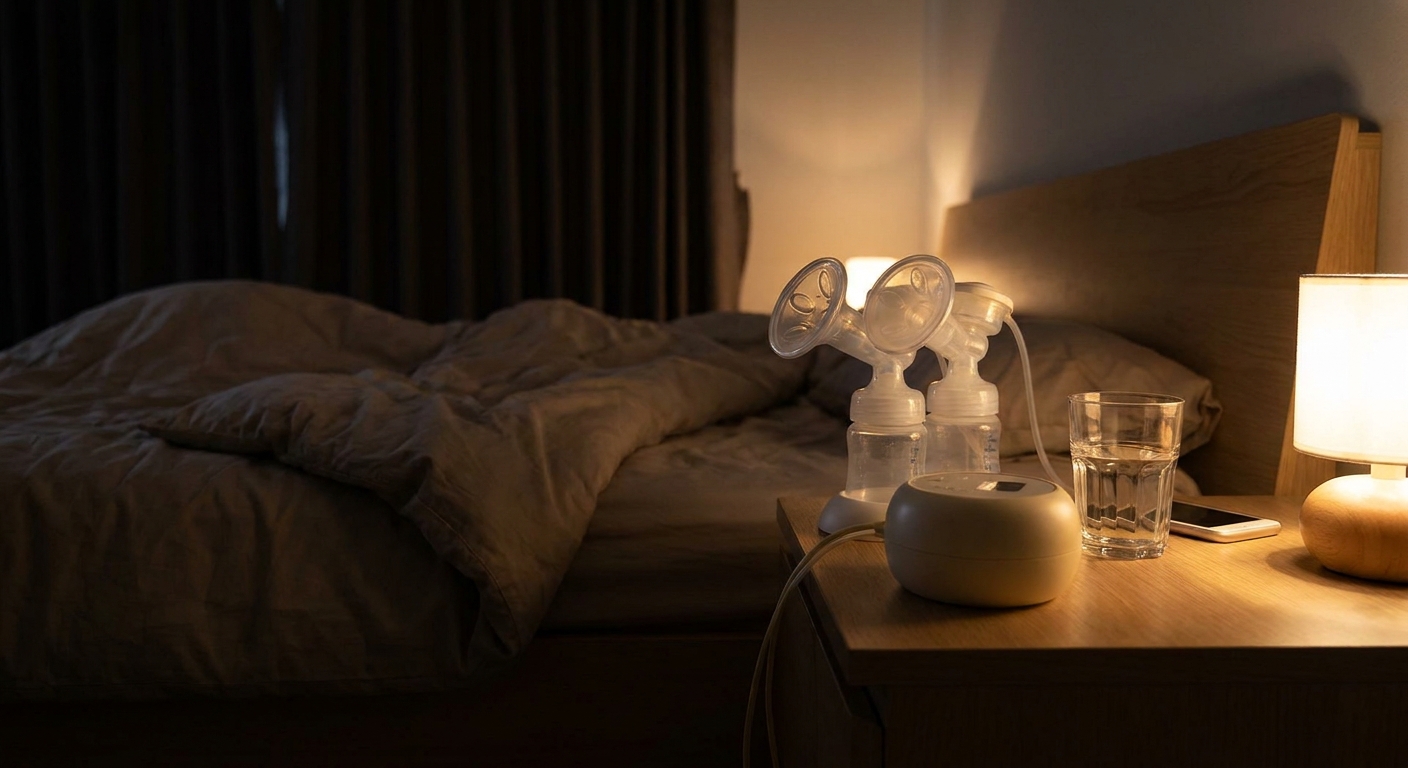
- Less milk output with pumping than usual
- Slower letdown or baby popping on and off
- More nipple sensitivity (some parents feel toe-curling tenderness)
What you can do
- Nurse on demand and offer the breast a little more often for a few days.
- Hydrate and eat enough. Your body is doing a lot.
- Consider gentle breast compressions during feeds to help milk flow if baby is frustrated.
- Be cautious with extra supplementation unless medically indicated. If you add a lot of formula without protecting milk removal, supply can drop further. If you do supplement, consider pumping to replace that missed stimulation.
- Ask your clinician about calcium and magnesium if dips are predictable and stressful. Some lactation clinicians suggest them for certain parents, but evidence is limited and dosing should be clinician guided, especially if you have kidney issues or take other supplements or medications.
If your baby is having fewer wet diapers, not gaining well, or seems persistently unsatisfied at the breast, do not chalk it up to “just my period.” That is a reason to get support promptly.
PMS, cramps, and spotting
Once your cycle returns, you might notice that PMS symptoms feel different than they did pre-baby. Breastfeeding can also cause uterine cramping during letdown, especially in the early postpartum weeks, and that can be confused with period pain.
Some common experiences I hear from parents:
- Spotting before a true period returns
- Heavier or lighter bleeding than before pregnancy
- More intense mood swings or irritability (sleep deprivation does not help)
- Breast and nipple tenderness around ovulation or menstruation
If bleeding is extremely heavy, painful, or accompanied by fever or a bad odor, that is not something to push through at home. Call your clinician. And if bleeding had clearly stopped and then you get a new, bright-red bleed later on, that is also worth a check-in.
Return of fertility
If you only remember one thing from this article, make it this:
You can get pregnant while breastfeeding, and you can get pregnant before your first postpartum period.
Because ovulation comes first, “waiting for my period to come back” is not a reliable way to know you are not fertile.
If you are hoping to avoid pregnancy, consider talking with your OB-GYN, midwife, family doctor, or a postpartum contraception clinic about options that are compatible with breastfeeding. If you are hoping to conceive, cycles can be irregular at first, so patience is often part of the plan.
When to take a pregnancy test
As a triage nurse, I always preferred a simple, low-stress first step when pregnancy is possible: test at home.
Consider taking a home pregnancy test if:
- You have had unprotected sex (or contraception failure) and you are unsure where your cycle is
- Your period returned and is now late
- You have pregnancy symptoms that feel more than “regular postpartum weirdness” (new nausea, breast changes beyond typical cycle tenderness, unusual fatigue)
- You have spotting and cramping and are not sure what is going on
Timing tip: if you are testing because your period is late, a test is often accurate on the first day of a missed period. If you have no cycles yet and are testing based on a specific unprotected encounter, many urine tests are more reliable about 2 to 3 weeks after sex. Testing earlier can be falsely negative. If your risk was high or symptoms persist, repeat in 48 to 72 hours or contact your clinician.
When to call your clinician
Most of the time, the return of your period while breastfeeding is a normal variation. Still, there are a few situations where it is wise to check in. Some irregular bleeding postpartum can also be related to issues like infection (endometritis), retained tissue, or thyroid changes. You do not need to diagnose yourself, but you do deserve a quick, thoughtful evaluation when something seems off.
Call urgently or seek same-day care if you have:
- Heavy bleeding that soaks through a maxi pad in an hour for 2 hours in a row
- Dizziness, fainting, or shortness of breath
- Fever, chills, or feeling very ill along with pelvic pain
- Severe one-sided pelvic pain (especially with spotting), which can be concerning for ectopic pregnancy
Make a routine appointment if:
- Your period has not returned by about 3 months after fully weaning, or you are concerned about hormonal or thyroid symptoms
- You have bleeding between periods repeatedly or after sex
- Your cycles are consistently extremely painful or very heavy
- You suspect low milk supply that does not rebound after your period ends
- You want help choosing birth control that fits breastfeeding and your health history
If you are ever unsure, it is completely appropriate to call. Postpartum bodies are not always predictable, and you deserve reassurance and a plan.
Quick FAQ
Can I get my period at 6 weeks postpartum while breastfeeding?
Yes. Some parents do, even with frequent nursing. It can also be tricky to tell the difference between a true period and postpartum bleeding early on. Lochia often tapers over weeks and can stop and start. If you are unsure, check in with your clinician.
Will getting my period make my milk dry up?
Not usually. A temporary dip is common, but most supplies bounce back within a few days. Persistent supply concerns deserve a lactation consult or clinician visit.
Can my baby dislike my milk during my period?
Some babies act fussier. Milk taste can shift slightly due to hormonal changes, and letdown can feel slower. Extra patience and frequent offering typically helps.
Is it normal to have irregular cycles while breastfeeding?
Yes. Irregular cycles are common, especially in the first few months after your period returns and while breastfeeding patterns keep changing.
The bottom line
Breastfeeding can delay your period, but it is not a promise. Your cycle can come back while you are still nursing, your supply may briefly dip around your period, and fertility can return before you see any bleeding at all.
If pregnancy is possible and the timing is uncertain, a home test is a simple next step. And if bleeding is heavy, pain is severe, you feel unwell, or something just feels off, trust that instinct and call your clinician. You are not overreacting. You are parenting wisely.

Sarah Mitchell
Sarah Mitchell is a Registered Pediatric Nurse and a mother of three who has spent over a decade helping families navigate the beautiful, chaotic early years of childhood. She combines evidence-based medical knowledge with real-world parenting experience to offer practical, compassionate advice. At Awesome Parent, Sarah's mission is to help exhausted parents find solutions, trust their instincts, and finally get some sleep.