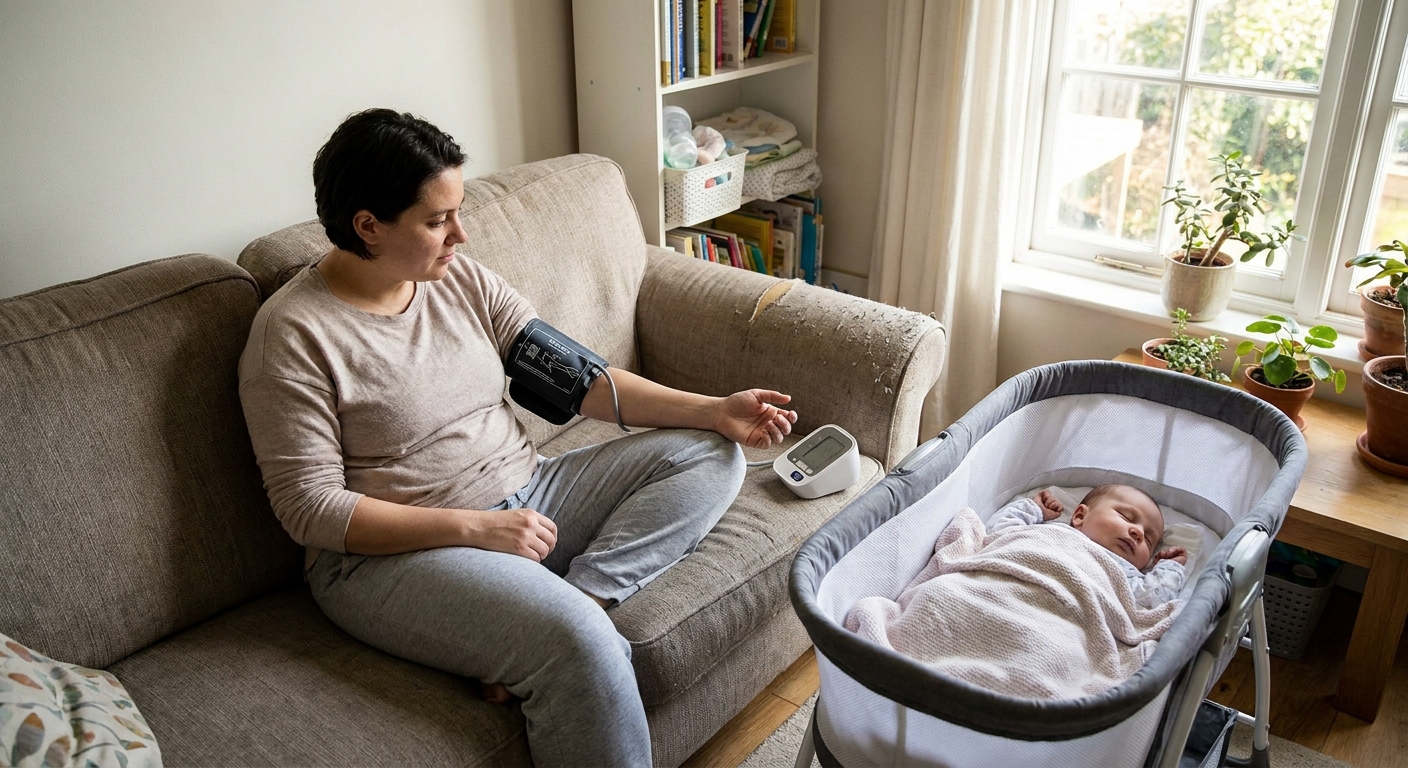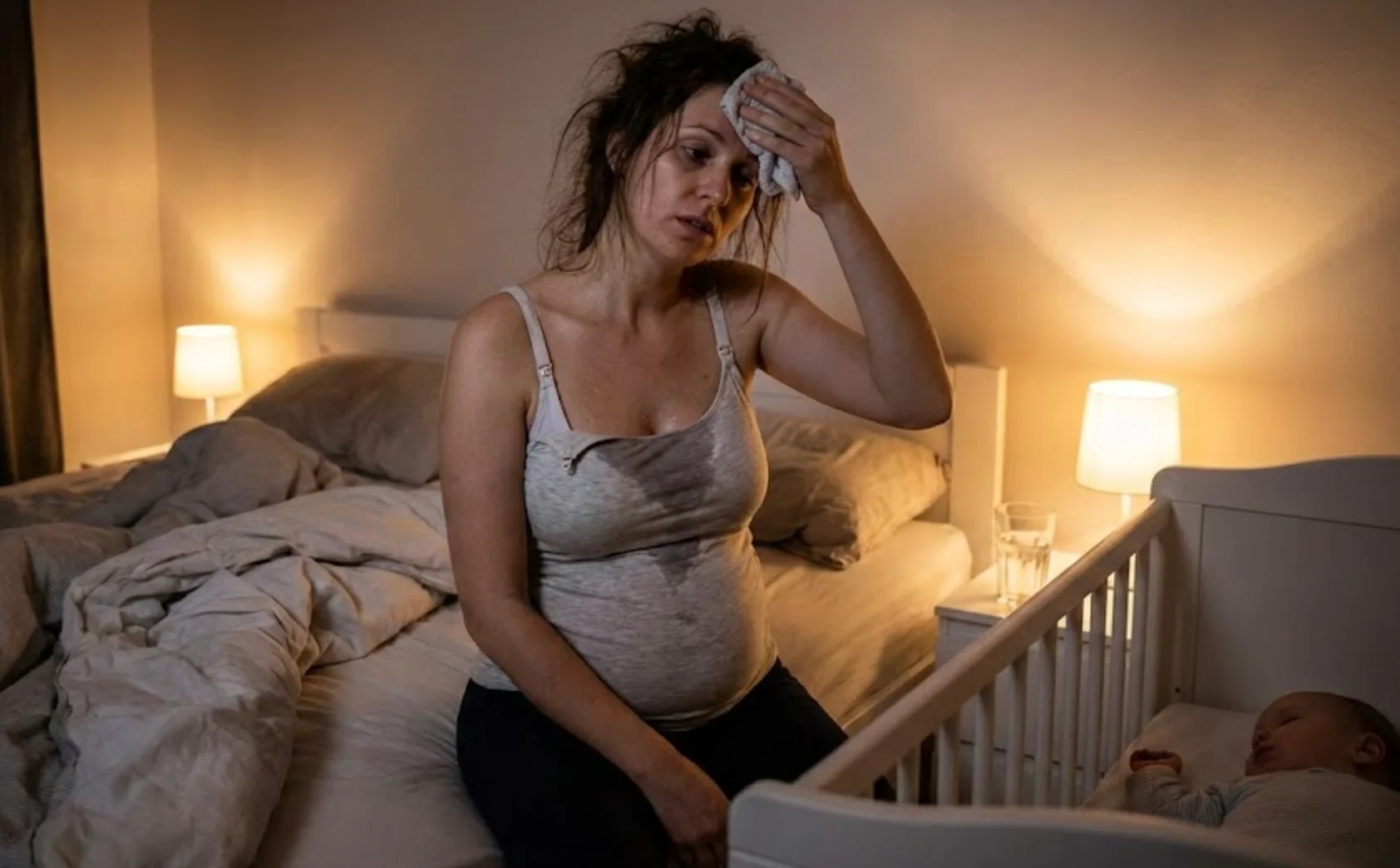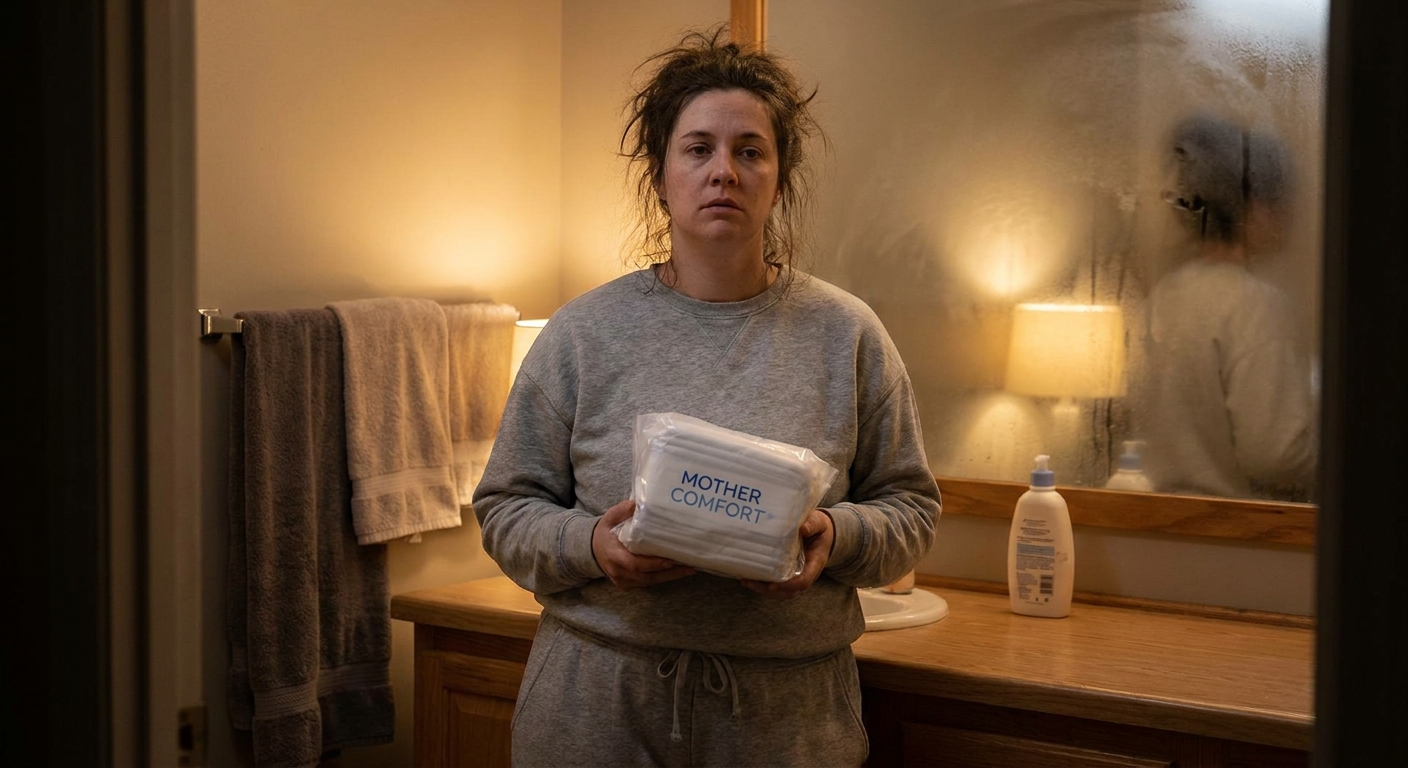
A clear, reassuring guide to postpartum lochia stages, normal clots, how long bleeding can last, what products to use, and red flags that need urgent care.
Postpartum Hemorrhage: Heavy Bleeding After Birth

Sarah Mitchell
Sarah Mitchell is a Registered Pediatric Nurse and a mother of three who has spent over a decade helping families navigate the beautiful, chaotic early years of childhood. She combines evidence-based medical knowledge with real-world parenting experience to offer practical, compassionate advice. At Awesome Parent, Sarah's mission is to help exhausted parents find solutions, trust their instincts, and finally get some sleep.
If you are freshly postpartum, bleeding can feel like one more “Is this normal?” question piled onto an already intense week. Most postpartum bleeding is normal. Some bleeding is not, and the difference matters because postpartum hemorrhage can become an emergency quickly.
In my role caring for newborns as a pediatric nurse, I talk to a lot of exhausted parents who are also trying to figure out their own recovery. A common theme is worrying they are “overreacting.” You are not overreacting when it comes to heavy bleeding after birth. If something feels off, trust that instinct and get help.
Quick note: This is general education, not a diagnosis. Your OB, midwife, and postpartum triage team are the right people to evaluate your specific situation.
What postpartum hemorrhage means
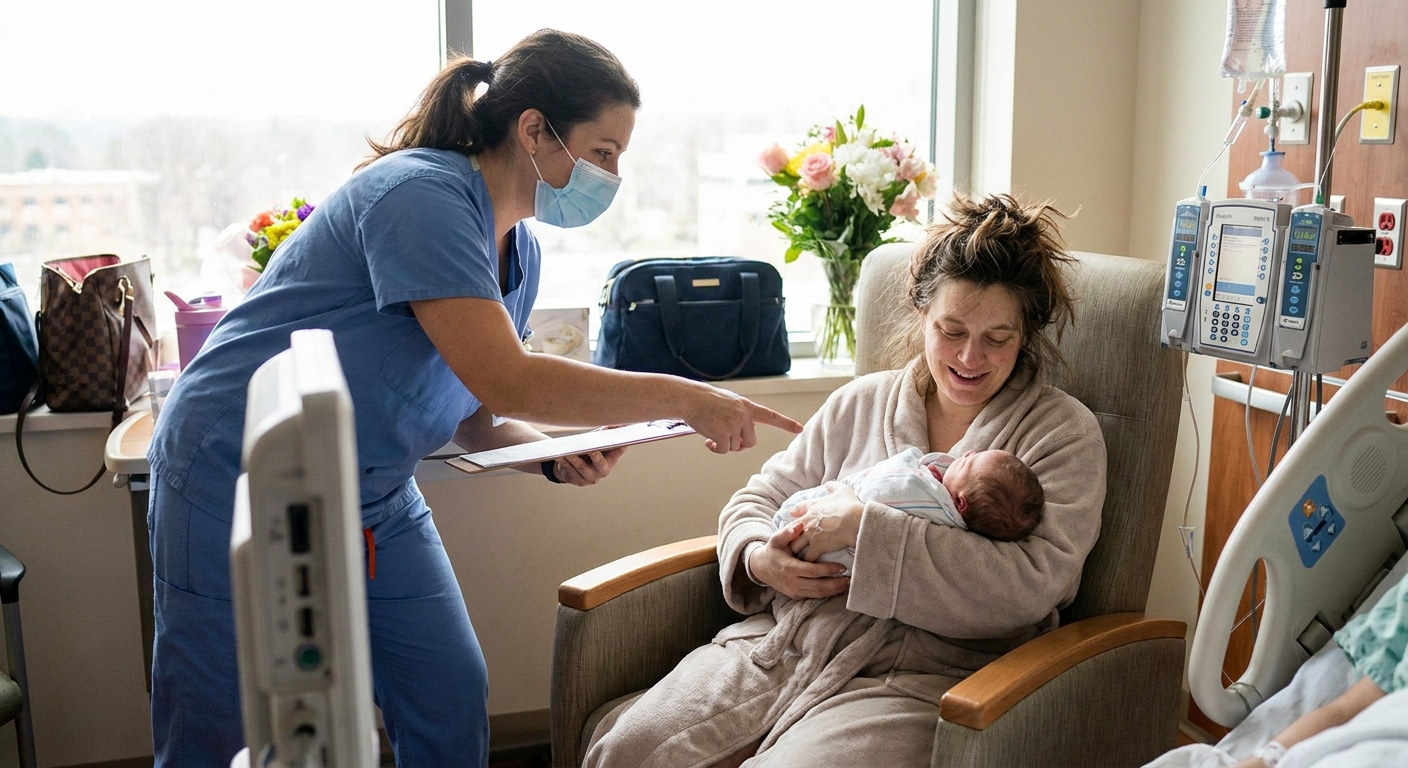
Postpartum hemorrhage (PPH) is too much bleeding after birth. It can happen soon after delivery (the first 24 hours) or later (after the first day, up to 6 weeks postpartum).
Clinically, providers measure blood loss in milliliters and watch vital signs, labs, and how your uterus is responding. At home, you do not need to calculate milliliters. You need clear “red flag” signs you can actually use.
Think of it this way: normal postpartum bleeding gradually eases over time. Postpartum hemorrhage is bleeding that is heavy, sudden, not slowing, or accompanied by symptoms like dizziness or fainting.
Normal lochia vs. dangerous bleeding
After delivery, your uterus is healing and shedding tissue and blood. This normal discharge is called lochia. It typically changes over the first several weeks, but the exact timeline can vary.
What normal lochia can look like
- First few days: often bright red bleeding, like a heavy period, sometimes with small clots
- Over the next week or so: often more pink or brown, lighter
- After that (up to a few weeks): often yellowish or creamy discharge, tapering off
Normal can still be annoying and messy. It may increase a bit when you stand up after resting, after breastfeeding (uterus contracts), or after overdoing it physically. The key is that it should settle back down and should not be soaking pads rapidly or making you feel sick. Even if you think you “just did too much,” heavy bleeding that meets the warning signs below still needs urgent help.
Warning signs that are NOT normal
- Soaking through a fully saturated maxi pad or large maternity pad in an hour for 2 hours in a row (or faster). Any rapid soaking is concerning.
- Passing clots larger than a golf ball (or a sudden increase in clot size or number)
- Bleeding that is getting heavier instead of lighter, especially after it had been slowing
- Bright red bleeding returns heavily after turning lighter, especially with symptoms
- Dizziness, fainting, weakness, confusion, or feeling like you might pass out
- Fast heartbeat, shortness of breath, chest pain, or pale, clammy skin (these symptoms are always an emergency postpartum, even if the cause is not bleeding)
- Severe pelvic or abdominal pain that feels wrong or worsening
- Fever, foul-smelling discharge, or increasing uterine tenderness (possible infection)
If you are reading those signs and thinking, “Oh. That’s me,” please skip the rest and get help now.

When to call 911 vs. your provider
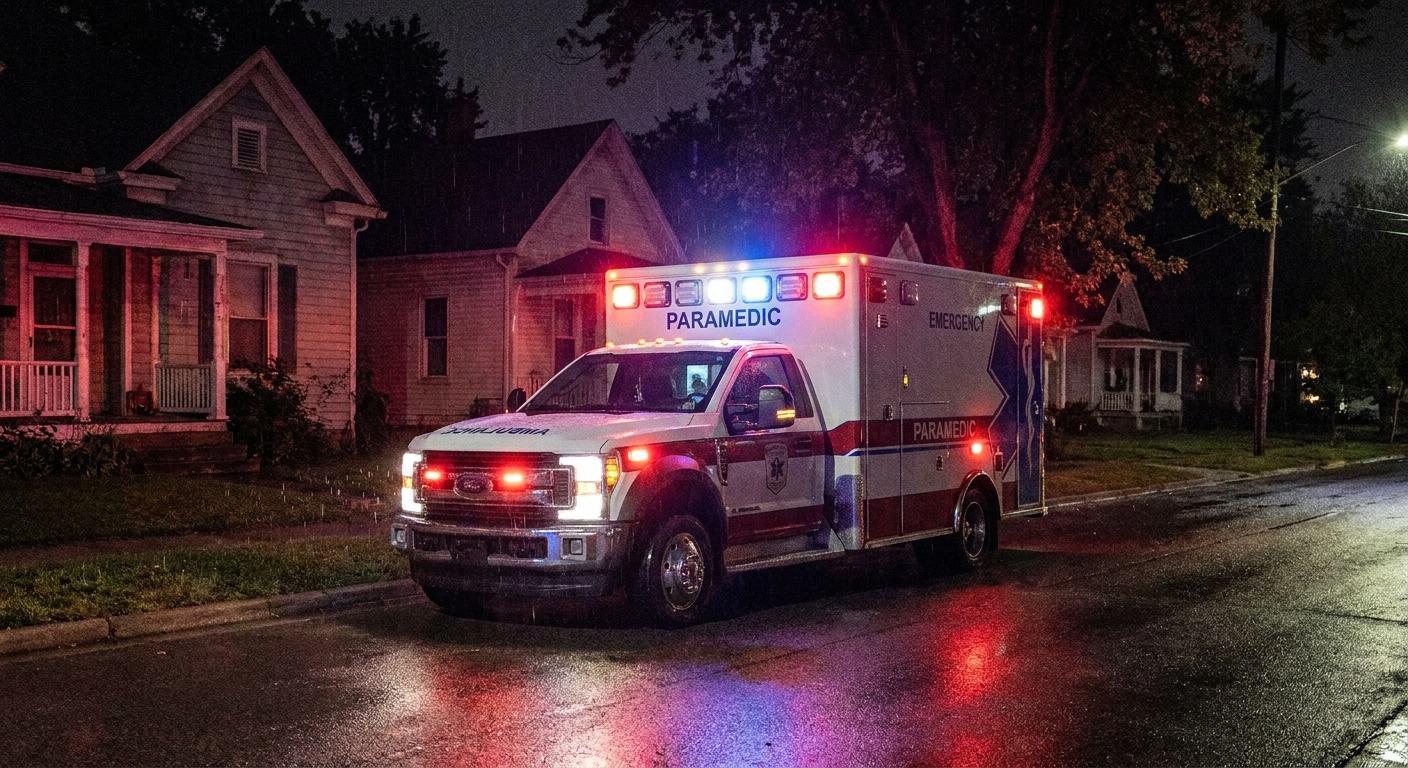
Call 911 (or your local emergency number) if:
- You are soaking a fully saturated maxi pad or large maternity pad in under an hour, especially with ongoing heavy flow
- You have fainting, near-fainting, severe dizziness, or cannot stand safely
- You have trouble breathing, chest pain, or a very fast heartbeat (these are emergency symptoms postpartum)
- You are bleeding heavily and feel confused, extremely weak, or “not right”
- You are bleeding heavily and you are alone with your baby and feel unsafe to drive
- You delivered at home or in a birth center and are having heavy bleeding with any of the above symptoms
Do not drive yourself to the hospital if you feel faint or weak. Hemorrhage can worsen quickly, and you deserve monitored, safe transport.
Call your OB or midwife urgently if:
- You passed a large clot but bleeding is now lighter
- You are bleeding more than a typical heavy period but not soaking pads hourly
- Your bleeding becomes bright red again and stays that way
- You have new or worsening pelvic pain, pressure, or a “full” feeling
- You have fever, foul-smelling lochia, or increasing uterine tenderness
If it is after hours and you cannot reach anyone quickly, it is appropriate to go to the emergency department or labor and delivery triage, depending on what your hospital uses for postpartum patients.
What to do right now
If you think you might be hemorrhaging, here are immediate, practical steps while you get help.
- Call for help first. If you meet the 911 criteria above, call 911. If you are unsure, call your OB or midwife office or on-call line and say: “I am postpartum and bleeding heavily.”
- Do not use tampons or a menstrual cup. Use pads only.
- Lie down if you feel dizzy. Put your feet up if you can. This can reduce the risk of passing out.
- Do not walk while carrying your baby if you feel dizzy or weak. If you need to move, put baby in a safe spot (crib, bassinet, or on the floor on a blanket) and ask someone to bring baby to you.
- If someone is with you, ask them to time pad changes. Knowing “soaking a pad every 20 minutes” is helpful information for medical teams.
- Document the pad safely. If you can do so without delaying care, take a quick photo of the pad, or bring it in a bag if possible and if your care team wants to see it.
- Keep your baby safe. If you are alone and feel faint, place baby in a safe spot like a bassinet or crib while you call for help.
- Do not ignore symptoms because you had a C-section. Postpartum hemorrhage can happen after vaginal birth or C-section.
If your discharge instructions mention checking your uterus (some do), you may be told to gently massage your lower abdomen if it feels very soft or “boggy.” If you were not instructed on this, focus on getting help rather than trying to troubleshoot.
Why postpartum hemorrhage happens
This is not your fault. Postpartum hemorrhage is a medical event, not a parenting failure.
- Uterine atony: the uterus is not contracting firmly enough after birth, so bleeding continues.
- Retained tissue: small pieces of placenta or membranes remain in the uterus.
- Lacerations: tears in the cervix, vagina, or perineum can bleed heavily even if the uterus is firm.
- Blood clotting problems: less common, but important, especially with certain medical conditions.
- Infection (more common with delayed heavy bleeding): can cause bleeding plus fever, uterine tenderness, foul-smelling lochia, and feeling unwell.
Sometimes heavy bleeding shows up later, after you thought you were in the clear. That delayed bleeding still deserves urgent attention.
Risk factors
Some situations make PPH more likely, but it can happen to anyone.
- History of postpartum hemorrhage
- Multiple pregnancy (twins or more)
- Long labor, very fast labor, or induction with medications
- Overdistended uterus (big baby, extra fluid, multiples)
- Placenta problems (placenta previa, suspected accreta, retained placenta)
- Operative delivery or C-section
- Severe tearing
- Preeclampsia or high blood pressure disorders of pregnancy
- Bleeding or clotting disorders
If you had any of these, it is worth asking your provider before discharge: “What amount of bleeding is too much for me specifically, and where should I go if it happens?”
How PPH differs from routine bleeding
Routine postpartum bleeding usually:
- Gradually decreases over days and weeks
- Changes from red to pink or brown to lighter discharge
- May briefly increase with activity or breastfeeding, then settles
- Does not cause symptoms like fainting or a racing heart
Postpartum hemorrhage often:
- Is sudden or clearly heavier than expected
- Soaks pads rapidly or produces large clots
- Comes with systemic symptoms like dizziness, weakness, shortness of breath, or palpitations
- Feels like your body is waving a big red flag
What the hospital may do
If you go in for heavy bleeding, care teams typically move quickly. That speed can feel intense, but it is a good thing.
- Check vital signs (pulse, blood pressure, oxygen)
- Examine your uterus and bleeding source
- Give IV fluids and possibly blood products if needed
- Medications to help the uterus contract
- Ultrasound if retained tissue is suspected
- Treat tears or remove retained tissue if present
- Antibiotics if infection is suspected
If you are breastfeeding, tell them. Most treatments are compatible with breastfeeding, and your team can help you plan for pumping or feeding during evaluation.
After you’re safe
Even when bleeding is controlled, you may feel wiped out for a while. Blood loss can lead to anemia, which can feel like:
- Extreme fatigue that does not match the sleep situation (and yes, postpartum sleep is already rough)
- Shortness of breath with mild activity
- Headaches, lightheadedness
- Racing heart
Ask your provider whether you need bloodwork, iron supplementation, or close follow-up. If you were treated for PPH, it is also okay to ask for a debrief. Many parents feel shaken afterward, and talking through what happened can help your nervous system catch up.
Quick checklist
- Yes, emergency help if you are soaking a fully saturated maxi pad or large maternity pad in under an hour, passing very large clots, or you feel faint, weak, confused, short of breath, or your heart is racing.
- Yes, call urgently if bleeding is getting heavier, bright red bleeding returns heavily, you passed a large clot even if things seem calmer now, or you have fever or foul-smelling discharge.
- Probably routine if bleeding is slowly tapering, changing from red to brown, and you feel otherwise well. When in doubt, call.
My nurse-to-parent reminder: You never need to “earn” care by waiting until you are sure. If you are worried about postpartum bleeding, reach out. This is exactly what postpartum triage lines and emergency teams are for.
Use this sentence
If you are calling an on-call line or speaking to a dispatcher, this simple wording helps communicate urgency:
“I gave birth on (date). I am bleeding heavily and soaking pads. I feel (dizzy/weak/faint). I’m worried about postpartum hemorrhage.”
You deserve to be taken seriously. And you deserve to heal without fear.
Sarah Mitchell
Sarah Mitchell is a Registered Pediatric Nurse and a mother of three who has spent over a decade helping families navigate the beautiful, chaotic early years of childhood. She combines evidence-based medical knowledge with real-world parenting experience to offer practical, compassionate advice. At Awesome Parent, Sarah's mission is to help exhausted parents find solutions, trust their instincts, and finally get some sleep.