Infant COVID can look different than in older kids. Here’s what to watch for (feeds, diapers, breathing), how to care for your baby at home, and when to call...
Breastfeeding When You Have COVID-19

Sarah Mitchell
Sarah Mitchell is a Registered Pediatric Nurse and a mother of three who has spent over a decade helping families navigate the beautiful, chaotic early years of childhood. She combines evidence-based medical knowledge with real-world parenting experience to offer practical, compassionate advice. At Awesome Parent, Sarah's mission is to help exhausted parents find solutions, trust their instincts, and finally get some sleep.
When you test positive for COVID-19 and you’re breastfeeding, the fear hits fast. I’ve taken more than a few middle-of-the-night triage calls that start with: “I’m sick. Do I have to stop nursing?”
In most cases, the answer is no. You can usually keep breastfeeding or keep providing expressed milk, even while you’re sick. The key is reducing the chance your baby is exposed to your airborne particles while you’re close together, and having a realistic backup plan for the moments you feel too miserable to safely feed.
Can I breastfeed if I have COVID-19?
Usually, yes. If you feel well enough to feed, continuing to breastfeed is generally encouraged. Breast milk provides hydration, calories, and immune factors that help protect babies from many infections.
COVID-19 spreads mainly through airborne particles. In real life, the bigger risks during breastfeeding are typically close face-to-face contact and contamination from unwashed hands or equipment, not the milk itself. That’s why the safety steps focus on masking, hand hygiene, and keeping pump parts and bottles clean.
If you are too sick to safely hold and feed your baby, you still may be able to express milk and have a healthy caregiver offer it. More on that below.
What if my baby has already been exposed?
If you live with your baby, exposure often happens before you even know you’re positive. At that point, stopping breastfeeding usually does not “undo” the exposure. The practical goal becomes lowering how much virus your baby encounters while you recover.
This article is focused on you being sick. If you think your baby is ill, your baby tests positive, or you’re worried about symptoms, call your pediatrician for baby-specific guidance. In many cases, breastfeeding is still encouraged because it helps with hydration and comfort when babies feel crummy.
How to lower risk while breastfeeding
Think of this as “layers of protection.” You do not need to be perfect, especially when you feel awful. Do the best you can with the highest-impact steps.
1) Wear a well-fitting mask while you feed
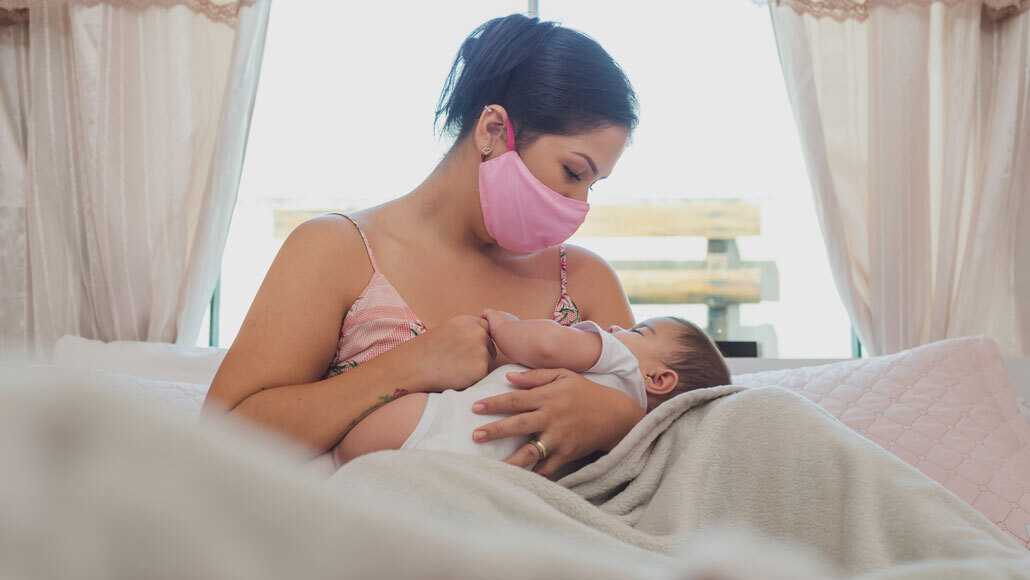
- Mask during nursing and anytime you’re close to your baby’s face.
- A snug surgical mask or a high-filtration mask you can tolerate works well.
- If masking is not possible because you are coughing hard or short of breath, consider pumping and having someone else feed the baby temporarily.
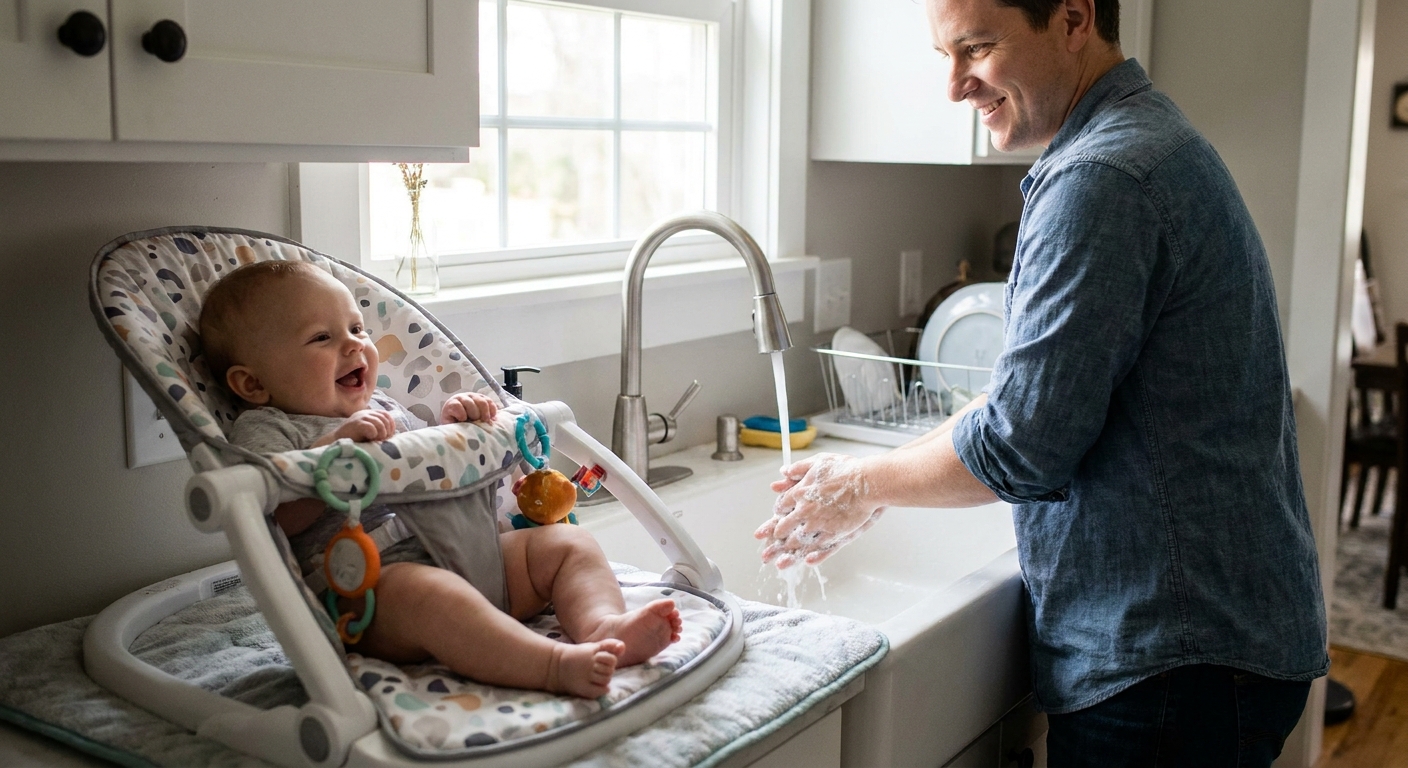
2) Wash your hands before touching baby or pump parts
- Wash with soap and water for 20 seconds, especially before feeds, after blowing your nose, and after coughing or sneezing.
- If you cannot get to a sink, use hand sanitizer with at least 60% alcohol, then wash properly when you can.
3) Minimize talking close to baby’s face during feeds
This feels a little sad, I know. But less talking close to baby’s face reduces droplets. You can still bond with touch and eye contact.
4) Clean high-touch surfaces
Do a quick wipe of things your hands hit a lot: phone, remote, doorknobs, pump buttons, nightstand. This is especially helpful if you are coughing frequently.
If you pump: expressed milk basics
If direct nursing feels like too much, pumping can be a great bridge. Expressed milk is also a smart option if you are coughing a lot or struggling to keep a mask on.
Before you pump
- Wash hands.
- Consider wearing a mask while setting up and pumping.
- Use your own pump equipment when possible, not shared.
After you pump
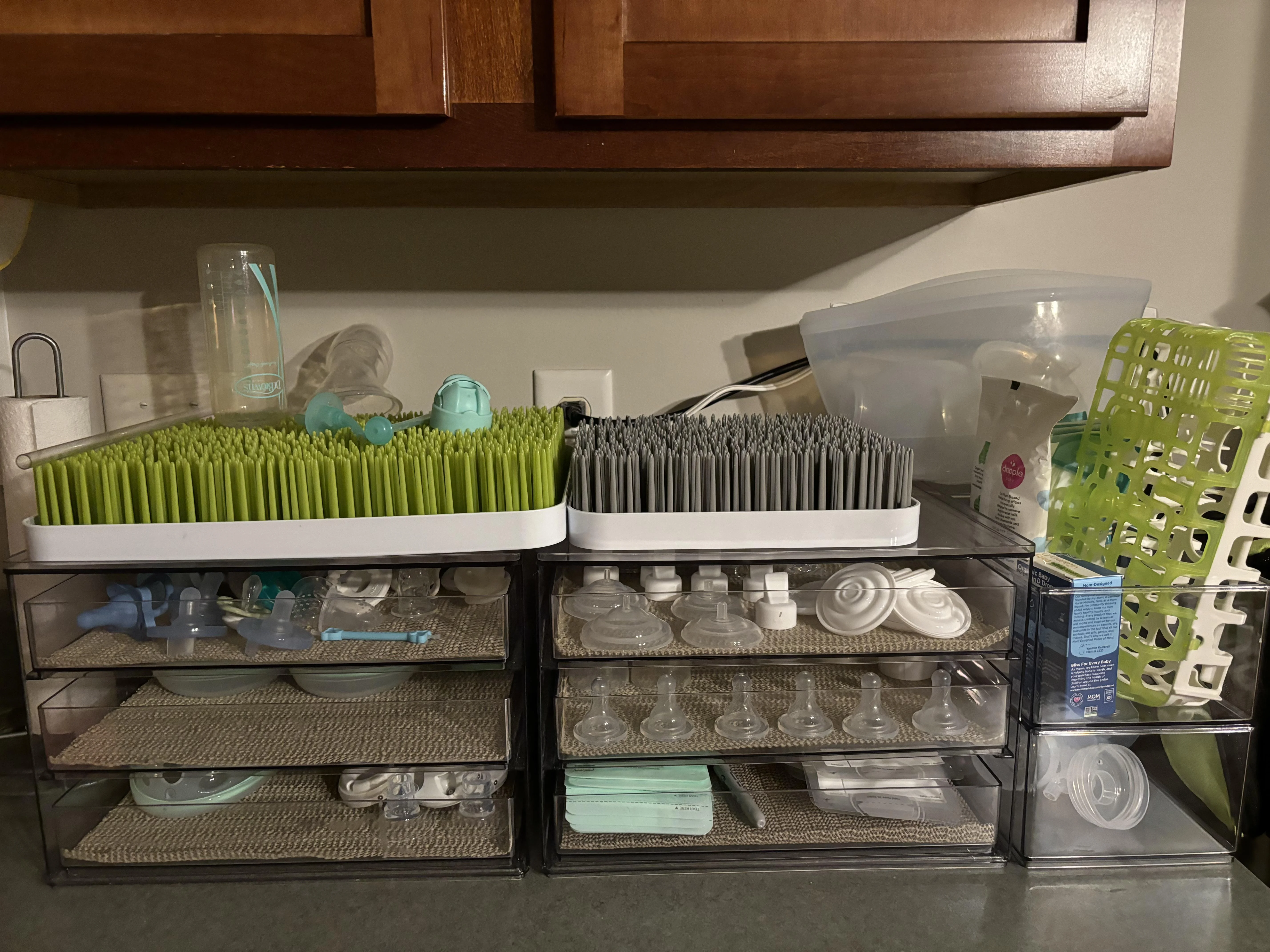
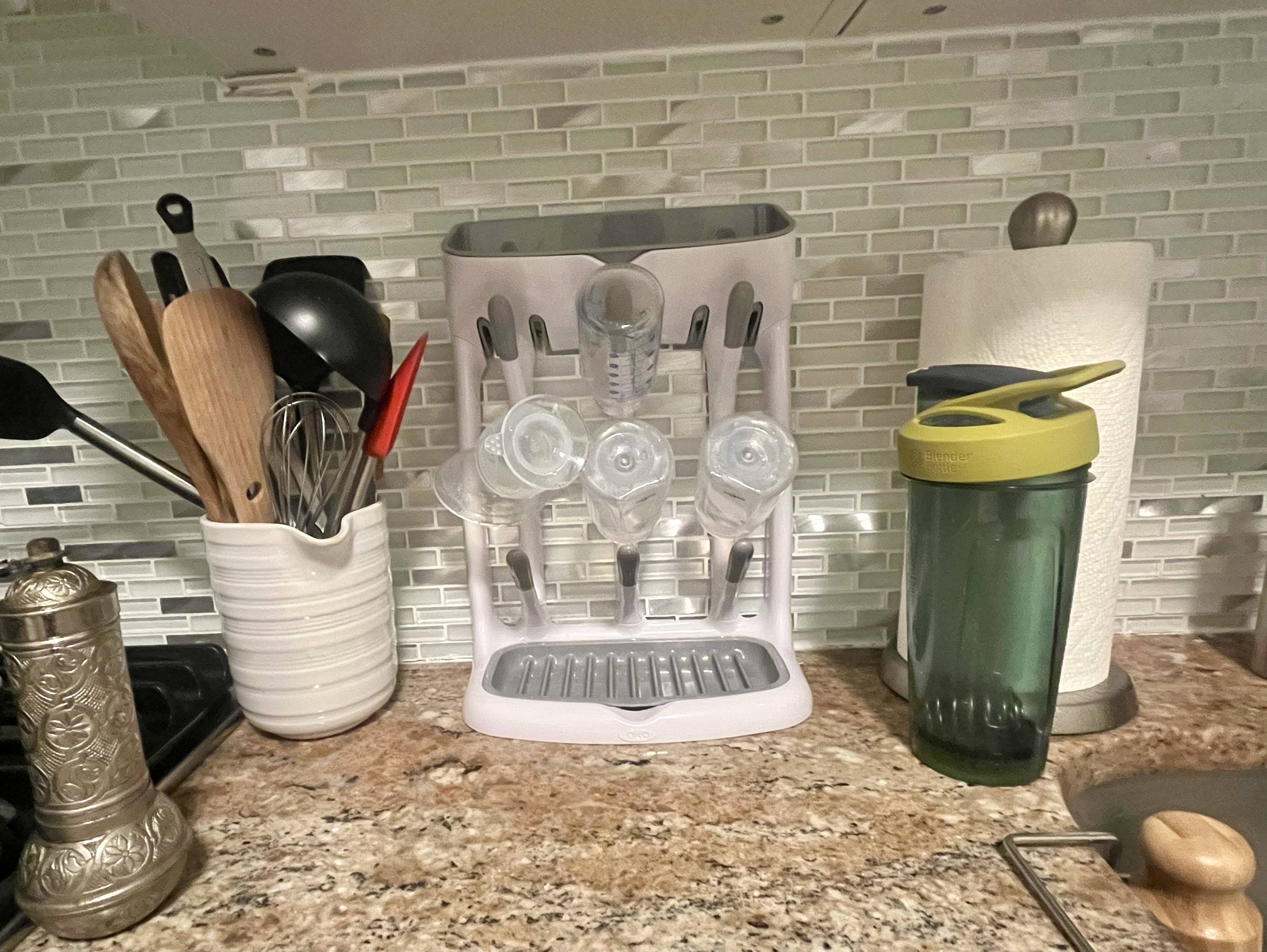
- Clean pump parts as recommended by the manufacturer after each use.
- If your baby is very young, premature, or medically fragile, ask your pediatrician about whether sanitizing parts on a regular schedule makes sense for your situation.
- Wash hands again.
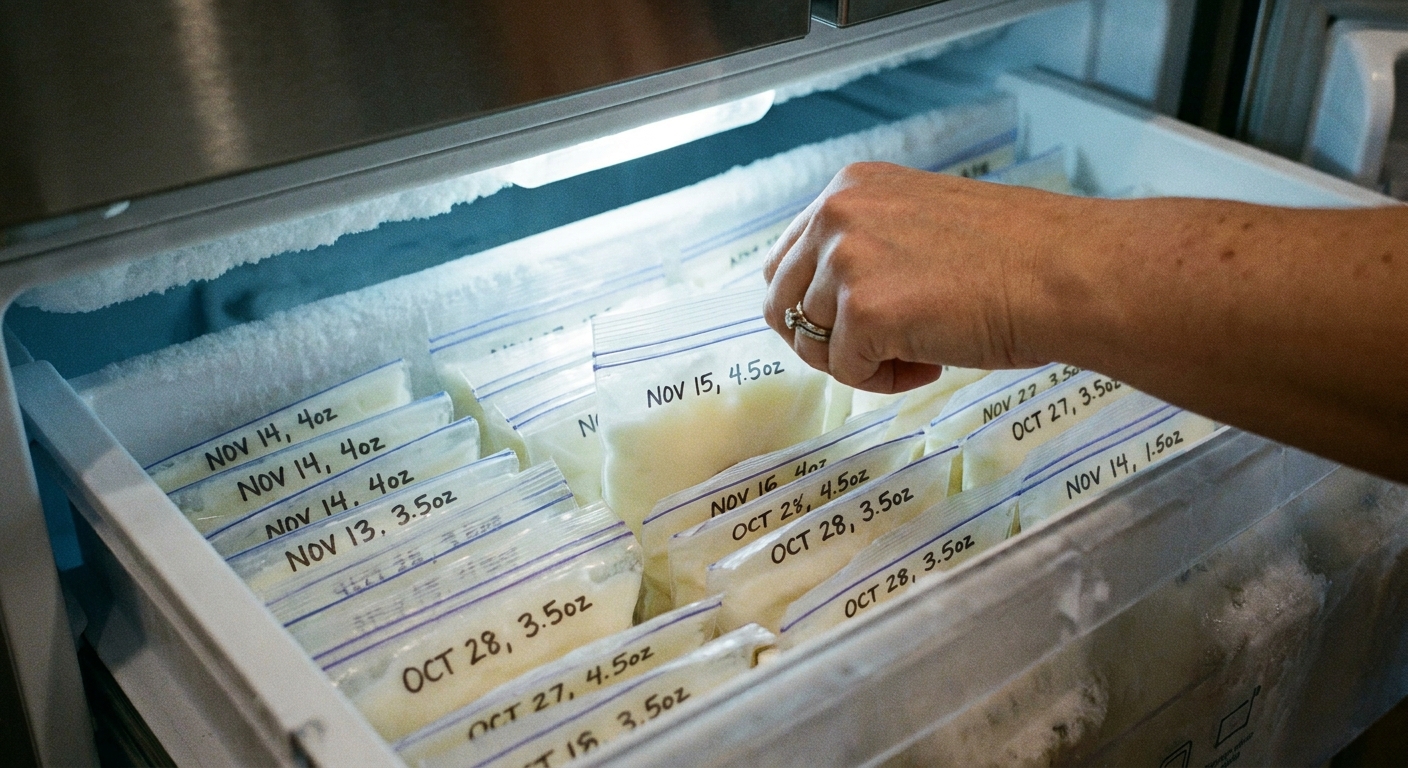
- Label milk if someone else is helping so they can follow your usual storage routine.
If sharing equipment is unavoidable
Sometimes life happens. If you must use shared equipment, follow strict cleaning and sanitizing steps per the manufacturer’s instructions and your local public health guidance. If anything cannot be properly cleaned, do not use it.
If a healthy caregiver is available
If someone in the home is well, one of the lowest-risk setups is: you pump in a separate space, then a healthy caregiver feeds the baby. That gives you rest and puts a little distance between your baby and your cough.
When to pause direct breastfeeding
Most parents can continue nursing, but there are times when it is safer to take a step back from direct feeds, at least temporarily.
Pause direct nursing and use expressed milk if:
- You are having frequent, forceful coughing that makes it hard to keep your baby positioned safely.
- You cannot tolerate wearing a mask during feeds.
- You feel so fatigued, dizzy, or weak that you are worried you might fall asleep or lose your grip while holding baby.
- You are vomiting, or rushing to the bathroom repeatedly, and cannot manage feeds hygienically.
Get emergency care for yourself if:
- You have trouble breathing, chest pain or pressure, new confusion, you cannot stay awake, or you notice pale, gray, or blue skin, lips, or nail beds.
- You have signs of dehydration such as very little urination, fainting, or inability to keep fluids down.
If you are sick enough to need emergency care, it is completely reasonable to focus on stabilizing you first. Your baby needs you alive and recovering. If you can, pump when you are able, but do not force it if you are unsafe or severely ill.
How long should I take precautions around baby?
Follow your current local public health guidance for isolation and masking. In general, if you are still feeling actively sick, coughing, or feverish, it is smart to keep using precautions like masking during close contact and feeds, plus hand hygiene, until you are clearly improving.
Will my milk supply drop if I’m sick?
It can, temporarily. The most common reasons are not the virus itself, but the ripple effects: dehydration, reduced calories, sleeping more, and nursing less often because you feel awful.
Supply-protecting basics
- Hydrate whenever you remember. Keep a big cup or bottle where you feed.
- Eat something with protein and carbs, even if it is “toddler food” like toast, yogurt, or a granola bar.
- If baby is nursing less, add a short pump session or two if you can tolerate it.
- Rest whenever possible. Healing matters.
If your supply dips, many parents see it rebound once they are sleeping, eating, and nursing normally again.
Medications and breastfeeding
This is where I put my triage-nurse hat on and also my mom hat: you deserve symptom relief, and you also deserve safe guidance.
Many common options are considered compatible with breastfeeding, but it depends on your health history, your baby’s age, and what else you are taking. Combination cold meds are notorious for containing ingredients you did not mean to take.
Often used options to ask about
- Acetaminophen for fever or aches.
- Ibuprofen for fever, aches, or inflammation.
Common ingredients to use with caution
- Pseudoephedrine can reduce milk supply in some parents.
- Sedating antihistamines can make you sleepy, which matters when you are caring for a baby and trying to feed safely.
Best move: call your OB-GYN, primary care clinician, pediatrician, or pharmacist and tell them you are breastfeeding. Ask them to recommend specific options for your symptoms and to confirm dosing.
Vaccines and boosters
If you are wondering about COVID-19 vaccination or boosters while breastfeeding, you are not alone. Many breastfeeding parents can be vaccinated, and immune protection can show up in breast milk. If you are unsure what is recommended for you right now or you are pregnant and postpartum, check in with your clinician for personalized guidance.
Isolation at home when you are the default parent
In a perfect world, you would isolate in a separate room while someone else handles the baby. In the real world, many families do not have that setup, or the breastfeeding parent is the only one baby accepts at 2 AM. If that is you, you are not failing. You are parenting on hard mode.
- Prioritize masking during close contact and feeds.
- Ventilate when possible: crack a window, run a fan, spend a little time outdoors if you can.
- Accept help in small ways: someone else brings you meals, refills your water, washes pump parts, does diapers between feeds.
Common questions
Do I need to pump and dump if I have COVID-19?
Usually, no. Pump-and-dump is not routinely needed just because you have COVID-19. If you are told to avoid breastfeeding temporarily due to a specific medication or a medical situation, that is different and should come directly from your clinician.
Should I wear gloves to breastfeed?
No, gloves are not necessary and can create a false sense of security. Clean hands are what matter.
Is it safer to switch to formula until I’m better?
Not automatically. Breast milk continues to support your baby’s immune system. If you need to supplement because you are too sick to feed, your supply is down, or you do not have help, that is a valid short-term tool. The “right” feeding plan is the one that keeps your baby fed and keeps you safe.
What if I’m coughing during a feed?
Pause if you can, turn your head away from baby, cough into your elbow, and clean your hands if you cough into them. If coughing fits are constant, pumping and having someone else feed may be safer until your cough improves.
When to call the pediatrician
This article is about a sick parent, but you should loop in your baby’s clinician if you need help deciding what is safest in your specific situation.
- If your baby is under 12 weeks old and you are worried about any illness signs.
- If feeding is falling apart: fewer wet diapers, weak feeding, or baby seems unusually sleepy.
- If your baby tests positive and you want guidance on what symptoms to watch for and how to support feeding and hydration.
- If you are too ill to care for your baby safely and you need a plan.
If you are ever unsure, call. This is exactly what pediatric offices are for, and you deserve guidance that is specific to your baby and your health history.
The bottom line
If you have COVID-19, you can usually keep breastfeeding or keep giving expressed milk. Focus on the high-impact safety steps: mask during close contact, wash hands before feeds and pumping, and keep bottles and pump parts clean. And if you are too sick to safely hold and feed your baby, it is okay to switch temporarily to pumped milk fed by someone else, or to whatever safe feeding option keeps your baby nourished while you recover.
Also, from one parent to another: being sick while caring for a baby is brutal. You are not weak. You are doing an incredibly hard thing.
Sarah Mitchell
Sarah Mitchell is a Registered Pediatric Nurse and a mother of three who has spent over a decade helping families navigate the beautiful, chaotic early years of childhood. She combines evidence-based medical knowledge with real-world parenting experience to offer practical, compassionate advice. At Awesome Parent, Sarah's mission is to help exhausted parents find solutions, trust their instincts, and finally get some sleep.