A parent-friendly HFMD contagiousness timeline, when it’s safe to return to daycare, and practical steps to prevent spread at home, including guidance for pr...
Can Parents Catch Hand, Foot, and Mouth Disease From Their Child?

Sarah Mitchell
Sarah Mitchell is a Registered Pediatric Nurse and a mother of three who has spent over a decade helping families navigate the beautiful, chaotic early years of childhood. She combines evidence-based medical knowledge with real-world parenting experience to offer practical, compassionate advice. At Awesome Parent, Sarah's mission is to help exhausted parents find solutions, trust their instincts, and finally get some sleep.
I still remember the first time I saw hand, foot, and mouth disease (HFMD) take out an entire household. The toddler had a few cranky days and some spots. The parents? One ended up with a sore throat that felt like swallowing glass and a rash that did not look anything like their child’s.
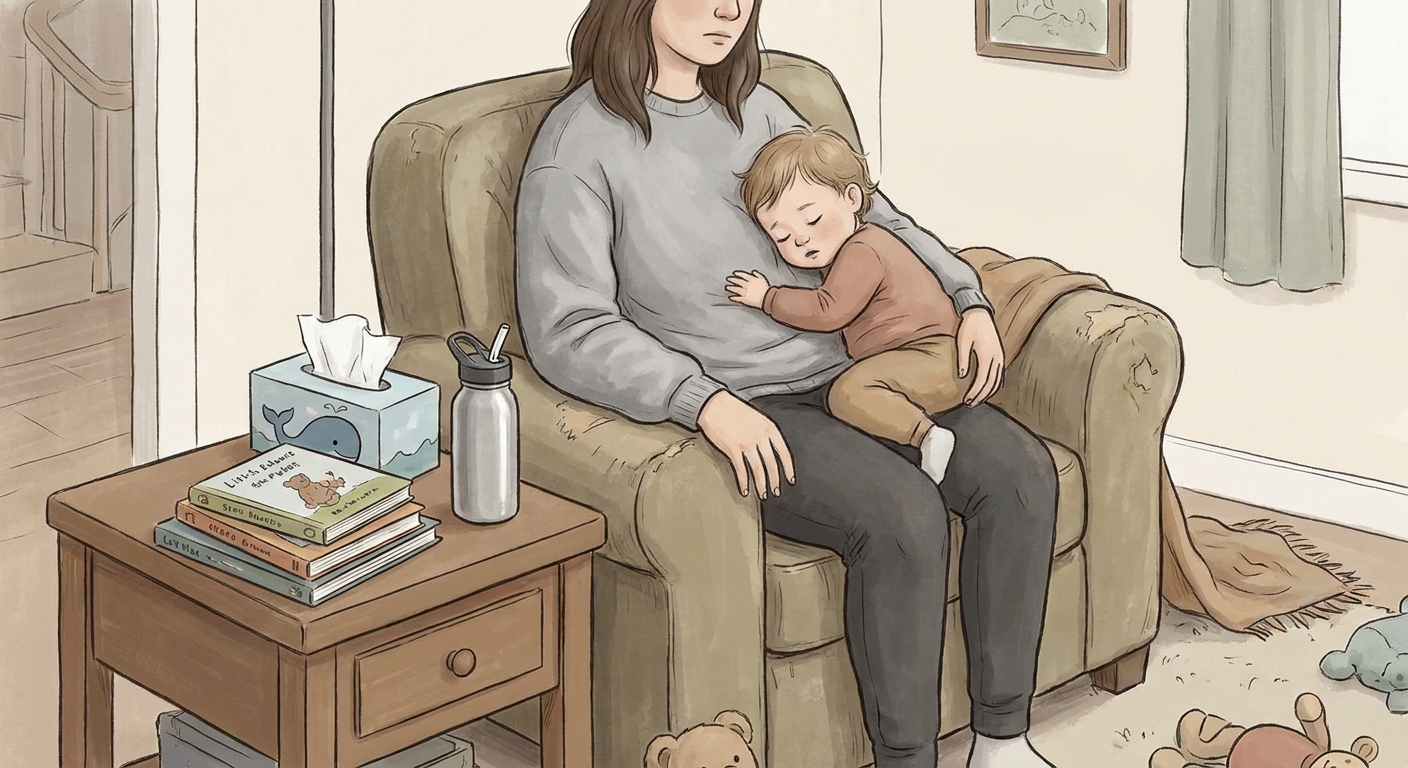
So yes, parents can absolutely catch HFMD from their child. It happens often in households with close contact, it is miserable, and it is usually manageable at home with the right support and a realistic plan for rest, fluids, and pain control.
Can adults get hand, foot, and mouth disease?
Yes. HFMD is caused by viruses (most often coxsackievirus and other enteroviruses), and adults can catch those viruses just like kids do.
Some adults have mild symptoms or none at all. Others get hit hard, especially if it is their first exposure or if they have close, frequent contact with saliva, mucus, and stool (which is basically the job description of parenting a sick toddler).
How parents typically catch it
- Respiratory droplets from coughing, sneezing, or close face-to-face contact
- Saliva from shared cups, utensils, and those sweet, sticky kisses
- Toothbrush contact from sharing or storing toothbrushes together where they touch
- Fluid from blisters (less common, but possible)
- Stool during diaper changes and potty assistance, especially if handwashing is rushed
- Contaminated surfaces like toys, high chair trays, doorknobs, and phones
Timeline: what to expect day by day
When you are trying to plan childcare and work, the timeline matters.
- Incubation period: Often about 3 to 6 days from exposure to symptoms.
- Early symptoms: Fever, fatigue, sore throat, and that “I am getting sick” feeling for a day or two.
- Then the mouth and rash phase: Mouth sores can show up quickly, and the rash may appear around the same time or a bit later.
- Typical duration: Many people start improving within 7 to 10 days, though the fatigue can linger.
Contagiousness is highest early on (especially the first week), but the virus can continue to be present in stool for weeks. That is why handwashing still matters even after everyone looks better.
What HFMD looks like in adults
In adults, HFMD can feel like a bad cold at first and then shift into a sore throat and mouth pain, sometimes with a rash that shows up later or in unexpected places.
Common adult symptoms
- Fever and body aches, sometimes with chills and fatigue
- Sore throat and a general “coming down with something” feeling
- Mouth pain from sores that can make eating and drinking genuinely difficult
- Rash that may be subtle or dramatic
Adult rash patterns that surprise parents
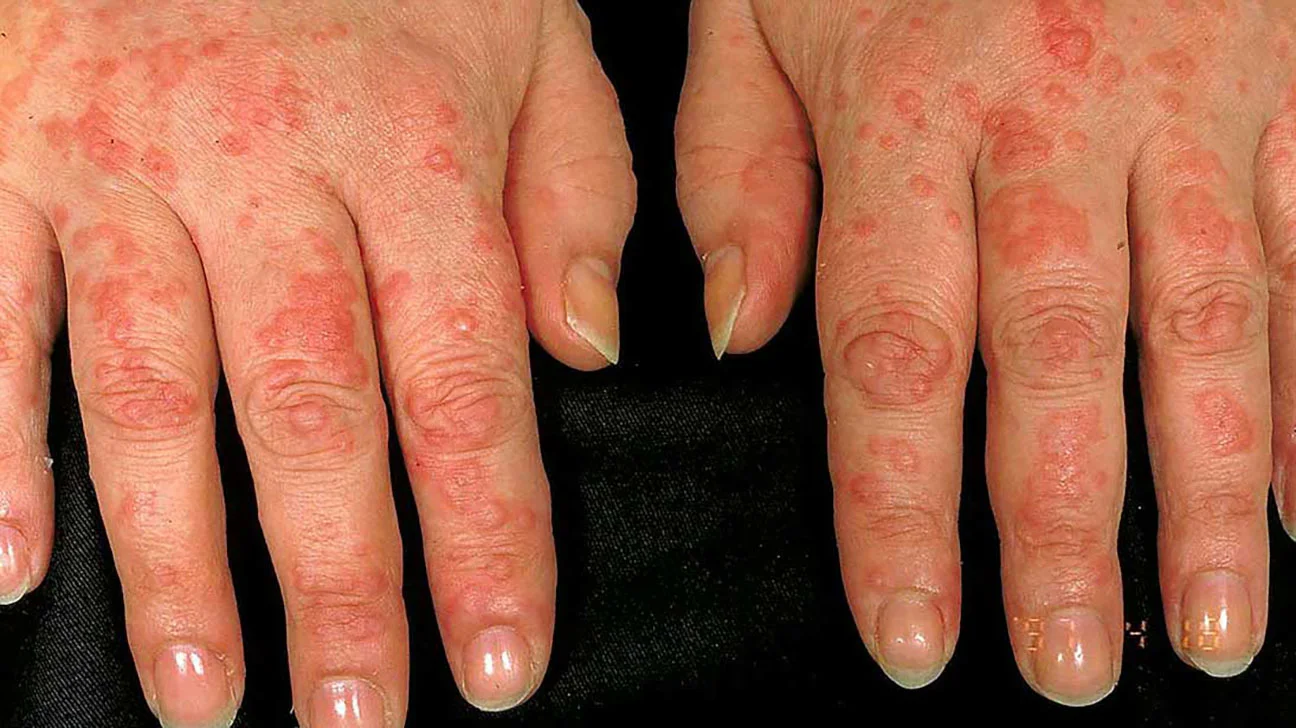
Kids often get classic spots on hands, feet, and around the mouth. Adults can, too. But adult rashes may:
- Look more like flat red patches than tiny blisters
- Show up on the arms, legs, trunk, scalp, or face
- Be itchy, tender, or burning
- Be easy to confuse with eczema flares, contact dermatitis, bug bites, or hives
Another adult twist: some people get significant hand and foot pain, with swelling or a “walking on hot gravel” feeling. It is unpleasant, but it is a known presentation.
Mouth sores: what helps
For many parents, the worst part is the mouth and throat pain. If you cannot drink, everything else gets harder fast.
What helps most with mouth pain
- Cold fluids (ice water, chilled electrolyte drinks, smoothies)
- Soft foods (yogurt, applesauce, oatmeal, mashed potatoes, scrambled eggs)
- Avoid acidic or spicy foods (citrus, tomatoes, salsa, hot sauce) and crunchy foods (chips, crackers)
- Saltwater rinses if you can tolerate them (a simple warm saltwater swish and spit)
- Over-the-counter pain relief like acetaminophen or ibuprofen, if you can take them safely
If you are tempted to use numbing mouth products, check labels carefully and follow dosing instructions. Use them sparingly and be extra cautious if there are young kids in the house, since many numbing products are not appropriate for small children.
One more safety note I always repeat in viral season: avoid aspirin unless your clinician has specifically told you to take it.
Home care for parents
As a pediatric triage nurse, I used to say, “Most viruses just need time.” As a mom, I learned the fine print is: “time, plus pain control, plus hydration, plus a plan for surviving childcare while you feel like a damp paper towel.”
Focus on hydration first
Dehydration is one of the most common reasons adults end up needing urgent care with HFMD, especially when mouth sores make swallowing painful.
- Take small, frequent sips, even if eating sounds impossible
- Try electrolyte drinks if you are sweating, feverish, or not eating much
- Use a straw if it helps you bypass sore spots
- Aim for pale yellow urine as a rough hydration check
Rest, but make it realistic
If you can, tag-team with another adult for shifts. If you are solo parenting, lower the bar dramatically for a few days: screens, delivery meals, extra snuggles, and survival mode rules.

How long are you contagious?
Most people are most contagious early in the illness, especially during the first week when symptoms are ramping up. After that, you may feel better, but the virus can still spread through stool for weeks.
In real life, this means: you do not have to isolate for weeks, but you do want to keep handwashing and bathroom hygiene extra tight for a while, especially after diaper changes and before food prep.
Time off work: what is realistic
This varies, because adult symptoms vary. Some parents are functional in a couple of days. Others feel wiped out for longer, especially if mouth pain limits calories and sleep.
A practical guideline
- Plan for a few days where you may not be at your best, particularly early on when fever and sore throat are strongest.
- If your job involves close contact with children, immunocompromised people, food prep, or healthcare, talk to your workplace about policies and what “safe return” looks like.
- Even when you feel better, keep up excellent hand hygiene, since stool shedding can continue for weeks.
If you are trying to decide whether you can work, use these questions:
- Can I keep my fever controlled without pushing through misery?
- Can I stay hydrated and take breaks?
- Can I reliably avoid close contact or sharing items if my job requires it?
Reducing spread at home
You do not need to bleach every wall. But a few focused habits make a real difference.
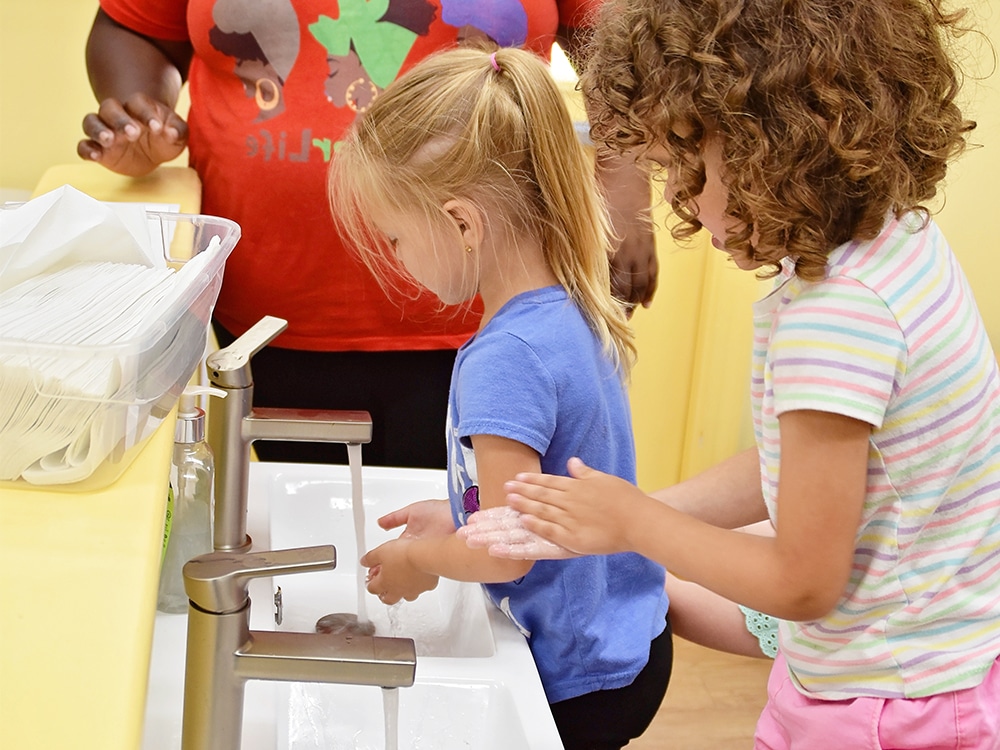
- Wash hands with soap and water after diaper changes, bathroom trips, wiping noses, and before eating
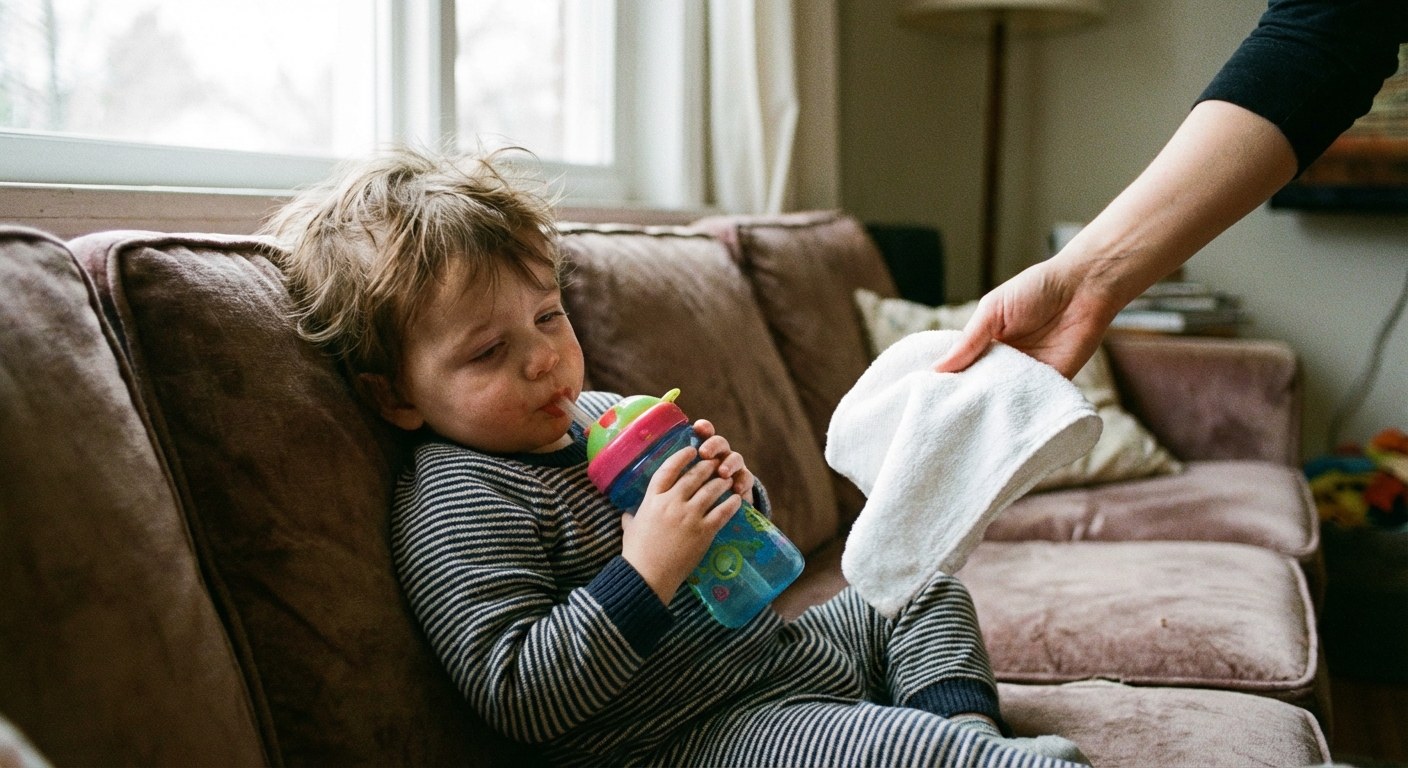
- Do not share cups, utensils, towels, lip balm, or toothbrush space
- Wipe high-touch surfaces once daily during the sick stretch (phones, light switches, faucet handles, remote controls)
- Laundry: wash soiled clothes and bedding normally, and wash your hands after handling
Also, if you get the “parent version” of HFMD, you can still care for your child. Just be extra mindful about handwashing and not sharing drinks and utensils.
How it is diagnosed
Most of the time, HFMD is diagnosed clinically, meaning a clinician looks at the pattern of symptoms (mouth sores plus rash, often with recent exposure) and that is enough. Testing is not usually needed unless symptoms are unusual or severe, or there is another diagnosis your clinician needs to rule out.
Because HFMD is viral, antibiotics do not help unless there is a separate bacterial infection your clinician identifies.
When to get medical help
Most adults can ride this out at home, but there are times I want you to call for help.
Get medical advice urgently if you have:
- Signs of dehydration: very dark urine, urinating much less, dizziness, fainting, dry mouth that is not improving
- Severe throat pain with drooling or inability to swallow fluids
- Persistent high fever or fever that returns after improving
- Shortness of breath, chest pain, or you feel significantly worse instead of gradually better
- Severe headache, stiff neck, confusion, or sensitivity to light
- A rapidly worsening rash, extensive blistering, or signs of skin infection (increasing redness, warmth, pus)
Serious complications are uncommon, but if you are having severe symptoms, neurologic symptoms, or a course that is not following the usual “peaks then improves” pattern, trust your gut and get checked.
Also call if you have a weakened immune system (for example, certain medications or medical conditions), because you may need more personalized guidance.
Pregnancy in the home
If you are pregnant or there is a pregnant household member, it is worth getting pregnancy-specific guidance rather than piecing together advice from general articles. HFMD exposure during pregnancy is common, and in most cases it does not cause serious problems, but you still want clear next steps for your specific situation.
In particular, call your OB or midwife if you develop a fever you are struggling to control, you are near your due date, or you have concerns about newborn exposure after delivery.
Head to our pregnancy-specific resource: Hand, Foot, and Mouth Disease During Pregnancy.
FAQ
Can I get HFMD even if I had it as a kid?
Yes. There are multiple viruses that can cause HFMD. Prior infection can offer some protection, but it does not guarantee you will not get sick again.
Is adult HFMD more severe than kids?
It can be. Many kids bounce back quickly, while adults may experience more intense sore throat, fatigue, and hand and foot discomfort. That said, plenty of adults have mild cases, too.
Can I take care of my child if I have HFMD?
Usually, yes. Focus on hydration and pain control for both of you, wash hands often, and avoid sharing cups and utensils. If you are too sick to safely supervise your child, call in backup if you can.
A final word from a nurse mom
If you caught HFMD from your child, you did not do anything “wrong.” This virus is very good at what it does, and parenting involves a lot of close contact. Your job now is simple: keep fluids going, keep pain manageable, rest whenever you can, and get help promptly if swallowing becomes too difficult or you are showing signs of dehydration.
Sarah Mitchell
Sarah Mitchell is a Registered Pediatric Nurse and a mother of three who has spent over a decade helping families navigate the beautiful, chaotic early years of childhood. She combines evidence-based medical knowledge with real-world parenting experience to offer practical, compassionate advice. At Awesome Parent, Sarah's mission is to help exhausted parents find solutions, trust their instincts, and finally get some sleep.