A pediatric nurse and mom breaks down cold turkey vs. the Binky Fairy method, plus timelines (without overpromising), daycare nap tips, troubleshooting, and ...
Does a Pacifier Delay Talking?

Sarah Mitchell
Sarah Mitchell is a Registered Pediatric Nurse and a mother of three who has spent over a decade helping families navigate the beautiful, chaotic early years of childhood. She combines evidence-based medical knowledge with real-world parenting experience to offer practical, compassionate advice. At Awesome Parent, Sarah's mission is to help exhausted parents find solutions, trust their instincts, and finally get some sleep.
I used to hear this question constantly at the pediatric clinic, usually from a parent who had just found their baby’s one true love: the pacifier. And then, a few months later, they would panic that they had “ruined speech forever.” Take a deep breath. Pacifiers are not a guaranteed ticket to a speech delay. But how and when a child uses one can matter, especially during the day when kids are practicing sounds, words, and all the facial expressions that come with communication.
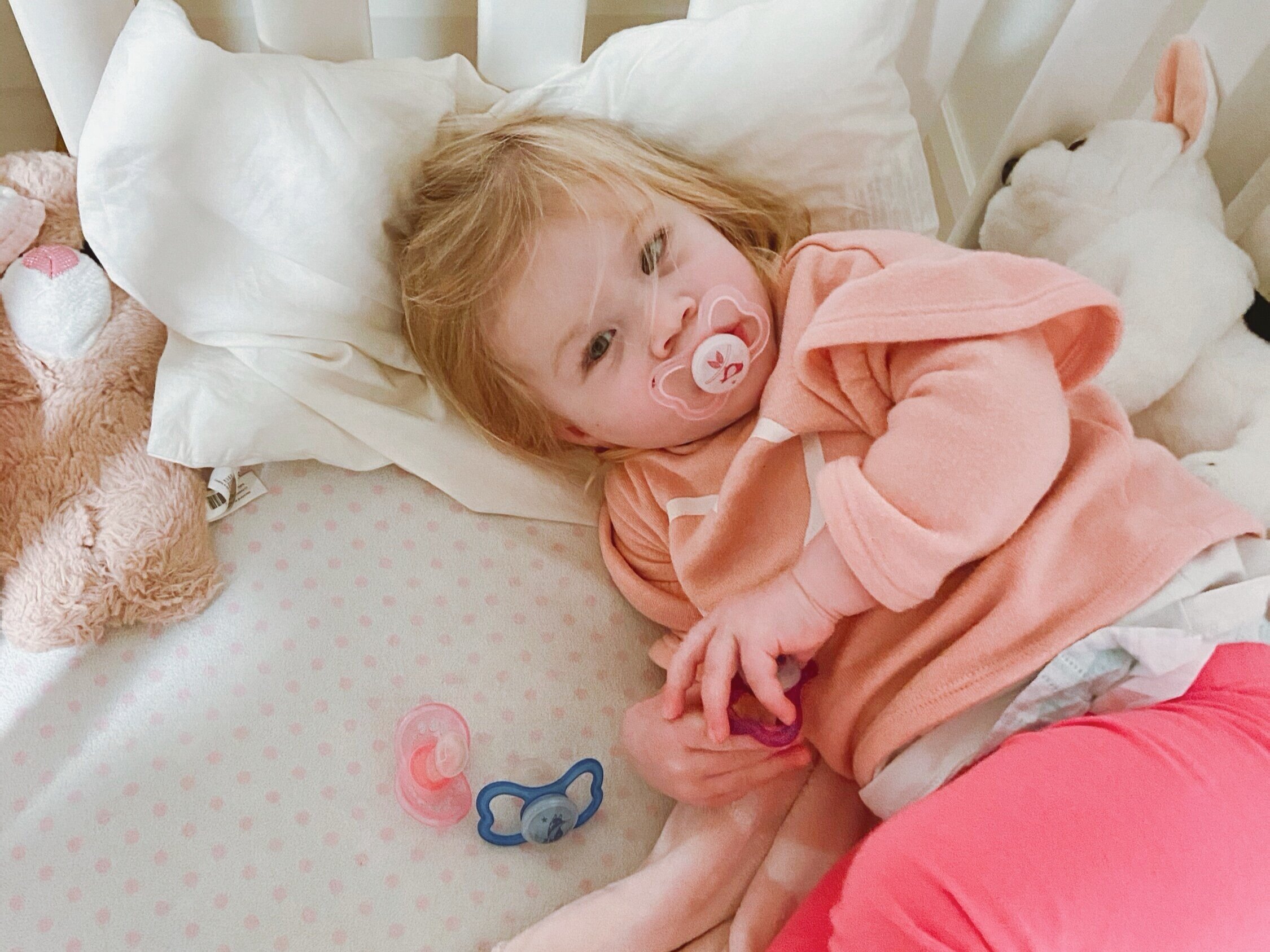
Do pacifiers delay talking?
In the big picture, pacifier use by itself is not considered a proven cause of speech or language delay. Plenty of kids use pacifiers and go on to talk your ear off for the rest of their lives.
What clinicians and many studies suggest is that very frequent pacifier use, especially during waking hours, may affect some of the building blocks that support speech and language. Not because pacifiers are “bad,” but because they can change what your child does with their mouth and how often they interact with people.
How a pacifier can get in the way
- Less talking time: Kids learn speech by experimenting with sounds, babbling, and trying words. If there is often something in the mouth, there are fewer chances to practice.
- Harder to see mouth movements: Early communication is not just words. It is smiles, lip movements, and little mouth shapes that help a child copy sounds and connect meaning.
- Fewer back-and-forth moments: Pacifiers can be soothing, which is sometimes exactly what you need. But if a pacifier becomes the automatic first response to boredom or mild frustration, it can crowd out small everyday opportunities for interaction.
- Possible bite changes with long-term, heavy use: Pediatric dentists commonly warn that prolonged pacifier use can contribute to dental changes in some children (like an open bite). Not every kid is affected, and the risk varies with intensity and duration. In some cases, changes improve after stopping, especially when pacifiers are discontinued earlier. Depending on a child’s bite pattern, those changes can affect how certain speech sounds come out. If you are unsure, your pediatric dentist is a great resource.
Translation: pacifiers do not erase language skills. But heavy, all-day use can make it easier for a delay to show up or stick around because your child is getting fewer reps with sounds and fewer chances for turn-taking and face-to-face communication during the hours when language learning is happening fast.
Day use vs sleep use
If you take only one thing from this article, make it this: a pacifier during sleep is usually far less of a speech concern than a pacifier during awake time.
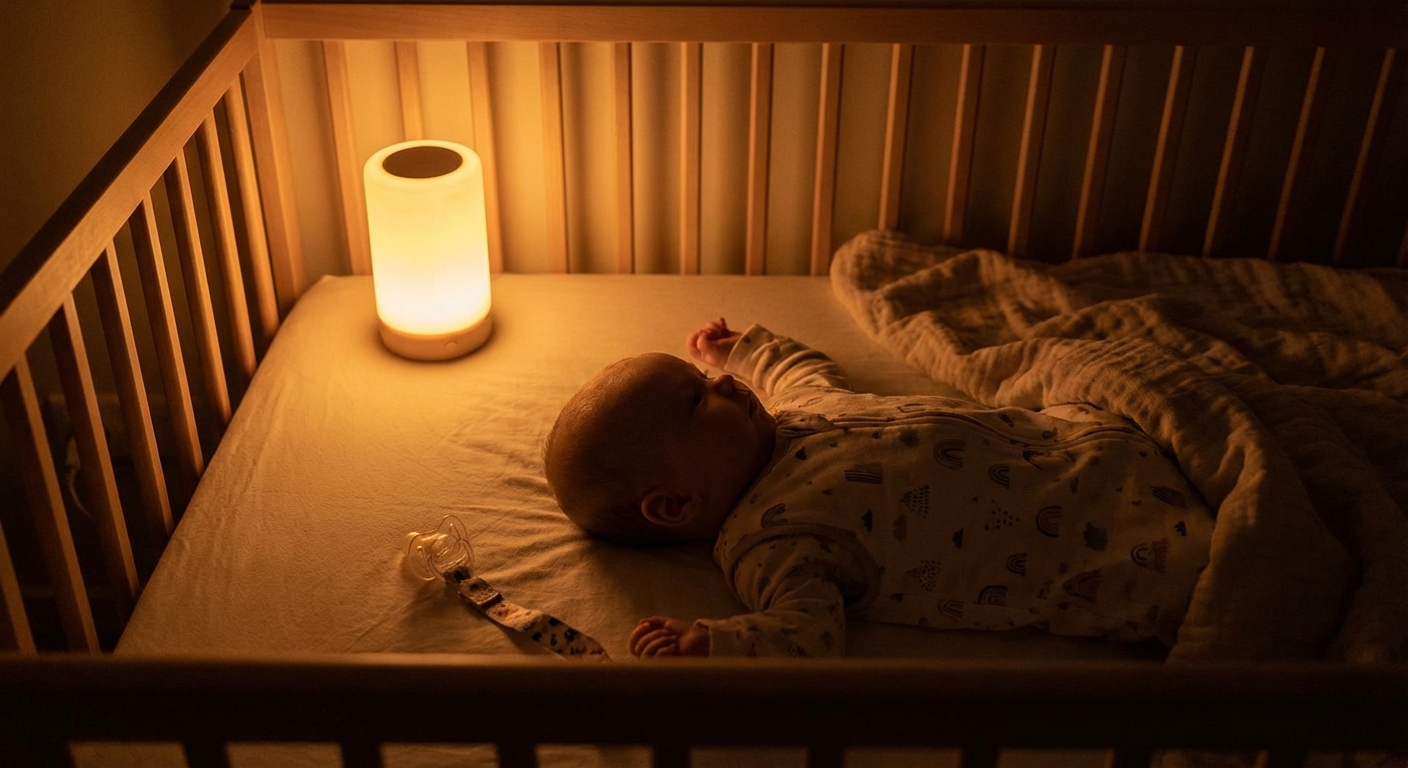
Sleep and naps
Using a pacifier to fall asleep generally does not interfere with speech development because your child is not practicing communication while asleep. Many families keep pacifiers as a sleep-only tool for a long stretch with no speech issues.
One more note that often helps parents relax: many safe sleep guidelines have noted an association between pacifier use at sleep time and a lower risk of SIDS. If your baby uses a pacifier for naps and bedtime, that is not something to feel guilty about. If you have questions about safe sleep specifics for your child, your pediatrician can help.
Awake time
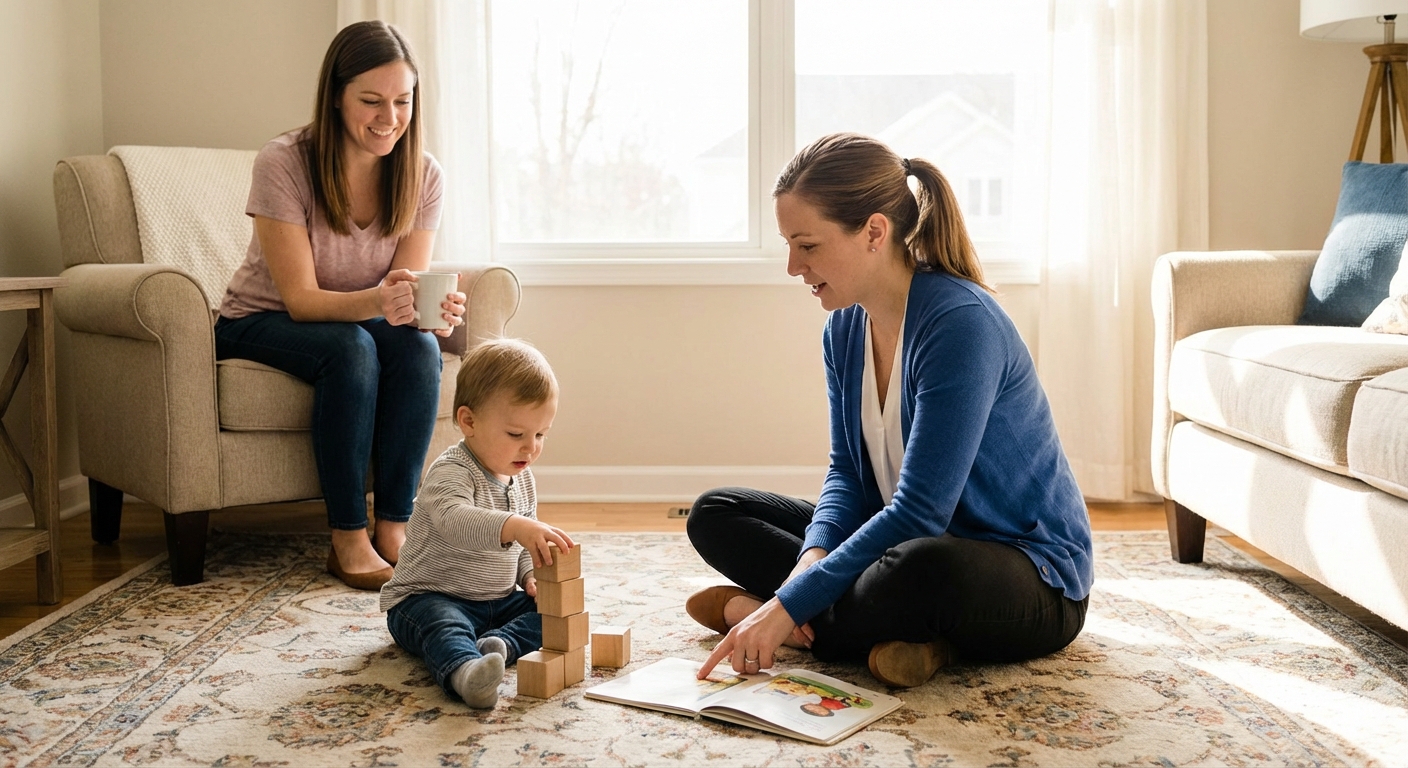
During the day, your child learns to communicate by watching you, copying you, and experimenting with their own mouth. If the pacifier is in for much of the day, the main risk is missed opportunities: fewer babbles, fewer attempts at words, and fewer moments of social connection.
When I’m fielding parent concerns in clinic, and someone says, “My toddler has a binky in all day and nobody understands them,” my follow-up questions are usually about:
- How much of the day the pacifier is in their mouth
- Whether they talk more clearly when it is out
- Whether they respond to sounds and voices consistently
- Whether they are using gestures and trying to communicate in other ways
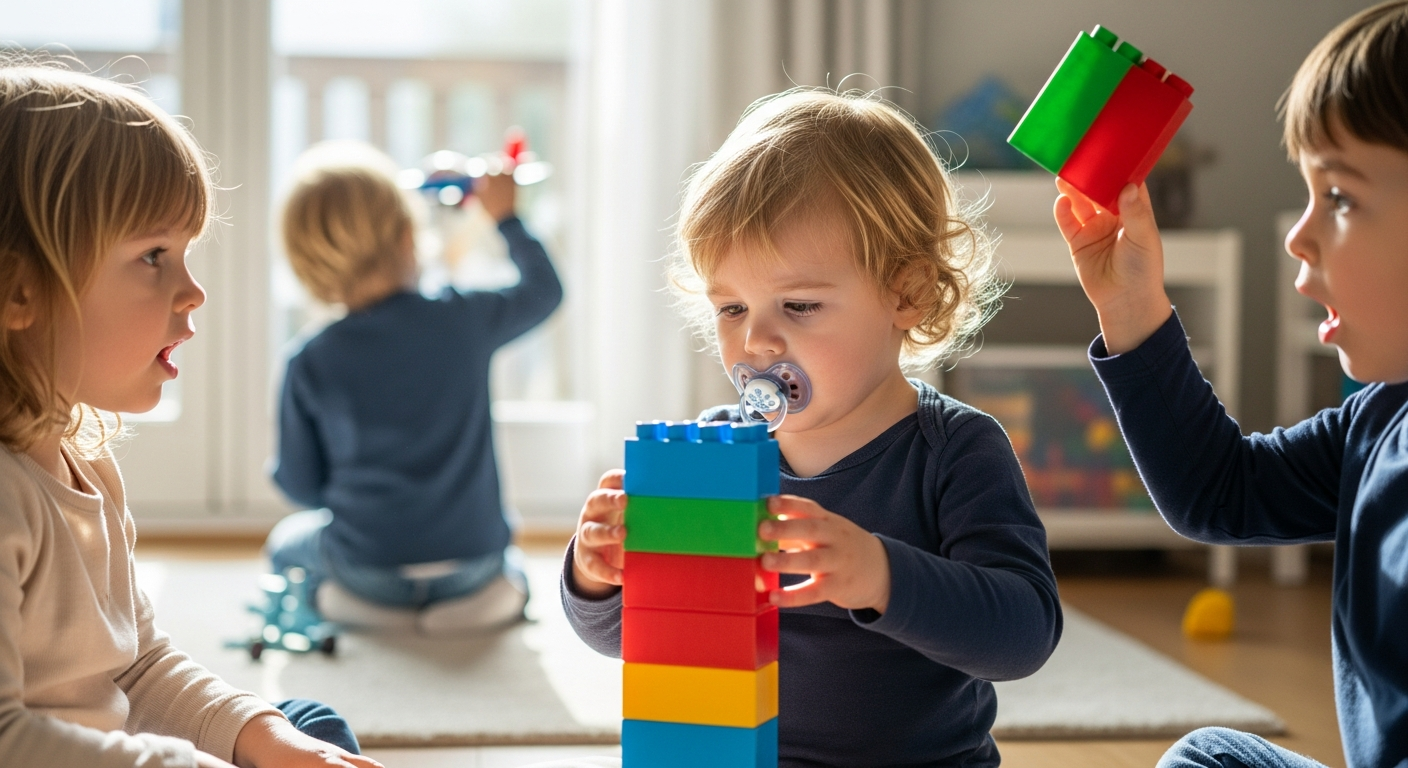
What experts agree on
Different studies have looked at pacifier use and speech outcomes, and results are mixed because kids are complicated and families are real life. It is hard to separate pacifier use from other factors like temperament, sleep challenges, daycare exposure, screen time, or a child who is simply a late talker.
That said, most pediatric and speech professionals generally agree on these practical points:
- Short-term pacifier use is unlikely to cause a true language delay.
- Heavy daytime use can reduce opportunities to practice speech and can affect clarity in the moment.
- Speech and language are more than “number of words.” Social interaction, gestures, understanding, and back-and-forth communication matter a lot.
- Hearing is a major driver of speech development. When speech is delayed or unclear, checking hearing is commonly one of the first steps clinicians consider, pacifier or not.
Pacifiers and clarity
Parents often describe the problem as, “They talk, but nobody can understand them.” A pacifier can contribute in two ways:
- In-the-moment muffling: If a child talks around a pacifier, speech will be less clear. This is common and fixable by taking the pacifier out for talking.
- Longer-term habits: If a child spends lots of waking hours with the pacifier in, they may get less consistent practice coordinating lips and tongue for clear speech sounds.
Also, a quick reality check: toddler speech is often naturally tricky to understand. As a general rule of thumb many SLPs use, unfamiliar listeners may understand about 25% of a 1-year-old’s speech, about 50% at age 2, about 75% at age 3, and most of it by age 4. Kids vary, but if your child is far off that curve or getting frustrated a lot, it is worth a closer look.
Communication milestones
I know it is tempting to count words like you are counting steps, but for speech and language, the quality of communication matters as much as the word count.
Healthy signs
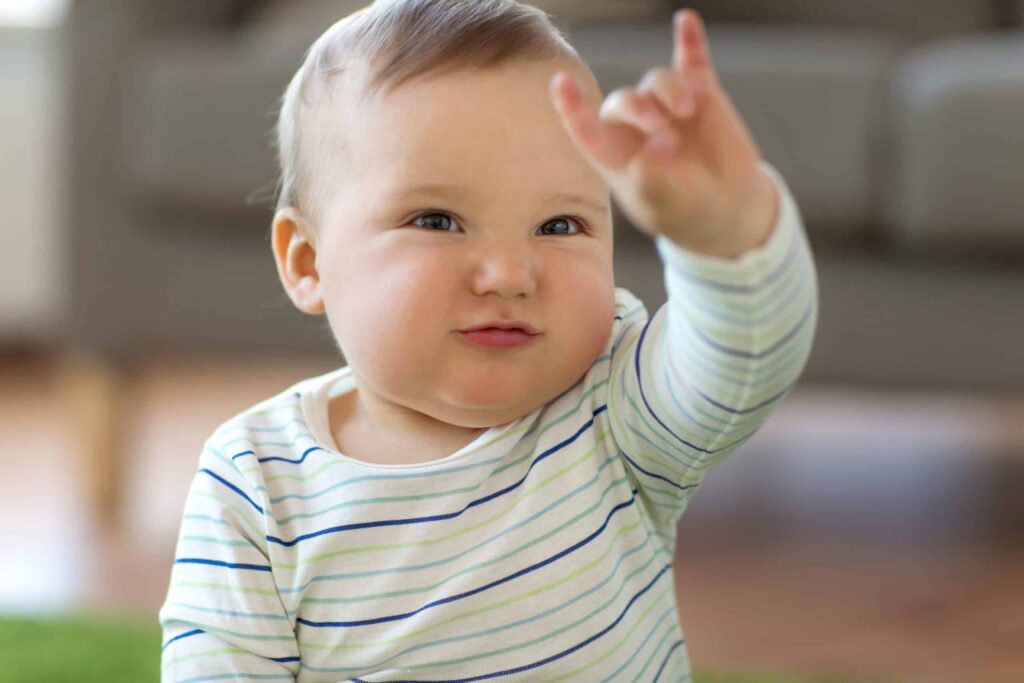
- Gestures like pointing, waving, reaching to be picked up, or showing you things
- Joint attention, meaning they look at something and then look back at you as if to say, “Did you see that?”
- Back-and-forth sounds, babbles, or “conversations” even if it is mostly nonsense
- Understanding simple directions or familiar phrases (this often develops before clear speech)
- Trying to communicate, even when upset (pulling you to the fridge, handing you a cup, bringing shoes)
Pacifiers become more of a concern when they seem to replace these interactive moments during the day.
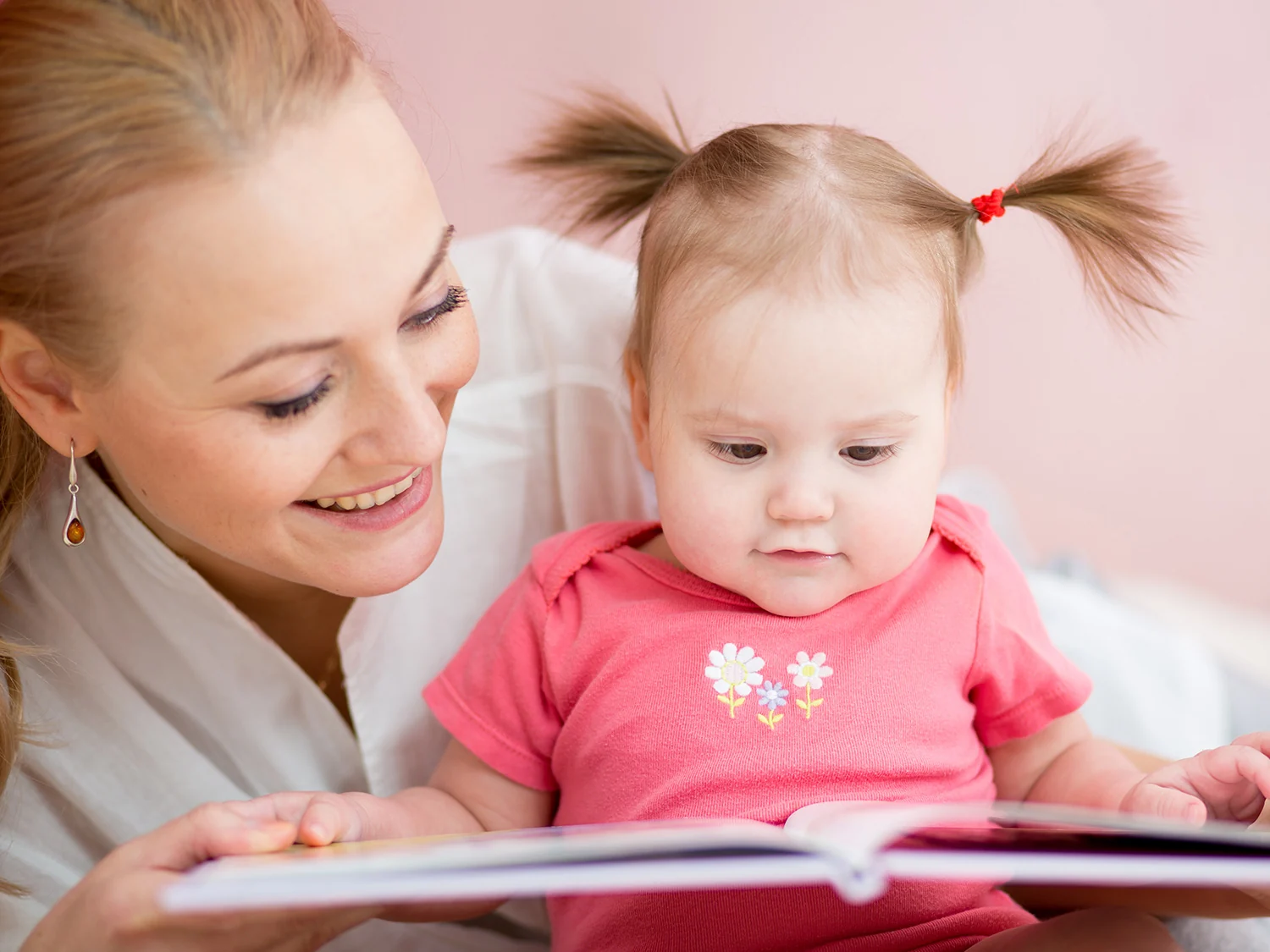
When to cut back
Parents always want a specific age, and I get it. Exact recommendations can vary by pediatrician, dentist, and your child’s needs, but the practical guidance I see most often is:
- In the second half of the first year: If you can, start nudging pacifier use toward sleep-only. This is the stretch when babies are awake more, interacting more, and practicing a lot of sounds. If your baby still needs a pacifier frequently during the day, you have not “missed your window.” Just start looking for calm moments to offer face-to-face time without it.
- Around the first birthday and into toddlerhood: Many clinicians encourage keeping pacifiers out of the mouth during play, meals, reading, and conversations. Families often do well with a simple rule like “bed and crib only.”
- Before it becomes a long-term habit: If your child is still using a pacifier frequently well past the early toddler stage, it is worth discussing a plan with your pediatrician and pediatric dentist, since dental effects are more likely with longer duration and heavier use.
If your child has special medical or sensory needs, your timeline might look different, and that is okay. The goal is not perfection. It is making sure the pacifier is not taking up a big chunk of your child’s talking and connecting time.
Red flags
This is the part I care about most as a nurse: not whether you used a pacifier, but whether your child is showing signs that they need support.
Get a hearing check if
- They do not consistently respond to their name or familiar sounds
- They seem to hear sometimes but not others, especially after frequent ear infections
- They rely heavily on watching your face to follow directions
- They startle less to loud sounds than you would expect
- Speech is delayed and you have any doubt at all about hearing
Consider a speech eval if
- Lost words: they used to say a few words (or sound approximations) and then stopped using them
- Missing gestures: little to no pointing, showing, waving, or reaching to communicate
- Very limited back-and-forth: few attempts to imitate sounds, engage, or take turns
- Persistent frustration because they cannot make needs known
- Speech that stays very hard to understand compared with peers, especially if family members also struggle to understand them
- Concerns about social communication: limited eye contact, limited interest in interaction, or difficulty engaging with others
If any of these are happening, do not wait for the pacifier question to be “solved.” Ask your pediatrician about a hearing screening and a referral to a speech-language pathologist or early intervention program. Pacifier use can be part of the conversation, but it should not be the whole conversation.
If your child is losing skills, seems not to hear well, or you feel that communication is not progressing, trust your gut and get an evaluation. Early support is help, not a label.
Weaning ideas
If you are ready to cut back (or you are being gently pushed by daycare), here are approaches that tend to work without turning your house into a 72-hour protest:
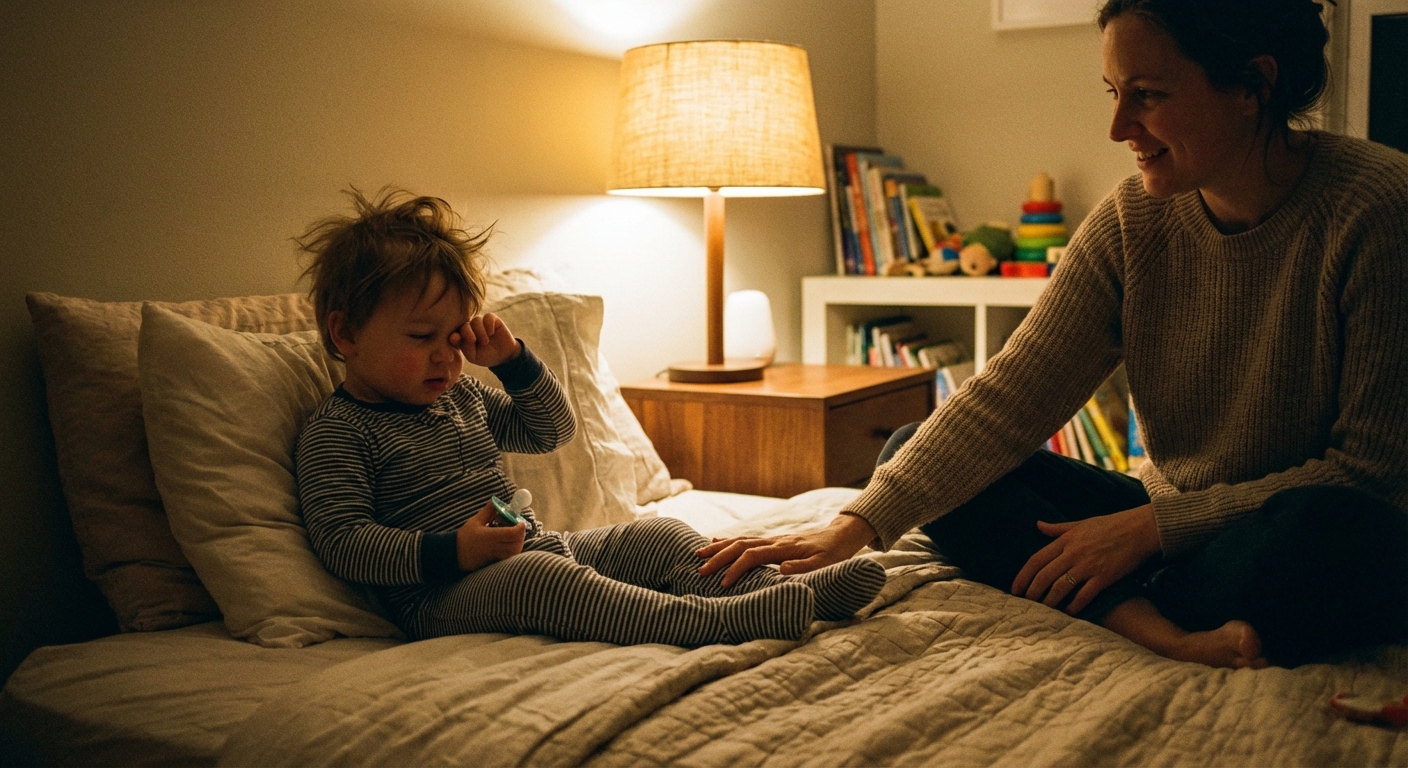
- Make it sleep-only: Pacifier is for crib, bed, and naps. Not the car, not the kitchen, not the playground. Simple rules are easier for toddlers.
- Create a “parking spot”: Pick a basket or cup where the pacifier lives during the day. When your child wants it, you can say, “Let’s park it,” and walk it back together.
- Swap in comfort: Offer a lovey, small blanket, teether, or a sensory alternative depending on age and safety. Some kids just need something to soothe with.
- Use a gradual timer: For pacifier lovers, you can start with “two minutes, then we park it,” and slowly shorten. This works well for kids who melt down with abrupt changes.
- Practice “pacifier out to talk”: Even before full weaning, build the habit that talking and pacifiers do not happen at the same time.
- Coordinate with caregivers: If daycare is involved, align on the rule. You can keep it simple: “We are working on speech practice, so we are doing pacifier only for nap. If they ask outside nap, please offer their lovey and we’ll do the same at home.”
If your child uses a pacifier to cope with big anxiety, sleep disruptions, or sensory regulation, it can be worth talking with your pediatrician before you push hard on weaning. Sometimes we solve the underlying problem first, and weaning becomes much easier.
3 AM questions
My child talks more when the pacifier is out. Is that a bad sign?
Not necessarily. It is actually useful information. It suggests your child has more to say than you are hearing, and the pacifier might be getting in the way during awake time. The bigger question is whether they are communicating effectively overall and whether speech continues to progress.
My baby has a pacifier most of the day because they are fussy. Will that hurt language?
A fussy baby needs soothing, and pacifiers are one tool. If you are worried, try balancing soothing with chances to “chat” during calm moments: face-to-face time, narrating what you are doing, and responsive cooing and babbling. You are not trying to create a perfect schedule. You are just making room for interaction.
Can pacifiers cause a true speech delay?
Pacifiers are not typically considered a direct cause of a true language delay. But heavy daytime use can reduce talking practice and social interaction, which can make communication skills develop more slowly for some kids. If there are concerns, screening hearing and getting a speech-language evaluation can clarify what is going on.
What if the pacifier is only for naps and bedtime?
That is generally less concerning from a speech standpoint. Sleep time is not speech practice time.
What to do now
If you are staring at the monitor wondering whether the pacifier is “the reason,” here is a calm, practical way to think about it:
- Look at communication as a whole: gestures, understanding, social back-and-forth, and attempts to communicate.
- Notice patterns: is speech clearer or more frequent when the pacifier is out?
- Reduce daytime use: try a sleep-only rule or “pacifier parking” so your child has more chances to practice sounds and connect.
- Rule out hearing issues: especially if there is a history of ear infections or inconsistent responses to sound.
- Ask for help early: you do not need to wait until a well visit if you are concerned.
You are not failing because your kid loves a pacifier. You are parenting a small person with big feelings. If the pacifier is helping everyone sleep, that matters too. The goal is not perfection. The goal is supporting communication in a way that works for your family.
Sarah Mitchell
Sarah Mitchell is a Registered Pediatric Nurse and a mother of three who has spent over a decade helping families navigate the beautiful, chaotic early years of childhood. She combines evidence-based medical knowledge with real-world parenting experience to offer practical, compassionate advice. At Awesome Parent, Sarah's mission is to help exhausted parents find solutions, trust their instincts, and finally get some sleep.