A calm, step-by-step guide for household chemical and medication ingestions: do and do not, when to call Poison Control, what info to have ready, plus button...
Electrical Cord Burns on a Toddler’s Mouth

Sarah Mitchell
Sarah Mitchell is a Registered Pediatric Nurse and a mother of three who has spent over a decade helping families navigate the beautiful, chaotic early years of childhood. She combines evidence-based medical knowledge with real-world parenting experience to offer practical, compassionate advice. At Awesome Parent, Sarah's mission is to help exhausted parents find solutions, trust their instincts, and finally get some sleep.
The first time I took a triage call about a toddler chewing a power cord, the parent said, “It’s just a tiny white spot on the corner of his mouth.” That sentence makes every pediatric nurse’s brain sit up a little straighter. Electrical burns around the mouth can look surprisingly minor at first, but they can cause deeper tissue injury and a very specific delayed risk: bleeding from the mouth days later.
If your child bit an electrical cord or plug and now has a lip or mouth-corner burn, you’re in the right place. I’ll walk you through what to do immediately, what to watch for over the next week or two, and exactly when you should head to emergency care.
Why electrical mouth burns are different
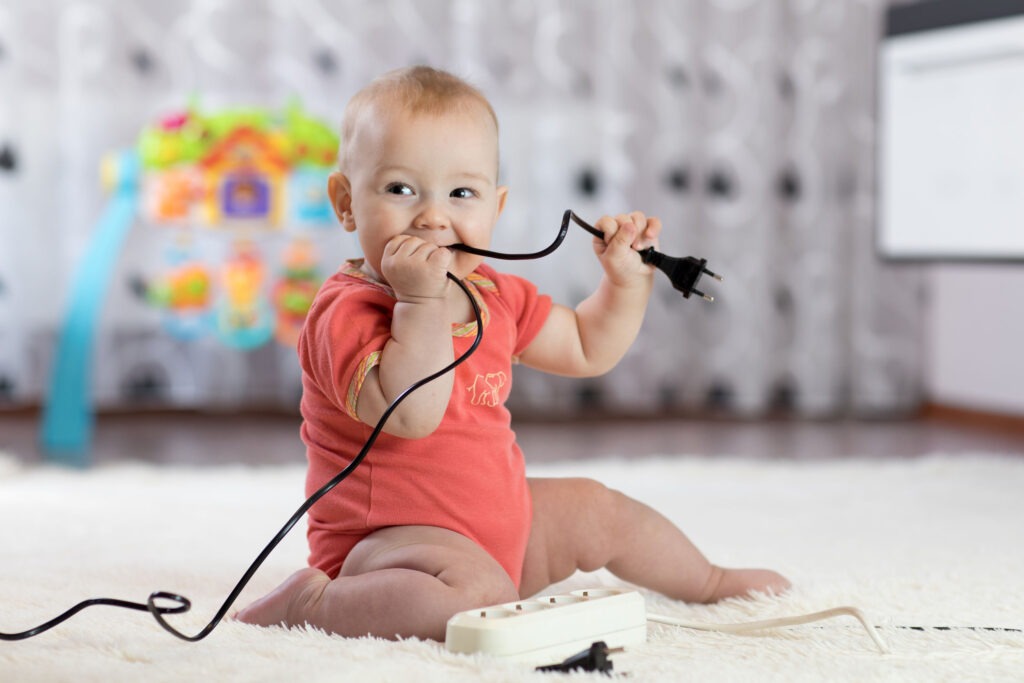
When a child bites an electrical cord (or puts a plug in their mouth), the saliva in and around the lips can conduct electricity. That can cause a burn at the mouth corner, the lip, or inside the mouth. The tricky part is that electrical injury can keep developing after the initial contact. In other words, the spot you see on the outside does not always show the full depth of injury underneath.
There are two big reasons we take these injuries seriously:
- They can be deeper than they look. A small pale or gray area on the lip can represent damage below the surface.
- They can bleed later. Burns at the mouth corner can injure a nearby blood vessel (often the labial artery). When the scab (eschar) loosens as it heals, that vessel can open and bleeding can start suddenly.
What it can look like early
Electrical cord burns around the mouth often show up as:
- A white, gray, or yellowish spot at the corner of the mouth
- Redness or mild swelling of the lip
- A crack or blister at the mouth corner
- Drooling or fussiness when drinking
- A singed smell or visible damage to the cord
It is also possible to have an internal burn with very little visible on the outside, especially if the child jerked away quickly.
What to do right away
1) Make the area safe first
- Unplug the cord from the outlet. If you cannot safely reach it, turn off power at the breaker first.
- Move your child away from the area.
- Do not use the cord again. Even a small bite can damage insulation.
2) Quick check for emergency symptoms
Call emergency services right now if your child has any of the following:
- Trouble breathing, noisy breathing, wheezing, or swelling that seems to be affecting the airway
- Fainting, unusual sleepiness that you cannot wake them from normally, or confusion
- A seizure
- Chest pain, palpitations, or your child seems suddenly weak or “not themselves”
- Severe burns on the face, tongue, or inside the mouth
3) Cool the area gently
If your toddler will let you, offer small sips of cool water or gently rinse the mouth. Do not force it. Avoid prolonged direct ice contact on the lip or inside the mouth (it can irritate tissue, and little kids can choke on ice).
4) Do not apply creams or ointments to the mouth
Skip burn creams, oils, butter, hydrogen peroxide, or alcohol-based products. Many topical products are not safe to ingest and can irritate oral tissue.
5) Call Poison Control or your pediatrician for guidance
In the United States, you can call Poison Control at 1-800-222-1222 for immediate guidance. They can help you decide what level of care is appropriate based on what was bitten, how long contact lasted, and what symptoms your child has. That said, Poison Control is not a substitute for evaluation if your child has a mouth-corner burn, worsening symptoms, or any red flags.
When to go to the ER
For electrical burns around the mouth, I generally steer families toward emergency care more readily than for many other small-appearing burns. These injuries can be deceptively deep, and the mouth corner has that very particular delayed-bleeding risk.
Go to the ER now if any of these apply:
- The burn involves the corner of the mouth (a common location for delayed bleeding)
- There is a blister, open wound, or visible charring
- Your child is having pain with swallowing, refusing fluids, or drooling more than usual
- You suspect the burn is also inside the mouth or on the tongue
- There was a spark, a “pop,” or the cord has clear bite-through marks
- Your child has any concerning symptoms (breathing changes, vomiting repeatedly, weakness, abnormal behavior)
- You cannot reliably watch them over the next several days (childcare changes, travel, etc.)
Why not just urgent care? Some urgent care centers can assess minor injuries, but they may not have the ability to monitor, consult specialists, or manage sudden bleeding if it occurs. If you are unsure, it is reasonable to choose the ER for this one.
Delayed bleeding risk
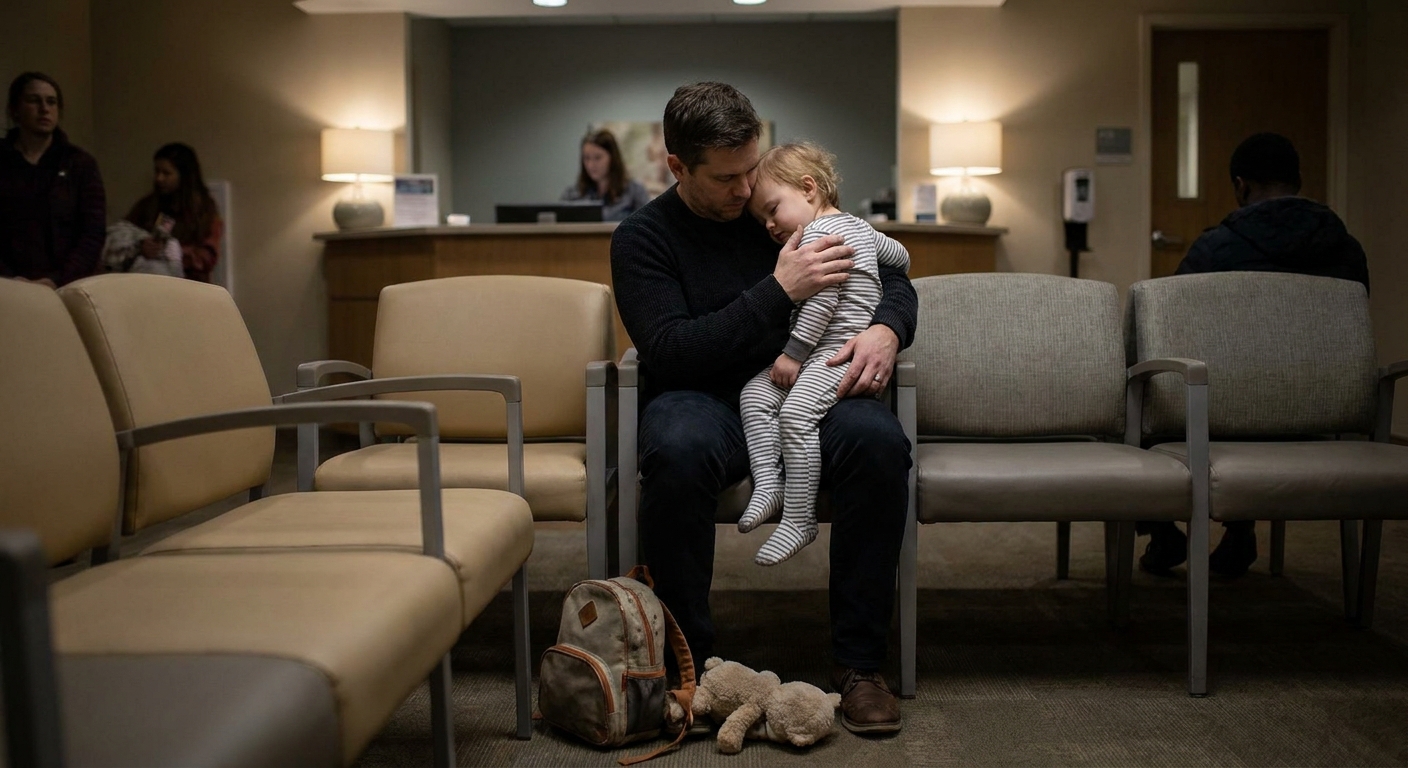
Here is the scary-sounding but helpful truth: some children develop sudden mouth bleeding several days after an electrical burn, even if the injury looked small on day one.
This can happen because a scab forms over damaged tissue. As healing progresses, that scab can loosen. If a blood vessel near the wound was injured (often at the mouth corner), bleeding can start quickly.
When does delayed bleeding happen?
Many cases show up around day 5 to day 10, but the risk can extend longer. I tell families to stay alert for about 2 weeks.
How much bleeding?
Sometimes it is a small ooze. Sometimes it is a surprisingly large amount in seconds. Mouth wounds can look dramatic because the area is very vascular and saliva makes clots less stable than they are on a dry arm or knee.
If bleeding starts at home
If your child has bleeding from the mouth after an electrical burn:
- Stay calm and sit them upright.
- Apply firm, steady pressure with clean gauze or a folded clean cloth to the bleeding area if you can see it and your child will tolerate it.
- Do not repeatedly peek every few seconds. Constant checking can disrupt clot formation.
- Go to the ER if bleeding is heavy, does not stop quickly, your child is swallowing a lot of blood, or you cannot apply pressure effectively.
What not to do: Do not tilt your child’s head back (they can swallow blood and vomit, or aspirate). Do not pack the mouth with tissues or cotton.
If your child is choking on blood, seems weak, looks very pale, or you are worried you cannot manage this safely at home, call emergency services.
What the ER may do
Every situation is different, but an ER evaluation may include:
- A careful exam of the lip and inside the mouth
- Pain control recommendations that are safe for your child’s age
- Clear discharge instructions about delayed bleeding signs and exactly what to do if it happens
- Possible consultation or follow up with a specialist (often dental, ENT, or plastic surgery) depending on location and depth
- ECG or heart monitoring if there were concerning symptoms (fainting, chest pain, palpitations, significant lethargy), suspicion of a higher-risk electrical pathway, or other reasons your team is worried about a more significant exposure
- A quick review of tetanus status if there is an open wound, which is common practice for injuries like this
Bring the cord or take a clear photo of the damaged area if you can do so safely. Knowing what was bitten can help the team assess risk.
Home care after you are cleared
Keep it clean and gentle
- Offer water frequently.
- After meals, offer small sips of water to rinse. Do not force swishing in a toddler.
Choose soft foods
For a few days, think “easy on the mouth”:
- Yogurt, applesauce, smoothies (not too cold), oatmeal
- Scrambled eggs, mashed potatoes, soft pasta
- Avoid salty, spicy, acidic foods (tomato sauce, citrus), and crunchy snacks that scrape
Pain control
Use only medication your child’s clinician recommends. In general, acetaminophen or ibuprofen may be suggested depending on age and medical history. Avoid topical numbing gels unless specifically directed by a clinician, especially in very young children.
Watch hydration
With mouth pain, toddlers sometimes drink less. Call your pediatrician urgently if your child has fewer wet diapers than usual, very dark urine, a dry mouth, no tears when crying, or seems unusually sleepy.
When to call the doctor
Contact your pediatrician promptly (same day) if:
- The burn looks larger, darker, or more swollen after the first day
- Your child is refusing liquids or seems in significant pain
- You see pus, worsening redness spreading beyond the lip area, or foul odor
- Your child develops fever and seems unwell
- You notice new bleeding, even if it stops
Go to the ER for any heavy bleeding, breathing concerns, or if your gut says your child is not okay. You are allowed to trust that feeling.
How to prevent a repeat
I say this with love and lived experience: you can turn your back for the time it takes to grab a wipe and somehow your child has located the one forbidden cord in the house.
Practical steps that help:
- Unplug and put away phone chargers when not in use
- Use outlet covers and keep cords routed behind furniture when possible
- Use cord shorteners or cord boxes for power strips
- Create a “charging station” on a high counter, not at couch level
- Do a floor level scan once a day during high risk stages (new crawler, new climber)

FAQ
My toddler’s burn looks like a small white patch. Is that normal?
Yes, electrical contact burns can look pale or white at first. Unfortunately, “small and white” does not always mean “minor,” especially at the mouth corner. It is worth calling Poison Control or your child’s clinician for guidance, and many kids should be assessed in the ER.
Can an electrical mouth burn cause scarring?
It can, depending on depth and location. Early evaluation and appropriate follow up can help reduce long term issues, especially if the burn involves the lip corner where tightening can affect mouth opening.
Do I need to worry about infection?
Any open wound can become infected, but the bigger immediate concerns with electrical mouth burns are hidden depth and delayed bleeding. Still, if you see worsening redness, pus, bad odor, fever, or your child seems ill, call your pediatrician.
What if my child only chewed the cord for a second?
Even brief contact can cause a burn. The safest move is to assess symptoms, inspect the cord for bite-through marks, and call Poison Control for next steps. If the mouth corner is burned or your child has trouble drinking, head to the ER.
A final word from a tired-parent nurse
If you are reading this because your toddler just went for a “spicy noodle” moment with a power cord, take a breath. You are not the first parent this has happened to, and you are not a bad parent. Electrical mouth burns are one of those deceptively small looking injuries that deserve respect and a solid plan for follow up. When in doubt, get your child checked, and make sure you are warned about delayed bleeding before you leave any visit.
Sarah Mitchell
Sarah Mitchell is a Registered Pediatric Nurse and a mother of three who has spent over a decade helping families navigate the beautiful, chaotic early years of childhood. She combines evidence-based medical knowledge with real-world parenting experience to offer practical, compassionate advice. At Awesome Parent, Sarah's mission is to help exhausted parents find solutions, trust their instincts, and finally get some sleep.