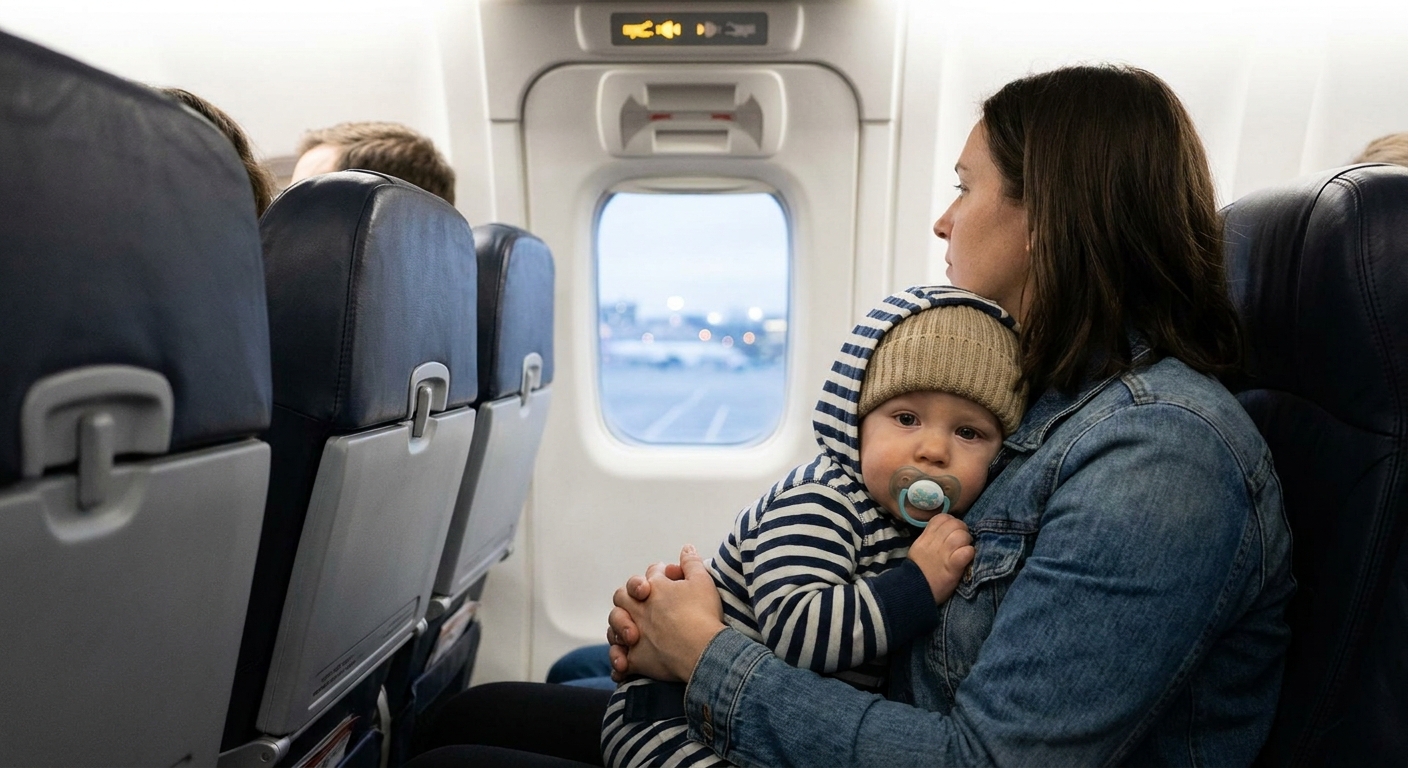
Cabin pressure can make an ear infection much more painful. Here’s when flying is usually okay, when to postpone, and red flags like drainage, high fever, or...
Flying With Ear Tubes: What Parents Need to Know

Sarah Mitchell
Sarah Mitchell is a Registered Pediatric Nurse and a mother of three who has spent over a decade helping families navigate the beautiful, chaotic early years of childhood. She combines evidence-based medical knowledge with real-world parenting experience to offer practical, compassionate advice. At Awesome Parent, Sarah's mission is to help exhausted parents find solutions, trust their instincts, and finally get some sleep.
The first time one of my kids flew after getting ear tubes, I packed snacks, wipes, extra clothes, and about 47 worries. The surprise was that the ear part was the easiest. In general, ear tubes often make flying more comfortable because they help equalize pressure for your child.
One quick note before we dive in: this is general education from a nurse-mom perspective, not individualized medical advice. If anything feels “off” with your child, your pediatrician or ENT is your best next step.
That said, there are a few situations where I would pause and call your child’s clinician before you board, especially if there is new ear drainage, significant pain, or a fever that just showed up. Let’s walk through what’s going on in the ear during a flight and how to decide when it’s safe to travel.
How cabin pressure works
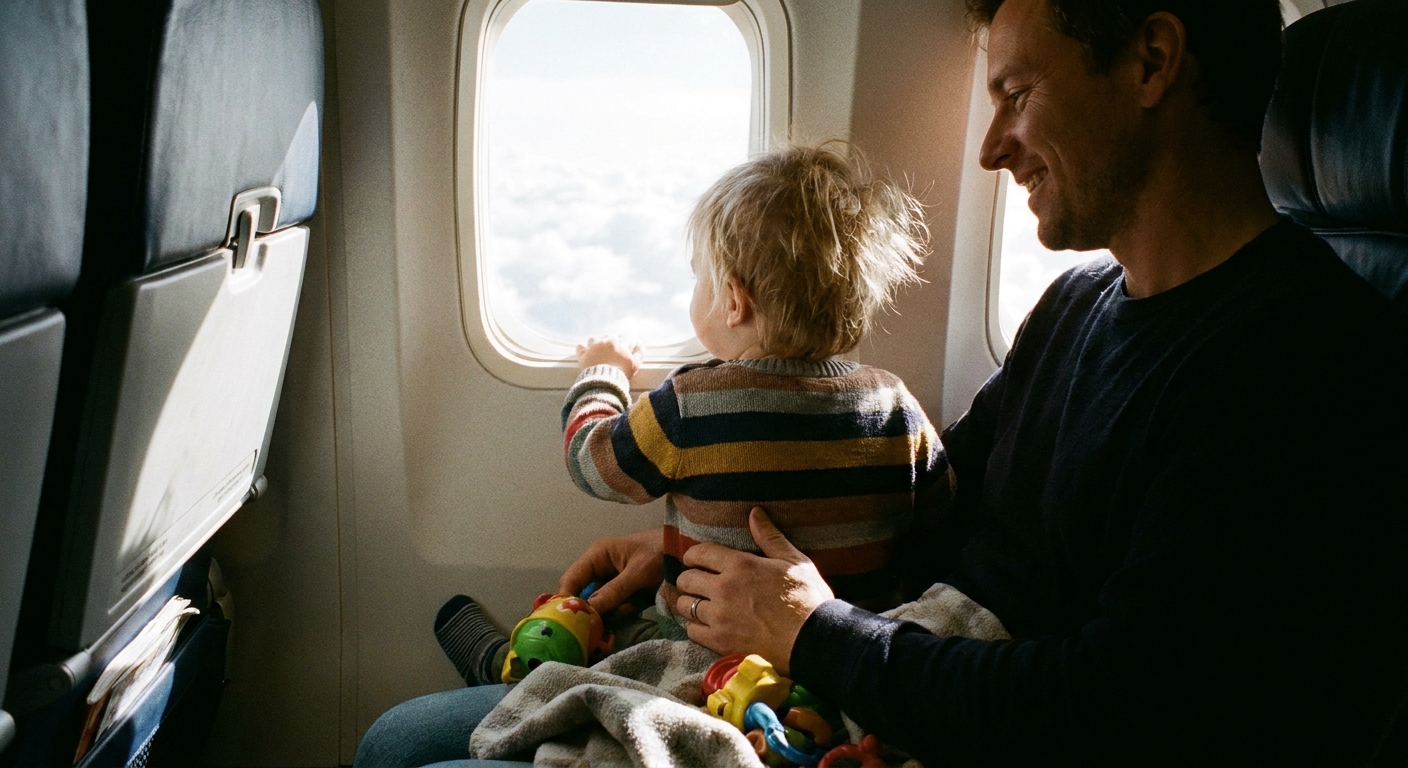
Airplane cabins are pressurized, but not to sea level. As the plane climbs and descends, the air pressure around us changes. Your middle ear is an air-filled space behind the eardrum, and it has to match outside pressure to feel comfortable.
Normally, the body equalizes that pressure through a tiny tunnel called the eustachian tube, which runs from the middle ear to the back of the nose and throat. When kids swallow, yawn, or chew, that tube opens briefly and lets pressure balance out. Little kids often struggle with this because their eustachian tubes are smaller and more easily blocked by colds, allergies, and swollen adenoids.
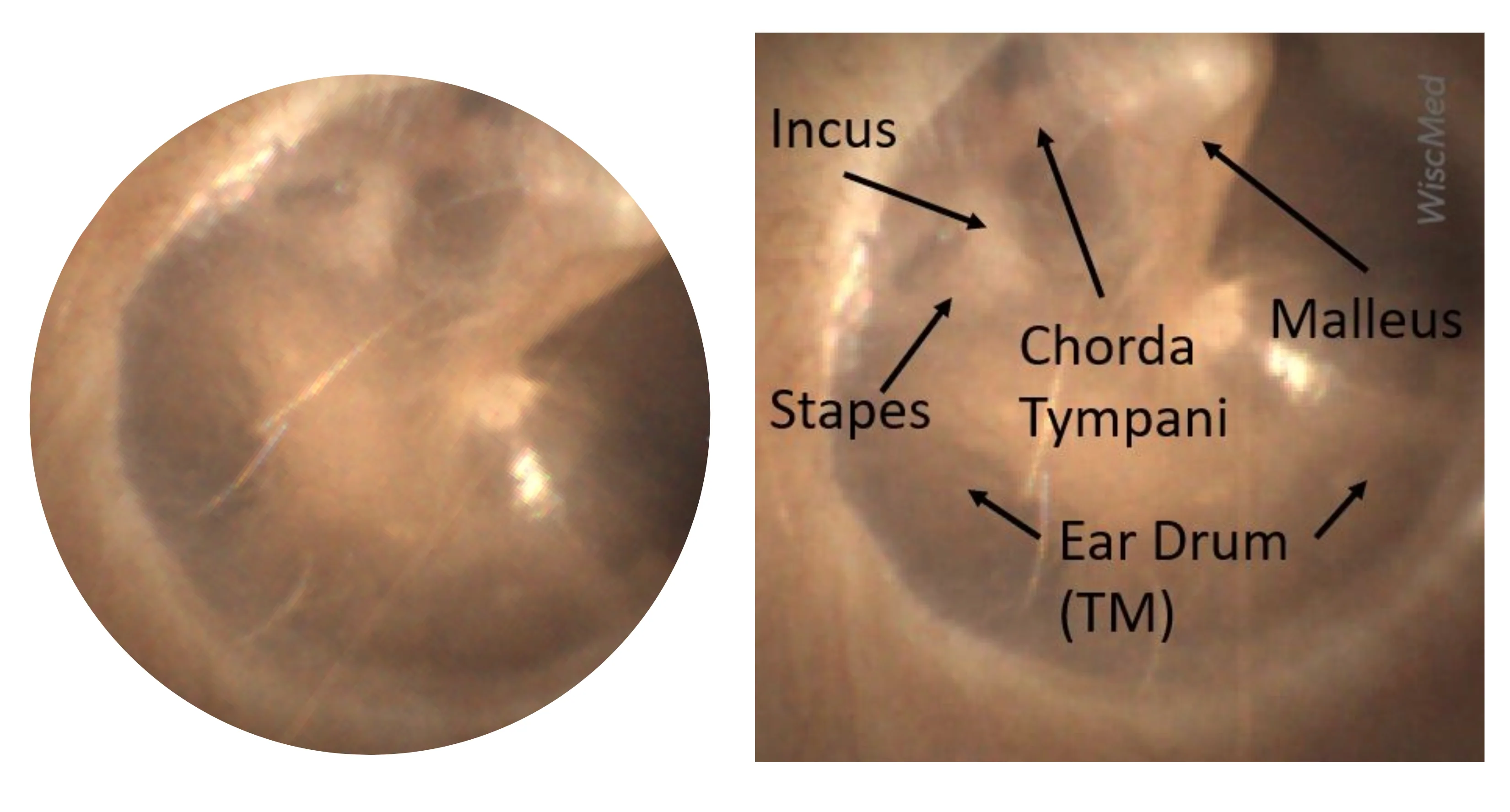
Ear tubes (tympanostomy tubes) create a small opening in the eardrum that lets air move in and out of the middle ear. That means pressure can often equalize without your child having to pop their ears the usual way. For many families, tubes are the reason flying goes from miserable to totally manageable.
Is it safe to fly with tubes?
For most children, yes. If your child is acting well, breathing comfortably, and does not have a current ear infection with significant symptoms, flying with ear tubes is usually fine. Many ENT clinicians specifically reassure families that tubes help prevent “airplane ear” pain.
That said, “safe” and “pleasant” are not always the same thing. A child can be medically safe to fly but still have discomfort if they are congested, have an irritated ear canal, or are in the middle of a viral illness.
If you are still deciding whether tubes are right for your child in the first place, start here: Ear Tubes for Kids.
When flying is usually fine
In my nurse-brain world, I think of this as the “green light” group. Flying is usually fine when:
- Your child feels well overall. Normal energy for them, eating and drinking okay.
- No fever (or they had a mild fever earlier in the illness and have clearly improved).
- No new or worsening ear pain. A child who occasionally tugs at their ear but is otherwise happy is different from a child who is crying, inconsolable, or waking at night with pain.
- Any ear drainage is old news and improving. For example, a child who had drainage last week, saw the clinician, started drops, and is now better.
- The surgery was not extremely recent and your ENT gave routine post-op clearance. Many kids can fly soon after tubes, but if your child is within the first week after surgery, it is reasonable to confirm with your surgeon’s office.
If your child is prone to ear infections and you want a refresher on what symptoms actually matter, this is a helpful companion read: Toddler Ear Infection: Symptoms, Treatment, and When to See the Doctor.
When to consider delaying
This is the part parents really want in plain language. Ear tubes reduce pressure pain, but they do not make a sick child magically comfortable, and they do not eliminate every complication. I recommend delaying travel and calling your child’s clinician if any of the following are true:
1) New ear drainage in the last 24 to 48 hours
With tubes, an ear infection often shows up primarily as drainage (yellow, white, or sometimes bloody-tinged fluid) coming out of the ear canal. That drainage is the middle ear emptying through the tube, which is exactly what tubes are designed to allow, but it is still a sign of inflammation, infection, or irritation.
If drainage is new, your child may need ear drops, an exam, or both. Flying may still be possible, but I would not wing it without medical guidance, especially if your child is also in pain or has fever.
2) Fever plus ear symptoms
A fever can happen with a simple viral cold, but fever paired with new ear pain, new drainage, or a child who looks unwell raises the odds you are dealing with an active infection. If your child has a high fever (around 39°C/102°F or higher) or any fever with a very unwell child, postponing is often the kindest choice for everyone on the plane, including you. When in doubt, ask your clinician.
3) Significant ear pain despite tubes
Tubes usually prevent the classic pressure-pain situation. So if a child with tubes has substantial ear pain, I start thinking about other causes: ear canal irritation, swimmer’s ear, a blocked or non-functioning tube (for example, thick drainage can clog it), fluid and inflammation, or pain radiating from a sore throat or teething.
Severe pain, pain that is getting worse, or pain that is paired with swelling behind the ear, redness spreading on the skin, or a child who cannot be comforted deserves medical evaluation before travel.
4) They have an ear infection right now and you are unsure
If your child has an untreated ear infection or you strongly suspect one, read this first and use it to guide your next step: Should You Fly if Your Child Has an Ear Infection?.
Mom-to-mom translation: Tubes can make pressure changes easier, but they do not erase the fact that your child might be sick. If your gut is telling you your kid is not okay, trust that.
If drainage shows up mid-trip
It can happen. Sometimes you board with a kid who seems fine, and later you notice fluid in the ear canal. The flight itself usually is not the root cause. Drainage more often reflects what was already brewing in the middle ear, and you just happened to notice it during travel.
If you notice drainage during travel:
- Gently wipe the outside of the ear with a clean tissue or wipe. Do not put cotton swabs inside the ear canal.
- Do not pack the ear with cotton or tissue. Trapping moisture can irritate the canal. If you need to catch drainage briefly, use only a loose piece at the outer opening and follow your clinician’s preference.
- Use prescribed drops if you already have a plan from your ENT for drainage episodes. Some families are instructed to start antibiotic ear drops when drainage begins. If your child does not have that plan, call your clinician for guidance.
- Watch your child, not just the ear. If they are comfortable and afebrile, this is often manageable until you can be seen.
If your child already has drops, put them in your carry-on. Travel days have a way of turning “we’ll just do it when we get there” into “we really needed that six hours ago.”

Comfort tips for takeoff and landing
Even with tubes, I like simple comfort measures because travel days are already a lot for little nervous systems.
Encourage swallowing
- For babies: bottle, breastfeeding, or a pacifier during descent
- For toddlers and kids: water bottle, snack, chewy granola bar, or gum for older kids who can safely chew it
Help congestion without cold meds
If your child is congested, focus on low-risk basics: good hydration, saline spray or drops, gentle suction for babies if you use it at home, and humid air when you can. Congestion can still make ears feel “full,” even when tubes are doing their job.
Keep pain control kid-friendly
If your child is recovering from a recent illness or has mild discomfort, ask your pediatrician if an age-appropriate dose of acetaminophen or ibuprofen makes sense for your child. Avoid giving medication “just because” if your child is totally fine, but do not martyr yourself either. A comfortable kid travels better.
Avoid decongestants without guidance
Over-the-counter cold medicines and decongestants are not recommended for young children in many cases, and they can have side effects. If congestion is a big issue and you are considering medication, check with your pediatrician first.
Stick to your sleep routine when possible
Overtired kids cry more, and crying can make ears feel more “pressured,” even when tubes help. If you can time naps, bring a comfort item, and keep expectations low, you are doing it right.
Common worries
Can cabin pressure push the tubes out?
Pressure changes during flying do not typically force ear tubes out. Tubes usually fall out on their own over months as the eardrum heals and gradually pushes them out.
Why does my child still complain of pressure?
Sometimes a tube is blocked by thick fluid, earwax, or dried drainage. Sometimes the pain is not coming from the middle ear at all. If your child with tubes repeatedly has pressure pain with flights, ask your ENT to check tube patency (whether the tubes are open and functioning).
Can my child wear earplugs or noise-canceling headphones?
Noise-canceling headphones are fine and can be great for sensory comfort. Earplugs can be okay for older kids, but they are not necessary for pressure with tubes and are a choking risk for little ones. If your child has frequent ear drainage, ask your ENT if they recommend any precautions for travel.
Is swimming or bathing related to flying risk?
Not directly. Water exposure can sometimes irritate the ear canal or contribute to drainage in certain kids, but flying itself is about pressure changes. If you are traveling for a beach vacation and your child is a frequent “drainer,” it is worth checking your ENT’s recommendations on ear protection for swimming.
What if my child just had tubes placed?
Many children can fly soon after tube placement, but the right answer depends on your child’s recovery, anesthesia after-effects, and your surgeon’s instructions. If travel is within the first week, call the ENT office and get a clear yes or no.
When to seek urgent care
Whether you are home, at your destination, or stuck in an airport, get urgent medical help if your child has:
- Severe ear pain that is not improving with comfort measures
- Fever with a very ill appearance, unusual sleepiness, or signs of dehydration (very dry mouth, no tears, significantly fewer wet diapers)
- Swelling, redness, or tenderness behind the ear, or the ear sticking out more than usual
- Stiff neck, severe headache, persistent vomiting, confusion, or trouble breathing
If your child has ear drainage plus fever and you are not sure what to do, it is always reasonable to call your pediatrician’s after-hours line. That is exactly what it is there for.
The bottom line
Ear tubes often make flying easier because they help the middle ear equalize pressure without your child having to work so hard to pop their ears. Most kids with tubes can fly safely, and many are far more comfortable than they were before.
The main reasons to delay travel are not the tubes themselves. It is what is happening around them: new drainage, a new fever, significant pain, or a child who just looks unwell. When you are unsure, a quick call to your pediatrician or ENT can save you a very long, very uncomfortable flight.
Sarah Mitchell
Sarah Mitchell is a Registered Pediatric Nurse and a mother of three who has spent over a decade helping families navigate the beautiful, chaotic early years of childhood. She combines evidence-based medical knowledge with real-world parenting experience to offer practical, compassionate advice. At Awesome Parent, Sarah's mission is to help exhausted parents find solutions, trust their instincts, and finally get some sleep.