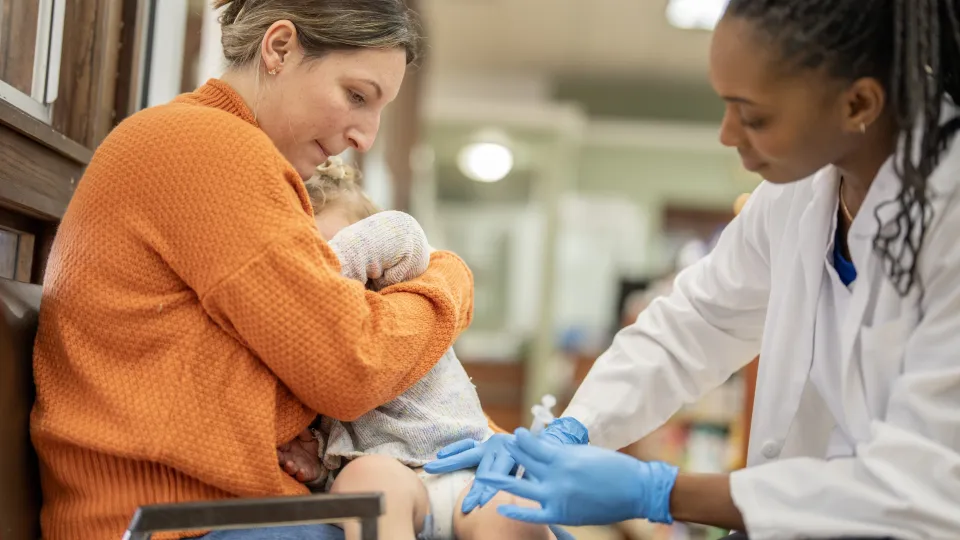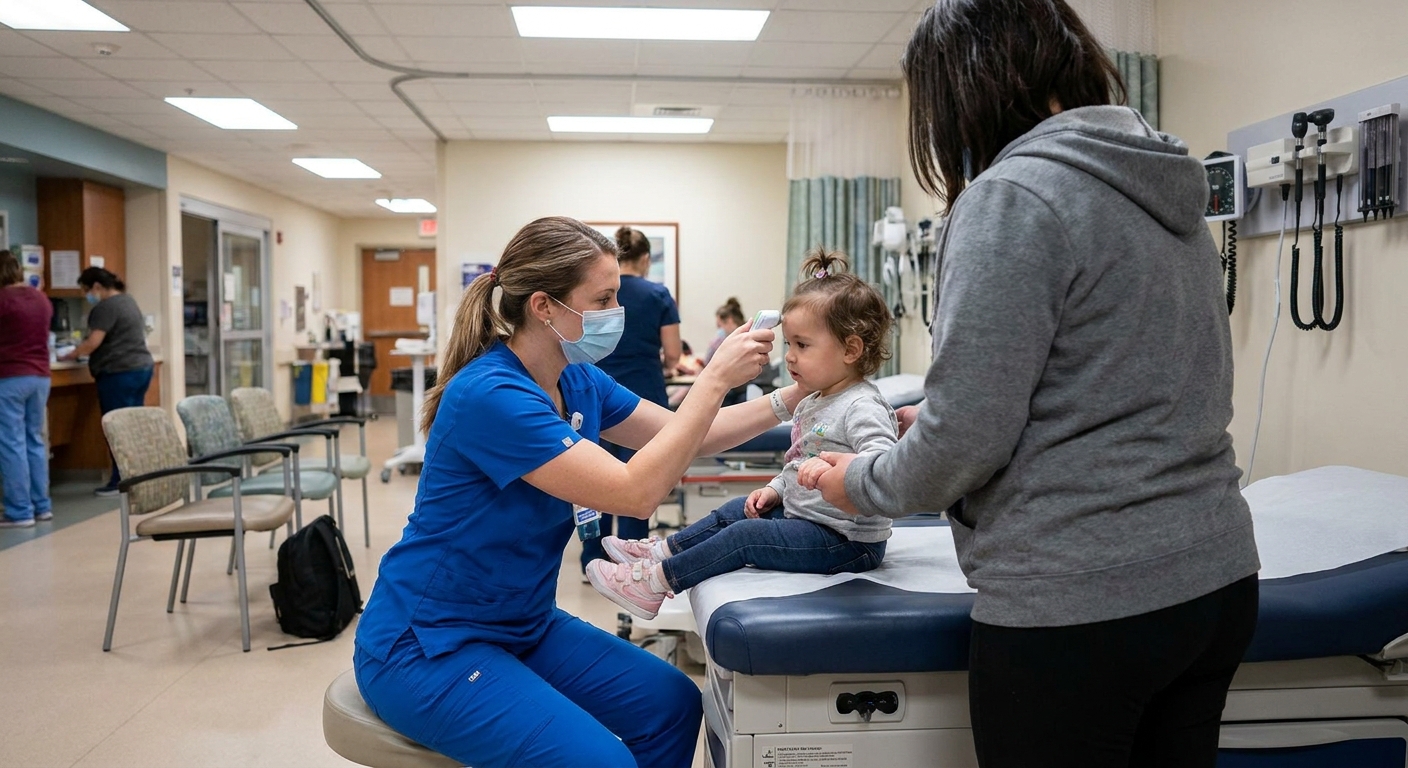
A calm, parent-friendly guide to spotting epiglottitis versus croup or a sore throat, plus what to do right away to protect your child’s airway.
Hib Vaccine for Babies: Schedule and Protection

Sarah Mitchell
Sarah Mitchell is a Registered Pediatric Nurse and a mother of three who has spent over a decade helping families navigate the beautiful, chaotic early years of childhood. She combines evidence-based medical knowledge with real-world parenting experience to offer practical, compassionate advice. At Awesome Parent, Sarah's mission is to help exhausted parents find solutions, trust their instincts, and finally get some sleep.
In the pediatric clinic, some of the scariest calls I ever took were about sudden breathing trouble and drooling. Parents would describe a child who could not swallow, sounded noisy when breathing, and seemed panicked. Before Hib vaccination was routine, one of the big causes we worried about was epiglottitis. Now, thankfully, it is rare in vaccinated kids, largely because of one routine shot most babies get: the Hib vaccine.
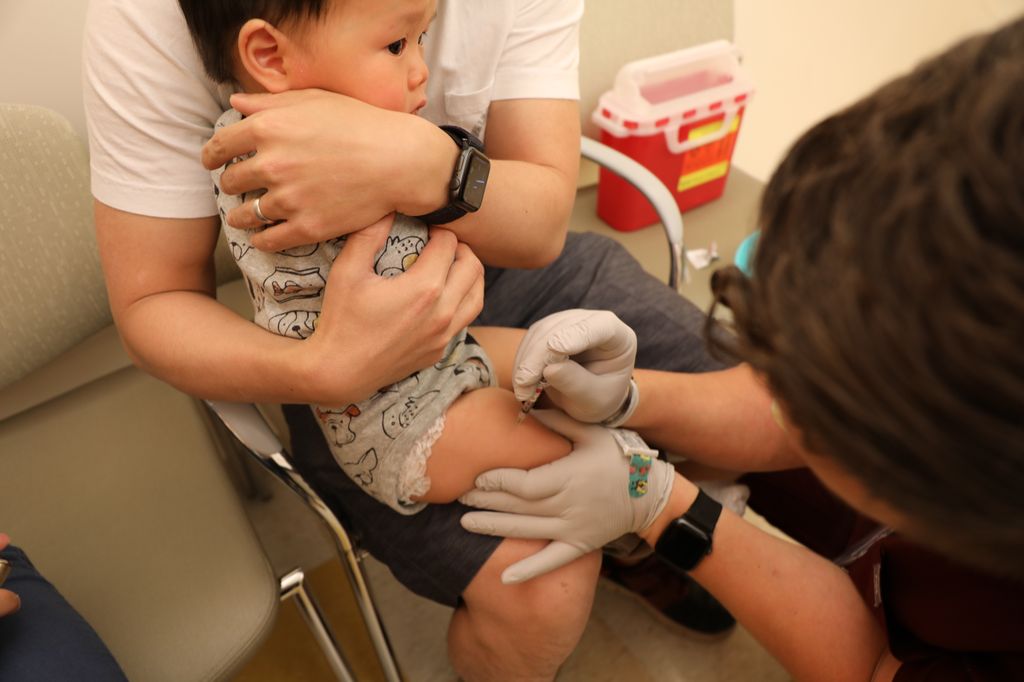
If you are trying to make sense of your baby’s immunization schedule at 2 a.m. (been there, three times), this guide will walk you through what Hib is, when the vaccine is given, what side effects are normal, and what to do if your child falls behind.
What is Hib (Haemophilus influenzae type b)?
Hib stands for Haemophilus influenzae type b, a bacterium that can cause severe infections, especially in babies and young children. Despite the name, Hib is not the flu. (Influenza is a virus. Hib is a bacterium.)
Before the Hib vaccine became routine, Hib was one of the most common causes of serious bacterial illness in young kids, including:
- Meningitis (infection of the lining around the brain and spinal cord)
- Epiglottitis (dangerous swelling near the airway that can block breathing)
- Pneumonia
- Bloodstream infection (bacteremia or sepsis)
- Septic arthritis (infection in a joint)
Hib spreads through respiratory droplets. Many people can carry the bacteria in their nose or throat without being sick, which is one reason it used to move quickly through communities and child care settings.
What the Hib vaccine protects against
The Hib vaccine is designed to protect against invasive Hib disease, meaning Hib infections that spread into parts of the body that should be germ-free, like blood or spinal fluid.
Two conditions parents commonly hear about are:
- Hib meningitis: Can lead to brain injury, hearing loss, or death even with treatment.
- Hib epiglottitis: Can progress fast and become a 911-level emergency because it may block the airway.
It is also important to know what Hib vaccine does not do: it does not prevent all causes of meningitis or all causes of epiglottitis. Other bacteria and viruses can cause those illnesses too. But it dramatically reduced Hib as a cause.
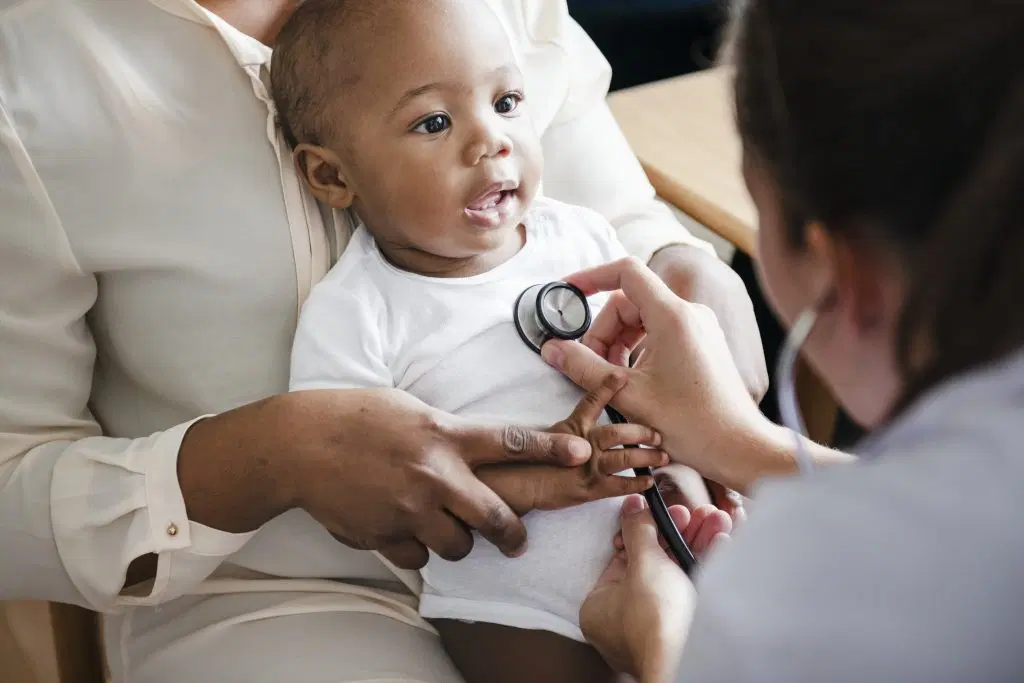
Hib vaccine schedule for babies
In the US, Hib vaccination starts in infancy because the risk of severe Hib disease is highest in the first years of life.
Typical routine schedule
- 2 months
- 4 months
- 6 months (depends on which product is used)
- 12 to 15 months (booster dose)
Here is the detail that trips up a lot of families: some Hib vaccines use a 3-dose primary series (2, 4, 6 months) plus a booster, while others use a 2-dose primary series (2, 4 months) plus a booster.
For extra clarity, many pediatric offices use products like ActHIB or Hiberix, and several combination vaccines that include Hib (such as those that combine DTaP and IPV) typically follow the 3-dose primary series. Another Hib product, PedvaxHIB, is commonly used as the 2-dose primary series. Your child’s pediatrician will use a schedule that fits the routine recommendations and what is available in their office.
Combination vaccines
Hib is often given as part of a combination shot (one injection that covers multiple diseases). That can make the record look confusing, but it is totally normal. If you are unsure whether your baby already received Hib, ask your pediatrician to read it off your child’s immunization record and translate it into plain English.
Why epiglottitis became rare after the Hib vaccine
Before widespread Hib immunization, Hib was a leading cause of epiglottitis in children. Epiglottitis is inflammation and swelling of the epiglottis, the small flap of tissue that helps keep food out of the windpipe when we swallow.
When the epiglottis swells, kids can develop:
- Drooling because swallowing hurts or is difficult
- Noisy breathing (stridor)
- Trouble breathing that can worsen quickly
- A preference for sitting upright and leaning forward
Once the Hib vaccine became routine, rates of invasive Hib disease dropped dramatically, and Hib-related epiglottitis became uncommon in vaccinated populations. In real-life terms: pediatric providers still take any signs of airway obstruction extremely seriously, but we do not see Hib epiglottitis the way older clinicians used to describe from earlier in their careers.
Common Hib vaccine side effects
Most babies do very well with Hib vaccination. When side effects happen, they are usually mild and short-lived.
Expected, common reactions
- Soreness, redness, or swelling where the shot was given
- Fussiness for a day or two
- Sleepiness or slightly decreased appetite
- Low-grade fever
What you can do at home
- Comfort measures: Extra cuddles, feeding on demand, and keeping plans light for 24 hours can help.
- Cool compress: A cool, damp cloth at the injection site can ease soreness.
- Fever meds: If your baby seems uncomfortable, ask your pediatrician about the right dose of acetaminophen. (Ibuprofen is not recommended routinely under 6 months unless your clinician advises it.)
If your child receives Hib in a combination vaccine, side effects can reflect the whole combo, not just the Hib component.

When to call the doctor urgently
Seek urgent care or call your child’s clinician right away if your baby has:
- Signs of an allergic reaction such as hives, facial swelling, or trouble breathing
- A very high fever, or fever in a young infant that your pediatrician has told you needs immediate evaluation
- Unusual limpness, persistent inconsolable crying, or behavior that worries you
Severe allergic reactions are rare, but we take them seriously because they can be dangerous.
Who should wait or skip Hib today
Most babies can get Hib right on schedule. A few situations are worth a quick check-in with your clinician first:
- Previous severe allergic reaction to a Hib-containing vaccine or a vaccine ingredient: Hib should not be given again unless your clinician and an allergy specialist say it is safe.
- Moderate or severe illness (for example, your child is really unwell or has a significant fever): your visit may be rescheduled until they are feeling better.
A mild cold is usually not a reason to delay vaccination, but if you are on the fence, call your pediatrician’s office and describe symptoms. They will tell you whether to come in.
What if my baby missed a Hib dose?
First, take a breath. Missed vaccine doses happen all the time, especially with winter viruses, family emergencies, and childcare illnesses that never end. The good news is that you usually do not need to restart the series.
General catch-up approach
- Call your pediatrician and ask for a catch-up plan. They will follow the official catch-up schedule and your child’s age.
- Get the next dose as soon as possible when your child is well enough to attend a visit.
- Bring your immunization record if you are going to a new clinic or pharmacy-based immunization site.
Catch-up rules depend on your child’s current age, how many doses they have already had, and which product was used previously. That is why the fastest path is usually a quick message to your pediatric office with a photo of the vaccine record.
Do older kids need Hib?
Healthy children who are 5 years and older typically do not need Hib vaccination if they were not vaccinated as infants. There are exceptions for certain medical conditions that increase risk for invasive disease, including anatomic or functional asplenia (including sickle cell disease) and some immune-compromising conditions (and in certain situations after a stem cell transplant). If any of that applies to your child, confirm the plan with your clinician.
Quick FAQ
Can my baby get Hib if other vaccines are given the same day?
Yes. Hib is routinely given at the same visits as other infant vaccines. This is studied, common, and part of standard pediatric care.
Is Hib still around if we vaccinate so much?
It is much less common than it used to be, but it can still show up. Vaccination helps protect your child and also reduces spread in the community.
Does Hib vaccine prevent the flu?
No. Hib is a bacterium, and influenza is a virus. Your baby will need a separate flu vaccine when they are old enough and it is in season.
Can my baby get Hib if they have a runny nose?
Usually, yes. A mild illness like a runny nose or a little cough is not typically a reason to skip vaccines. If your baby has a higher fever, seems very unwell, or you are worried, call your pediatrician to decide whether to come in or reschedule.
If my baby had a fever after vaccines, should we skip the next Hib dose?
A mild fever after vaccination is common and usually not a reason to stop future doses. Talk with your pediatrician about what happened and how your baby did overall. Together you can make a plan that feels safe and manageable.
When to get urgent help for breathing symptoms
Even though Hib epiglottitis is now rare in vaccinated kids, any signs of airway trouble need immediate attention.
Call 911 or seek emergency care if your child has:
- Struggling to breathe, pulling in at the ribs or base of the neck
- Noisy breathing (stridor) at rest
- Drooling and trouble swallowing
- Blue or gray lips or face
- Severe lethargy or inability to stay awake
Trust your gut here. If your child looks like they cannot breathe comfortably, it is an emergency, full stop.
The bottom line
The Hib vaccine is one of those quiet success stories in pediatrics. It protects babies from infections that used to be terrifyingly common, including Hib meningitis and a major cause of childhood epiglottitis. The routine schedule starts at 2 months, and if your child falls behind, your pediatrician can help you catch up without starting over.
If you are unsure what your baby has already received or what comes next, call or message your pediatrician’s office and ask them to walk you through your child’s vaccine record and the catch-up plan, if you need one.
Sarah Mitchell
Sarah Mitchell is a Registered Pediatric Nurse and a mother of three who has spent over a decade helping families navigate the beautiful, chaotic early years of childhood. She combines evidence-based medical knowledge with real-world parenting experience to offer practical, compassionate advice. At Awesome Parent, Sarah's mission is to help exhausted parents find solutions, trust their instincts, and finally get some sleep.