A parent-friendly guide to mono in kids and teens: what symptoms look like, how it differs from strep, when tests are useful, how long fatigue lasts, and spl...
How Long Is Mono Contagious to Family and Classmates?

Sarah Mitchell
Sarah Mitchell is a Registered Pediatric Nurse and a mother of three who has spent over a decade helping families navigate the beautiful, chaotic early years of childhood. She combines evidence-based medical knowledge with real-world parenting experience to offer practical, compassionate advice. At Awesome Parent, Sarah's mission is to help exhausted parents find solutions, trust their instincts, and finally get some sleep.
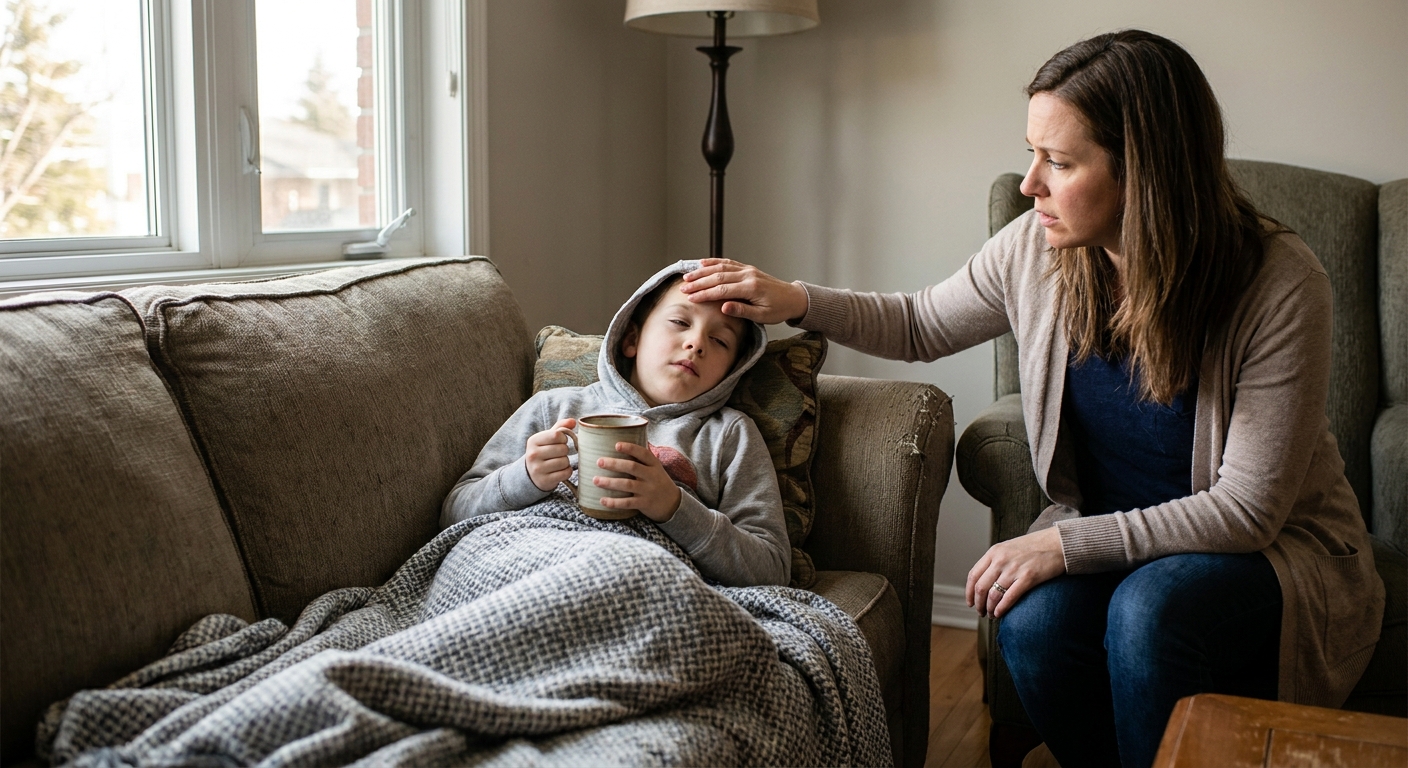
When your child gets diagnosed with mono, the first thought is usually, “Okay… how long do I have to keep everyone else from catching this?” As a pediatric triage nurse, I used to answer this question daily. As a mom of three, I have also lived it, including the part where you realize your kids share water bottles like it is a team sport.
Mono is tricky because it spreads through saliva and can be contagious before your child looks sick. Below is a realistic, family friendly timeline for when kids and teens may be most likely to spread mono and what you can do to lower the odds for siblings, classmates, and teammates.

Quick answer: how long is mono contagious?
Mono, usually caused by the Epstein-Barr virus (EBV), can spread through saliva:
- Before symptoms start: yes, it can be contagious.
- Early in the illness: the risk is often highest in the first few weeks, especially when there is a lot of sore throat, drooling, coughing into hands, and general “kid sharing” behavior.
- After symptoms improve: many kids and teens can still have EBV in saliva for weeks to months.
That last point is what makes mono so frustrating. There is no clean, reliable “day X = not contagious” moment the way there can be with some other infections.
In day-to-day life, the most practical way to think about it is this: risk is usually highest early on and gradually drops, but it does not drop to zero quickly.
Mono timeline
1) Incubation period
Typical incubation: often about 4 to 8 weeks (it can vary).
This is why parents often cannot pinpoint where it came from. Your child may have been exposed at a sleepover, during a tournament weekend, or from a friend who felt totally fine at the time.
2) When it spreads in real life
EBV can show up in saliva before symptoms and can continue to show up after your child seems much better. In most families and classrooms, spread tends to happen most when:
- No one knew it was mono yet: kids are living normally and sharing drinks, utensils, and snacks.
- Early illness: especially the first few weeks, when saliva contact is common and viral shedding is more likely.
After that, the risk generally decreases, but some shedding can continue for months. That does not mean your child needs to stay home for months. It means you should be extra strict about saliva habits for a while.

How mono spreads in families and schools
Mono is nicknamed “the kissing disease,” but in pediatrics we see spread in plenty of less dramatic ways.
Saliva is the key
Mono spreads primarily through saliva-to-saliva contact, including:
- Sharing drinks, water bottles, soda cans, juice pouches
- Sharing utensils, straws, or tasting each other’s food
- Sharing toothbrushes (yes, it happens)
- Kissing
- Saliva on hands that then goes to mouths (more common with little kids)
What about coughing, sneezing, or being in the same room?
EBV is not as easily spread through the air as many typical cold viruses. Simply sitting near someone with mono at school is usually not the main issue. The bigger risk is shared mouth items.
What about surfaces and toys?
EBV does not tend to spread as efficiently from surfaces as viruses like norovirus. Still, if a child with mono slobbers on a toy and another child immediately puts it in their mouth, that is a plausible route. Think of surfaces as a lower risk than direct sharing of drinks or utensils, but not impossible in the toddler and preschool years.
When are siblings most likely to catch mono?
In my experience, siblings catch mono most often when the household is doing “normal” life before anyone realizes what is going on. That usually means:
- Before diagnosis: they shared snacks, cups, and bathroom sinks like usual.
- Early illness: fatigue and sore throat are front and center, but siblings are still sneaking sips and grabbing the same fork.
Some siblings never get it, even with close contact. Others do. Exposure does not guarantee infection, and many people have had EBV at some point without realizing it.
One helpful piece of context: EBV is extremely common. Many adults have already had it, and prior infection usually means you are unlikely to get classic mono again. That is one reason why not everyone in a household necessarily gets sick.
When are classmates or teammates most likely to catch mono?
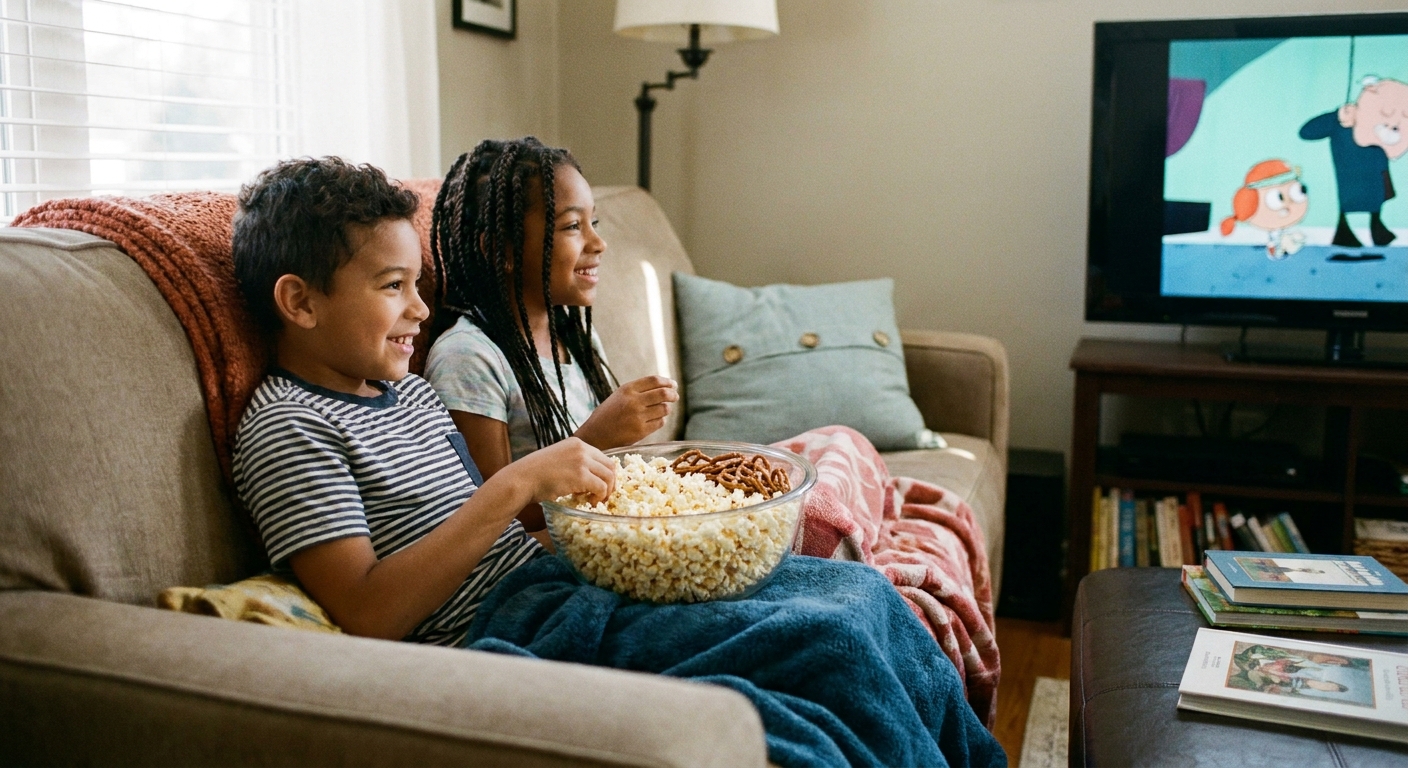
For classmates and teammates, risk is highest in situations where saliva sharing happens without anyone thinking twice:
- Water bottles on the sidelines during sports
- Shared snack bags on field trips or after practice
- Sleepovers where kids share drinks and late-night candy
- Dating and kissing, especially in teens
School spread is usually less about sitting at nearby desks and more about what happens at lunch tables, locker rooms, and hangouts.
Back to school with mono
In most cases, yes, kids can go back to school. Schools and pediatric clinicians do not typically recommend staying home until you are “no longer contagious” because that point can be unclear and far out.
Instead, returning to school is usually based on whether your child can reasonably participate and manage symptoms. Many clinicians and schools use general illness guidance such as:
- They are fever-free for 24 hours without fever-reducing medicine (if they had a fever)
- They can swallow fluids and stay hydrated
- Their energy is enough to get through a school day, or a shortened day
Always follow your school’s policy and your child’s clinician’s advice, especially if symptoms are severe.
Important: return to sports is a separate conversation because of spleen safety. Mono can enlarge the spleen, and a hit to the belly can be dangerous. In general, avoid contact sports and rough play until your child is cleared by their clinician.
Lowering spread at home and school
Because mono spreads through saliva, your prevention plan is less about panic cleaning and more about stopping the shared mouth stuff habit.
At home
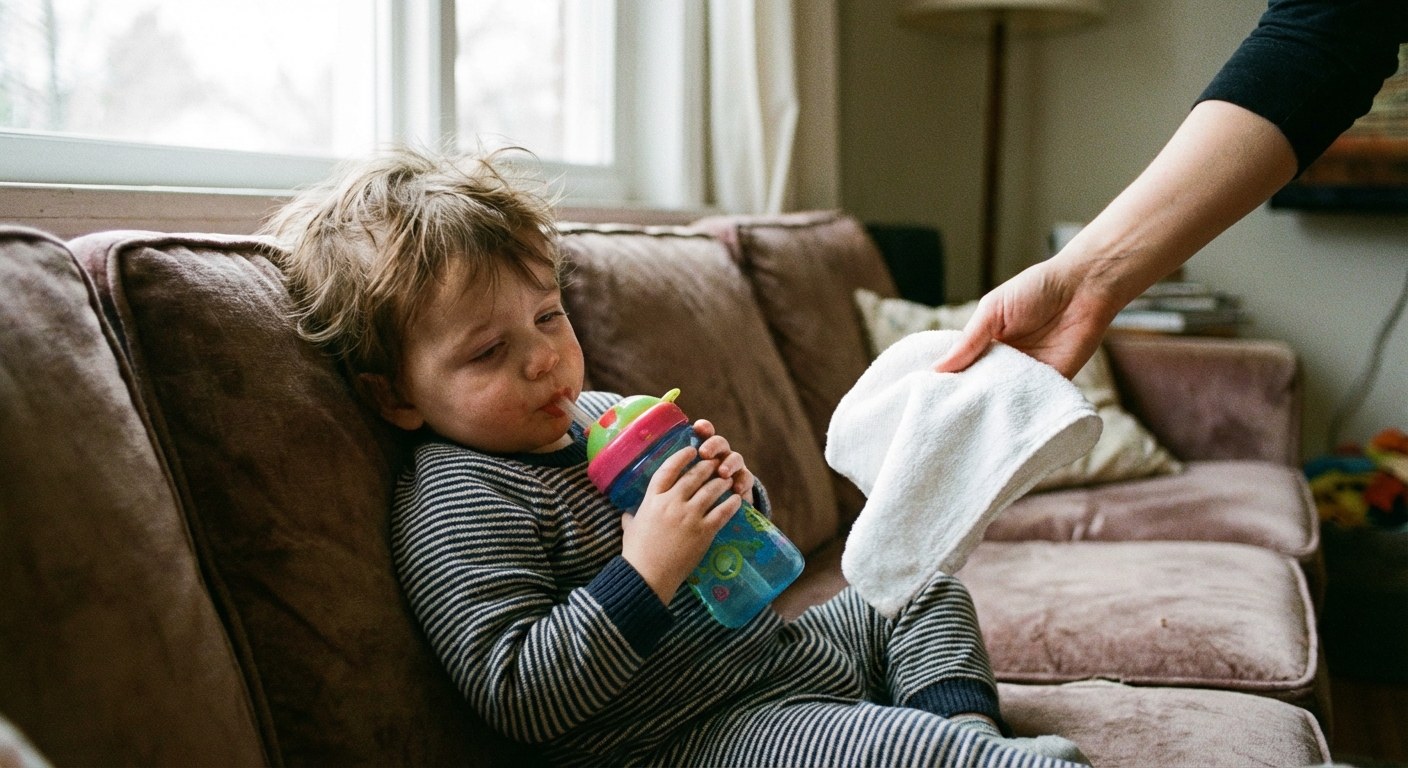
- Assign one cup and one water bottle to your child with mono and do not share it.
- No sharing utensils, straws, lip balm, mouthguards, or toothbrushes.
- Wash dishes normally with hot water and soap or a dishwasher.
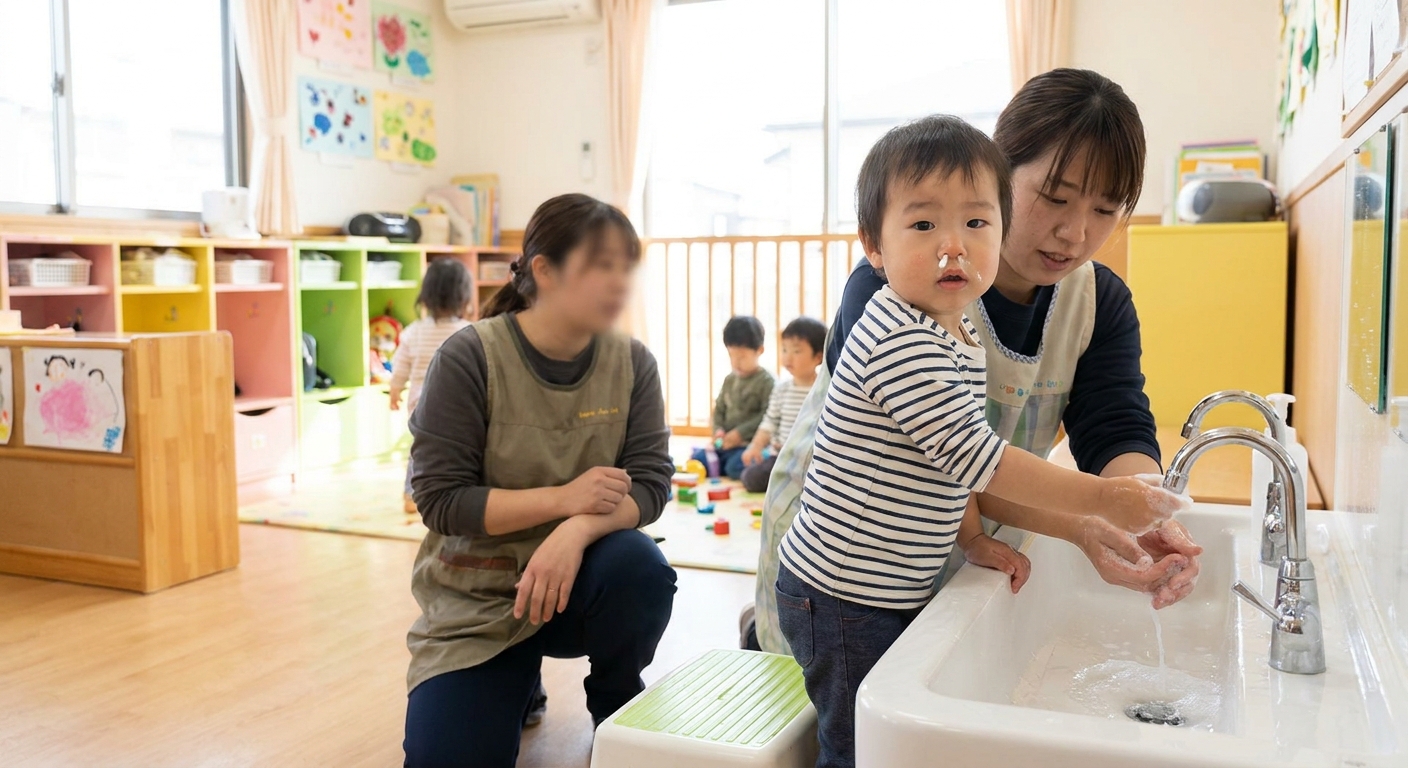
- Hand washing after handling tissues, cups, or dishes.
- Wipe obvious saliva spots (remote controls, tablet screens, game controllers) as needed.
At school and sports
- Send a clearly labeled water bottle and remind your child it is theirs only.
- Pack individual snacks rather than one shared bag.
- Skip sharing gum, candy, or drinks, even with best friends.
- Replace or sanitize mouthguards if they have been shared or mixed up.
If your child is a teen, I always add one honest line: kissing spreads mono. You can be calm and factual, even if it makes everyone cringe for a minute.
FAQ
Is mono contagious after antibiotics?
Antibiotics do not treat mono (it is viral), so they do not make someone “not contagious.” Sometimes kids get antibiotics early on if mono looks like strep, but contagiousness is still based on saliva contact, not the antibiotic timeline.
Is mono contagious without a fever?
Yes. Fever comes and goes, and plenty of kids with mono are contagious when they are not obviously very sick yet. Focus on saliva habits rather than fever alone.
How long should we avoid sharing drinks and utensils?
I tell families to be strict about no sharing for at least several weeks, and ideally for the full period your child is actively symptomatic (especially sore throat and heavy fatigue) plus a few more weeks. It is a low-effort habit change that can reduce spread.
If my other kids were already exposed, is it too late?
Not necessarily. Reducing saliva sharing can still help, because families have repeated exposures over many days. Even if exposure already happened, fewer exposures is still better than more.
Can the mono test be negative at first?
Yes. The rapid “mono spot” (heterophile) test can be negative early in the illness, especially in younger kids. Sometimes the diagnosis becomes clearer over time, or your clinician may use other blood tests if needed. Practically speaking, that is another reason families may have had exposure before a clear answer shows up.
When to call the doctor
Most mono cases can be managed with rest, fluids, and symptom support, but call your child’s clinician promptly if:
- Your child has trouble breathing or is drooling because they cannot swallow
- There are signs of dehydration (very little urine, dizziness, dry mouth)
- Severe throat pain is worsening, or your child cannot take in fluids
- Your child develops new or severe belly pain, especially on the left side, or left shoulder pain
- Symptoms are not improving as expected, or you are worried for any reason
If your child has mono and you are trying to protect siblings, you are not failing if someone else still gets it. EBV is common, and families do their best with close quarters and real life. Focus on the high-impact changes: no shared drinks, no shared utensils, and lots of hydration and rest.
Sarah Mitchell
Sarah Mitchell is a Registered Pediatric Nurse and a mother of three who has spent over a decade helping families navigate the beautiful, chaotic early years of childhood. She combines evidence-based medical knowledge with real-world parenting experience to offer practical, compassionate advice. At Awesome Parent, Sarah's mission is to help exhausted parents find solutions, trust their instincts, and finally get some sleep.