A calm, practical guide to toddler pink eye: discharge color clues, home care that actually helps, contagious timelines, when antibiotics are needed, and red...
How to Give Eye Drops to a Toddler With Pink Eye

Sarah Mitchell
Sarah Mitchell is a Registered Pediatric Nurse and a mother of three who has spent over a decade helping families navigate the beautiful, chaotic early years of childhood. She combines evidence-based medical knowledge with real-world parenting experience to offer practical, compassionate advice. At Awesome Parent, Sarah's mission is to help exhausted parents find solutions, trust their instincts, and finally get some sleep.
If you have ever tried to put eye drops into a toddler who is already miserable, you know it can feel like trying to trim a cat’s nails on a trampoline. As a pediatric nurse and a mom of three, I promise you are not alone. The goal is not “perfect technique.” The goal is one safe drop that lands in the eye area without turning everyone’s nervous system into scrambled eggs.
This guide focuses on the hands-on part: positioning, lids, and keeping the drop in. I am not going to tell you which medicine to use. Always follow your clinician’s instructions and the label.
Before you start: set yourself up for success
Most drop battles are lost in the first 10 seconds, usually because we are scrambling. Do these quick setup steps first.
- Wash your hands with soap and water.
- Check the label for dosing and which eye(s). If you were told a schedule, set a timer.
- Check the expiration date and whether it is a single-use vial or a multi-dose bottle. If you are not sure, ask your pharmacist.
- Warm the bottle in your hand for a minute. Cold drops feel startling and can trigger a bigger reaction.
- Have tissues or clean gauze ready for wiping tears or overflow.
- Pick your location: a bed, couch, or the floor with a pillow works well. Avoid standing over a toddler on a changing table.
- Do it before they are exhausted if possible. Overtired toddlers fight harder.
If your toddler is old enough to understand simple choices, offer one: “Do you want drops on the couch or on the bed?” Not “Do you want drops?” because the answer is always no.
Two safe positions for a resisting toddler
You do not need to “pin” your child down with force. You do need a hold that is secure, brief, and calm. If you cannot keep everyone safe, skip to the section on when to stop and call a clinician.
Option 1: Lap recline
- Sit on the floor or couch.
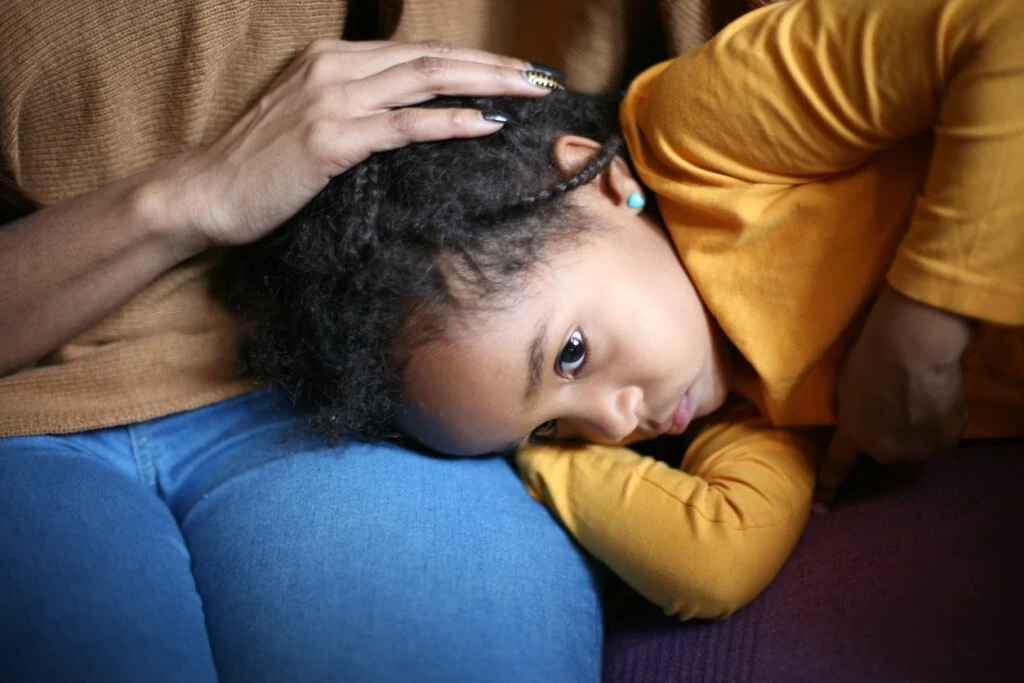
- Lay your toddler back so their head rests in the crook of your elbow or against your stomach.
- Use your forearm to gently stabilize the forehead, not the throat or chest.
- If legs are kicking, tuck their legs between your thighs or have another adult gently hold the legs still.
Option 2: Burrito wrap
If your toddler grabs the bottle or swats near their eye, a brief blanket wrap can prevent accidental scratches.
- Place a light blanket or towel on the bed.
- Lay your toddler in the center with arms down by their sides.
- Wrap one side snugly across the body, then the other side, keeping the wrap below the chin.
- Keep it quick. Talk calmly. As soon as the drop is in, unwrap.
Safety note: never wrap or hold a child in a way that restricts breathing, presses on the neck, or requires multiple attempts while they are thrashing. If it is escalating, stop.
How to get the drop in
You do not have to force an eye wide open. In fact, for toddlers, the easiest method is usually the inner-corner technique.
One important note: some prescriptions or clinicians prefer a specific method. If you were taught a technique for your child’s medication, follow that. If you were not, the options below are practical ways to get medicine into the conjunctival sac when a toddler refuses to cooperate.
Technique A: Inner-corner closed-eye method
- Have them close their eyes. You can say: “Squeeze your eyes shut like you are smelling a stinky sock.”
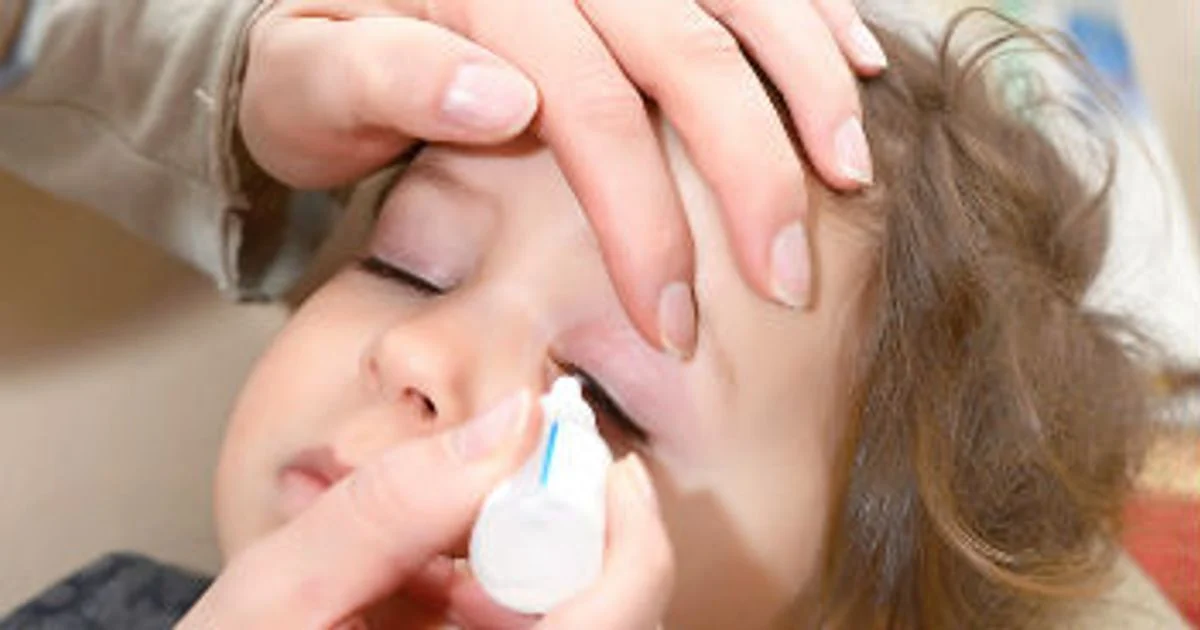
- With one finger, gently pull down the lower eyelid just a tiny bit to create a small pocket, then aim for the inner corner where the lids meet (closest to the nose). Do not press on the eyeball.
- Hold the bottle above the inner corner (not directly over the eyeball), and squeeze one drop so it lands in that inner corner.
- Tell them: “Now open, look at me.” When they open, the drop rolls into the eye space.
- Soft close for 10 to 60 seconds after the drop goes in, if they will tolerate it. Count, sing a tiny song, whatever works.
This method works because the medicine does not need to land dead center on the eye. It needs to get into the eye space.
Technique B: Lower-lid pocket
- Have your toddler look up at the ceiling or at a sticker you placed above them.
- With a clean finger, gently pull down the lower eyelid to form a small pocket.
- Bring the bottle close, but do not touch the lashes or eye.
- Place one drop into the pocket, then let the lid go.
- Encourage a gentle close, then count to 10 to 60.
What if they blink or the drop misses?
If the drop lands on the eyelid or near the lashes, it often still works its way in with blinking.
If you are not sure whether any medicine got into the eye area, it is usually better to avoid repeated attempts in the same moment. Multiple tries raise the risk of poking the eye or contaminating the tip.
If this is a time-sensitive prescription (for example, antibiotic drops, post-procedure drops, or anything your clinician emphasized is important to not miss) and you are sure it missed completely, call your pharmacist or clinician for advice on whether to re-dose rather than guessing.
Keeping the drop in: close and calm
The instinct is to say, “Don’t blink!” which is basically toddler code for “blink harder.” Try this instead:
- Close, do not squeeze: Ask for “soft closed eyes,” not a tight scrunch.
- Press the inner corner lightly (optional): For about 10 to 60 seconds, you can gently press the inner corner near the nose with a fingertip. This may reduce drainage into the tear duct. Some medications may recommend longer, so follow your clinician’s instructions. If your toddler hates it, skip it.
- No rubbing: Offer a tissue in their hand and say, “Hands can hold the tissue, not the eye.”
- Wipe outward: If there is overflow, wipe from the inner corner outward with a clean tissue or gauze, then toss it.
Bottle hygiene
Pink eye can spread easily, and drop bottles can become contaminated if the tip touches eyelashes, skin, or fingers. A few small habits make a big difference.
- Never let the bottle tip touch the eye, eyelid, eyelashes, or your child’s hands.
- Eye order: If only one eye looks infected, many clinicians recommend putting drops in the healthy eye first, then the infected eye second. No matter what order you use, hand hygiene is the real hero here.
- Wipe hands between eyes (or rewash) if you touched any discharge.
- Use a fresh tissue or gauze each time you wipe. Do not reuse the same cloth corner.
- Cap it right away, and store it exactly as directed (some need refrigeration, some do not).
- Do not share eye drops between siblings, even if symptoms look identical.
If the bottle tip does touch the eye, lashes, or skin, do not try to disinfect it unless a pharmacist tells you exactly what to do. Recap it and call your pharmacist or clinician to ask whether you should replace it, especially if there is heavy discharge or you are treating a bacterial infection.
If they absolutely will not cooperate
Some kids are simply not ready for a “hold still” approach, especially if they have had eye pain before. These strategies can help you get through the course safely.
Try a reset, not a wrestling match
- Pause for 5 to 10 minutes and try again when everyone is calmer.
- Use distraction: a favorite show, a song, blowing bubbles, or having them hold a special toy.
- Use teamwork if you have another adult: one adult stabilizes the body and holds hands, the other does the drop. Keep roles consistent.
- Practice with pretend: put a drop of artificial tears on a stuffed animal’s “eye area” or do a dry run with the cap on.
A note about bribery
I am very pro small rewards for medical tasks. A sticker, a mini marshmallow, one episode, a stamp on the hand. You are not “spoiling” your child. You are helping them build tolerance for necessary care.
Using more than one drop
If your child was prescribed more than one type of eye medication, ask your clinician or pharmacist how to space them. Often you wait about 5 to 10 minutes between different drops so the first one has time to absorb instead of getting washed out.
Toddlers almost never wear contact lenses, but if your child does (or if you are dealing with an older sibling too), follow your clinician’s directions on contacts. In many infections, contacts are paused until cleared.
When to stop trying and call a clinician
I want you to hear this clearly: you do not need to keep attempting drops if the situation is becoming unsafe. The next step is support from a clinician, not “try harder.”
Call urgently or seek same-day care if:
- Swelling is significant, especially swelling around the eye that is worsening, the eyelid is very puffy, or the eye looks pushed forward.
- Fever is present along with eye swelling, worsening redness, or your child looks particularly unwell.
- Severe eye pain, strong light sensitivity, or your toddler cannot open the eye because it hurts.
- Changes in vision: they seem unable to see normally, track normally, or you notice a cloudy-looking cornea.
- Concern for injury: a scratch, chemical exposure, or something may be stuck in the eye.
- You cannot give the drops safely without a level of force that risks injury, restricts breathing, or causes you to lose control of the bottle near the eye.
Go to emergency care now if:
- Your child is having trouble breathing or you cannot keep them breathing comfortably during any hold.
- There is rapidly spreading redness or swelling around the eye with fever or lethargy.
- You suspect a chemical burn or serious eye trauma.
If you are unsure, call your pediatrician’s nurse line. As a former triage nurse, I can tell you that “I can’t administer the eye drops safely” is a very reasonable reason to call.
Quick checklist: calm drop routine
- Wash hands, check label and expiration date, warm bottle in your hand
- Choose position: lap recline or quick burrito wrap
- Closed-eye inner-corner drop if your toddler fights opening
- Soft close for 10 to 60 seconds, no rubbing
- Wipe overflow outward with fresh tissue
- Keep bottle tip clean, recap immediately
- If one eye is infected, many clinicians suggest healthy eye first
FAQ
How many drops should I put in?
Use the amount prescribed or listed on the product label. More is not better. The eye can only hold so much liquid, and extra just spills out.
My toddler is screaming. Can crying wash the medicine out?
Tears can dilute drops a bit, but if you got a drop into the inner corner or lower lid pocket, a good amount still contacts the eye. Try to do the “soft close” for a short count once the drop is in.
Should I clean the gunk off first?
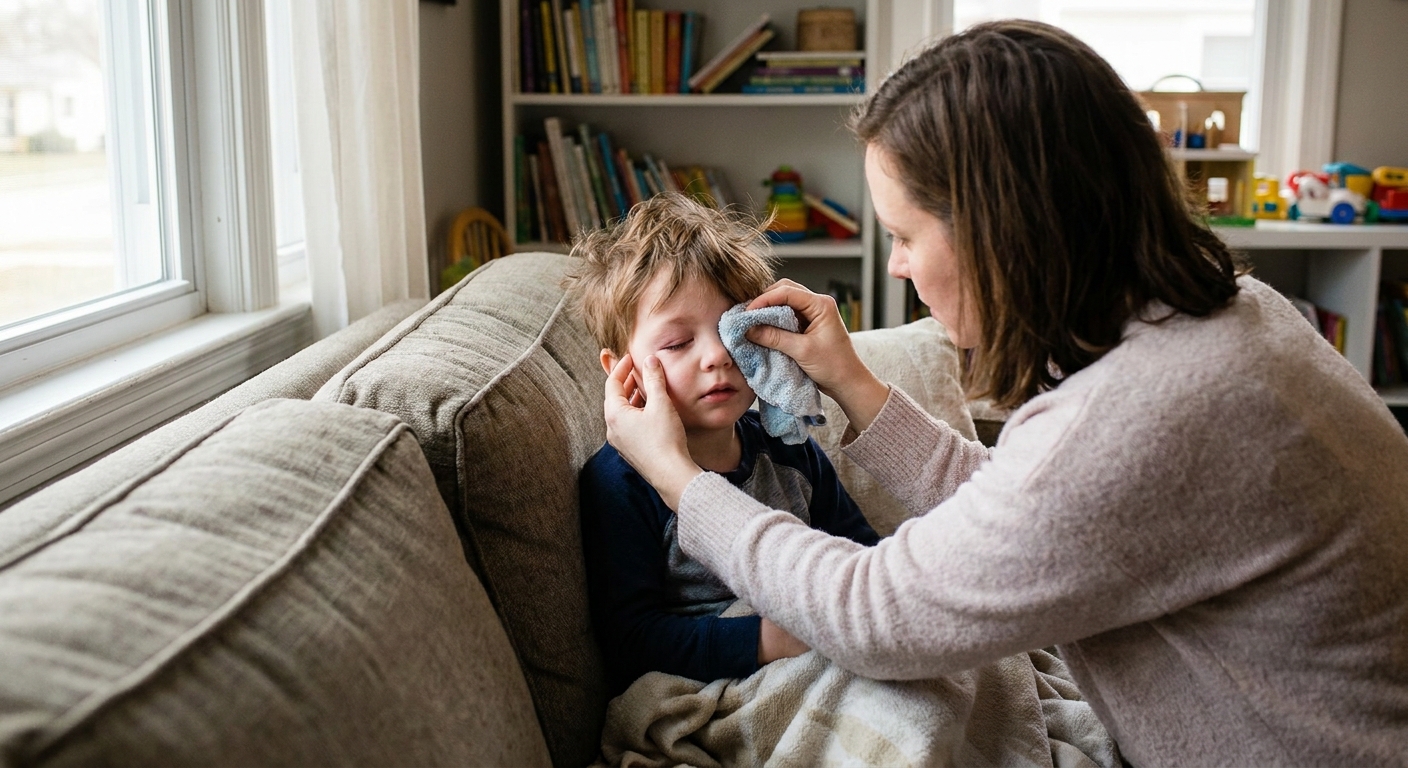
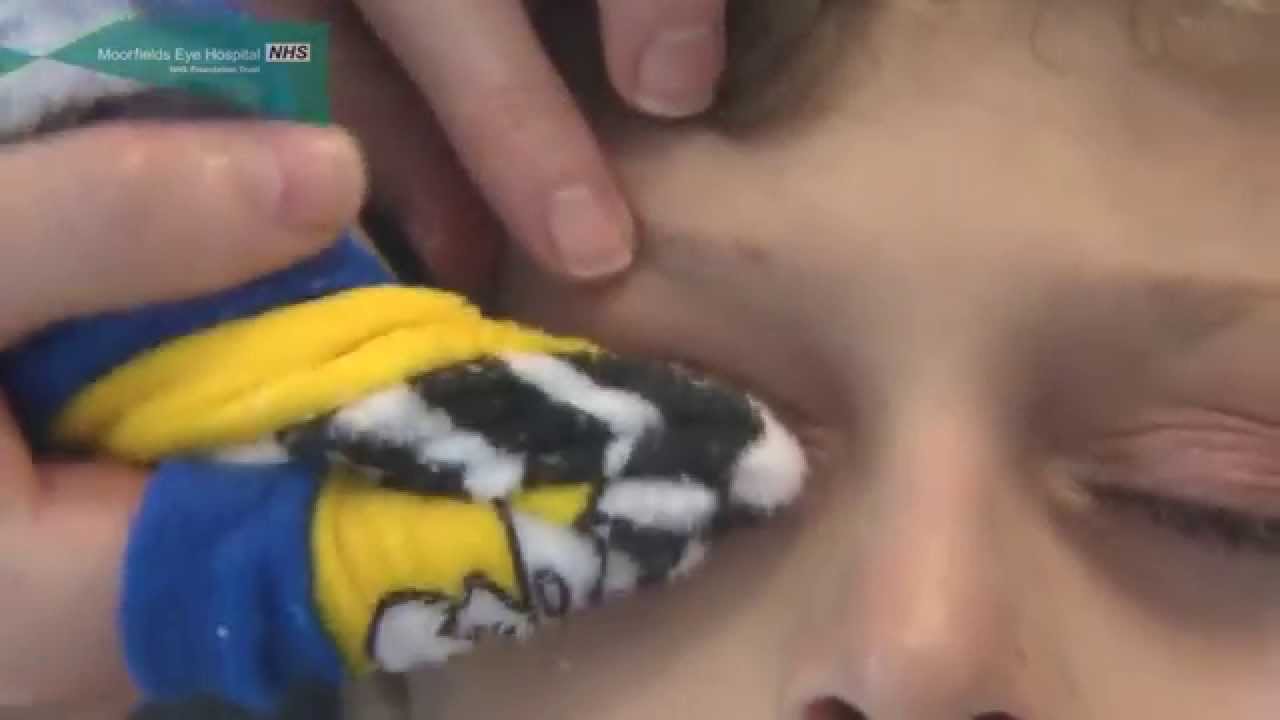
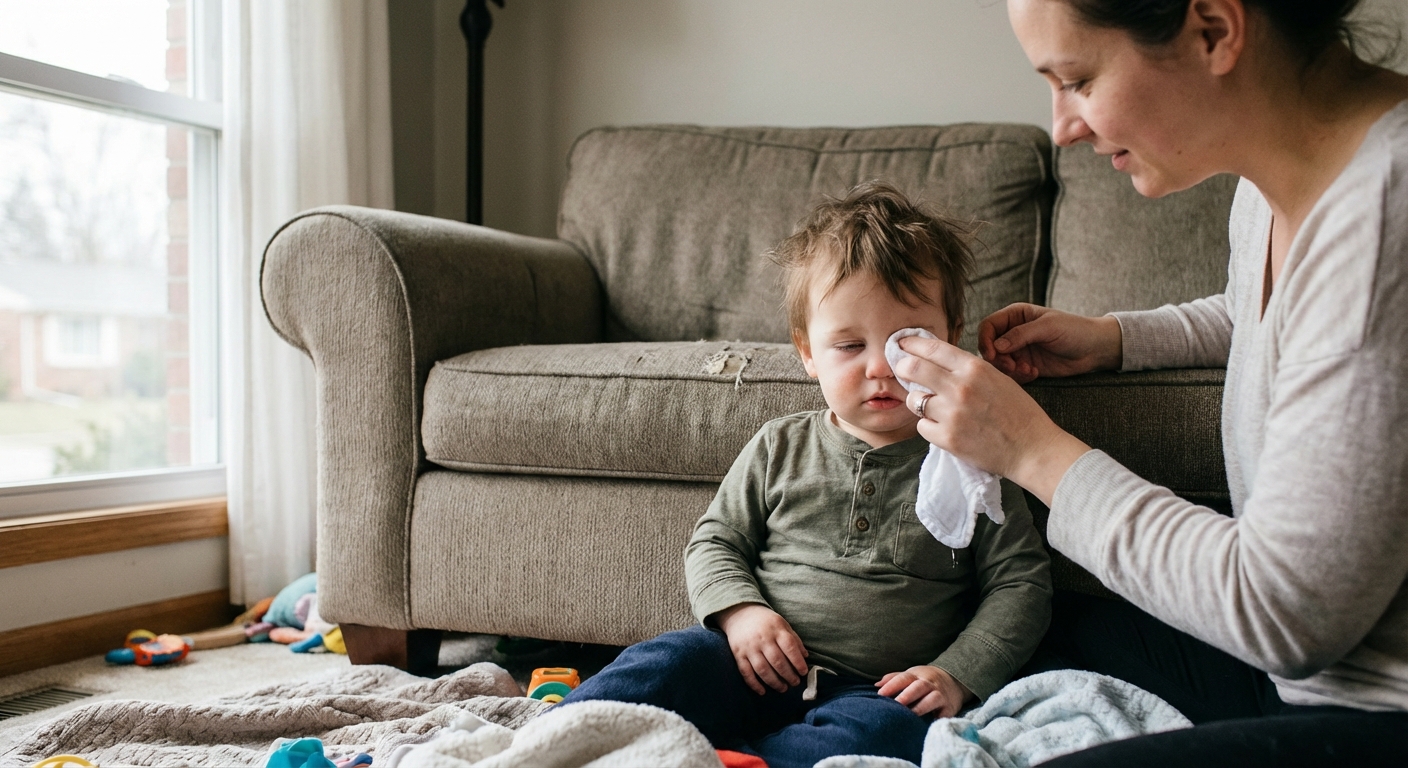
If there is crusting that prevents the eye from opening, soften it first with a warm, damp cloth, then wipe gently from inner corner outward. Use a clean area each swipe. Then do the drops.
Can I use the same bottle for both eyes?
Follow your clinician’s directions. From a hygiene standpoint, the biggest rule is keeping the tip from touching the eye or lashes. If only one eye is affected, many clinicians recommend treating the healthy eye first to reduce accidental spread.
Sarah Mitchell
Sarah Mitchell is a Registered Pediatric Nurse and a mother of three who has spent over a decade helping families navigate the beautiful, chaotic early years of childhood. She combines evidence-based medical knowledge with real-world parenting experience to offer practical, compassionate advice. At Awesome Parent, Sarah's mission is to help exhausted parents find solutions, trust their instincts, and finally get some sleep.