A calm, parent-to-parent walkthrough of phototherapy: what the lights look like, how feeds and snuggles happen, why hospitals use eye shields, and why labs a...
Jaundice That Returns After Phototherapy Stops

Sarah Mitchell
Sarah Mitchell is a Registered Pediatric Nurse and a mother of three who has spent over a decade helping families navigate the beautiful, chaotic early years of childhood. She combines evidence-based medical knowledge with real-world parenting experience to offer practical, compassionate advice. At Awesome Parent, Sarah's mission is to help exhausted parents find solutions, trust their instincts, and finally get some sleep.
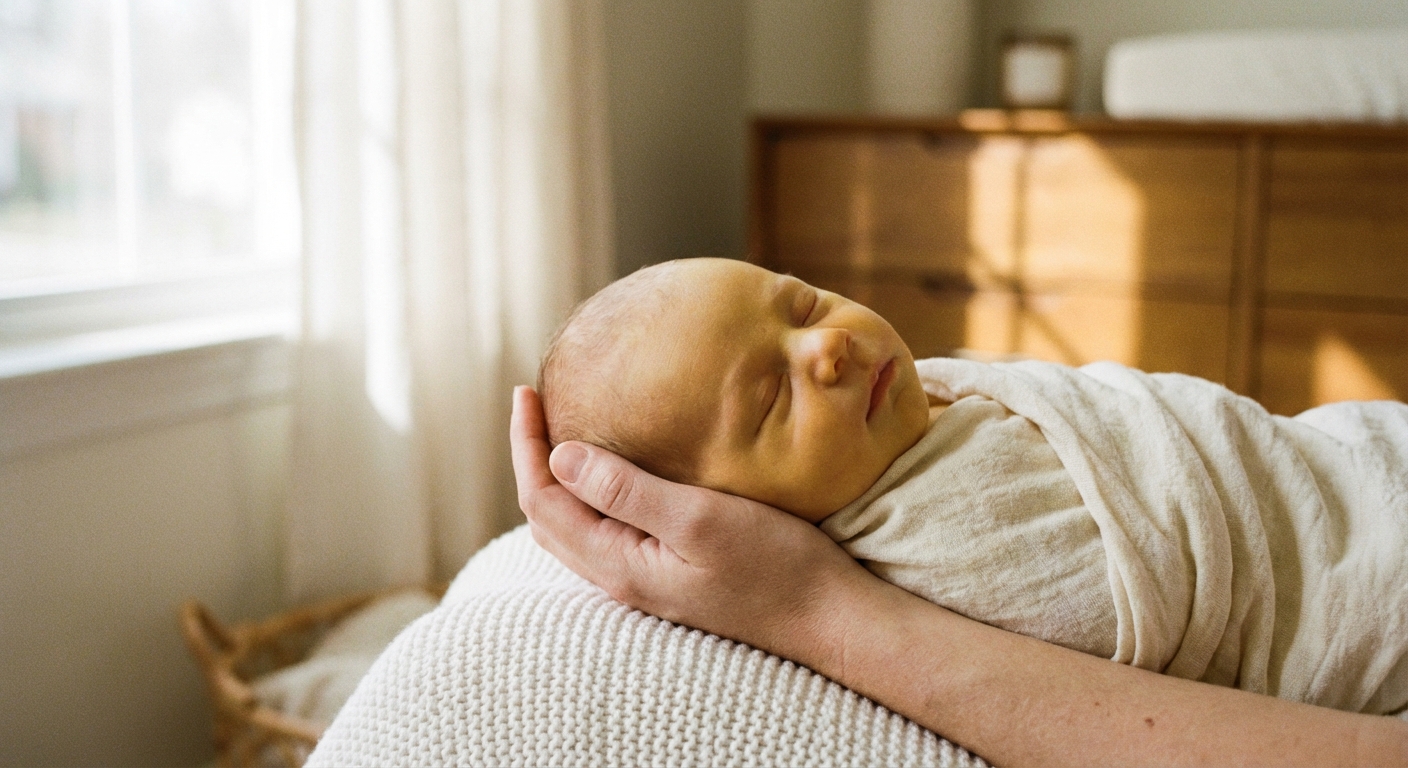
The first time I heard a parent say, “We finally got to go home, and now she’s yellow again,” I was working triage in a pediatric clinic. It is an awful feeling: you did the phototherapy lights, you did the bili blanket, you did the follow-up, and then the next morning your baby suddenly looks like they are backtracking.
Here’s the reassuring truth in most cases: a yellow tint returning after phototherapy stops is a known, expected possibility. It does not automatically mean the treatment “didn’t work” or that you missed something. It means your baby’s bilirubin level may be creeping back up a bit, and your care team wants to make sure it stays in a safe range.
Quick translation for non-medical brains running on newborn sleep: bilirubin is a yellow pigment made during the normal breakdown of red blood cells. Newborns make more of it early on, and their livers are still getting up to speed at clearing it.

Why yellow can come back
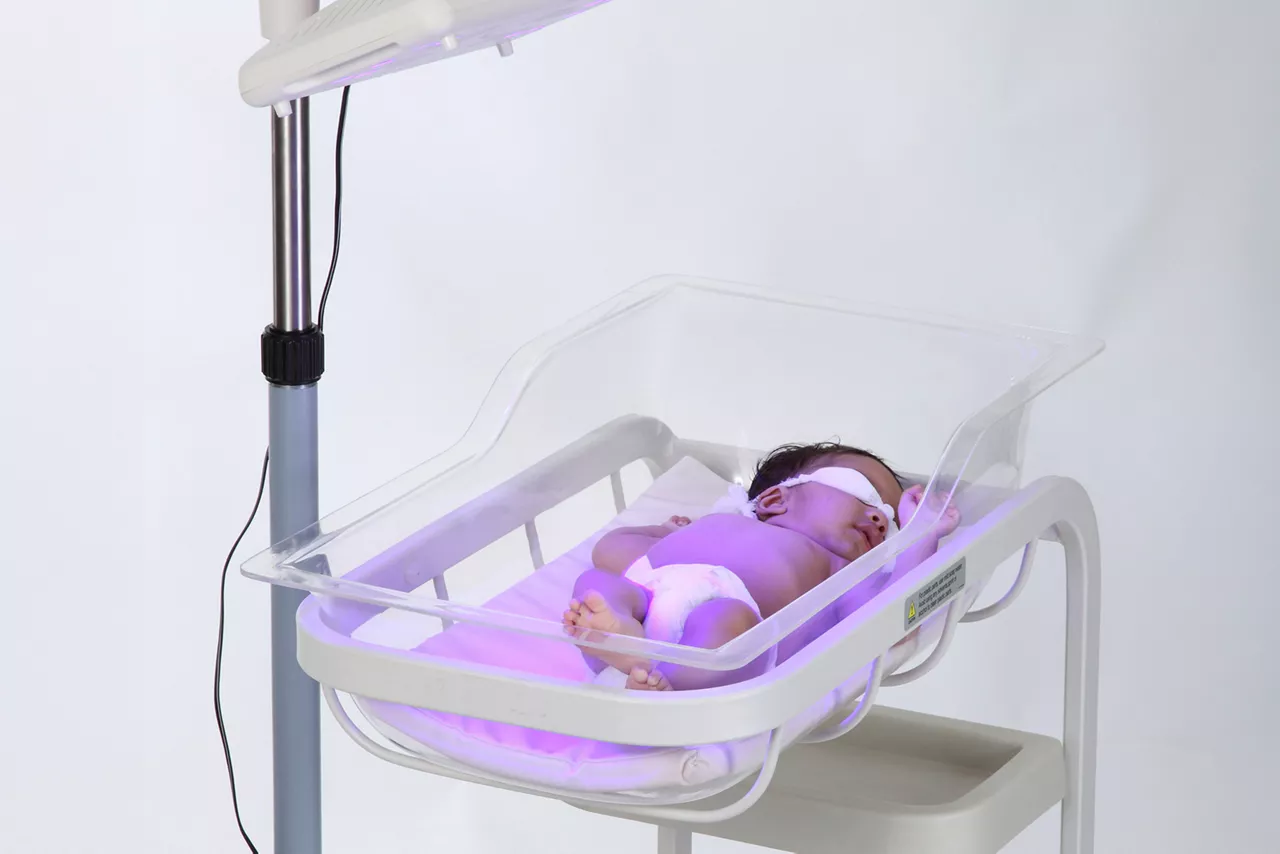
Phototherapy works by using specific wavelengths of light to change bilirubin into forms (photo-isomers) that the body can get rid of more easily, even before the liver fully conjugates it. It is very effective, but it does not instantly fix the reason bilirubin rose in the first place.
After phototherapy ends, bilirubin can rise again for a few common reasons:
- The underlying buildup is still happening. Newborns are breaking down extra red blood cells after birth, and their livers are still learning how to process bilirubin efficiently. Phototherapy helps clear what is there, but production can continue for a while.
- Levels can drift up as the body re-equilibrates. It is common for bilirubin levels to rise a bit after the lights stop as bilirubin in the blood and bilirubin in tissues reach a new balance.
- Feeding and stooling are still ramping up. Bilirubin leaves the body mostly through stool (and some through urine, especially after phototherapy). If intake is low, or stools are still infrequent, bilirubin can rise again.
- Some babies have higher rebound risk. Prematurity, starting phototherapy at a younger age, higher bilirubin before treatment, or a reason bilirubin is rising faster than usual can all make rebound more likely. Your clinician uses these factors to decide how closely to recheck.
One practical note: skin color is a lagging indicator and lighting is a trickster. Your baby can look more yellow in daylight even if the bilirubin is only slightly higher, or even stable. That is why clinicians rely on bilirubin measurements, not just the eyeball test.
What a rebound check is
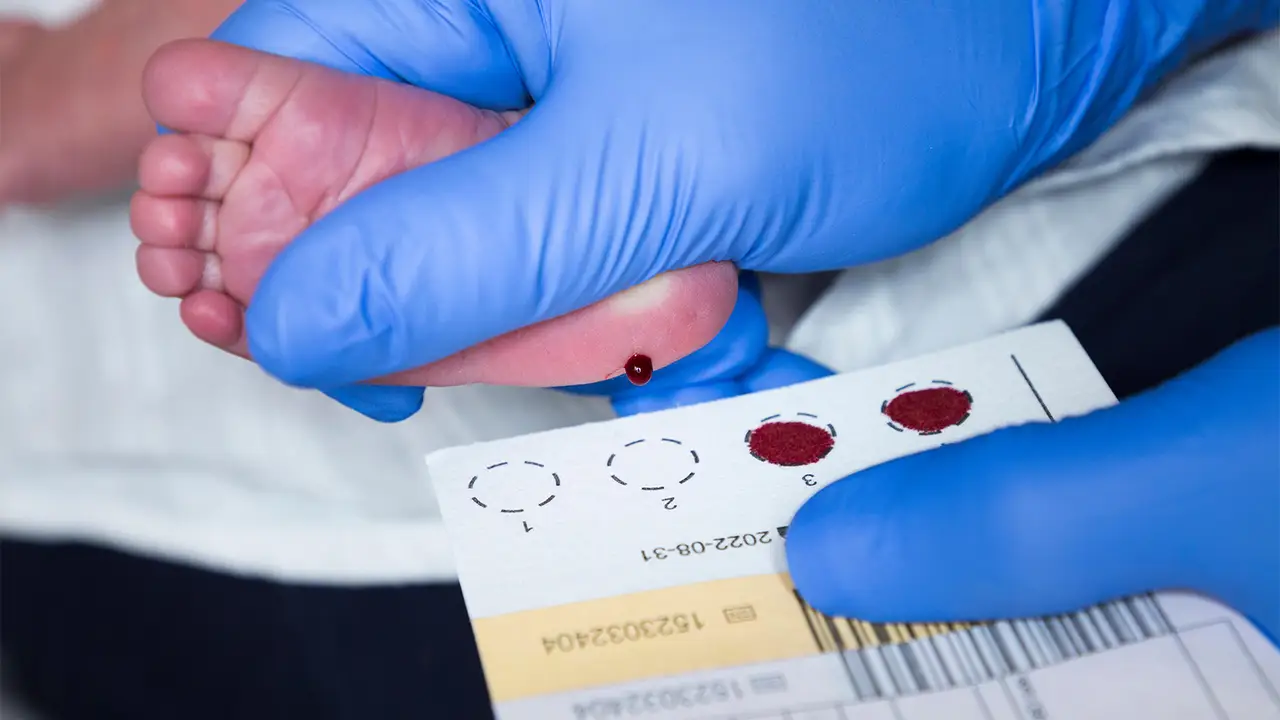
A rebound bilirubin check is simply a repeat bilirubin measurement after phototherapy has been stopped. The goal is not to hunt for perfection. It is to catch a meaningful rise early, before it becomes a problem.
Timing varies by hospital, baby, and risk level, but when rebound checks are done, they are often scheduled within the next several hours or by the next day. Your care team will tell you the exact window they want.
Depending on your baby’s situation, your clinician might:
- Check bilirubin before discharge and then again after you are home
- Schedule a recheck within a specific time window after lights stop
- Decide a rebound check is not necessary if your baby’s risk is low and the bilirubin level is well down
The test may be done two ways:
- Blood test (serum bilirubin): the most accurate way to measure bilirubin
- Skin reading (transcutaneous bilirubin): a quick scan on the forehead or chest that can be helpful for screening, but may still need confirmation with blood depending on the circumstances
If your team tells you a rebound check is needed, it is not a sign they are worried you did something wrong. It is simply a safety net.
Why feeding matters
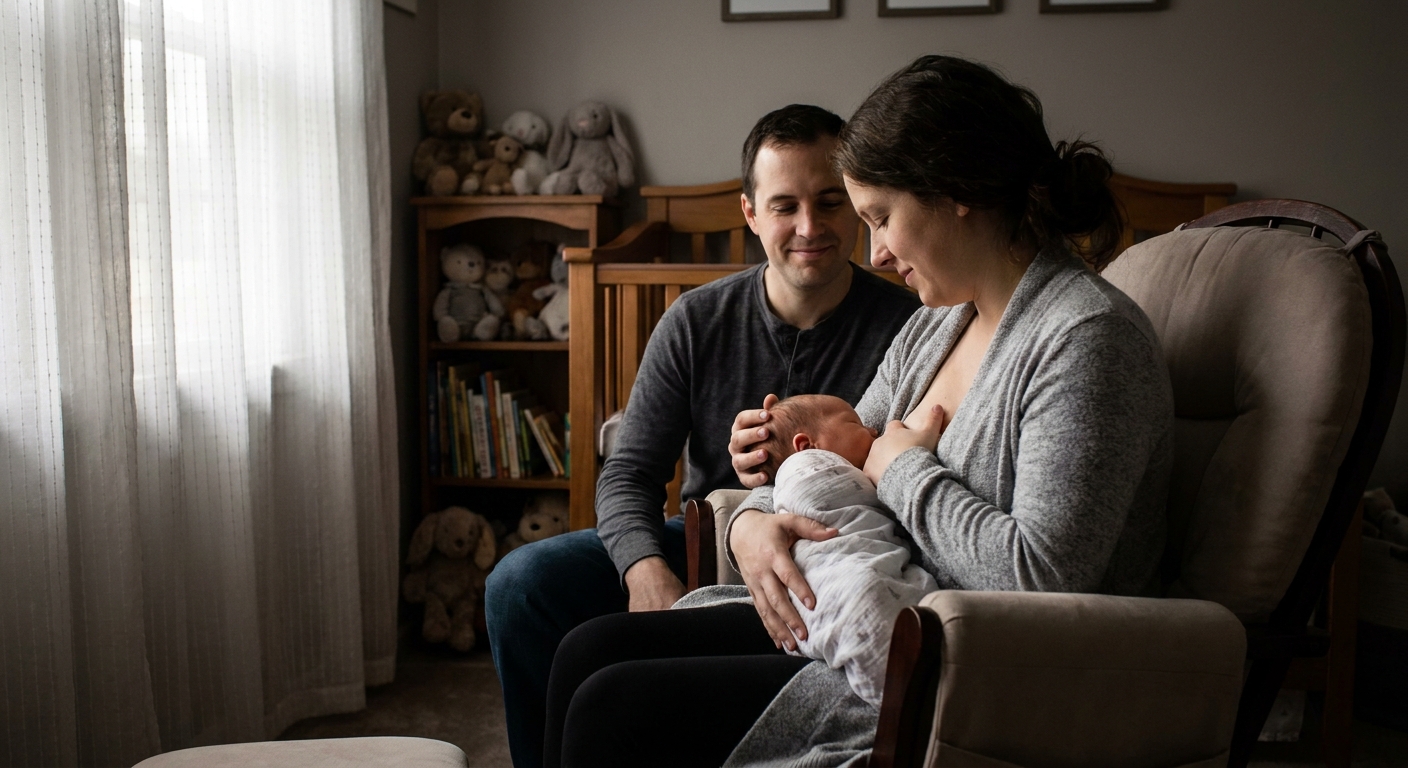
If I could put one message on every newborn jaundice discharge paper, it would be: bilirubin loves dehydration and poor intake, and it leaves through poop (and some through pee). Feeding is not a side note. It is one of the main supports that helps bilirubin continue trending down after lights stop.
Breastfeeding
Breastfed babies can do beautifully after phototherapy, but they may need extra attention to effective milk transfer in the early days. This is especially true if milk is still coming in, baby is sleepy, or latching is painful.
- Feed frequently. Your clinician or lactation consultant will guide you on a schedule that fits your baby’s age and weight. In general, newborns need many feeds in 24 hours.
- Watch diapers. Output is the easiest at-home clue that milk is going in and bilirubin can come out.
- Ask for help early. If latching is a struggle, do not white-knuckle it alone. A good lactation consult can change everything in one visit.
Formula or supplementation
If you are formula feeding, or if your clinician recommends supplementation, the purpose is usually simple: reliable intake so baby stays hydrated and stools well. Supplementation can be temporary, strategic, and not a failure. It is a tool.
If you are breastfeeding and supplementing, many families find it helpful to ask the care team for a clear, written plan: what volume, how often, and what the plan is for weaning supplements if breastfeeding improves.
What to track at home
You do not need to do complicated math. A few practical observations are genuinely useful for follow-up calls:
- How often baby feeds, and whether feeds feel effective
- Wet diapers and dirty diapers since the last check
- How sleepy baby seems, and whether you can wake them to feed
- Whether yellowing seems more noticeable than yesterday (noting that this is not precise)
When to call
Some mild return of yellow color can happen and still be completely manageable. But there are situations where you should contact your baby’s clinician the same day, or seek urgent care.
Call the same day if:
- Your baby looks more yellow than yesterday, especially if it seems to spread beyond the face
- Your baby is hard to wake for feeds or feeds poorly compared with usual
- You are seeing fewer wet diapers than expected for age, or stools are becoming very infrequent
- Your baby has a rebound check scheduled and you are unsure whether you should go sooner because color is worsening
- You were told your baby has additional risk factors (for example prematurity, significant bruising or a cephalohematoma, suspected hemolysis such as a positive DAT, or G6PD deficiency) and you notice any change that worries you
Seek urgent care now if:
- Your baby is very difficult to wake, unusually floppy, or not feeding at all
- Your baby has a high-pitched, inconsolable cry or seems markedly different from their baseline
- Your baby is having trouble breathing, appears blue, or has other emergency symptoms
Trust your instincts here. Parents are often the first to notice when something is off, and you never need to apologize for calling.
Questions I hear a lot
Did we stop phototherapy too soon?
Not necessarily. Clinicians stop lights based on the bilirubin trend and your baby’s individual risk factors. A small rebound can occur even when phototherapy was stopped at the right time. That is exactly why some babies get a rebound check.
My baby looks yellow in daylight, but fine at night. Which is accurate?
Daylight tends to make jaundice easier to see. Indoor warm lighting can hide yellow tones. If you are trying to check color, look at your baby’s skin and the whites of their eyes in indirect natural light near a window, not in direct sun. Then let the bilirubin measurement settle the debate.
Can I use sunlight instead of going back for a check?
Please do not use direct sunlight as a substitute for medical follow-up. Newborn skin burns easily, and sun through windows is inconsistent and does not reliably treat bilirubin the way phototherapy does. If your clinician ordered a rebound check, the safest move is to get the check.
How long does it take for the yellow color to fade?
Even when bilirubin is improving, skin color can take days to look fully back to normal, and it can be genuinely hard to judge by eye. If you think your baby looks more yellow, or your baby is sleepier or feeding worse, call and let the number guide the next step.
Is this the same as jaundice after two weeks?
It is a different situation. This article is about jaundice returning shortly after phototherapy ends. If jaundice is persisting or newly noticeable after two weeks, that deserves a separate conversation with your clinician because the causes and next steps can be different.
What follow-up looks like
Most rebound follow-ups are straightforward. You can expect some combination of:
- A weight check
- Questions about feeding and diapers
- A physical exam looking at hydration and overall alertness
- A bilirubin measurement, sometimes along with other labs if your clinician is evaluating specific causes
If you want to feel extra prepared, bring notes on feed times and diapers for the last 24 hours. Sleep deprivation is real, and no one should have to rely on memory alone.

Bottom line
Seeing yellow return after phototherapy is unsettling, but it is also something pediatric teams plan for. Rebound checks exist because bilirubin can rise again after the lights stop, especially in babies with certain risk factors or feeding challenges.
Your job at home is not to guess a number. Your job is to feed your baby, watch diapers, and follow the recheck plan, and to call if your baby is sleepier than usual, feeding poorly, or looking more yellow quickly. You are not overreacting. You are parenting a newborn, which is basically an endurance sport with tiny socks.
Sarah Mitchell
Sarah Mitchell is a Registered Pediatric Nurse and a mother of three who has spent over a decade helping families navigate the beautiful, chaotic early years of childhood. She combines evidence-based medical knowledge with real-world parenting experience to offer practical, compassionate advice. At Awesome Parent, Sarah's mission is to help exhausted parents find solutions, trust their instincts, and finally get some sleep.