Worried about meningitis? Here are age-specific warning signs in infants and toddlers, how fast symptoms can change, and when to seek emergency care immediat...
Meningococcal Vaccines for Kids and Teens: MenACWY vs MenB

Sarah Mitchell
Sarah Mitchell is a Registered Pediatric Nurse and a mother of three who has spent over a decade helping families navigate the beautiful, chaotic early years of childhood. She combines evidence-based medical knowledge with real-world parenting experience to offer practical, compassionate advice. At Awesome Parent, Sarah's mission is to help exhausted parents find solutions, trust their instincts, and finally get some sleep.
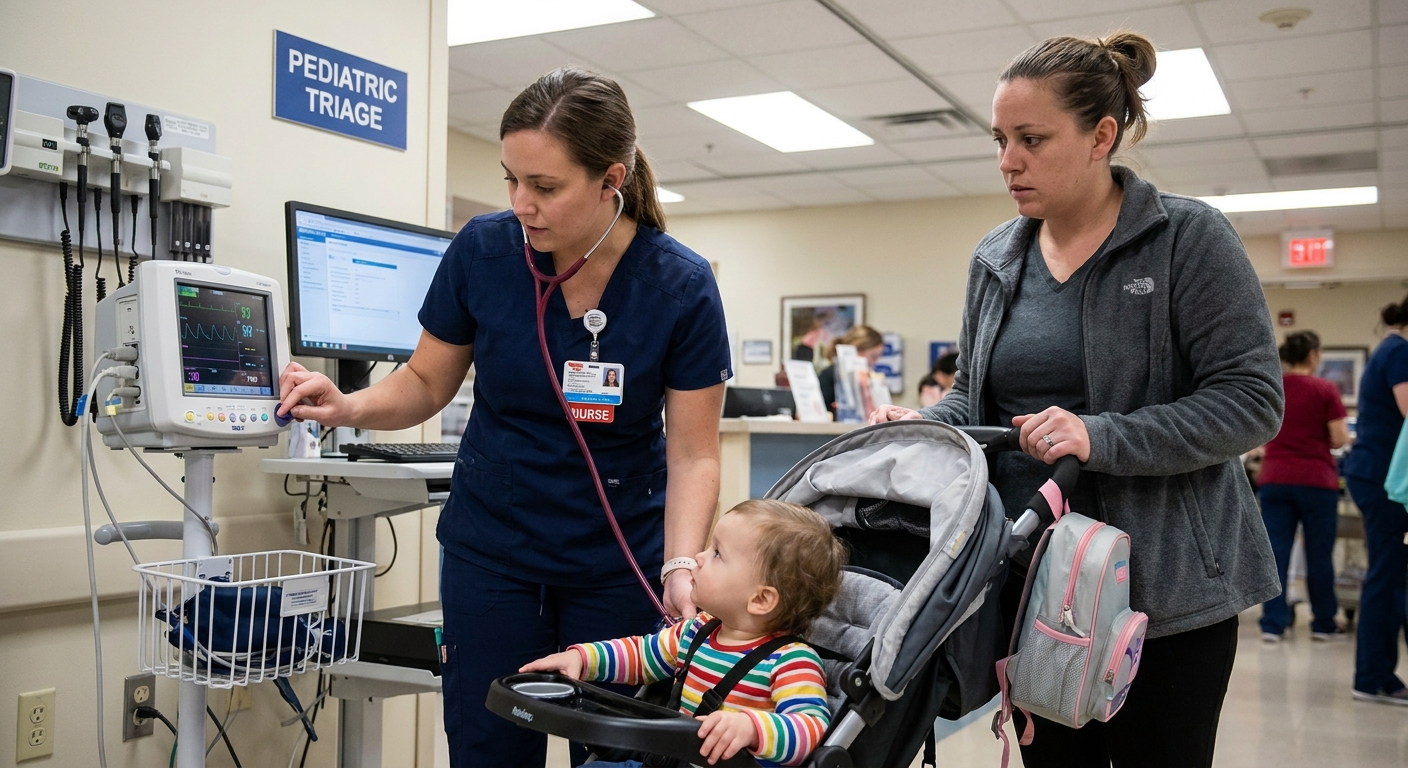
In pediatric triage, there are a handful of infections that make my stomach drop because they can get serious fast. Meningococcal disease is one of them. The good news is we can prevent many cases with vaccines. The slightly confusing part is there is more than one meningococcal vaccine, and they are not interchangeable.
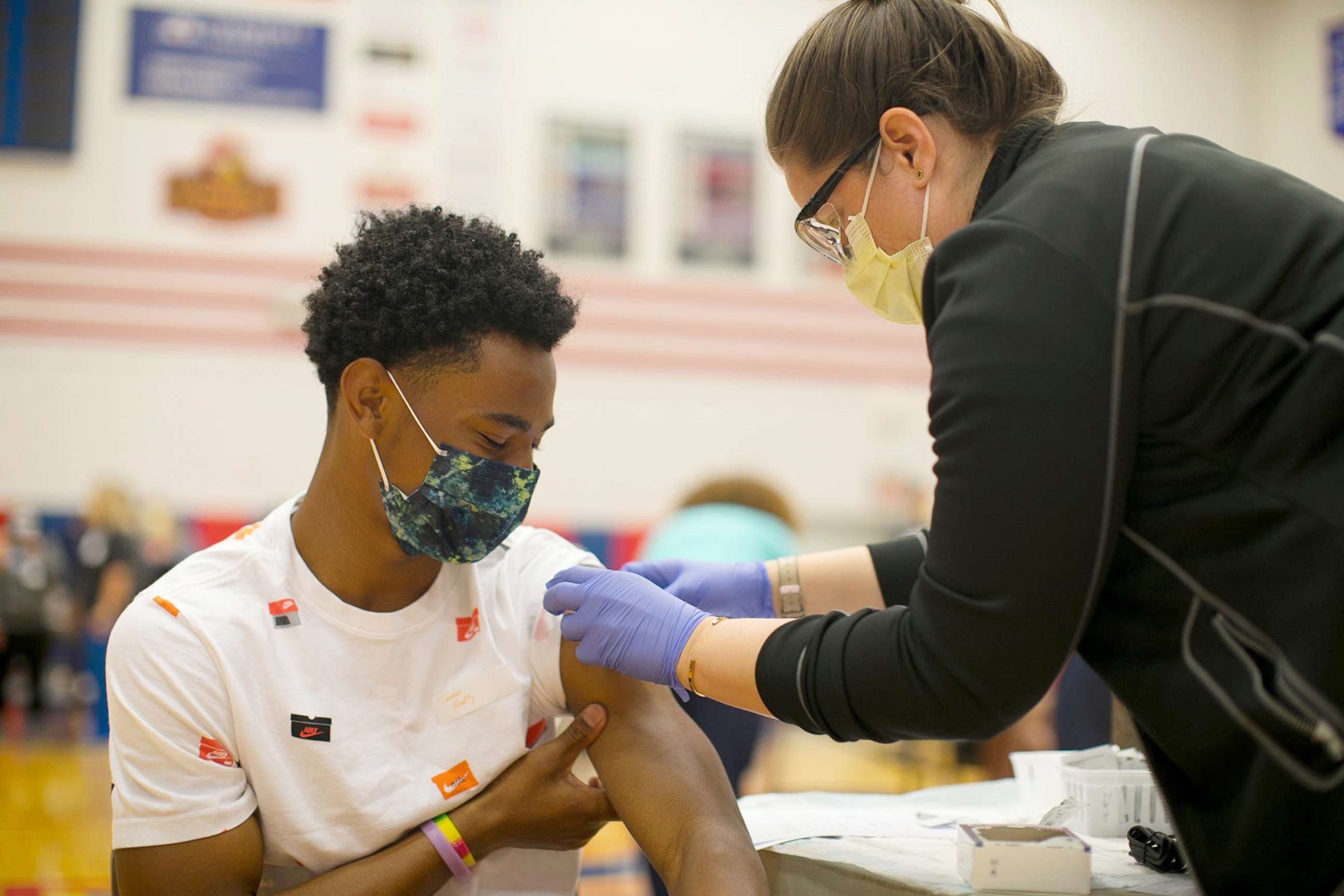
Let’s break down MenACWY and MenB in plain parent language: who gets what, when, and why. I’ll also touch on the newer combination option you may hear about. And just as important, what these shots do not do once an illness is already underway.
What these vaccines protect against
Meningococcal disease is caused by a type of bacteria called Neisseria meningitidis. It can lead to:
- Meningitis (infection of the lining around the brain and spinal cord)
- Bloodstream infection (septicemia)
These infections can become life-threatening very quickly, even in previously healthy kids. That urgency is exactly why we focus so much on prevention.
There are several “groups” (also called serogroups) of meningococcal bacteria. The two main vaccine categories used in the U.S. for children and teens cover different groups:
- MenACWY protects against serogroups A, C, W, and Y.
- MenB protects against serogroup B.
Most families will see these given as separate shots. In some clinics, a clinician may use a newer combination vaccine that covers both sets of groups in one product, depending on age and availability.
MenACWY: the routine teen shot
If you only remember one thing: MenACWY is the routine meningococcal vaccine for adolescents.
Typical timing
- First dose at age 11 to 12
- Booster at age 16
That booster at 16 is not just “extra.” Protection can fade over time. Risk also rises in the later teen years because of more close-contact settings (sports teams, sleepovers, parties, shared drinks, dorms, and yes, teenagers forgetting basic hygiene like it is their job).
Why schools ask for it
Many middle schools and high schools require proof of MenACWY. Some colleges specifically look for that age-16 booster or require the most recent dose to be within a certain timeframe before move-in. Requirements vary by state and campus, so if you are unsure, ask your pediatrician’s office to print an updated immunization record.
MenB: shared decision for many teens
MenB is a separate vaccine that targets meningococcal serogroup B. This is the type that has been involved in some outbreaks on college campuses.
When it is used for healthy teens
For many healthy adolescents, MenB falls into the “available and worth discussing” category. In other words, it is often a shared decision between the family and clinician, rather than a universally required routine shot everywhere.
The usual window is:
- Age 16 to 23, with many clinicians aiming for 16 to 18 so coverage is strongest during the years of highest risk.
MenB is a multi-dose series, and the exact schedule depends on the product and your child’s risk status. Many healthy teens receive a 2-dose series, while higher-risk situations may use additional doses and sometimes boosters. One practical point: your clinician should stick with the same MenB brand to complete the series.
When MenB is strongly recommended
Some kids and teens need MenB because their risk is higher. This includes children with certain medical conditions that affect the immune system or spleen function, and those in specific exposure situations. If this applies to your child, your pediatrician will usually be very direct about it, because in these cases it is not just optional.
Examples of situations that commonly trigger a higher-risk MenB recommendation include:
- Asplenia (missing spleen) or a spleen that does not work well, including some kids with sickle cell disease
- Complement component deficiencies or related immune conditions
- Use of complement inhibitor medications (for example, eculizumab or ravulizumab)
- Microbiologists who routinely handle N. meningitidis in a lab setting
- Public health outbreaks where officials recommend vaccination for a defined group
If you are thinking, “No one has ever mentioned this to me,” that often means your child does not fall into a higher-risk category. Still, it is absolutely reasonable to ask at the 16-year visit: “Should we do MenB too?”
When younger kids need shots early
Most kids do not receive meningococcal vaccination in early childhood as a routine schedule item. However, younger children can be vaccinated earlier when they have specific risk factors or exposures.
Who may get MenACWY before 11
Your child may be recommended MenACWY earlier than the usual preteen dose if they have higher-risk conditions or situations, such as:
- Spleen problems (including a missing or poorly functioning spleen, including some children with sickle cell disease)
- Specific immune system conditions (including complement deficiencies)
- Use of certain medications that affect complement (specialists prescribing these usually coordinate with your pediatrician)
- Travel or residence in areas where certain meningococcal types are more common
- Community outbreaks where public health officials recommend vaccination for a certain age group
The exact schedule for younger children depends on the child’s age and the reason for vaccination, so this is one of those times where individualized medical guidance really matters.
Who may get MenB at a younger age
MenB can also be recommended earlier for children with certain high-risk medical conditions or during outbreaks involving serogroup B. Again, the timing, number of doses, and whether boosters are needed depend on the situation and age.
If your child sees a hematologist, immunologist, infectious disease specialist, or has complex medical needs, it is a good idea to ask: “Are we following the high-risk meningococcal vaccine schedule?”
What these vaccines do not do
This part is so important that I am going to say it plainly: meningococcal vaccines prevent future infection. They do not treat an infection that is already happening.
If a child is developing meningococcal disease, vaccination will not stop it in the moment. Once symptoms begin, treatment is about urgent medical evaluation and antibiotics and supportive hospital care when indicated.
So if you are reading this because your child is currently sick and you are worried about meningitis or sepsis, the right move is not “Can we get the shot today?” It is: Call your pediatrician right now or seek urgent care or emergency care, depending on symptoms and age.
Parenting reality check: Vaccines are a seatbelt. If you are already in a crash, we need emergency care, not a seatbelt fitting.
When to get urgent care
If you are worried about meningitis or sepsis, I would rather you overreact than wait. Seek urgent evaluation (and often emergency care) for symptoms like:
- Sudden fever, especially with a very ill appearance
- Severe headache, stiff neck, or pain with looking at lights
- Confusion, hard-to-wake sleepiness, or unusual behavior
- New rash, especially purple spots or bruising that spreads or does not blanch when pressed
- Breathing trouble, persistent vomiting, or signs of dehydration
Infants and young children can look different, sometimes with irritability, poor feeding, or being unusually sleepy. Trust your gut. If your child looks “not right,” get them seen.
After the shot: what to expect
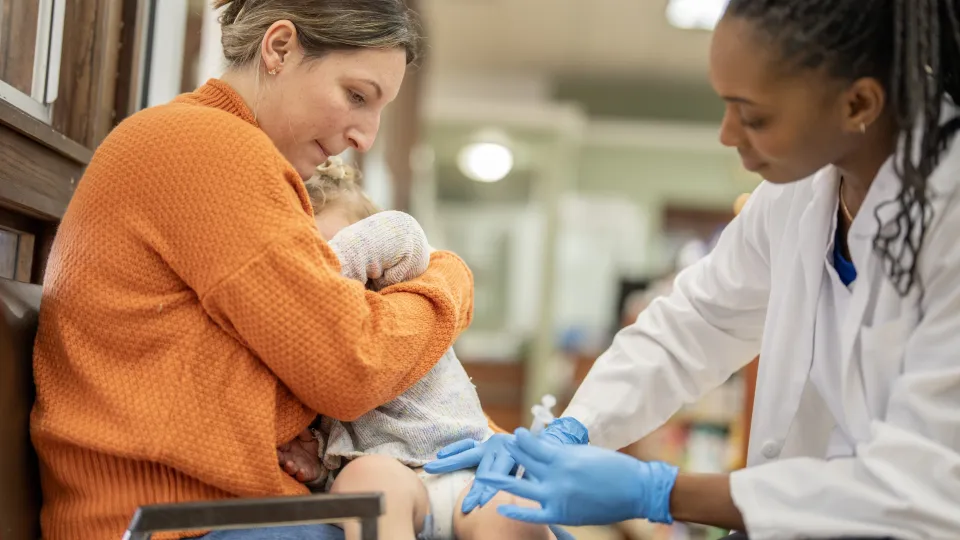
Most kids do well after MenACWY or MenB. The most common side effects are:
- Sore arm, redness, or swelling at the injection site
- Fatigue
- Headache or muscle aches
- Low-grade fever
Call your clinician if your child has a high fever, symptoms that worry you, or signs of an allergic reaction (such as hives, facial swelling, or trouble breathing). If breathing is affected, that is an emergency.
Common parent questions
Can my teen get MenACWY and MenB at the same visit?
Often, yes. Many clinics give multiple recommended vaccines at the same appointment, especially at the 11 to 12-year and 16-year visits, to reduce extra trips and missed doses. Your clinician will confirm what is appropriate for your child. In some cases, they may use a combination product instead of separate shots.
If my child got MenACWY at 11, do they really need the booster at 16?
In most cases, yes. The booster is meant to extend protection into the later teen years, when exposure risk increases.
Does MenACWY cover all types of meningitis?
No. “Meningitis” is a broad term, and many different germs can cause it, including viruses and other bacteria. MenACWY targets only meningococcal serogroups A, C, W, and Y. MenB targets serogroup B. There are also other vaccines that help prevent some other bacterial causes of meningitis, like pneumococcal and Hib vaccines.
Do meningococcal vaccines prevent every case of meningococcal disease?
No vaccine is perfect, but these vaccines significantly reduce the risk of disease from the serogroups they cover.
How to stay up to date
- At age 11 to 12: Ask if MenACWY is due.
- At age 16: Ask specifically for the MenACWY booster and discuss MenB.
- If your child has special medical risks: Ask whether they need a high-risk schedule earlier than usual.
- If your teen is heading to college soon: Check the school’s vaccine requirements early, and confirm the date of the last MenACWY dose.

Bottom line
MenACWY is routinely recommended for most teens at 11 to 12 with a booster at 16. MenB is a separate vaccine that many healthy teens can get based on a shared decision (often at 16 to 18), and it is especially important for teens with certain higher-risk medical conditions or in outbreak situations.
And if you take nothing else with you into the next well visit: these shots are powerful prevention, but they are not a treatment for meningococcal disease once symptoms have started. If you are worried your child is seriously ill, trust your gut and get them evaluated urgently.
Sarah Mitchell
Sarah Mitchell is a Registered Pediatric Nurse and a mother of three who has spent over a decade helping families navigate the beautiful, chaotic early years of childhood. She combines evidence-based medical knowledge with real-world parenting experience to offer practical, compassionate advice. At Awesome Parent, Sarah's mission is to help exhausted parents find solutions, trust their instincts, and finally get some sleep.