A calm, step-by-step guide for household chemical and medication ingestions: do and do not, when to call Poison Control, what info to have ready, plus button...
Poisonous Houseplants for Babies and Toddlers

Sarah Mitchell
Sarah Mitchell is a Registered Pediatric Nurse and a mother of three who has spent over a decade helping families navigate the beautiful, chaotic early years of childhood. She combines evidence-based medical knowledge with real-world parenting experience to offer practical, compassionate advice. At Awesome Parent, Sarah's mission is to help exhausted parents find solutions, trust their instincts, and finally get some sleep.
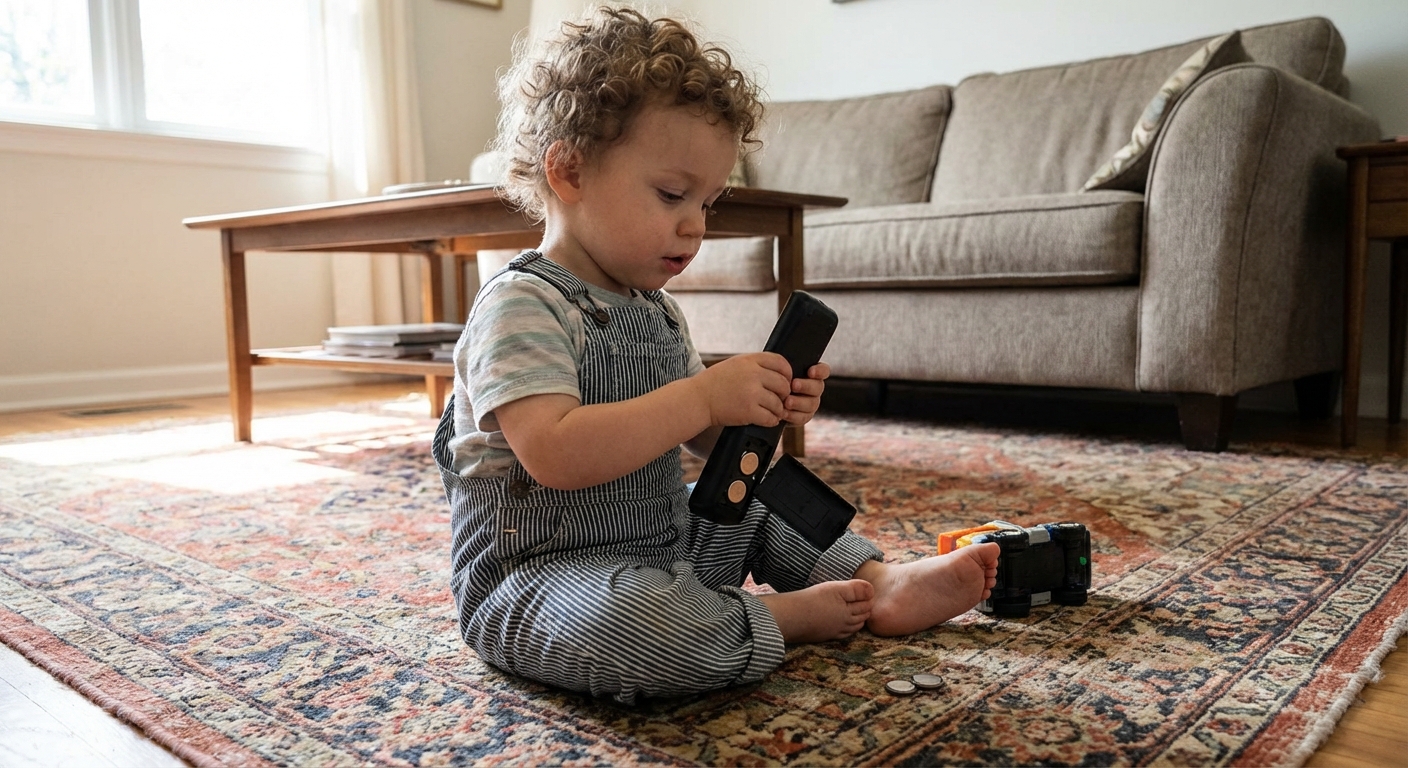
One of my kids once toddled past a plant stand, plucked a leaf with the confidence of a tiny botanist, and popped it into his mouth before I could say, “Sir, we do not snack on décor.” If you have babies and toddlers, this moment is less “if” and more “when.”
The reassuring truth is that many popular houseplants are mouth irritants more than “true poison” from a tiny nibble. But a handful can be dangerous even with a small amount. This guide helps you quickly sort what’s what, what to do immediately, and how to set up plants more safely at home.

Two buckets: irritants vs Poison Control calls
When a child chews a plant, what we worry about most is the type of toxin and how much was eaten.
- Mouth and throat irritants: These plants often cause immediate pain, burning, drooling, mild swelling, and sometimes vomiting. Symptoms are usually fast and dramatic, but not typically life-threatening from a tiny bite.
- Systemic or higher-risk toxins: These plants can affect the heart, nervous system, liver, or breathing, or cause significant illness from relatively small amounts. These deserve a Poison Control call right away if chewed or swallowed.
When in doubt: If you cannot confidently identify the plant, treat it as unknown and call Poison Control. That is literally what they are there for.
Important: I’m not listing outdoor poison ivy care here, and I’m not covering household chemicals. This is just indoor plants.
Common plants that usually cause mouth irritation
These are the usual suspects in homes with kids. Many contain tiny needle-like crystals called calcium oxalate that can cause intense mouth discomfort and drooling. Others are irritating for different reasons, and the exact symptom mix varies by plant. Kids often stop quickly because it hurts, tastes bad, or both.
Often an “irritant” situation
- Pothos (Devil’s ivy)
- Philodendron (many varieties)
- Monstera (Swiss cheese plant)
- Peace lily (Spathiphyllum)
- Dieffenbachia (dumb cane)
- Caladium
- Elephant ear (often Alocasia or Colocasia)
- ZZ plant (Zamioculcas zamiifolia)
- Snake plant (Sansevieria, now Dracaena trifasciata)
Typical symptoms after a nibble: immediate mouth pain or burning, drooling, spitting, refusing to eat, mild swelling of lips or tongue, gagging, and sometimes vomiting. With plants like snake plant and ZZ plant, you may see more stomach upset (nausea, vomiting) or irritation after handling, and not always the classic “instant mouth burn.”
When an irritant plant becomes urgent: if your child has trouble swallowing, persistent coughing, drooling that won’t let up, voice changes, wheezing, or any breathing difficulty.
Houseplants that warrant a Poison Control call
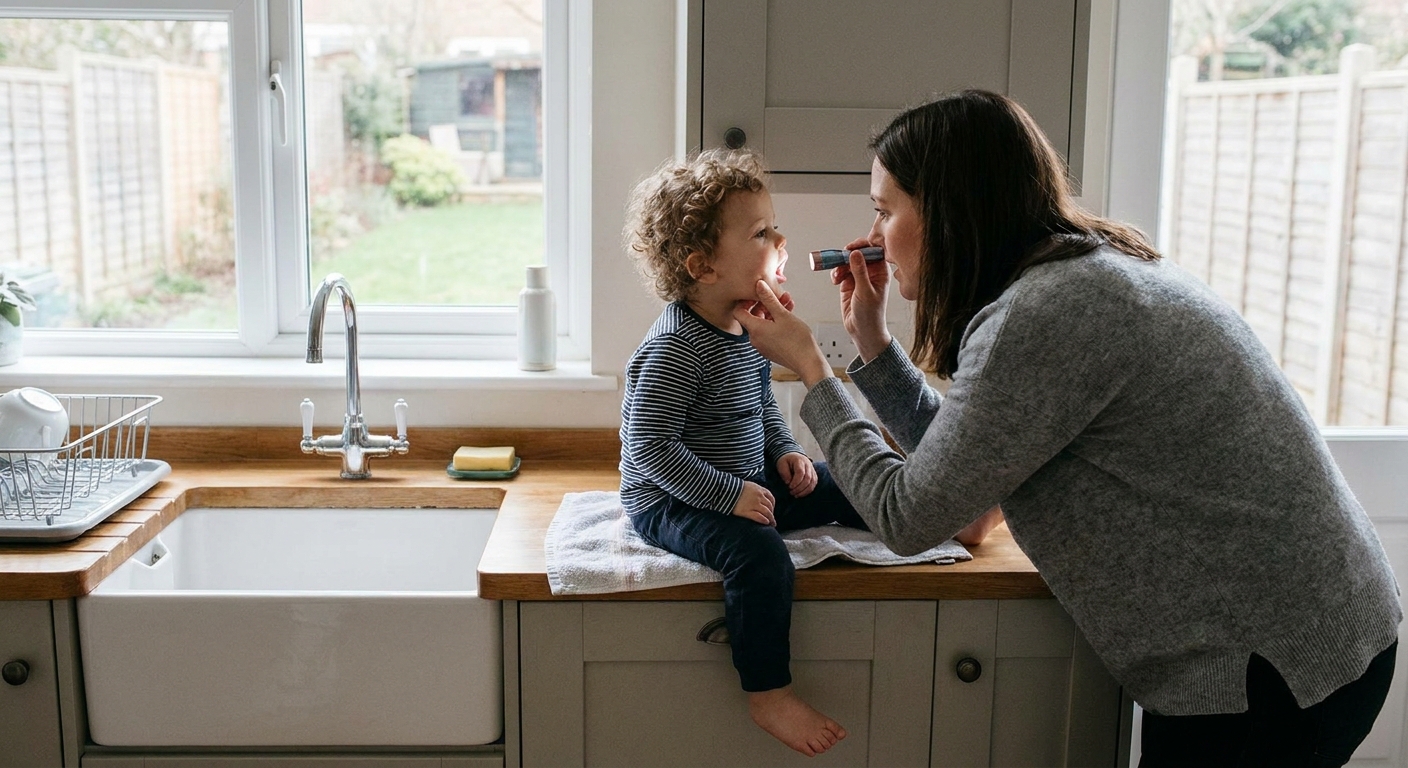
These are the plants where I want you to call Poison Control right away if your child chews or swallows any part, even if symptoms are mild at first.
Higher-risk plants to treat seriously
- Sago palm (very dangerous, especially seeds and nuts)
- Oleander (less common indoors, but sometimes kept in pots)
- Cyclamen (especially the tuber or root)
- Kalanchoe
- Foxglove (sometimes grown indoors from starts)
- Castor bean (occasionally grown as an ornamental, extremely dangerous seeds)
- Mistletoe (holiday sprigs brought indoors, toxicity varies by species so get guidance)
- Jerusalem cherry (ornamental plant with tempting berries)
- Any unknown plant or berries (uncertain ID is its own risk factor)
Why the urgency: Some of these can cause severe vomiting and dehydration, abnormal heart rhythms, seizures, or liver injury. The goal is not to panic. It’s to get precise guidance fast.
Poison Control (US): Call 1-800-222-1222 or use the web tool at poisonhelp.org. If your child is struggling to breathe, excessively sleepy, having a seizure, or you cannot keep them awake, call emergency services.
What to do if a leaf is in the mouth
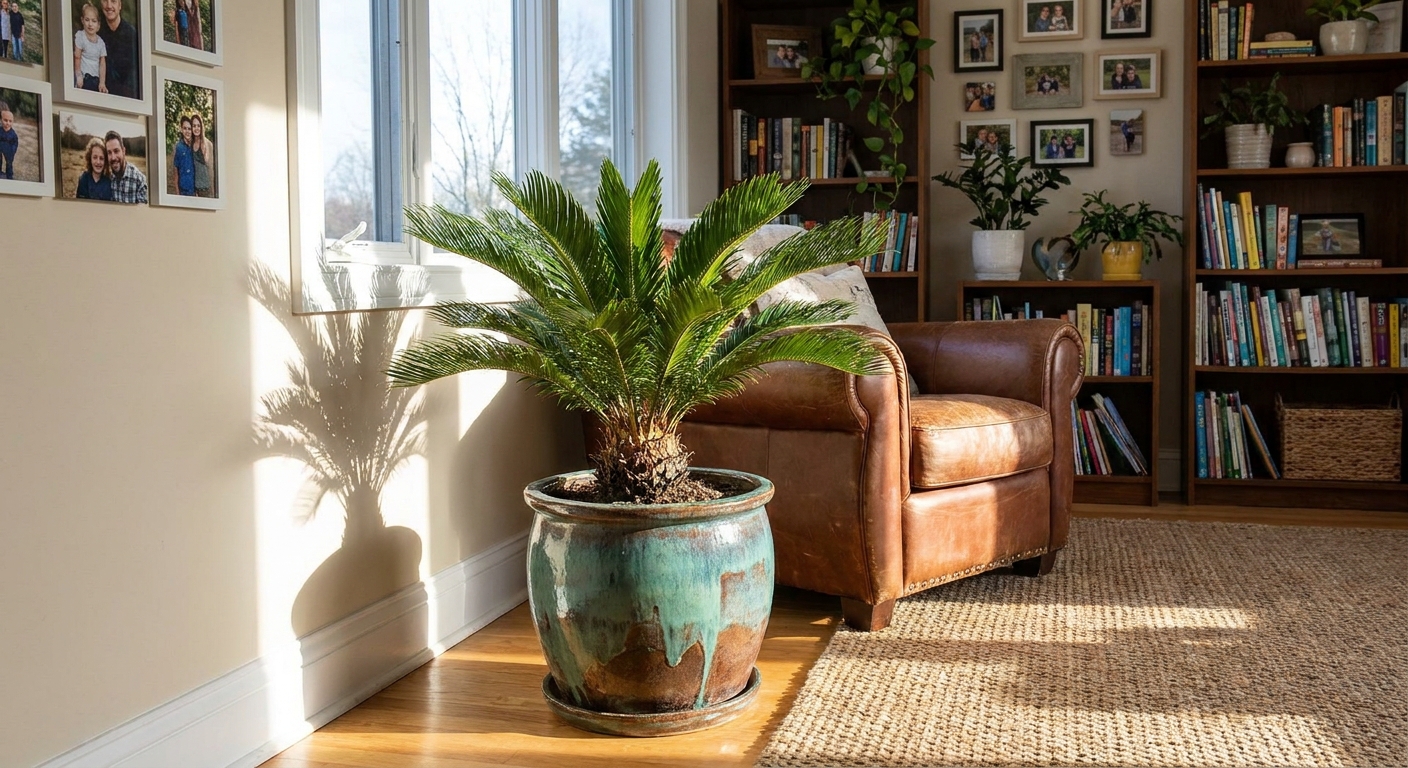
This is the moment that feels intense at 7:30 pm when you’re already running on fumes. Here’s the calm, practical sequence I used as a triage nurse and now use as a mom.
- Remove plant pieces. Sweep visible bits from the mouth with a clean finger or cloth. If your child will let you, wipe the inside of the cheeks and under the tongue.
- Rinse, don’t force. Offer sips of water. For toddlers who can reliably spit, you can swish and spit. Do not force large volumes.
- Ease the irritation. For mouth-irritant plants, cold fluids or a popsicle can help. (If your child is under 12 months, skip honey and stick to breastmilk or formula popsicles if you use them.)
- Don’t induce vomiting. It does not help and can make things worse.
- Identify the plant. If you can, snap a photo of the plant and the chewed leaf. This helps Poison Control give you tailored advice.
- Call Poison Control if you’re unsure. If you cannot confidently identify the plant, or your child ate more than a tiny taste, call.
Do not give anything by mouth if your child is having trouble swallowing, is choking or gagging repeatedly, or you are worried about breathing.
Go straight to urgent help now if there is trouble breathing, noisy breathing, swelling that seems to be increasing, repeated vomiting, extreme sleepiness, or you can’t get your child to swallow their own saliva.
If sap gets on skin or in eyes
This happens a lot with toddlers because they touch a leaf, then rub their face like it is their job.
- Skin: Wash with soap and water. If rash, swelling, or pain worsens, call Poison Control for guidance.
- Eyes: Rinse with clean, lukewarm running water for 15 minutes if you can. If redness, tearing, or pain persists, or your child keeps the eye closed, get medical advice right away.
Where to keep plants more safely
I love houseplants. I also love not spending my evenings negotiating with a toddler who thinks potting soil is a sensory bin. You do not have to choose between greenery and safety, but you do have to be strategic.
Placement rules that work
- Go up, not just “back.” A plant on a tall shelf or a wall-mounted planter is safer than a plant pushed to the back of a table.
- Aim for “no access during supervision gaps.” Think: the two minutes you’re switching laundry, answering the door, or helping another child in the bathroom.
- Avoid plant stands that can be climbed. If it looks like a step stool, your toddler will treat it like one.
- Skip floor plants in high-traffic kid zones. Living rooms and playrooms are prime chewing territory.
- Use a physical barrier. A baby gate can separate a plant corner. A closed office door counts as a barrier too.
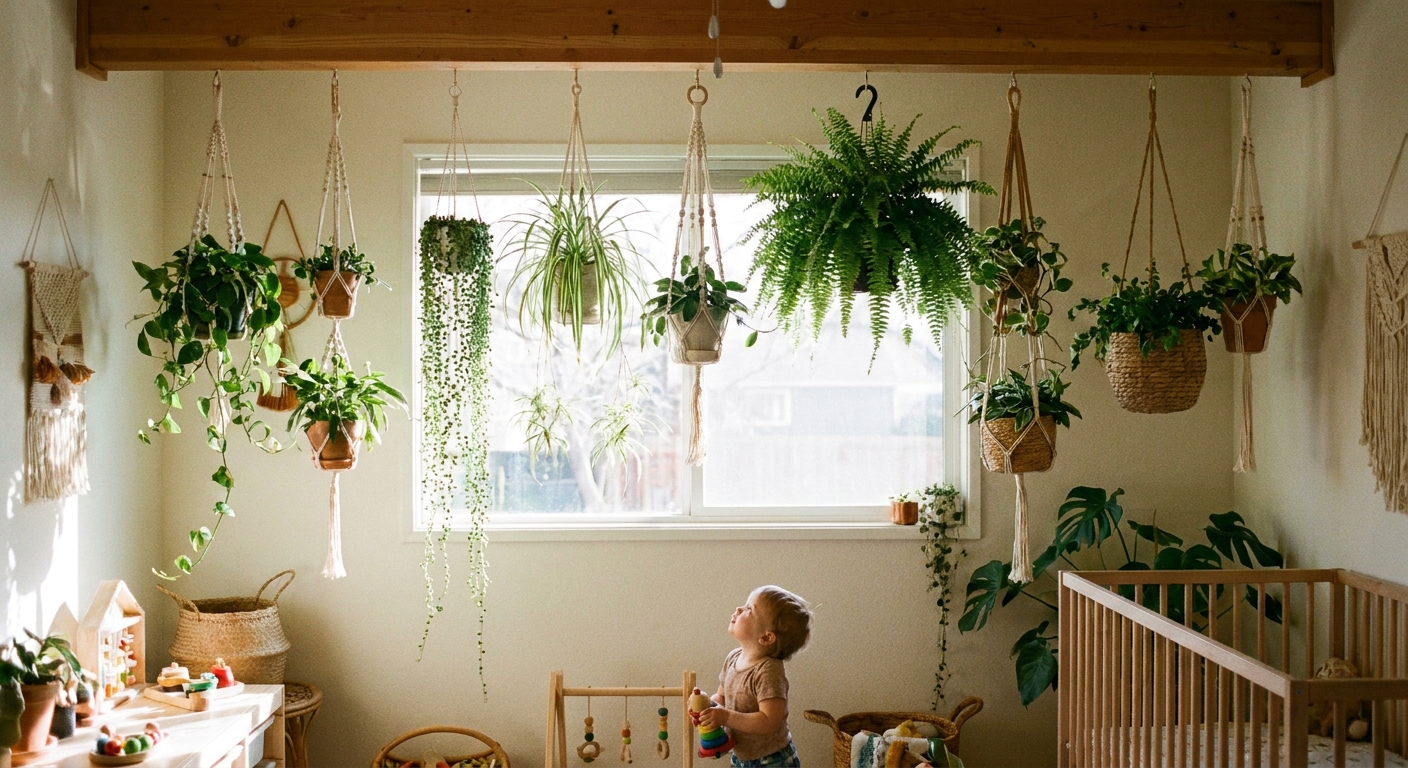
- Hang the “tempting” ones. Trailing plants like pothos are extra appealing because they dangle right at face height.
Quick cheat sheet
- One bite of pothos or philodendron, immediate drooling and crying: remove fragments, rinse mouth, offer cold fluids, monitor. Call Poison Control if swelling, breathing issues, or you’re unsure of the plant.
- Any chew on sago palm, castor bean, oleander, or unknown berries: call Poison Control right away.
- Symptoms are mild but plant ID is unclear: call Poison Control. This is exactly what they are there for.
- Breathing trouble, wheezing, severe swelling, seizure, or can’t stay awake: emergency care now.
Plant-proofing that feels realistic
If I’m helping a family problem-solve this in clinic, I usually suggest a three-step approach:
- Step 1: Move any high-risk plant (like sago palm) completely out of the home if possible.
- Step 2: Relocate mouth-irritant plants to high shelves or hanging spots.
- Step 3: Make the “kid level” zone boring. Keep only non-toxic décor where little hands can reach.
And yes, I know kids are creative. My youngest once dragged a toy bin under a shelf like she was planning a heist. If your child is in that phase, barriers and closed doors beat wishful thinking.
FAQ
Should I give milk after my child chews a plant?
Milk can be soothing for mouth irritation, but it’s not an antidote. Water is fine too. The key is removing plant pieces and rinsing the mouth. If you’re calling Poison Control, ask what they prefer for that specific plant.
What if my child ate dirt from the pot?
Potting soil is more of a germ and choking concern than a toxin issue, but it’s still worth monitoring for gagging, coughing, vomiting, or persistent stomach upset. If the soil had fertilizers, pesticides, or added chemicals, that’s a Poison Control question.
Can I rely on plant apps for identification?
They can help, but they are not perfect. If symptoms are happening or the plant might be high-risk, call Poison Control and use a photo. Getting expert guidance beats guessing.
Are succulents safe?
Many are relatively low risk, but “succulent” isn’t one plant. Some, like certain euphorbias, have irritating sap. If your child chews any unknown succulent and has mouth or eye irritation, rinse well and call Poison Control if symptoms persist or you can’t ID it.
What about pets?
Pets can have very different risk profiles than kids. If a dog or cat chews a plant, call your veterinarian or a pet poison hotline for guidance.
A final nurse-mom note
If you take nothing else from this: painful mouth symptoms often happen fast with common houseplants, and it’s often manageable, but unknown plant, unknown berries, or certain named plants should trigger a Poison Control call. You are not overreacting. You are doing the calm, responsible thing.
Sarah Mitchell
Sarah Mitchell is a Registered Pediatric Nurse and a mother of three who has spent over a decade helping families navigate the beautiful, chaotic early years of childhood. She combines evidence-based medical knowledge with real-world parenting experience to offer practical, compassionate advice. At Awesome Parent, Sarah's mission is to help exhausted parents find solutions, trust their instincts, and finally get some sleep.