A calm, evidence-based guide to GBS in pregnancy: what a positive test means, the 36–37 week screening window, IV antibiotics during labor (including allergy...
Scarlet Fever During Pregnancy

Sarah Mitchell
Sarah Mitchell is a Registered Pediatric Nurse and a mother of three who has spent over a decade helping families navigate the beautiful, chaotic early years of childhood. She combines evidence-based medical knowledge with real-world parenting experience to offer practical, compassionate advice. At Awesome Parent, Sarah's mission is to help exhausted parents find solutions, trust their instincts, and finally get some sleep.
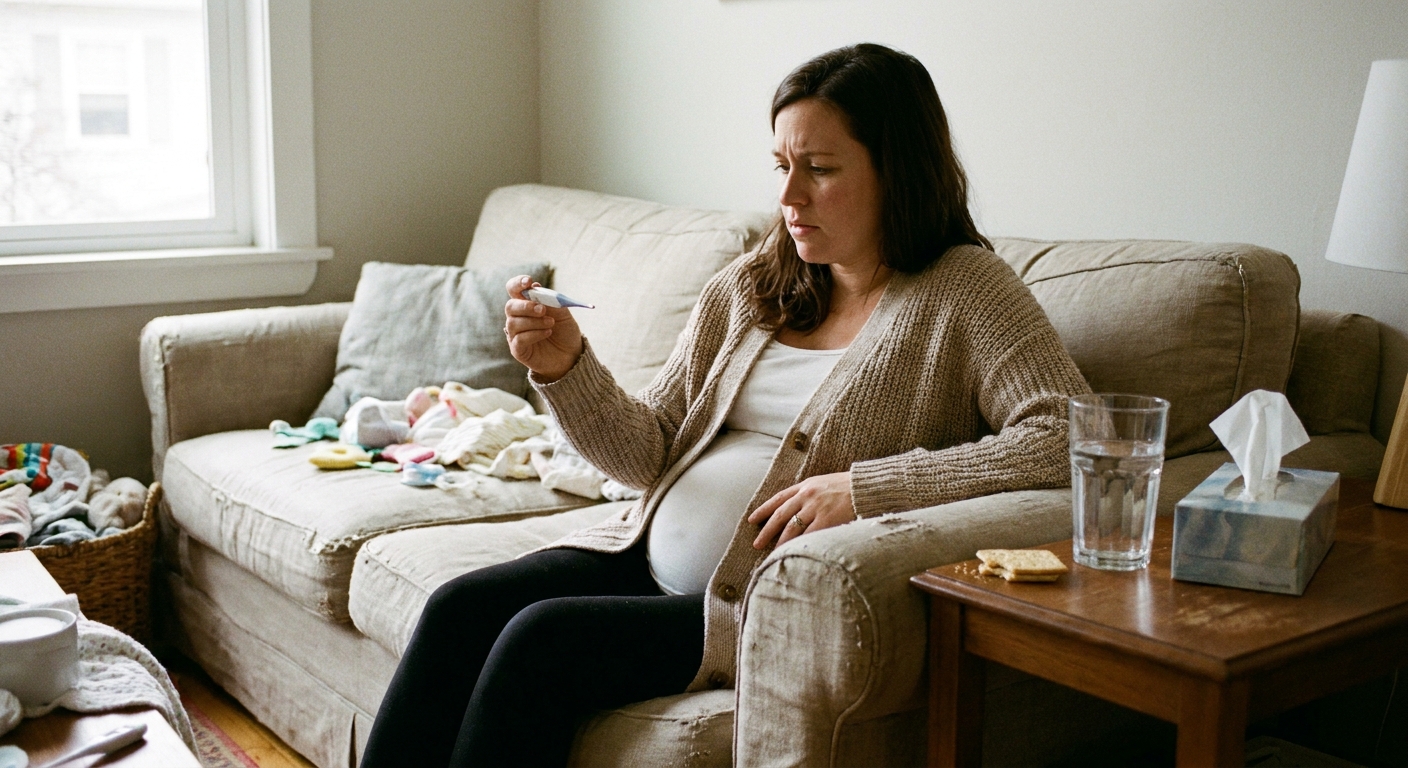
The week my middle kid started preschool, he brought home a “simple” sore throat that turned into strep. Two days later, I was pregnant, exhausted, and suddenly side-eyeing every warm flush in my own cheeks. If you are pregnant and your child has scarlet fever, or you think you might, take a breath. This is usually very manageable in pregnancy, but it is not something to ignore, especially if you have a fever.
Scarlet fever is not a separate germ. It is a manifestation of Group A strep (GAS) infection, when the bacteria produce toxins that trigger a rash. It most often happens with strep throat, but it can also follow other GAS infections (like certain skin infections). The priority in pregnancy is making sure you are evaluated, treated if needed, and watched for the handful of symptoms that deserve same-day obstetric attention.
First: what to do right now
If you have symptoms that could be strep or scarlet fever, or a close exposure in your household, here are the most practical next steps.
If you are exposed but feel fine
- Message or call your OB and let them know you have a household exposure to confirmed or suspected strep or scarlet fever.
- Do not start leftover antibiotics “just in case.” Your OB or primary care clinician will decide if testing or treatment is appropriate.
- Monitor for symptoms over the next several days: sore throat, fever, swollen tender neck glands, headache, body aches, and any new rash.
- Keep distance from the sick child when possible (yes, I know) and be strict about handwashing and not sharing cups, utensils, lip balm, or towels.
If you have symptoms (even mild)
- Call your OB the same day or contact your primary care or urgent care for strep testing.
- Tell them you are pregnant and how far along you are.
- If you have a fever, focus on temperature control and hydration while you arrange evaluation.
Most pregnant patients with suspected GAS pharyngitis need a rapid strep test and sometimes a throat culture. A rash alone is not enough to diagnose scarlet fever, especially in pregnancy, when other rashes can look similar.
What matters in pregnancy
From a triage-nurse perspective, scarlet fever in pregnancy is less about the “classic” sandpapery rash and more about how your body is handling the infection.
Fever during pregnancy
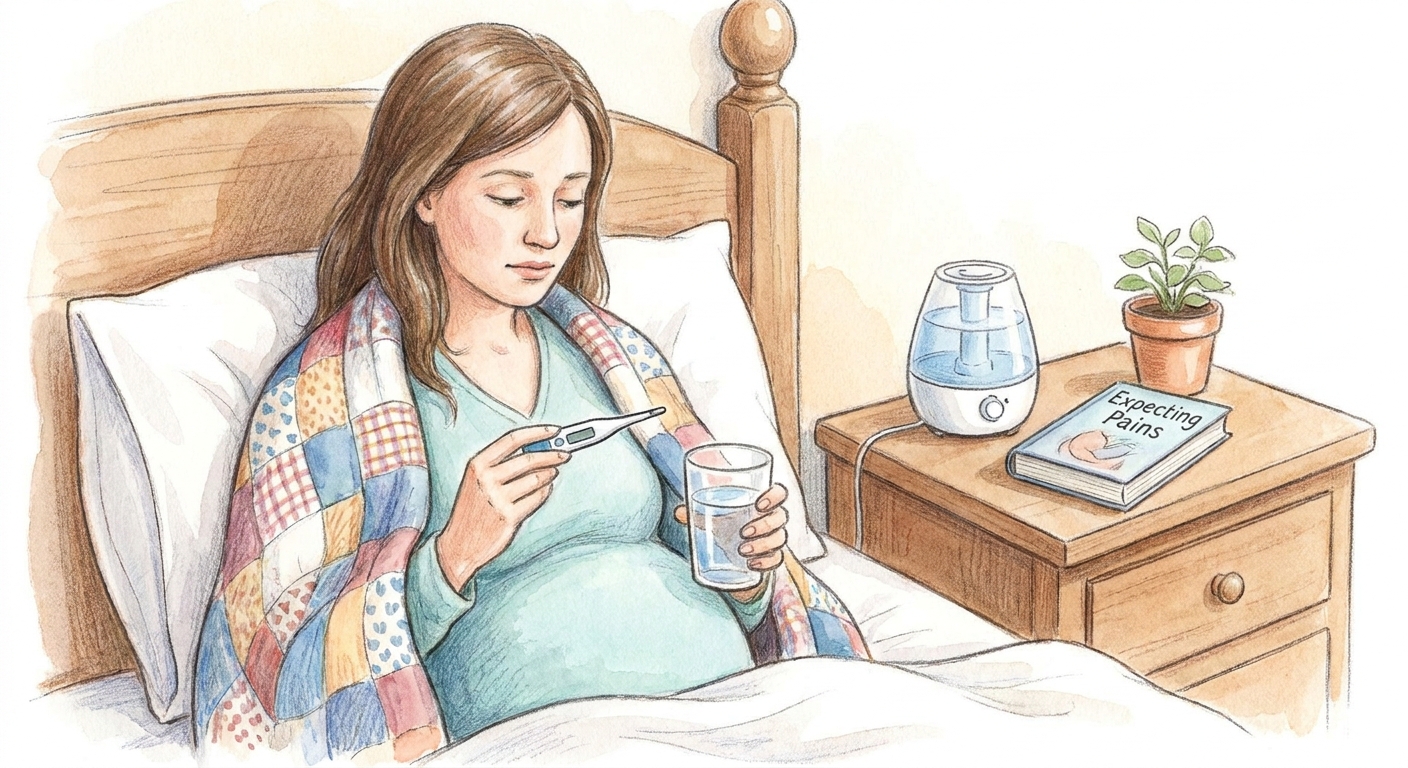
A fever is your body’s alarm bell. In pregnancy, we take it seriously because high or persistent fevers can stress your body and may be associated with complications depending on severity, timing, and the underlying cause.
- Call your OB the same day for a temperature of 100.4°F (38°C) or higher, or for any persistent fever even if it is hovering below that. (Always follow your own practice’s guidance, since thresholds can vary.)
- If you cannot keep fluids down, feel faint, or your fever is not improving with recommended fever reducers, you should be seen urgently.
Rash during pregnancy
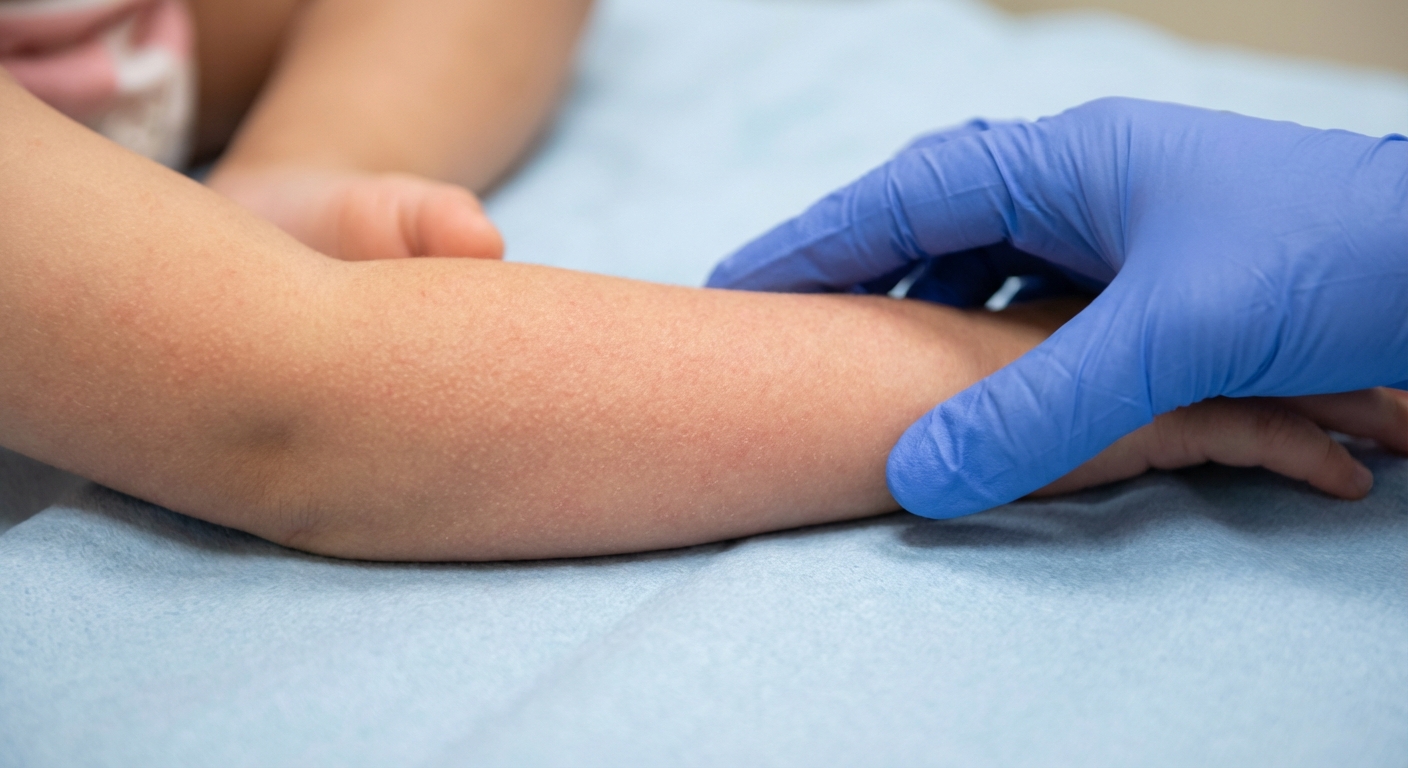
The scarlet fever rash often shows up after strep symptoms, can feel rough or “sandpapery,” and may be more noticeable in skin creases. In pregnancy, the rash is usually not the dangerous part. The bigger questions are:
- Is this truly scarlet fever, or a different rash that needs different care?
- Are there signs of an allergic reaction (especially if you started a new medication)?
- Are you systemically ill (fever, shortness of breath, dehydration, severe headache)?
If you develop hives, swelling of lips or face, wheezing, or trouble breathing, treat that as an emergency.

Dehydration is a bigger deal than it sounds
Sore throat, fever, and nausea can make it hard to drink enough. In pregnancy, dehydration can contribute to dizziness, worsening fatigue, and even contractions in some people.
Signs you should seek urgent care include very dark urine, peeing much less than usual, dry mouth with inability to drink, or feeling lightheaded when you stand.
What to tell your OB
When you call, your OB office will move faster if they have clear specifics. Here is what I would want to know as the nurse on the phone:
- Gestational age (how many weeks pregnant you are)
- Exposure details: who in the household is sick, whether they tested positive for strep, and when symptoms started
- Your symptoms: sore throat, fever (include the highest temp and how you measured it), rash, cough (strep usually does not cause a significant cough), headache, body aches, nausea or vomiting
- Baby movement changes if you are far enough along to track it
- Hydration: are you able to keep fluids down and urinate normally
- Allergies to medications, especially antibiotics
- Any pregnancy complications you already have (high blood pressure, diabetes, short cervix, history of preterm labor)
Your OB may direct you to testing through primary care or urgent care, or they may coordinate it depending on your clinic setup. Either way, you are not bothering them. This is exactly what we want you to call about.
Treatment basics
If testing confirms Group A strep, the usual treatment is antibiotics. This is not just to make you feel better, it also helps prevent complications.
In pregnancy, penicillin and amoxicillin are commonly used, and there are alternatives if you are allergic. Your clinician will choose the best option for your situation and allergies, and you should take the medication exactly as prescribed.
Untreated strep can occasionally lead to more serious problems (like a peritonsillar abscess), and while rare, invasive Group A strep is a medical emergency. If you feel rapidly worse, have severe weakness, trouble breathing, confusion, or signs of sepsis, do not wait it out at home.
Contagiousness at home
This is one of the first things parents ask, because life has to keep moving.
- Many clinicians consider people with strep much less contagious after about 24 hours of appropriate antibiotics and when they are fever-free.
- If you are not on antibiotics (for example, you tested negative), follow the guidance you were given for your specific diagnosis.
For kids, schools and daycares often use the “24 hours after antibiotics and fever-free” rule, but your local policy may be stricter.
Group A vs Group B strep
This is one of the most confusing pieces for pregnant patients because the words sound so similar.
Scarlet fever (Group A strep infection)
- Caused by Group A Streptococcus (the strep throat bacteria)
- An active infection that can cause sore throat, fever, and sometimes a rash
- Diagnosed with a throat swab when you have symptoms (or evaluation of another suspected GAS infection)
GBS screening (Group B strep)
- Caused by Group B Streptococcus, a different bacteria
- Usually colonization (bacteria living in the vagina or rectum) without making you feel sick
- Typically screened at 36 to 37 weeks with a vaginal and rectal swab
- Matters mainly for newborn protection during labor, not because it is making you sick during pregnancy
So if you are thinking, “But I already had a strep test in pregnancy,” it may have been a GBS screen later in pregnancy, which is not the same thing as checking for strep throat.
Same-day OB symptoms
Every OB practice words this a little differently, but these are the symptoms that should trigger same-day contact with your OB or evaluation in urgent care or the emergency department based on their advice:
- Fever 100.4°F (38°C) or higher, or a persistent fever that concerns you
- Shortness of breath, chest pain, wheezing, or trouble breathing
- Inability to swallow fluids, drooling, severe dehydration, or repeated vomiting
- Severe headache, stiff neck, confusion, or new neurologic symptoms
- Rash with facial swelling, hives, or breathing symptoms (possible allergic reaction)
- Decreased fetal movement (once you are at the stage where you reliably feel movement)
- Vaginal bleeding, leakage of fluid, or regular painful contractions
- Severe abdominal pain or one-sided pelvic pain
If you feel truly unwell, trust that instinct. As I tell parents in triage and now my own friends: you do not need to “earn” care by being at your absolute worst.
Will it harm the baby?
Most of the time, strep throat and scarlet fever are treatable bacterial infections that do not directly infect the fetus the way some viral illnesses can. The main pregnancy concerns are usually indirect:
- High or prolonged fever
- Dehydration
- More serious complications in the pregnant person if infection becomes severe or is not treated
That is why the most important step is not diagnosing the rash at home. It is getting the right clinician involved early, especially if you have a fever.

Reducing spread at home
Group A strep spreads through respiratory droplets and close contact. When it is your own child, “just avoid them” is laughable. Aim for realistic, high-impact steps:
- Handwashing with soap and water after wiping noses, handling dishes, and before eating.
- No sharing cups, utensils, straws, toothbrushes, towels, or pillowcases.
- Toothbrush swap (optional): some clinicians recommend replacing toothbrushes after a person has been on antibiotics for a bit. If you want to do it, do it after treatment has started, and store toothbrushes so they are not touching.
- Ventilate shared spaces when possible and wipe high-touch surfaces (faucets, doorknobs, tablet screens).
- Consider a “sick kid station” with their own water bottle, tissues, trash can, and a dedicated blanket to reduce shared items.
Common questions
Should I get tested if my child has scarlet fever but I feel fine?
Usually, clinicians test when you have symptoms. But pregnancy changes the risk calculation a bit because fever and dehydration matter. Let your OB know about the exposure and follow their recommendation.
My rash started first. Could it still be scarlet fever?
It could, but many rashes in pregnancy are not scarlet fever. Some are irritation, heat rash, allergic reactions, pregnancy-related itching conditions, or viral rashes. Also, not every sore throat is strep. If you have a rash plus sore throat, fever, or known household strep, that is a good reason to be evaluated.
Is this related to the strep test I get late in pregnancy?
No. That late pregnancy test is usually for Group B strep colonization. Scarlet fever is from Group A strep infection.
Can I go into preterm labor from being sick?
Any illness that leads to dehydration, stress on the body, or high fever can increase uterine irritability in some people. That is one reason OBs want to know if you are sick, especially if you have contractions, pelvic pressure, or leaking fluid.
Bottom line
If you are pregnant and you suspect scarlet fever, think of it as a Group A strep infection that deserves prompt attention, not a rash you need to decode alone at 2 a.m. Call your OB, get tested, and take fever, hydration, and breathing symptoms seriously. Most parents I talk to feel noticeably calmer once they have a clear plan and a clinician looped in, and you deserve that same peace.
Sarah Mitchell
Sarah Mitchell is a Registered Pediatric Nurse and a mother of three who has spent over a decade helping families navigate the beautiful, chaotic early years of childhood. She combines evidence-based medical knowledge with real-world parenting experience to offer practical, compassionate advice. At Awesome Parent, Sarah's mission is to help exhausted parents find solutions, trust their instincts, and finally get some sleep.