A parent-friendly guide to Osgood-Schlatter: what causes it, which sports trigger it, how it feels, what helps at home, and when to seek care.
Sinding-Larsen-Johansson Syndrome: Pain Under the Kneecap

Sarah Mitchell
Sarah Mitchell is a Registered Pediatric Nurse and a mother of three who has spent over a decade helping families navigate the beautiful, chaotic early years of childhood. She combines evidence-based medical knowledge with real-world parenting experience to offer practical, compassionate advice. At Awesome Parent, Sarah's mission is to help exhausted parents find solutions, trust their instincts, and finally get some sleep.
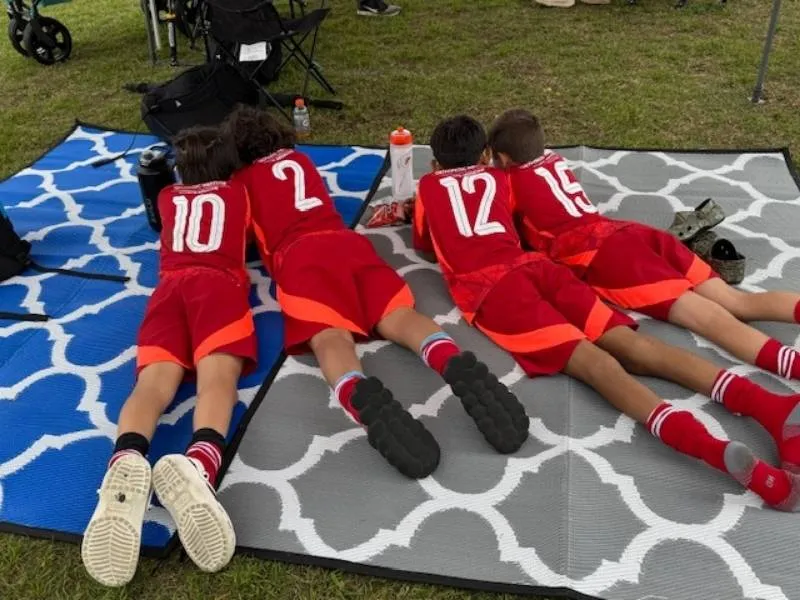
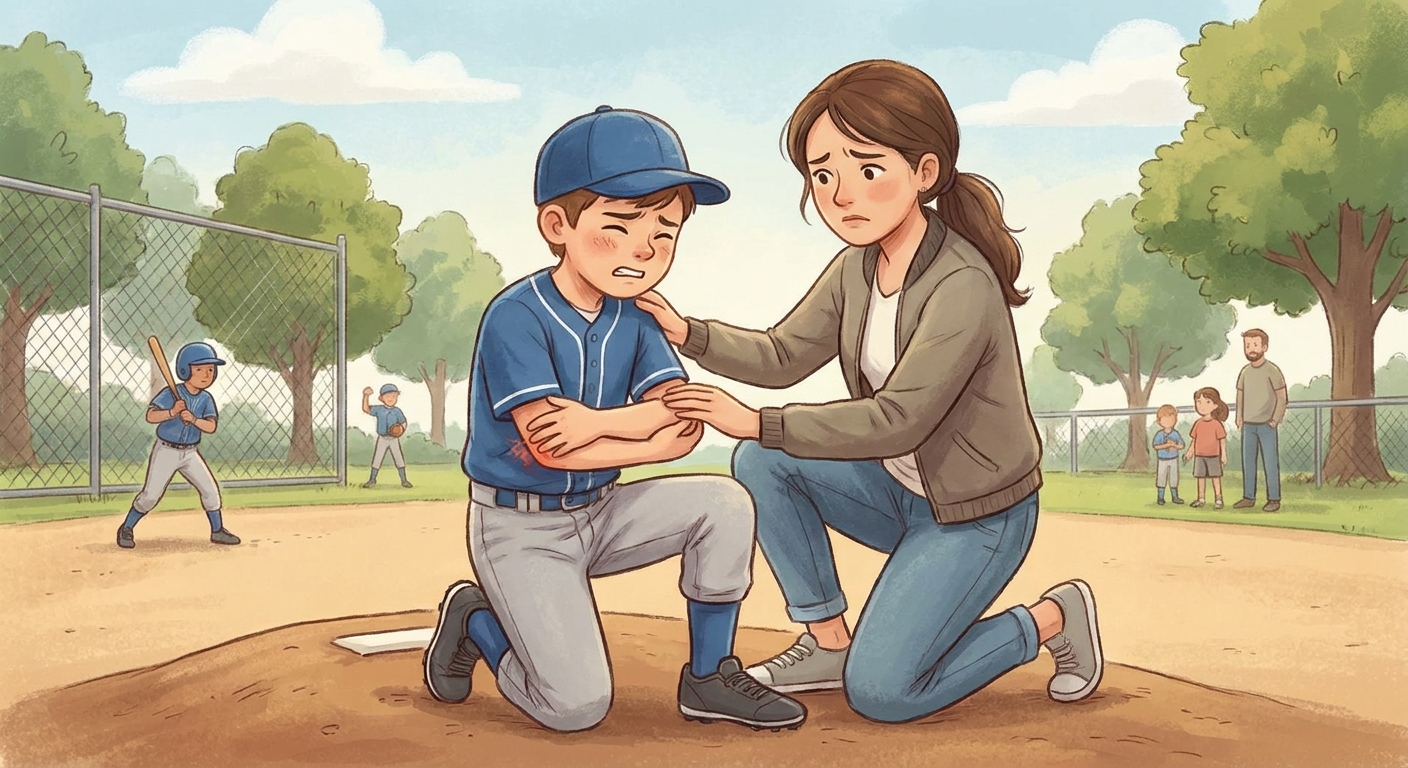
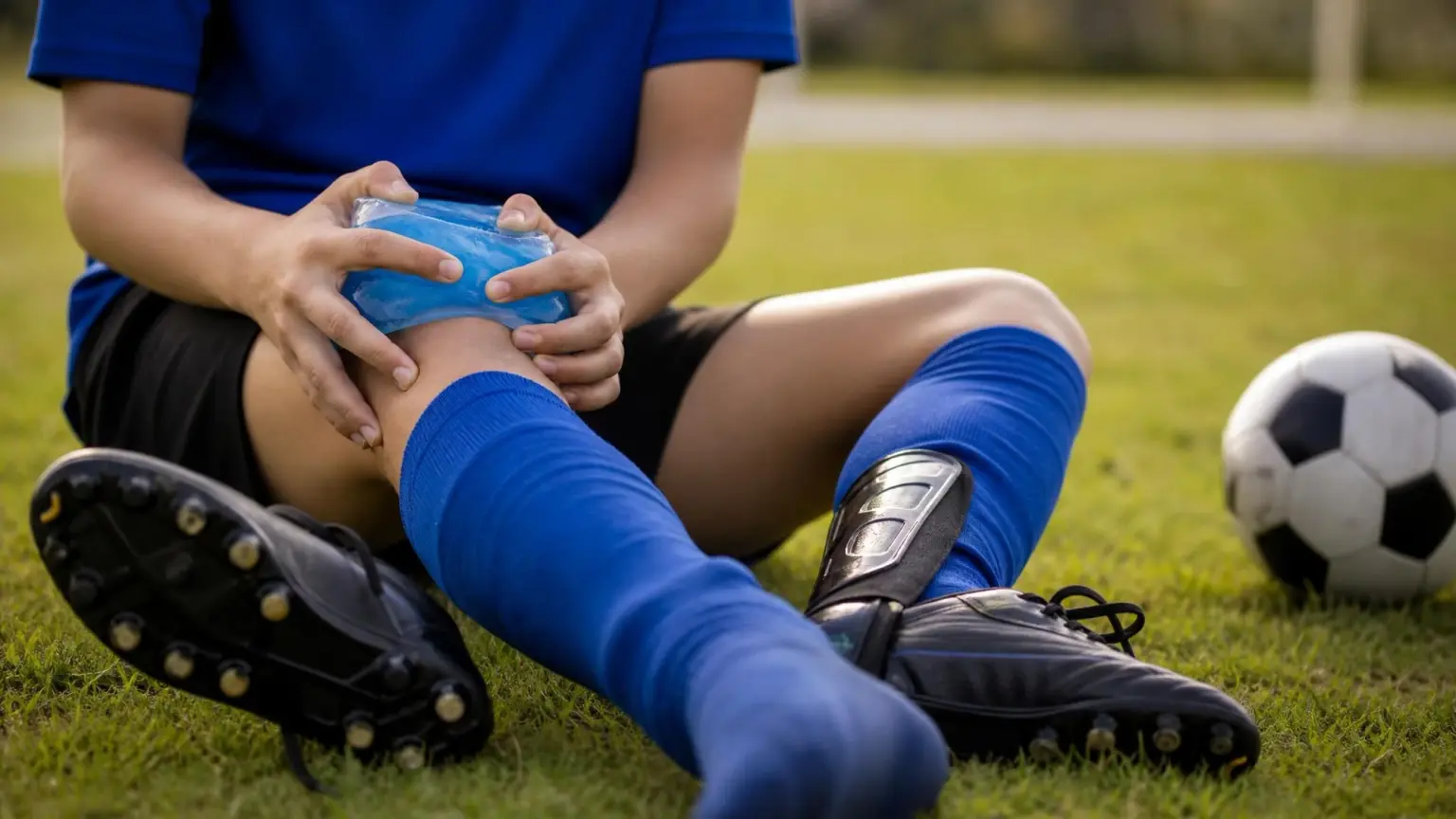
If your kid is sprinting through soccer season, jumping in basketball, or suddenly training like they have a college scout watching, you might hear a new complaint: “My knee hurts.” And when they point, it is right at the bottom tip of the kneecap. Not the whole knee. Not the shin. Just that one tender spot that lights up during running, stairs, and jumping.
In growing athletes, this pattern often fits Sinding-Larsen-Johansson syndrome (SLJ). The name is a mouthful, but the idea is simple: the place where the kneecap tendon attaches to the kneecap gets irritated during growth spurts and repetitive impact. It is common, it is treatable, and it usually improves with the right mix of rest, smart activity changes, and time.
What it is
SLJ is an overuse injury that affects kids and teens whose bones are still growing. It involves irritation where the patellar tendon (the strong band connecting the kneecap to the shinbone) attaches to the lower pole of the patella (the bottom tip of the kneecap).
During growth spurts, that attachment area is more vulnerable. Add lots of jumping, sprinting, cutting, and repeated practice without enough recovery, and the tendon can tug and irritate the growth area. Think “too much traction on a tender spot,” not “something is broken.”
Who usually gets it?
- Growing athletes, often in late childhood through the teen years
- Kids in sports with jumping and quick acceleration (basketball, volleyball, soccer, gymnastics, track)
- Kids who recently had a training increase (new team, more practices, tournaments, growth spurt)
Common contributors
There is usually more than one reason SLJ shows up. Things that often stack the deck include:
- Rapid growth and tight quadriceps or hamstrings
- Big training load with little recovery (back-to-back seasons, tournaments, extra conditioning)
- Landing and running mechanics that increase stress on the front of the knee
- Hip and core weakness that affects knee tracking
What it feels like
Most families describe a very consistent pattern:
- Pain right at the bottom of the kneecap, especially when pressing on that spot
- Pain that worsens with activity, especially running, jumping, squats, lunges, and stairs
- Symptoms that improve with rest, then flare again when sports resume
- Sometimes mild swelling or puffiness around the lower kneecap
- Occasional stiffness at the start of practice, then worsening later as the tendon gets tired
Kids are often reluctant to fully stop sports because they can still “push through” at first. That is usually when SLJ lingers. Pain is a message, not a dare.
SLJ vs. Osgood-Schlatter
These two conditions are cousins. Both are traction injuries related to growth and sports. But the tender point is different, and that matters for understanding what is happening.
Sinding-Larsen-Johansson syndrome
- Pain location: bottom tip of the kneecap (lower pole of the patella)
- Tender spot: right on the kneecap’s lower edge
- Common triggers: jumping, sprinting, stairs, squats
Osgood-Schlatter disease
- Pain location: the bump on the upper shinbone (tibial tubercle), just below the kneecap
- Tender spot: the bony bump where the patellar tendon attaches to the shin
- Common triggers: kneeling, running, jumping, strong quad contraction
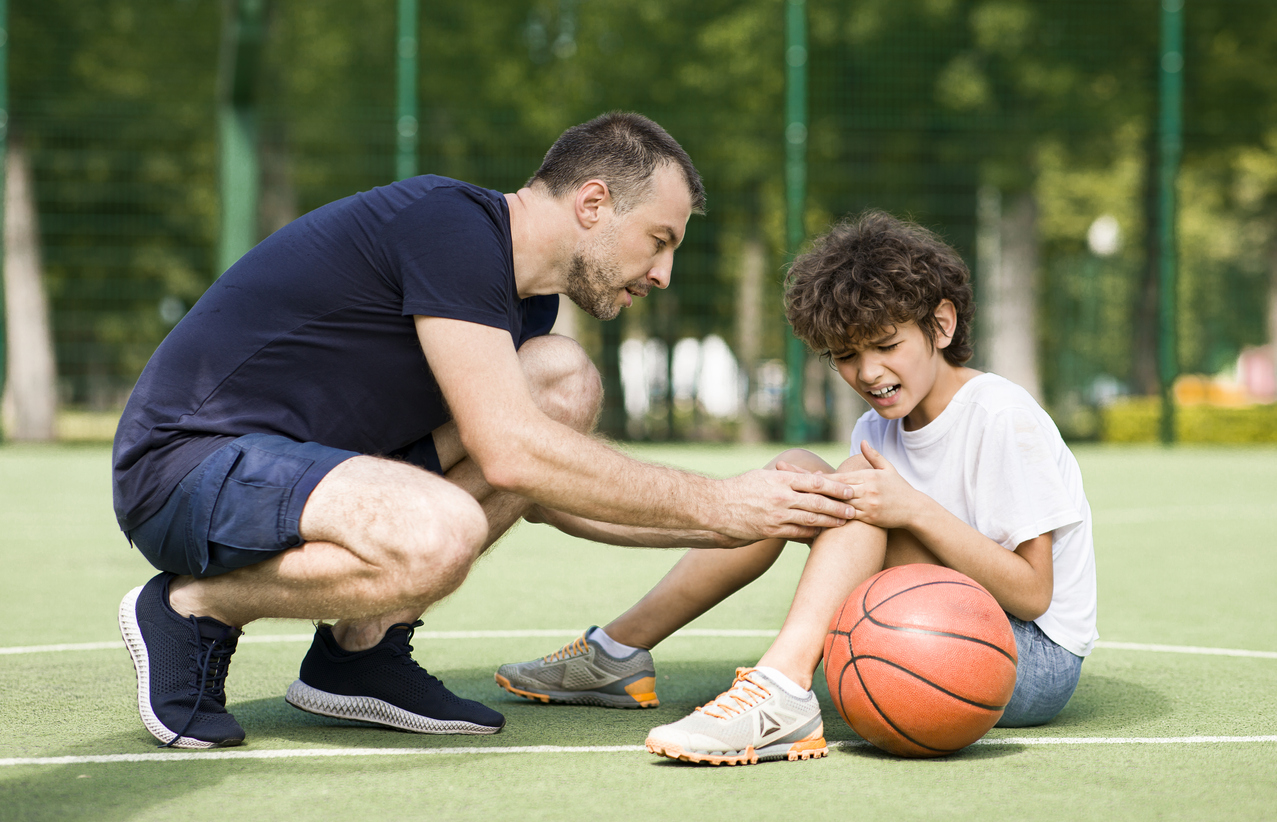
Quick parent tip: If your child points to a sore bump on the shinbone, think Osgood-Schlatter. If they point to the bottom edge of the kneecap itself, SLJ is higher on the list.
What to do first
As a pediatric triage nurse, I saw plenty of families try to “modify” activity in ways that did not really reduce the stress on the knee. If it still involves lots of running and jumping, the irritated attachment point does not get the message.
1) Reduce impact for a short window
For most kids, the fastest path forward is a brief break from high-impact moves that reproduce pain, typically:
- Jumping (plyometrics, rebounds, vaults)
- Sprinting and hills
- Deep squats and lunges
- Hard conditioning days and tournaments
This does not always mean full couch rest. It means replacing the painful parts with options that let the tendon calm down.
2) Keep them moving with lower-impact cross-training
Many athletes can continue with pain-friendly conditioning such as:
- Swimming
- Cycling with light to moderate resistance (if it does not hurt)
- Upper-body strength training
- Gentle mobility work
General rule of thumb: pain during activity should stay mild, should not cause limping, and the knee should not be more painful later that day or the next morning. Some clinicians use a pain scale (for example, aiming for 3/10 or less) and next-day response to guide return. Individual plans vary.
3) Ice after activity
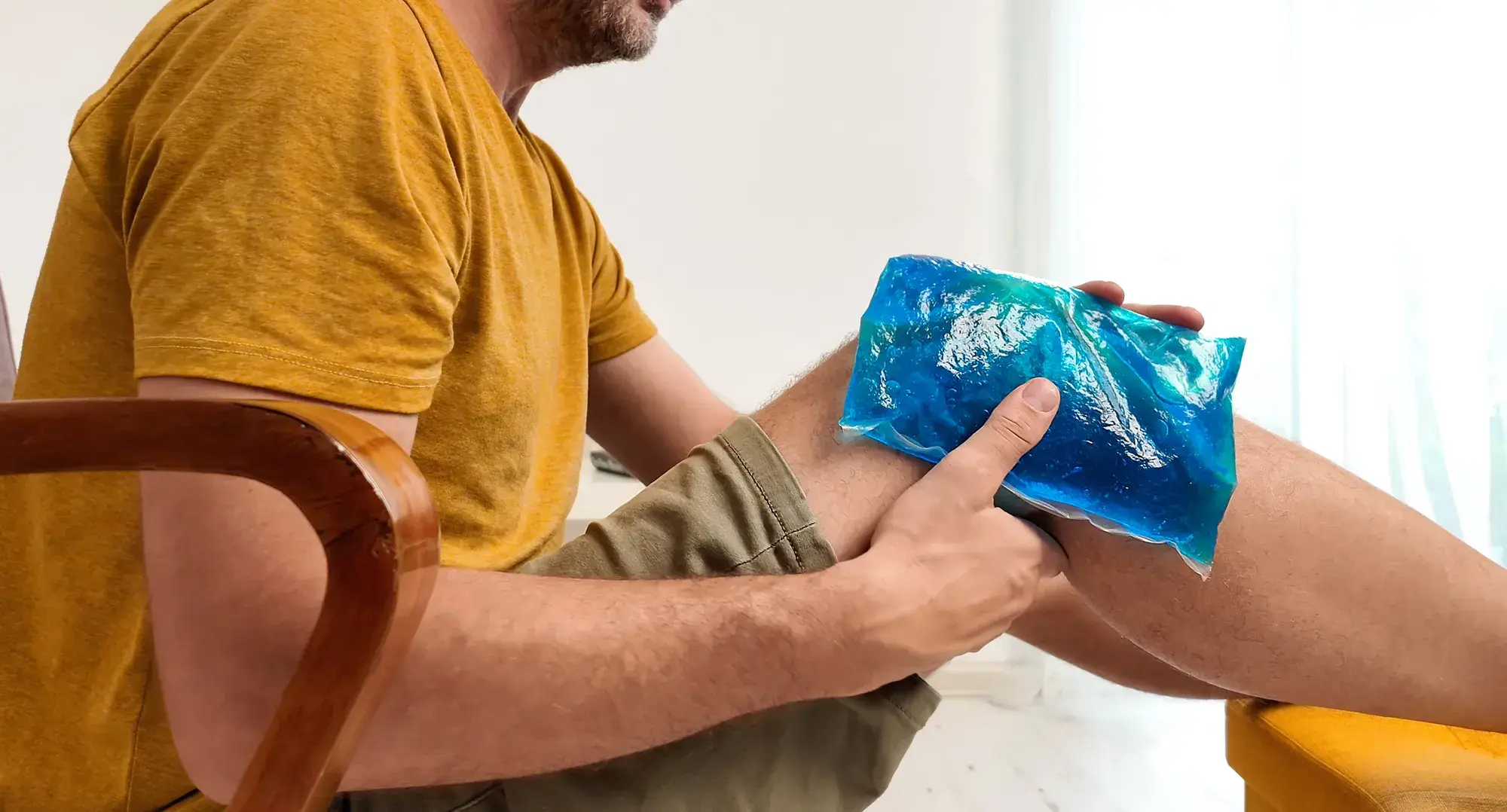
Ice can help with soreness after practice or physical therapy.
- Try 10 to 15 minutes with a cloth barrier.
- Avoid sleeping with an ice pack.
4) Pain medicine: ask first
Some kids benefit from over-the-counter pain relief, but what is appropriate depends on age, weight, and medical history.
- Acetaminophen is sometimes used for pain.
- NSAIDs (like ibuprofen or naproxen) may help some kids, but they are not right for everyone. Certain health conditions and medicines can make NSAIDs a poor choice.
If you are unsure, check with your child’s clinician before giving anything, and follow dosing guidance closely.
5) Physical therapy is often the game-changer
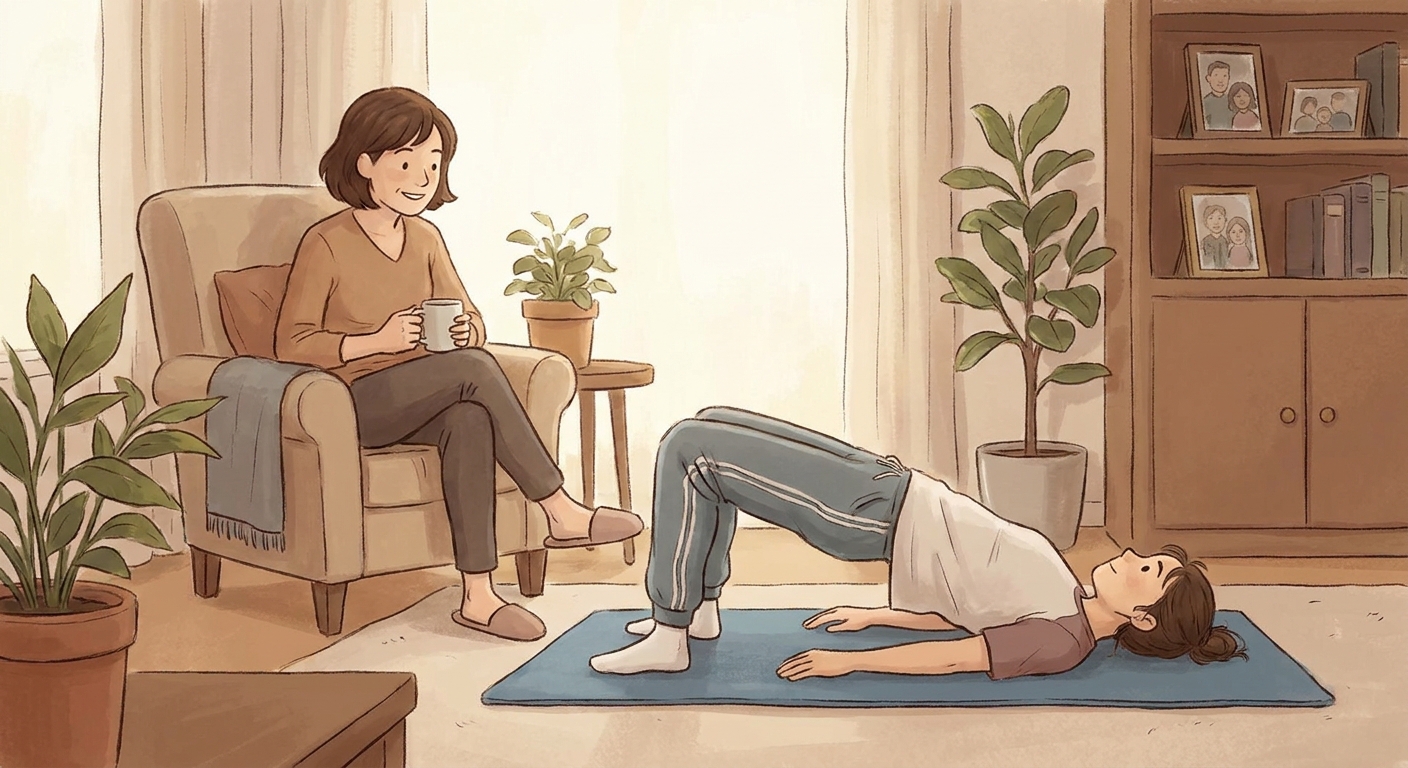
PT focuses on reducing tendon stress and improving mechanics, usually by working on:
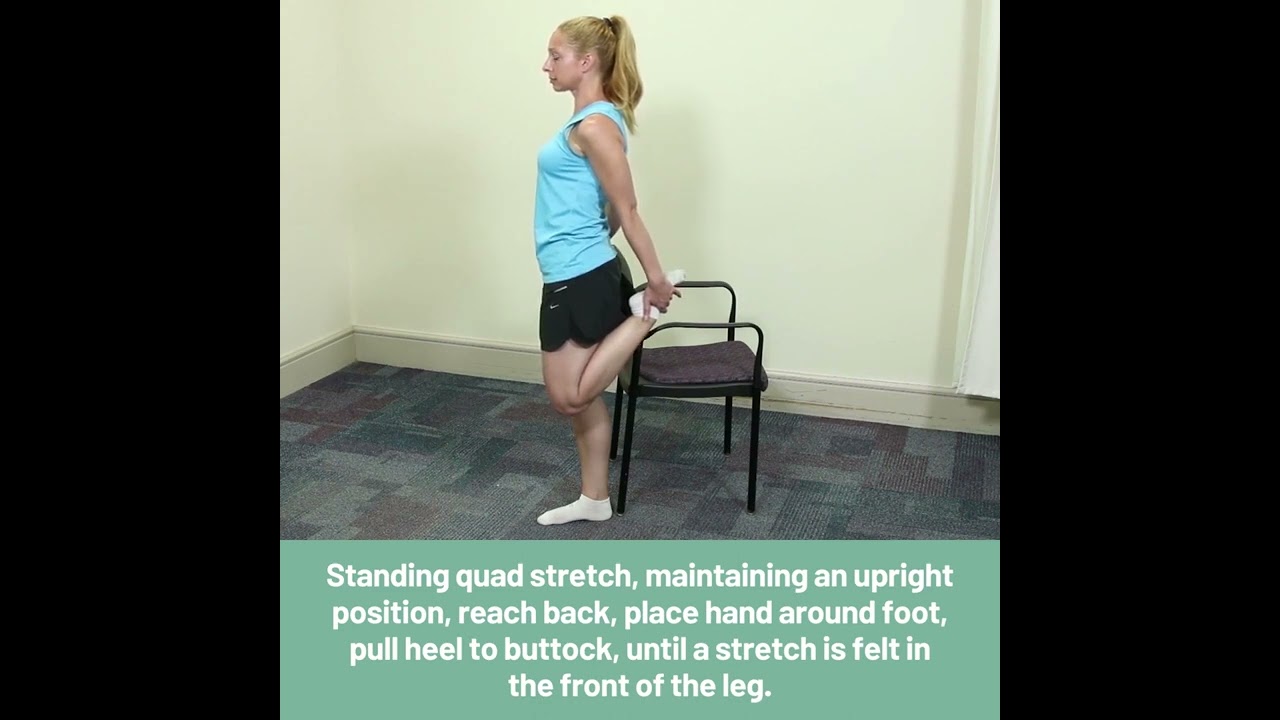
- Quadriceps and hamstring flexibility
- Hip and core strength (surprisingly important for knee tracking)
- Gradual tendon loading and return-to-jump programs
If your child is motivated and you want a structured plan back to sports, PT is worth considering early.
What to avoid
To keep a short-term flare from turning into a long season of pain, I generally caution families against:
- Playing through sharp pain or pain that changes their gait
- Testing it repeatedly with max jumps, repeated sprints, or “just one more” set to see if it still hurts
- Forcing deep squats or lunges early in recovery
- Sudden return to full volume after a few good days
Strap, brace, or tape?
Some athletes find temporary relief with a patellar tendon strap or athletic taping. These tools can reduce symptoms during activity, but they do not replace rest and rehab. If your child uses one, make sure:
- It does not cause numbness, tingling, or skin irritation.
- It is used as a short-term aid while you address the real drivers: overload and tight or weak muscle groups.
How long does it last?
It varies. Mild cases may settle in a few weeks with smart activity changes. More stubborn cases can take several weeks to a few months, especially if your child keeps playing through significant pain or has back-to-back seasons with no off time.
The good news: SLJ is usually a self-limited growth-related condition. Most kids return fully to sports once pain is controlled and strength and flexibility are rebuilt. A smaller group will have recurrences, especially with a rapid return to high-impact training, so gradual progression matters.
When to get an exam
Most sports-related kneecap pain in growing athletes is not an emergency, but there are specific signs that deserve a timely in-person assessment.
Call your child’s clinician promptly if you notice:
- Limping or refusing to bear weight
- Visible swelling of the knee joint (not just a small tender spot)
- Night pain that wakes them up or pain at rest that is getting worse
- Warmth, redness, fever, or your child seems ill
- Locking, catching, or the knee giving way
- Significant pain after a specific injury (fall, collision, awkward landing)
- Inability to straighten the knee or a new, major loss of motion
In triage, I always took night pain and persistent swelling seriously. It does not automatically mean something scary, but it does mean your child deserves a real exam instead of another week of hoping.
What else could it be?
Front-of-knee pain in kids is common, and SLJ is only one possible cause. A clinician may also consider:
- Patellofemoral pain (pain around or behind the kneecap)
- Patellar tendon strain or tendinopathy (more typical in post-pubertal athletes, but can overlap)
- Prepatellar or infrapatellar bursitis (often irritated by kneeling or direct pressure)
- Avulsion injury or fracture (more concerning after a clear trauma, sudden severe pain, swelling, or inability to extend the knee)
- Infection or inflammatory conditions (especially with fever, warmth, redness, or feeling unwell)
What the doctor may do
Most of the time, diagnosis starts with a good history and a focused knee exam, including checking:
- Exactly where the tenderness is located
- Pain with jumping, squatting, and resisted knee extension
- Hip strength and flexibility that can change knee mechanics
- Signs of other causes of knee pain
Imaging is not always needed. An X-ray might be used to rule out other issues or confirm the pattern at the lower kneecap, especially if symptoms are severe, prolonged, or there was trauma. MRI is rarely needed unless symptoms are atypical, not improving as expected, or there are red flags.
Return to sports
Kids hate this part: the goal is not just “back on the field.” The goal is back on the field without restarting the pain cycle.
A practical return-to-play checklist
- Your child can walk and take stairs without pain or limping.
- The tender spot under the kneecap is much less sensitive to touch.
- They can do a bodyweight squat and a small hop with only minimal discomfort.
- Pain does not spike later that day or the next morning after activity.
- Practice time increases gradually, not all at once.
If pain flares sharply after returning, that is a sign the knee needs a step back, not a lecture about toughness.
Common parent questions
Is SLJ the same as “jumper’s knee”?
They are related but not identical. “Jumper’s knee” often refers to patellar tendinopathy, which is more common in older adolescents and adults. SLJ is specifically tied to growth at the bottom of the kneecap in kids who are still maturing.
Can my child cause permanent damage by playing through it?
Most kids do not end up with permanent problems, but playing through significant pain can make symptoms last longer and can change movement patterns in ways that increase risk of other injuries. Earlier rest and rehab usually means a faster, smoother return.
Does footwear help?
Shoes do not cause SLJ, but worn-out athletic shoes and sudden changes in training surfaces can increase overall stress. Supportive, sport-appropriate footwear and replacing shoes when they are clearly worn can help reduce load.
Could this be “growing pains”?
Growing pains tend to be achy, often in both legs, and show up in the evening or at night without a single tender point triggered by sports. SLJ is usually one specific sore spot that reliably hurts with activity.
Bottom line
Sinding-Larsen-Johansson syndrome is a common cause of activity-related pain at the bottom tip of the kneecap in growing athletes. The best treatment is usually a combination of rest from painful impact, smart activity changes, ice, and targeted strengthening and flexibility work.
If your child is limping, has significant swelling, or has night pain or worsening pain at rest, it is time to get an exam. You are not overreacting. You are doing the calm, capable parent thing: getting the right eyes on it so your kid can heal and get back to what they love.
Sarah Mitchell
Sarah Mitchell is a Registered Pediatric Nurse and a mother of three who has spent over a decade helping families navigate the beautiful, chaotic early years of childhood. She combines evidence-based medical knowledge with real-world parenting experience to offer practical, compassionate advice. At Awesome Parent, Sarah's mission is to help exhausted parents find solutions, trust their instincts, and finally get some sleep.