Practical steps to pick a formula, introduce it gradually, and protect your baby’s belly. Includes mixing tips, schedules, and when to call the pediatrician.
Switching Infant Formula Brands: What to Expect

Sarah Mitchell
Sarah Mitchell is a Registered Pediatric Nurse and a mother of three who has spent over a decade helping families navigate the beautiful, chaotic early years of childhood. She combines evidence-based medical knowledge with real-world parenting experience to offer practical, compassionate advice. At Awesome Parent, Sarah's mission is to help exhausted parents find solutions, trust their instincts, and finally get some sleep.
I’ve taken more “Is this poop normal?” calls than I can count, and formula changes are one of the biggest triggers for worried parent radar. The reassuring truth is that many babies can switch from one formula brand to another with minimal drama. Some will have a few days of extra gas or different-looking stools while their gut adjusts. And a small number will tell you loudly that the new option is not a good match.
This guide will help you change brands or types carefully, recognize what’s expected, and know when it’s time to stop experimenting and call your pediatrician.

Before you switch: a quick safety check
Most formula switching is about availability, cost, or preference. Those switches are usually safe. But there are a few situations where you should check in with your baby’s clinician first, especially before changing types (not just brands).
Call your pediatrician before switching if:
- Your baby is younger than 2 months and has ongoing feeding problems, poor weight gain, or frequent vomiting.
- There is blood in the diaper, persistent mucus, or a diaper rash that looks painful and raw.
- Your baby has eczema that is worsening or other signs that raise concern for an allergy.
- Your baby was told to use a specialty formula (hypoallergenic, amino acid based, thickened anti-reflux formula, high-calorie, metabolic formula).
- Your baby was premature or has complex medical needs.
Also worth saying out loud: if you are switching because you think your baby “must be lactose intolerant,” pause and ask your pediatrician. True primary lactose intolerance in young infants is uncommon. (Transient lactose intolerance can happen after a stomach bug, but that is a different situation.) Many babies are simply gassy babies.
Brand vs. type: what matters most
Parents are often told “all formulas are basically the same.” That’s only partly true.
Usually easiest: switching brands within the same type
If you’re moving from one standard cow’s-milk-based, iron-fortified formula to another standard cow’s-milk-based, iron-fortified formula, most babies handle this well. The protein source is similar, and the overall nutrition is designed to meet the same standards in countries with strong formula regulation.
More likely to cause tummy changes: switching types
Changing types is a bigger shift. Examples include:
- Standard cow’s-milk-based to gentle/partially hydrolyzed formula
- Standard to sensitive/reduced lactose
- Cow’s-milk-based to soy
- Standard to comfort blends with different carbs (like more corn syrup solids or maltodextrin)
- Any standard formula to hypoallergenic extensively hydrolyzed or amino acid based
None of these are automatically “bad.” They’re just bigger changes, so it’s more common to see temporary gas or stool changes.
One important clarification: “gentle” or “HA” formulas (partially hydrolyzed) are not the same thing as extensively hydrolyzed or amino acid formulas used for true cow’s milk protein allergy. If allergy is on your radar, loop in your pediatrician rather than guessing.
How to switch safely
There are two reasonable approaches. Which one you choose depends on how sensitive your baby is and why you’re switching.
Option 1: Gradual transition
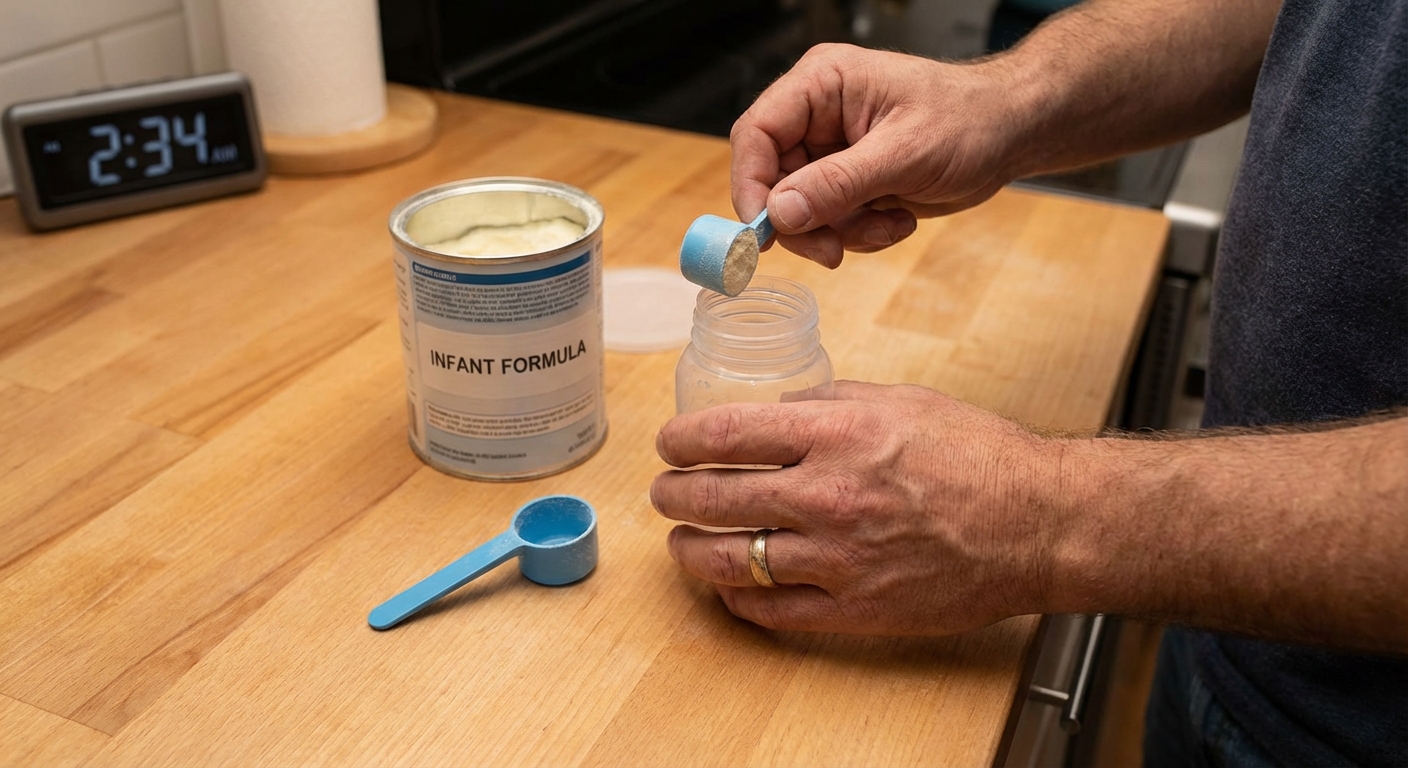
Mixing is usually fine if you keep the concentration correct. The safest way is to prepare each formula separately exactly as labeled, then combine measured, prepared volumes in the bottle.
In other words: do not eyeball water, do not change scoop-to-water ratios, and do not mix two different powders together and then add one “combined” amount of water unless the mixing directions match perfectly.
A gentle schedule many families use:
- Days 1 to 2: 75% old, 25% new
- Days 3 to 4: 50% old, 50% new
- Days 5 to 6: 25% old, 75% new
- Day 7: 100% new
If your baby struggles, you can slow this down. You do not get a prize for finishing in a week.
Option 2: Direct switch
If you ran out, can’t find your brand, or your baby has done well with changes before, you can usually switch fully to the new formula right away. Expect the most noticeable tummy and poop changes in the first 3 to 5 days.

What changes are normal
Your baby’s GI tract is learning a new recipe. A short adjustment period is common, especially with type changes.
Gas and spit-up
- More gas for a few days can happen.
- You may notice extra burping needs.
- Spit-up may increase a bit while baby adjusts, especially if the new formula flows differently or baby takes the bottle faster.
Helpful basics: paced bottle-feeding, frequent burp breaks, and keeping baby upright for 15 to 30 minutes after feeds.
Poop changes
Formula switching can change poop:
- Color: tan, yellow, green, or brown can all be normal. Green stools are very common after formula changes and are not automatically a problem.
- Smell: may become stronger.
- Frequency: some babies poop more often, others less often, especially if the carbohydrate blend changes.
- Texture: can shift from soft and seedy to thicker paste-like stools, or the reverse.
What matters most is your baby’s comfort and hydration, not whether the poop matches a mental Pinterest board of “perfect baby stool.”
How long to give it
For most non-urgent switches, I recommend giving a new formula about 7 to 14 days before you decide it is not working, unless your baby has red flags (we’ll cover those next). Many babies look “worse” on days 2 to 4 and then settle.
If you switch and then switch again two days later, you can end up with an endlessly irritated tummy where you never learn what is actually helping. In phone triage, we call this the “too many variables” problem, and it is exhausting for parents.
When to stop and call
Stop the experiment and contact your pediatrician if you notice any of the following.
Urgent, same-day care
- Blood in stool (red streaks or black, tar-like stool)
- Signs of dehydration: markedly fewer wet diapers than usual (for many babies, fewer than about 4 to 6 in 24 hours is a concern), very dry mouth, no tears when crying, sunken soft spot, unusual sleepiness
- Repeated forceful vomiting or vomiting that is green (bilious)
- Hives, facial swelling, wheezing, or trouble breathing after feeds
- Any fever in a baby under 3 months unless your pediatrician has already given you a different plan
Call within 24 to 48 hours
- Persistent vomiting after most feeds
- Diarrhea that lasts more than 24 to 48 hours, especially with poor intake
- New constipation that seems painful, with hard pebble-like stools
- Worsening eczema or a new widespread rash
- Feeding refusal or a noticeable drop in total intake
- Poor weight gain or your baby seems less alert than usual

Tips that help
Keep the basics consistent
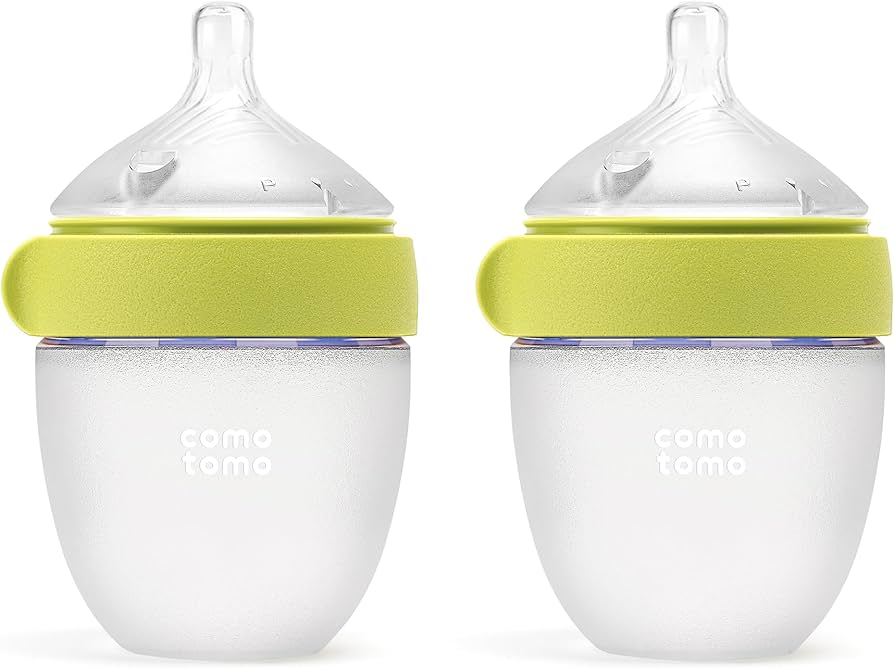
- Use the same bottle and nipple flow your baby already handles well.
- Stick to your baby’s usual feeding position and pace.
- Do not change multiple things at once (new formula, new bottle, new nipple flow, new schedule) unless you have to.
Preparation safety
- Always measure exactly. Too concentrated can cause dehydration and tummy upset. Too diluted can be dangerous and reduce calories.
- If you are combining old and new during a transition, prepare each to its labeled concentration first, then combine measured amounts.
- If you are switching between powder, liquid concentrate, and ready-to-feed, it’s usually fine, but double-check preparation. Errors are common during swaps.
- If you use powdered formula, follow safe handling guidance for clean hands, clean surfaces, and properly washed bottles.
Choose the right “stage”
Make sure you are using age-appropriate infant formula (not toddler formula) unless your pediatrician tells you otherwise. “Stage” labels vary by brand, so go by the age range on the container.
Give the gut a little grace
Babies are gassy. Babies strain. Babies make alarming noises while pooping. If your baby is growing, peeing well, and mostly comfortable, a little temporary weirdness can be normal during a switch.
FAQ
Can I switch between name-brand and store-brand formula?
Often, yes. If you’re switching within the same type (for example, standard cow’s-milk-based, iron-fortified), most babies do fine. Expect possible short-term stool and gas changes. If your baby has medical needs or is on a specialty formula, check with your pediatrician before switching.
Is green poop after switching formula normal?
Very often, yes. Green can happen with different ingredients and how bile moves through the gut. If your baby is otherwise well, it is usually not concerning. Call if you see blood, persistent watery diarrhea, signs of dehydration, or your baby seems unwell.
My baby is constipated on the new formula. What should I do?
First, define constipation as hard, painful stools, not just fewer poops. Give it a few days if your baby is comfortable. Make sure you are mixing correctly. If stools are hard, your baby is straining in pain, or constipation persists more than several days, call your pediatrician for personalized guidance. Do not give water, juice, or laxatives unless your clinician recommends it.
How do I know if it’s an allergy vs. a normal adjustment?
Normal adjustment is usually mild gas, slightly more spit-up, or different-looking stools that improve within 1 to 2 weeks. Allergy concerns include blood in stool, significant eczema flare, hives, facial swelling, wheezing, or persistent vomiting and poor growth. If you are seeing possible allergy signs, stop switching randomly and call your pediatrician.
Should I try a “gentle” formula for gas?
Sometimes it helps, sometimes it does not. Many infants have developmental gas that improves with time, feeding technique, and burping strategies. If you want to try a gentle formula, make one change at a time and give it 1 to 2 weeks unless red flags appear.
A calm bottom line
Switching formula brands is usually safe, and a short stretch of extra gas or stool changes is common. Make one change at a time, transition gradually if your baby is sensitive, and give the new formula long enough to actually judge it. And if you see blood in the diaper, dehydration signs, significant vomiting, fever in a baby under 3 months, or allergic symptoms, that’s your cue to stop troubleshooting at 2 AM and call your pediatrician.

Sarah Mitchell
Sarah Mitchell is a Registered Pediatric Nurse and a mother of three who has spent over a decade helping families navigate the beautiful, chaotic early years of childhood. She combines evidence-based medical knowledge with real-world parenting experience to offer practical, compassionate advice. At Awesome Parent, Sarah's mission is to help exhausted parents find solutions, trust their instincts, and finally get some sleep.