A calm, step-by-step guide for household chemical and medication ingestions: do and do not, when to call Poison Control, what info to have ready, plus button...
Toddler Bit Into a Laundry Detergent Pod: What to Do Now

Sarah Mitchell
Sarah Mitchell is a Registered Pediatric Nurse and a mother of three who has spent over a decade helping families navigate the beautiful, chaotic early years of childhood. She combines evidence-based medical knowledge with real-world parenting experience to offer practical, compassionate advice. At Awesome Parent, Sarah's mission is to help exhausted parents find solutions, trust their instincts, and finally get some sleep.
If you are reading this with a squirmy toddler on your lap and a half-bitten detergent pod in your hand, take a breath. You are not the first parent this has happened to, and there are clear steps you can take right now.
Detergent pods are tricky because they can cause foaming and irritation, which can become an airway problem if a child coughs, gags, or vomits. The goal in the first few minutes is to stop exposure, rinse, and get expert guidance quickly.
This is general guidance, not a substitute for real-time medical advice. Poison Control is the best place to get product-specific instructions right away.

Do these steps immediately
1) Get the pod away and check your child
- Remove the pod and any pieces from your child’s mouth.
- Look for trouble breathing, noisy breathing, persistent coughing, drooling, or your child seeming unusually sleepy or hard to wake.
- If your child is struggling to breathe, turning blue/gray, or becomes very sleepy, call 911 right away.
2) Rinse the mouth and wipe the face
- Wipe any detergent off the lips, chin, and hands.
- Rinse the mouth gently. If your toddler will cooperate, have them swish with water and spit. If they are too young, offer small sips of water to help clear the mouth.
- If detergent got on the skin, wash with soap and water.
Do not give anything by mouth if your child is coughing nonstop, gagging, drooling, vomiting, or unusually sleepy.
3) If it got in the eyes, flush right away
Eye exposure needs immediate action because pods can be very irritating, and some dishwasher detergents can be especially harsh.
- Flush with lukewarm running water for at least 15 minutes if you can (bath faucet, shower, or a gentle stream from a cup).
- Remove contact lenses if applicable.
- Call Poison Control during or right after flushing for next steps.
If your child has severe eye pain, vision changes, cannot keep the eye open, or the redness and tearing do not improve after flushing, seek urgent care as directed (and call 911 for any emergency-level symptoms).
4) Offer a small drink, but do not force it
If your child is awake, alert, and swallowing normally, offer small sips of water or milk. This can help dilute what is in the mouth and throat. Do not force large amounts, especially if they are coughing or gagging.
Why pods are different
In triage, detergent pods are one of those exposures we take seriously because the liquid inside is concentrated and designed to dissolve fast. When it mixes with saliva, it can foam. That foam can trigger coughing and gagging, and if a child vomits, there is a risk of aspiration (breathing the foam into the lungs).
This is why the “best” home response is not to try to empty the stomach. It is to rinse, keep them upright, and get Poison Control guidance.

What not to do
- Do not make your child vomit. Vomiting increases the risk of foam getting into the airway.
- Do not give syrup of ipecac (it is not recommended and can be dangerous).
- Do not give activated charcoal unless Poison Control or a clinician specifically instructs you to. It typically is not useful for detergents and can increase vomiting and aspiration risk.
- Do not give lemon juice or vinegar to “neutralize” it. Do not try to neutralize chemicals at home.
- Do not wait it out if your child has symptoms beyond a brief taste and mild irritation.
Call Poison Control
In the United States, Poison Control is available 24/7 at 1-800-222-1222. If your child bit, chewed, swallowed, or may have swallowed any amount of a laundry or dishwasher pod, it is appropriate to call, even if they seem okay right now.
Poison Control can tell you what to watch for based on your child’s age and symptoms, and the specific product.
Have this information ready
- Your child’s age and approximate weight
- The brand/type (laundry pod vs dishwasher pod) and ingredients if you have the container
- What happened (bit into it, swallowed a piece, got it on skin, in eyes)
- When it happened
- Current symptoms: coughing, vomiting, drooling, wheezing, sleepiness, eye redness, refusal to drink
If you are heading to urgent care or the ER, bring the container or wrapper with you if you can do it quickly and safely.
If you are outside the U.S., contact your local poison information service or emergency number.
Go now if you see red flags
Trust your gut here. If you are seeing breathing or swallowing problems, it is worth being seen urgently.
Call 911 immediately if
- Struggling to breathe, gasping, blue/gray lips or face
- Severe wheezing or very noisy breathing
- Child is difficult to wake, unusually limp, or has a seizure
Go to the ER urgently if
- Persistent coughing, choking, or gagging
- Repeated vomiting or vomiting with ongoing coughing
- Drooling or refusing to swallow
- Chest pain, fast breathing, or your child seems to be working hard to breathe
- Blood in vomit or saliva (rare, but urgent)
- Eye pain, inability to open the eye, vision changes, or ongoing redness or tearing after flushing
If Poison Control tells you to go in, go in, even if symptoms seem to be improving.
What to expect at the doctor
What a clinician does depends on symptoms and the type of exposure.
- If there are breathing symptoms: your child may be monitored for oxygen levels, listened to for wheezing, and observed for several hours. A chest X-ray may be considered if aspiration is a concern.
- If there is ongoing vomiting or throat pain: the team may give anti-nausea medicine, assess hydration, and watch for signs of irritation to the mouth and throat.
- If eyes were exposed: they may do a longer eye rinse, check the surface of the eye, and prescribe drops if needed.
You might not get a “magic antidote,” and that can feel unsettling. For detergents, treatment is mainly supportive care and careful monitoring for airway and lung irritation.
Comfort while you wait
- Keep your child upright, especially if they are coughing or nauseated.
- Try to keep them calm with quiet distraction (a short video, a book, or a simple game). Crying and thrashing can worsen coughing and gagging.
- If your child can drink and is not coughing, offer small sips of water or milk.
- Do not offer food right away if they are drooling, gagging, or vomiting.

Prevention, no guilt
Pods are bright, squishy, and toddler-catnip. The safest setup is simple:
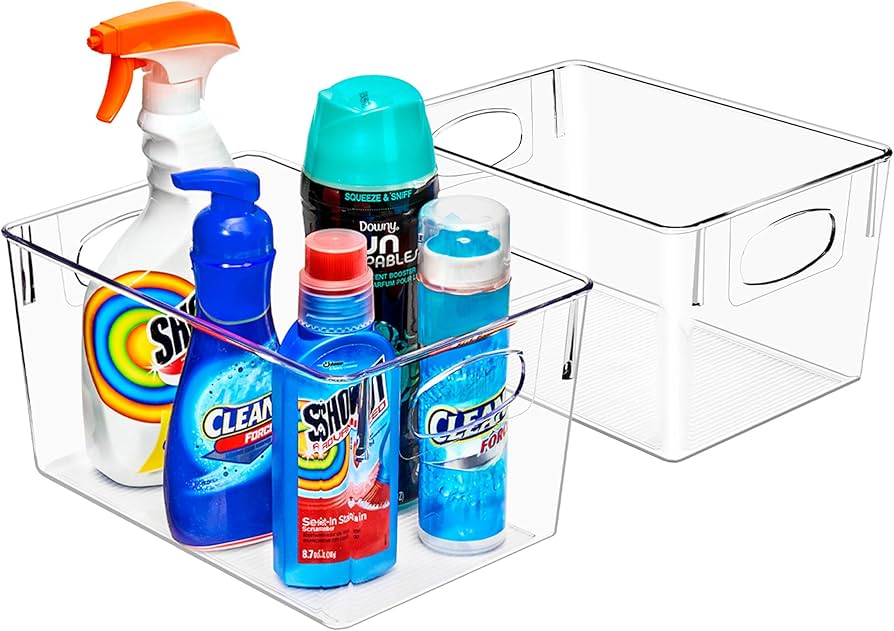
- Store pods up high and locked, ideally in a cabinet with a childproof latch.
- Keep them in their original container and close it immediately after use.
- Do not let kids “help” by carrying pods or handing them to you.
- If you have guests or travel, do a quick scan for pods left within reach in laundry rooms or bathrooms.
If this happened in your home, you are not a bad parent. You are a parent who now has one more safety system in place.
FAQ
What if my toddler only licked the pod?
If it was a quick lick with no symptoms, rinse the mouth, offer a few sips of water (only if they are swallowing normally), and call Poison Control to confirm what to watch for. Call sooner if there is coughing, drooling, vomiting, or sleepiness.
What if they bit it but did not swallow?
Biting is still an exposure because the liquid can squirt into the mouth and cause foaming. Rinse the mouth and call Poison Control. Watch closely for coughing, vomiting, and breathing changes for the next several hours.
Laundry pod vs dishwasher pod: does it matter?
Both can irritate the mouth, throat, and stomach. Both can foam and increase airway risk if vomiting happens. Dishwasher detergents can be more caustic, especially to eyes, so flush right away and get guidance if pain, redness, or trouble opening the eye persists.
How long should I watch my child?
Poison Control will give you a specific window based on the product and symptoms. In general, keep a close eye on breathing, coughing, vomiting, and alertness for the rest of the day and overnight, and follow the plan Poison Control provides.
Sarah Mitchell
Sarah Mitchell is a Registered Pediatric Nurse and a mother of three who has spent over a decade helping families navigate the beautiful, chaotic early years of childhood. She combines evidence-based medical knowledge with real-world parenting experience to offer practical, compassionate advice. At Awesome Parent, Sarah's mission is to help exhausted parents find solutions, trust their instincts, and finally get some sleep.