A calm, step-by-step guide for household chemical and medication ingestions: do and do not, when to call Poison Control, what info to have ready, plus button...
Toddler Drank Hand Sanitizer: What to Do Next

Sarah Mitchell
Sarah Mitchell is a Registered Pediatric Nurse and a mother of three who has spent over a decade helping families navigate the beautiful, chaotic early years of childhood. She combines evidence-based medical knowledge with real-world parenting experience to offer practical, compassionate advice. At Awesome Parent, Sarah's mission is to help exhausted parents find solutions, trust their instincts, and finally get some sleep.
It happens fast. One second you are rubbing sanitizer into your own hands, the next your toddler has the bottle and is proudly announcing, “I drinked it.” Take a breath. In pediatric triage, this is one of those calls I took all the time, and the goal is simple: keep your child safe, don’t make things worse, and get the right help quickly.
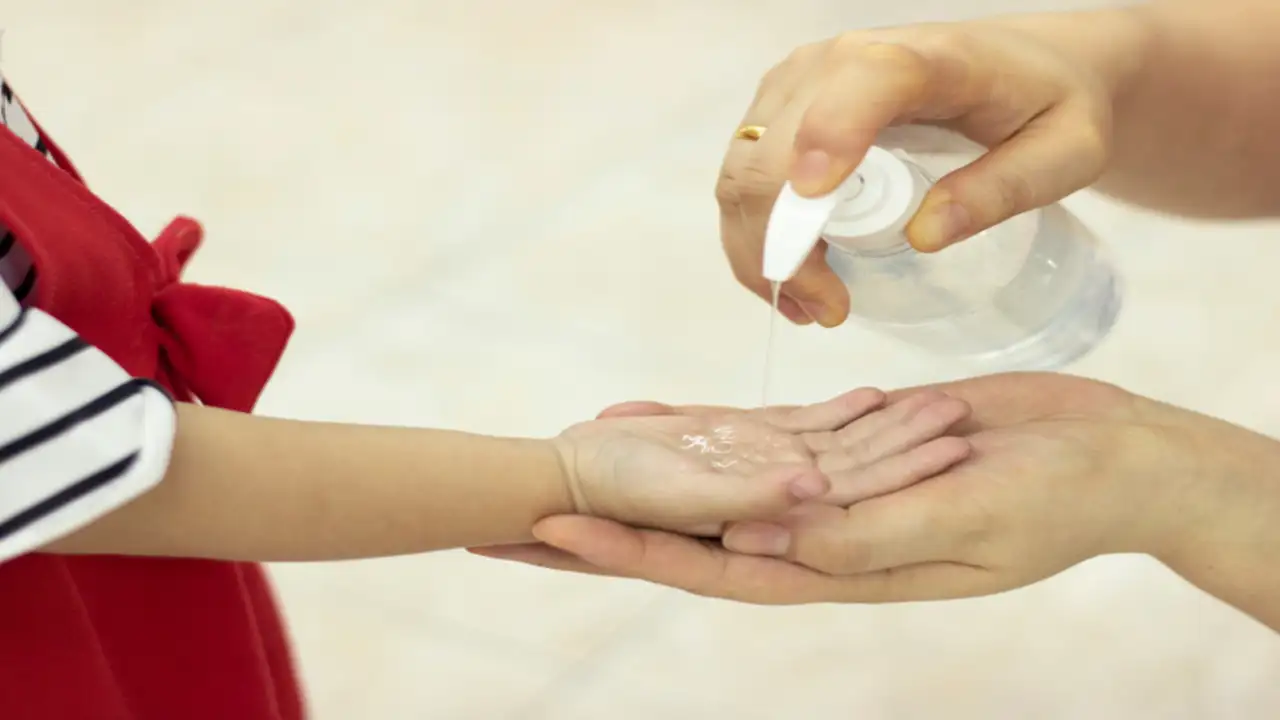
Do this right now
- Take the sanitizer away and move it out of reach.
- Gently wipe their lips and mouth with a soft cloth if there is leftover gel. Do not sweep deep inside the mouth with your fingers, especially if they are upset or biting.
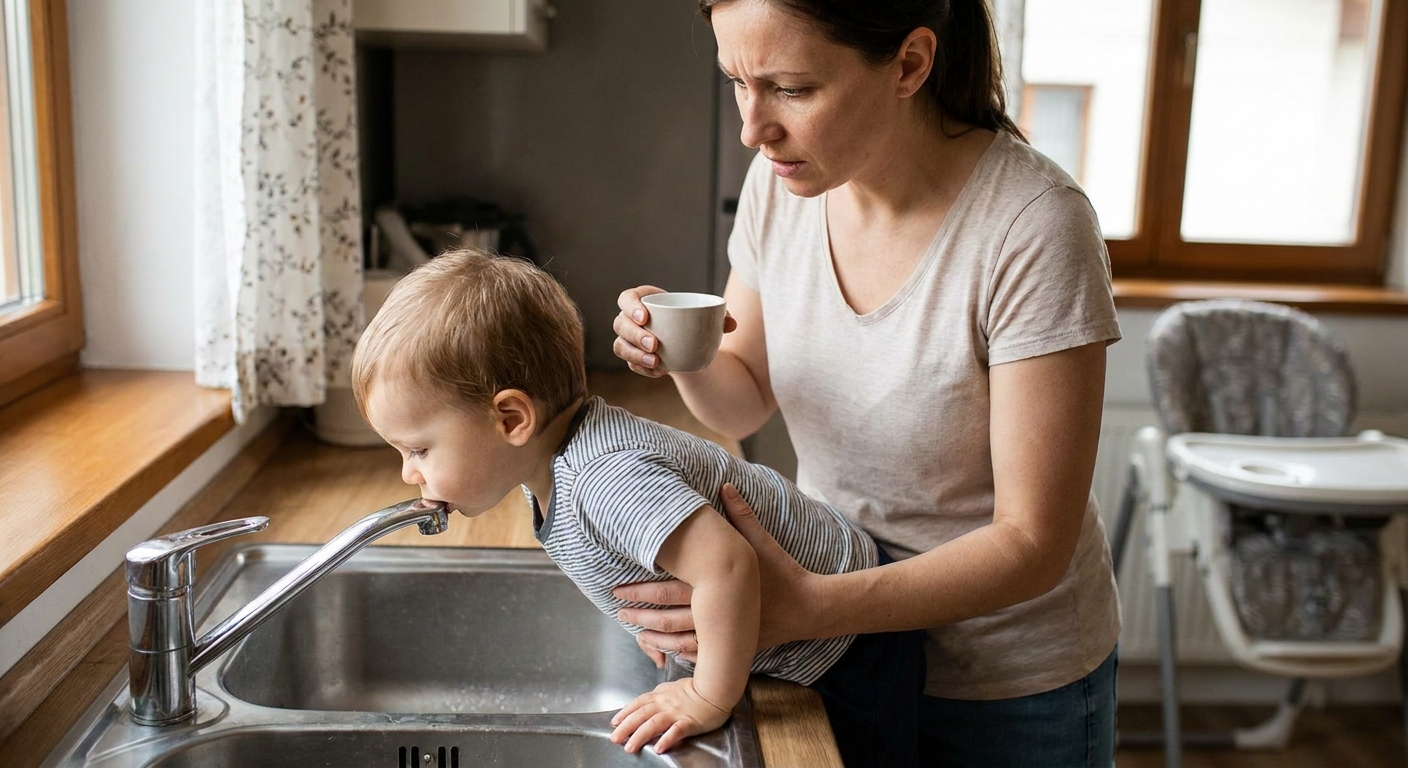
- Offer a few small sips of water if they will cooperate. Spit is great, but toddlers rarely do. If they refuse, do not force it.
- Do not induce vomiting. Hand sanitizer can irritate the throat on the way back up, and vomiting increases choking risk.
- Do not give any “home antidotes” like salt water, vinegar, or activated charcoal unless Poison Control or a clinician specifically tells you to.
- Check the label and keep the bottle with you. Note the product name and whether it contains alcohol (most do) and any other ingredients.
If your child is acting normal and breathing comfortably, you have a moment to gather information and call for expert guidance.
When to call Poison Control
In the US, Poison Control is 1-800-222-1222 (available 24/7). If you are unsure, calling is always the right move. They can tell you exactly what to watch for based on your child’s age and the specific product, without you having to guess.
Call Poison Control right away if:
- Your child swallowed any amount and you are not sure what it was.
- The sanitizer was alcohol-based (ethanol or isopropyl alcohol), which most are.
- Your child is very small, has medical conditions, or takes medications that could make sedation more risky.
- The product contains added ingredients (like essential oils or fragrances) and you do not know how much was swallowed.
- You found an empty bottle, you think they took multiple swallows, or you suspect they also got into something else (medicine, gummies, cleaning products).
What they will ask you
- Your child’s age and approximate weight
- The product name and ingredients (a photo of the label helps)
- About how much they swallowed (a lick, a sip, several gulps)
- When it happened
- Current symptoms (sleepiness, wobbly walking, vomiting, coughing)
If you are outside the US, contact your local poison information service or emergency number.
Go now if you see these signs
Hand sanitizer can act like alcohol in the body. Toddlers can get sick faster than adults, so trust your gut here. Get emergency help immediately if your child has:
- Trouble breathing, choking, persistent coughing, or wheezing
- Seizure
- Fainting, hard to wake, or unusual limpness
- Wobbly walking or acting “drunk”
- Severe sleepiness or confusion that is out of character
- Repeated vomiting or signs of dehydration (very dry mouth, no tears, significantly fewer wet diapers)
- Blue or gray lips or very pale skin
If your child is struggling to stay awake or you cannot keep them safely sitting upright, call 911 or your local emergency number (or go to the nearest ER) rather than waiting on hold.
What to watch at home
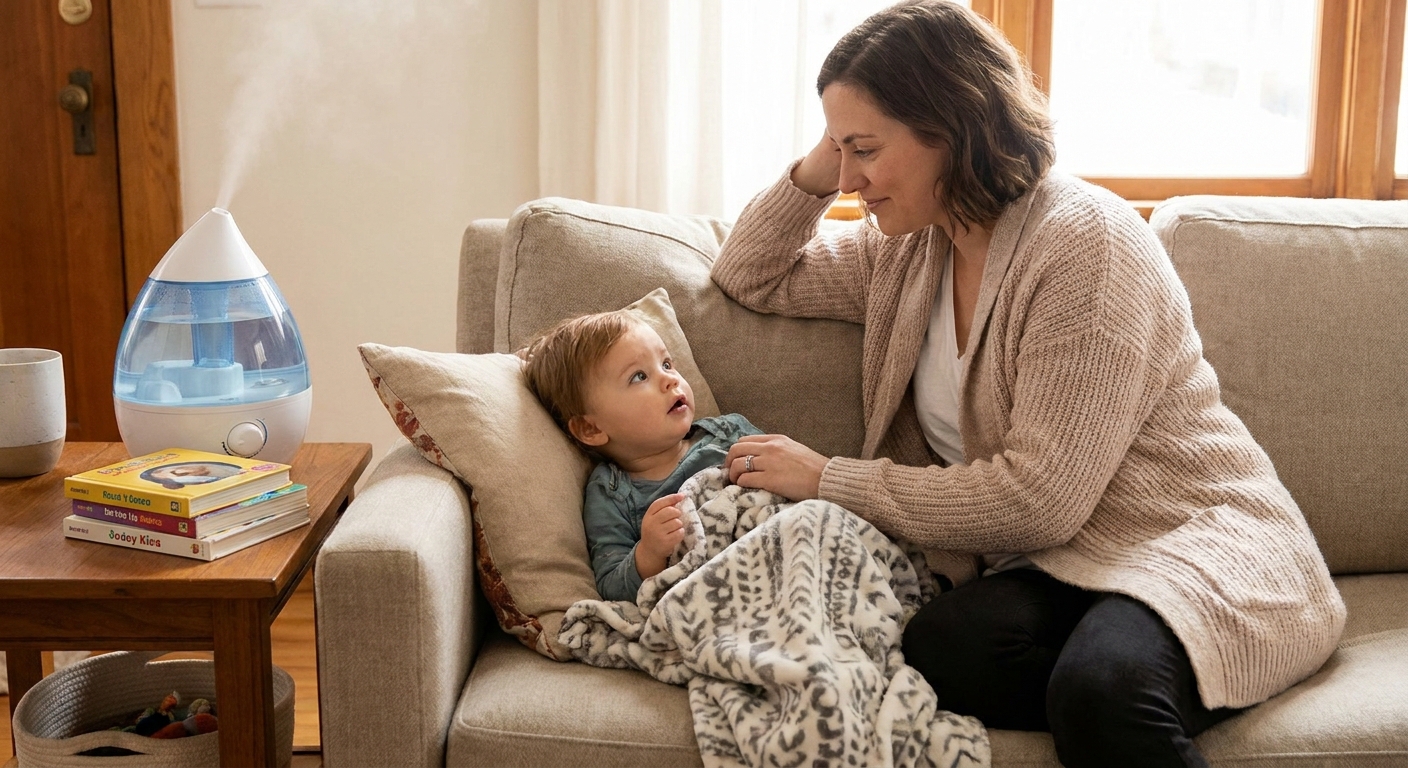
If Poison Control advises home monitoring, keep your child with you and watch closely. Symptoms can include:
- Sleepiness more than usual, especially if it is sudden
- Unsteady movements or clumsiness that is new
- Nausea, stomach pain, or vomiting
- Behavior changes like irritability, confusion, or unusual quietness
Also watch for anything that suggests the gel went down the wrong pipe, like persistent coughing, gagging, or breathing changes.
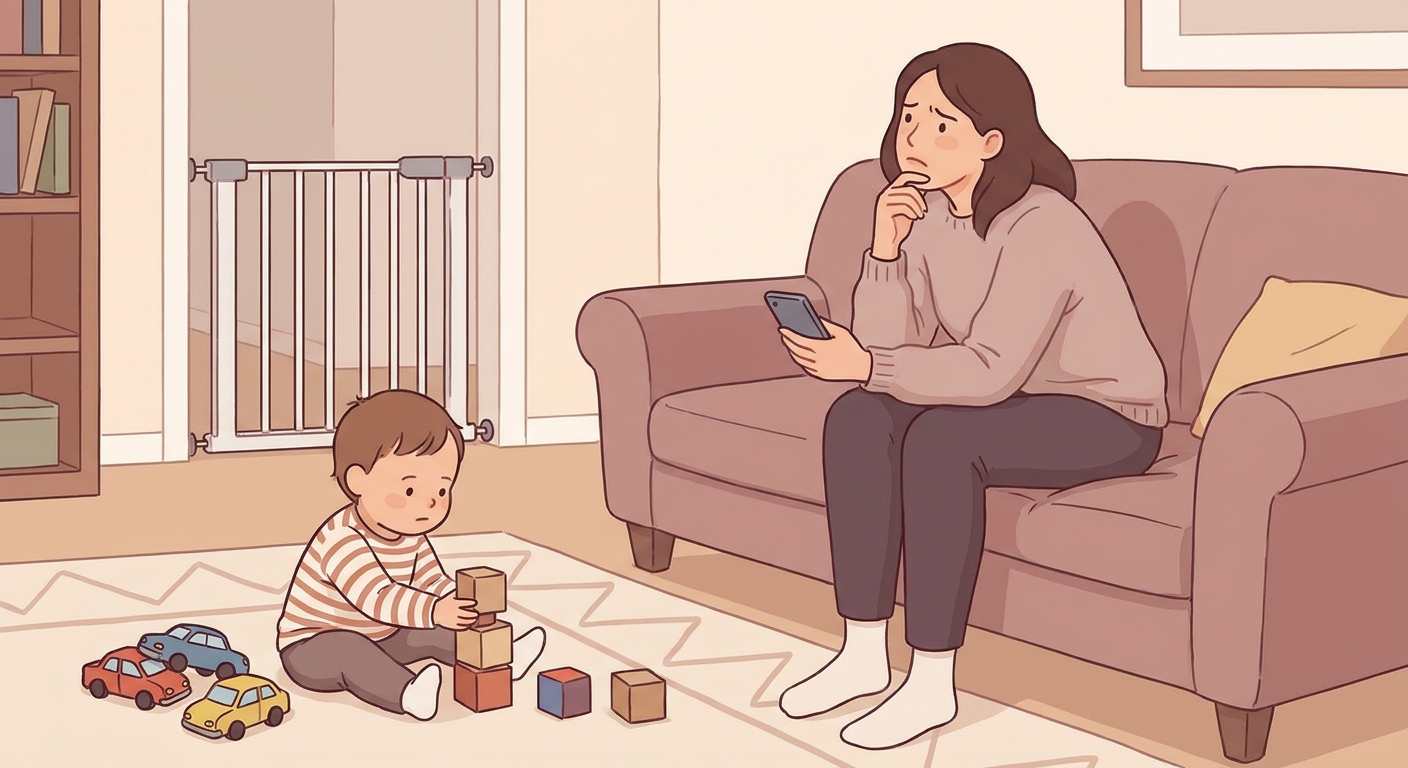
Practical safety tip: if you are worried about intoxication, keep them on the floor with you (not running around stairs or furniture) so a wobbly toddler does not turn into a fall.
What not to do
- Do not make them vomit.
- Do not force large amounts of water, milk, or food. Small sips are fine if they want them, but forcing can trigger vomiting.
- Do not wait for symptoms if your child is acting off. Wobbly, very sleepy, or not themselves is enough reason to call right away.
- Do not rely on online “toxic dose” charts. Products vary, toddlers vary, and you deserve advice specific to your situation.
If it got on skin or in eyes
Skin
Wash with soap and water. Hand sanitizer can cause redness and dryness, especially with repeated exposure. If you see blistering, swelling, or a rash that spreads, call your pediatrician.
Eyes
Eye exposure is very common because toddlers rub their face. Rinse the eye with lukewarm running water. Aim for several minutes of rinsing total, in whatever short bursts your child will tolerate. If there is ongoing pain, trouble opening the eye, or persistent redness after rinsing, call Poison Control or seek urgent care guidance.
What the ER may do
If you are sent in, the team will focus on airway and breathing, vital signs, alertness, hydration, and blood sugar. In my clinic days, we were most concerned when kids were very sleepy, unsteady, vomiting repeatedly, or had other symptoms that made home monitoring unsafe.
Bring the sanitizer bottle or take a clear photo of the front and ingredient list. That helps clinicians and Poison Control identify what is in it and advise appropriately.
How to prevent a repeat
No judgment. These products are everywhere, and many bottles look like something a toddler should squeeze, sniff, and taste.
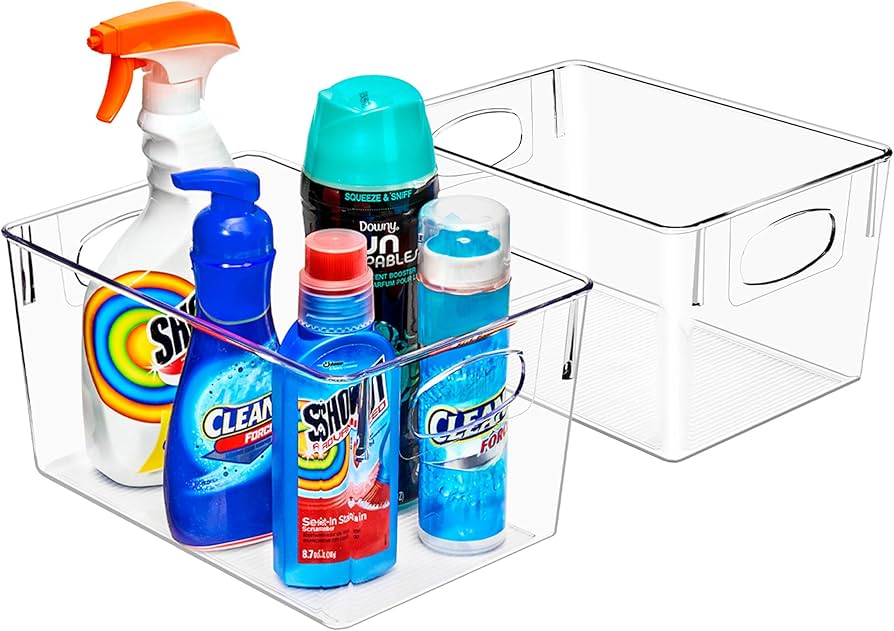
- Store sanitizer up high or in a locked cabinet, just like medication.
- Avoid cute, food-scented products if you have a toddler who mouths everything.
- Use sanitizer yourself, then cap it before you pick up your child or grab groceries.
- Consider pump bottles placed out of reach rather than small travel bottles left in bags and cup holders.
- Teach one simple rule: “Germs go on hands, not in mouths.” Repetition helps, even if it takes 400 tries.
FAQ
My toddler licked sanitizer off their hands. Is that an emergency?
Not always, but it is still worth a quick call to Poison Control if it was alcohol-based or your child is very young, small, or acting unusual. Many kids lick their hands after sanitizer, and most do okay, but you want personalized guidance and clear monitoring instructions.
What if the sanitizer was non-alcohol?
Some products use other antiseptics instead of alcohol, like benzalkonium chloride. Those can still cause stomach upset or irritation, and Poison Control can help you confirm what is in the product and what symptoms matter most.
How long should I watch them?
Follow the timeframe Poison Control gives you for your specific situation. If symptoms develop at any point, especially increasing sleepiness or unsteady walking, call back right away or seek urgent care.
Should I wake my child if they fall asleep?
If it is nap or bedtime and your child is otherwise acting normal, ask Poison Control what they recommend. If your child seems unusually sleepy, hard to rouse, or not right, that is not a normal nap. Treat it as a red flag and get medical advice immediately.
A final triage-nurse pep talk
If you are reading this with a sanitizer bottle in one hand and a toddler in the other, you are not alone. Accidental ingestions happen in good homes with attentive parents, especially in the toddler years. Your job is not to calculate risk in your head at 3 AM. Your job is to keep your child close, watch for wobbly or sleepy behavior, and call Poison Control or emergency services when something feels off.
Sarah Mitchell
Sarah Mitchell is a Registered Pediatric Nurse and a mother of three who has spent over a decade helping families navigate the beautiful, chaotic early years of childhood. She combines evidence-based medical knowledge with real-world parenting experience to offer practical, compassionate advice. At Awesome Parent, Sarah's mission is to help exhausted parents find solutions, trust their instincts, and finally get some sleep.