
A calm, clear guide to spotting a severe allergic reaction in little kids and taking the right first steps: epinephrine, emergency help, and what to watch for.
Using an Expired EpiPen in an Emergency

Sarah Mitchell
Sarah Mitchell is a Registered Pediatric Nurse and a mother of three who has spent over a decade helping families navigate the beautiful, chaotic early years of childhood. She combines evidence-based medical knowledge with real-world parenting experience to offer practical, compassionate advice. At Awesome Parent, Sarah's mission is to help exhausted parents find solutions, trust their instincts, and finally get some sleep.
I still remember a dad sliding into our pediatric clinic lobby, white-knuckling an auto-injector case like it was a winning lottery ticket. His voice was calm but his eyes were not: “It’s expired. Is it useless?”
If you’re asking that question at 2 a.m. while your child is breaking out in hives or starting to wheeze, you don’t need a lecture. You need a plan.
This article is about what to do if the only epinephrine auto-injector you have is past its expiration date during a severe allergic reaction. No dosing info, no complicated medical speak, just clear next steps and how to avoid being stuck in this spot again.
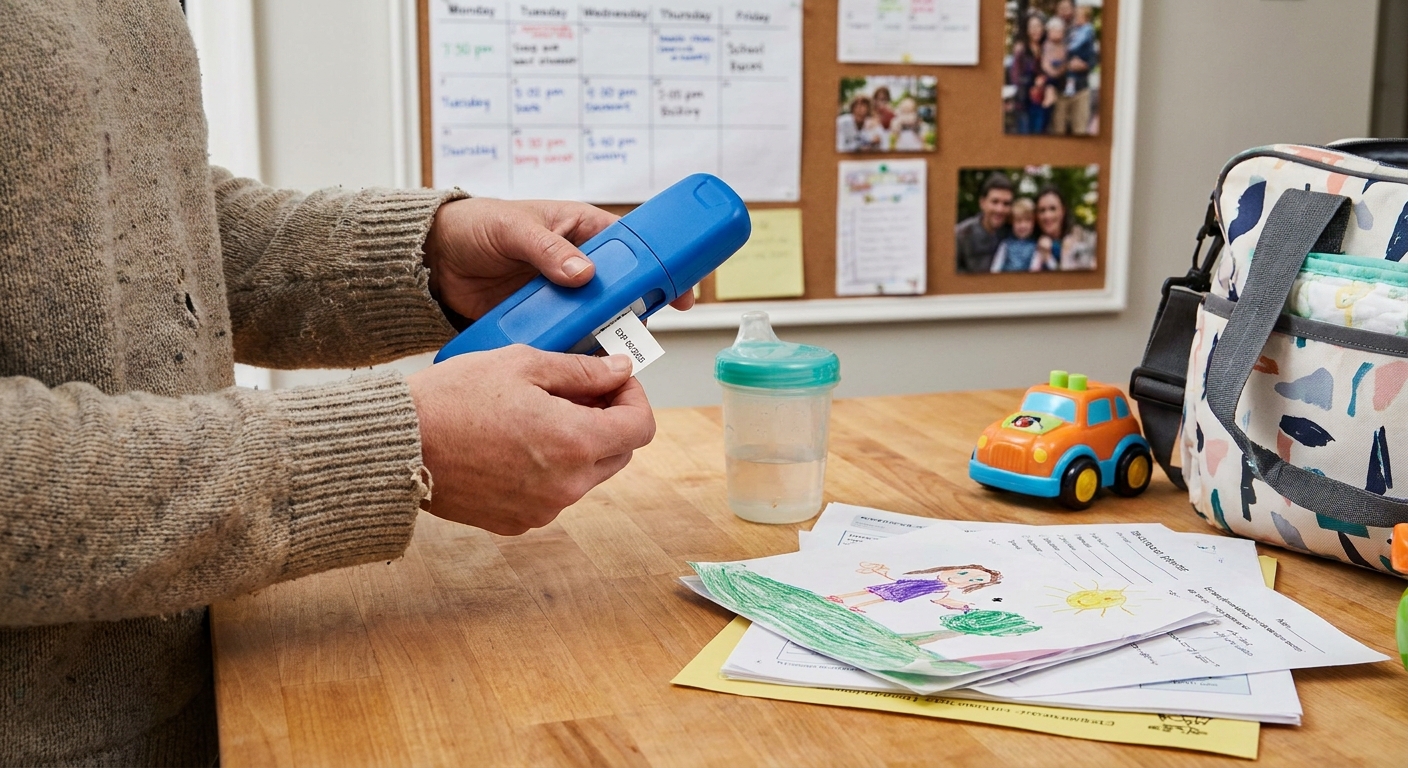
First: treat it like an emergency
If you suspect anaphylaxis, act fast. Anaphylaxis can escalate quickly, especially in babies and toddlers who cannot tell you what they feel.
Call emergency services right away. If you are alone with your child, call on speaker while you help them.
You are calling for two big reasons:
- Anaphylaxis can come back. Symptoms can return after they improve, sometimes hours later.
- Your child may need more treatment and monitoring. Epinephrine is the first-line treatment, but it is not the only care a child may need.
Quick check: is this anaphylaxis?
Parents ask me this all the time because it can look different from kid to kid. A simple way to think about it is:
- Any breathing or throat symptoms after a known or suspected allergen exposure is an emergency.
- Or symptoms in more than one body system (for example: hives plus vomiting, or swelling plus coughing).
Common red flags include:
- Breathing: wheeze, repetitive coughing, shortness of breath, throat tightness, trouble swallowing, voice changes
- Skin: widespread hives, swelling of lips/face/tongue
- Gut: repeated vomiting, severe belly pain
- Circulation/behavior: fainting, gray or very pale color, sudden extreme sleepiness, limp or floppy
If you are on the fence and symptoms are progressing, treat it seriously and get emergency help.
Is an expired auto-injector better than nothing?
In a true, life-threatening allergic reaction, many allergy and pediatric organizations advise using epinephrine right away, even if the only auto-injector available is expired, while you wait for emergency help. The reason is simple: the immediate danger in anaphylaxis is delaying epinephrine.
Here’s the honest reality, in parent language:
- Expired does not automatically mean “empty” or “toxic.” It usually means the manufacturer cannot guarantee full strength through that date.
- It may be weaker. Epinephrine can lose potency over time, especially if stored in heat, cold, or bright light.
- It may still work. Even with some loss of strength, getting some epinephrine on board can matter in an emergency.
If you are hesitating because you are afraid you will “waste” your only injector, please hear me: the risk in anaphylaxis is waiting. The injector you never use helps no one.
Quick check: look at the medication window
Many auto-injectors have a small window where you can see the medication. If you have a few seconds, check it, but do not delay giving epinephrine or calling 911 to inspect the window.
- Clear is what you want. It is often described as colorless to slightly yellow.
- Cloudy, noticeably darker, pink or brown, or with particles are warning signs the medication may have degraded.
Even if it does not look perfect, if your child is showing signs of anaphylaxis and this is what you have, treat it as an emergency and follow your child’s action plan if you have one.

What to do right now
When symptoms are severe, you do not need to solve this alone at home.
1) Use epinephrine if anaphylaxis is suspected
If your child has been prescribed an auto-injector, you were given it for moments like this. If the only one available is expired and your child is showing signs of anaphylaxis, use it rather than waiting for things to get worse.
2) Call 911 (even if symptoms improve)
Epinephrine can wear off, and some children need additional treatment. Paramedics and the ER can monitor breathing, blood pressure, and recurrence of symptoms.
Write down the time you used the injector (or note it in your phone) and tell EMS and the ER.
3) Keep them down and close
If you can, lay your child flat. If they are pale, weak, dizzy, or floppy, staying flat helps support circulation. If vomiting, position them on their side. If they want to sit up to breathe, let them, but do not have them stand or walk. Sudden standing can make fainting or collapse more likely in anaphylaxis.
4) Follow your action plan and dispatcher instructions
If you have an allergy action plan, use it. If symptoms are not improving or return before help arrives, some children need an additional dose. Follow your prescribed plan and the 911 dispatcher’s instructions.
5) Bring every auto-injector you have
Bring every device you have, expired or not, plus the box if you can. Tell EMS and the ER:
- the expiration date
- what the medication looked like (clear, discolored, particles)
- the time it was given
6) Try not to drive if your child is rapidly worsening
In a scary moment, it is tempting to throw everyone in the car. If symptoms are severe or progressing, emergency responders can treat on the way and support your child’s airway if needed.
If you are in a situation where EMS is unavailable or delayed, follow your local emergency guidance. The priority is getting urgent medical care as quickly and safely as possible.
Why you still go to the ER
One of the most common misunderstandings I hear is: “They look fine now, so we can stay home.” I get it. After the adrenaline rush and tears, everyone wants to crawl back into bed.
But medical observation matters because:
- Symptoms can return. A second wave can happen after initial improvement.
- Breathing issues can reappear. Wheezing and throat symptoms can fluctuate.
- Your child may need more than one intervention. The ER can provide oxygen, fluids, inhaled medications, and other supportive care as appropriate.
Think of epinephrine as the emergency brake, not the full repair.
What not to do
- Do not “wait and see” if your child has concerning symptoms like trouble breathing, repetitive coughing, voice changes, significant swelling, widespread hives with vomiting, or acting unusually sleepy or limp.
- Do not rely on antihistamines as the main treatment for anaphylaxis. They can help itching and hives, but they do not reliably treat airway swelling or shock.
- Do not assume an expired device is safe to keep using routinely. It is a last-resort tool, not a plan.
- Do not store auto-injectors in a hot car, glove box, or freezing temperatures. Temperature extremes speed up breakdown.
Replacing expired auto-injectors fast
Once the immediate crisis is handled, replacing the device becomes priority number one. Families are often surprised by how many steps are involved, so here is how I suggest tackling it.
Call the prescriber the same day
Ask for a new prescription and request two devices (or the number your child’s plan recommends) so you have backup for home and on-the-go.
Ask the pharmacy what is actually in stock
Supply varies. If your pharmacy is out, ask them to check nearby locations or call around yourself. This is one of those times when being politely persistent pays off.
Ask about manufacturer savings programs or insurance alternatives
Prices can be wild. Your child’s clinician or pharmacist may be able to suggest a covered brand or a generic option depending on availability and your insurance.
Replace every out-of-date device
If you have an expired one at home and one at school, replace both. In real life, the reaction never happens next to your freshest injector.
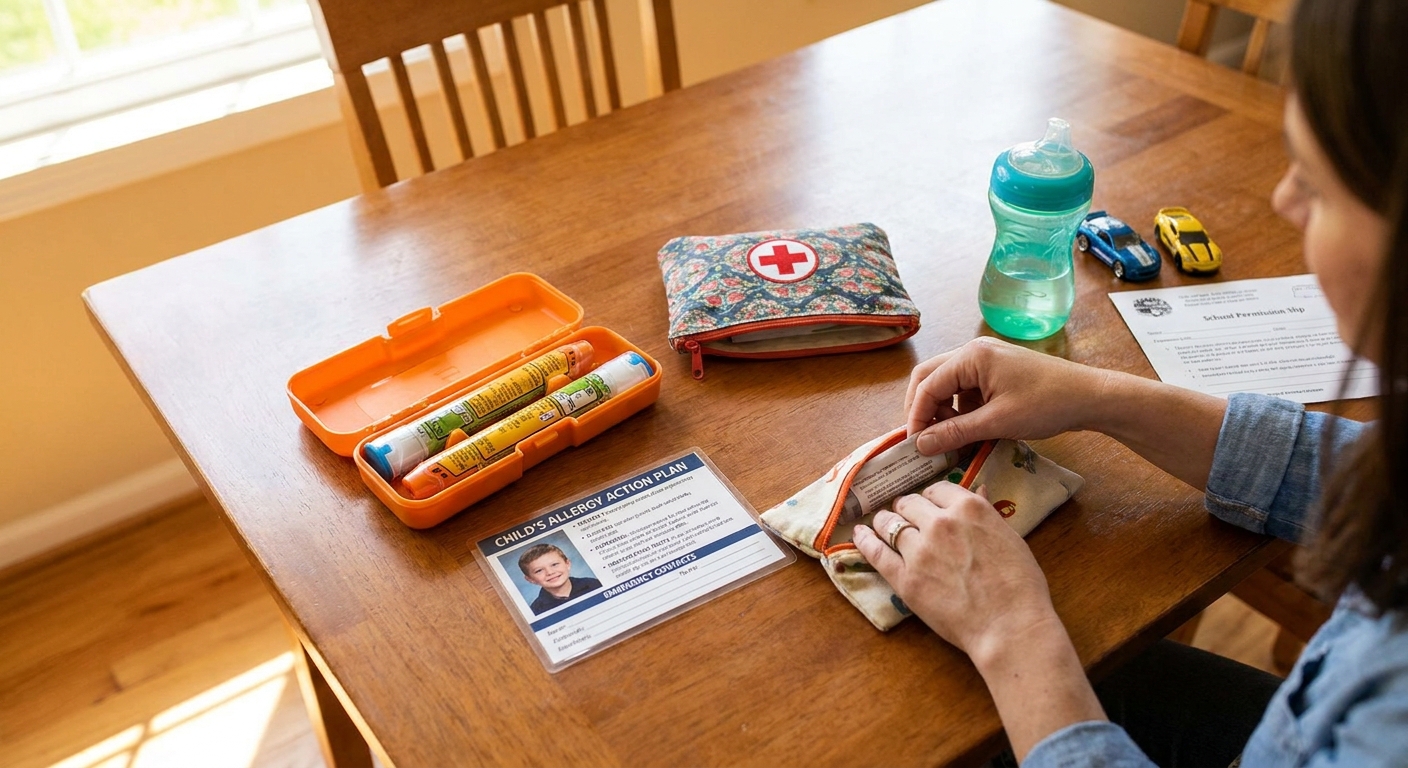
How to prevent this next time
I say this with zero judgment because I have three kids and a calendar full of good intentions: expired auto-injectors happen. Here are systems that actually work in real households.
- Set two reminders: one 60 days before expiration and one 30 days before. Refills can take time.
- Make “where we keep it” painfully consistent: same bag, same pocket, every day. Consistency beats memory.
- Do a monthly visual check: expiration date and medication window.
- Tell every caregiver where it is: grandparents, babysitters, coaches, school staff. Practice the sentence: “It’s in the side pocket of the blue backpack.”
- Keep devices at stable room temperature: not in the car, not next to a heater, not in direct sun.
What to do with expired auto-injectors
Once you have replacements, do not just toss expired auto-injectors into the kitchen trash.
- Ask your pharmacy if they take back sharps or expired medications.
- Use a community medication take-back program if available in your area.
- If you must dispose at home, follow your local guidance for sharps disposal. Many areas recommend a puncture-resistant container and specific drop-off rules.
If you are ever unsure, your pharmacist is a great first call.
FAQ
Can an expired auto-injector fail completely?
Yes, it can. The medication may be less potent. Also, while it is less common, devices can malfunction, especially if they have been exposed to heat, freezing, or physical damage. That is why replacing it before expiration is so important. In a true emergency, treat the reaction as an emergency and use what you have while calling 911.
If my child only has hives, is that anaphylaxis?
Not always. Hives alone can be mild, but hives plus other symptoms like vomiting, coughing, wheezing, swelling, voice changes, or behavior changes can signal something more serious. If you are unsure and symptoms are progressing, treat it seriously and get emergency help.
Is it okay to keep expired injectors as “backup”?
Some families keep an expired device temporarily while waiting for a refill, clearly marked as expired, but it should not replace having in-date devices. If you decide to keep one short-term, store it properly and prioritize getting a current prescription filled as soon as possible.
What if I used an expired injector and it didn’t seem to help?
Call 911 immediately if you have not already. Lack of improvement is a red flag that your child needs urgent medical support.
A final word from a pediatric nurse and a mom
If you are reading this because you found an expired auto-injector in the back of a diaper bag, welcome to the club of normal, overwhelmed parents. The goal is not perfection. The goal is having a working plan and acting fast when it matters.
If your child is having a severe allergic reaction and the only auto-injector available is expired, treat it as an emergency, use epinephrine if anaphylaxis is suspected, and call 911. Then, once the dust settles, replace your devices and set up a system that makes expiration dates harder to miss.
Sarah Mitchell
Sarah Mitchell is a Registered Pediatric Nurse and a mother of three who has spent over a decade helping families navigate the beautiful, chaotic early years of childhood. She combines evidence-based medical knowledge with real-world parenting experience to offer practical, compassionate advice. At Awesome Parent, Sarah's mission is to help exhausted parents find solutions, trust their instincts, and finally get some sleep.