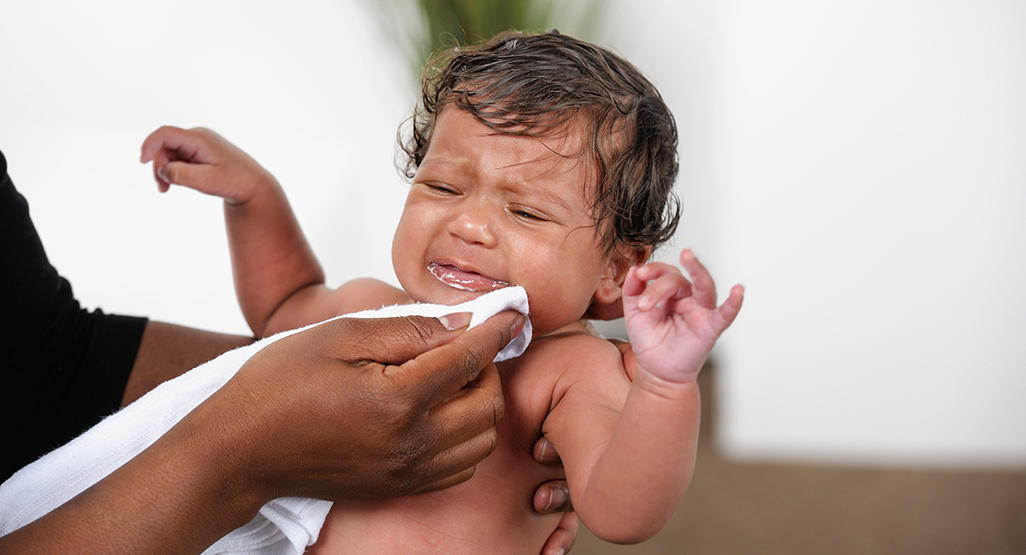
Hives, swelling, vomiting, delayed reactions like FPIES, eczema flares, and anaphylaxis can show up after a new food. Here’s how to tell allergy vs intoler...
Wheat Allergy in Toddlers

Sarah Mitchell
Sarah Mitchell is a Registered Pediatric Nurse and a mother of three who has spent over a decade helping families navigate the beautiful, chaotic early years of childhood. She combines evidence-based medical knowledge with real-world parenting experience to offer practical, compassionate advice. At Awesome Parent, Sarah's mission is to help exhausted parents find solutions, trust their instincts, and finally get some sleep.
If you are staring at your toddler’s snack cup wondering why a few crackers turned into a rash, a bellyache, or a dramatic vomiting episode, you are not alone. Wheat is everywhere, and the internet loves to lump wheat allergy and celiac disease together like they are the same thing. They are not. And that mix-up can lead to the wrong tests, the wrong plan, and a lot of unnecessary stress.
As a pediatric nurse and a mom who has cleaned up more surprise puke than I care to admit, my goal is simple: help you recognize what wheat allergy can look like, where wheat sneaks in, and how to keep your child safe at home and school without turning every meal into a fear-fest.

Wheat allergy vs celiac disease
Both wheat allergy and celiac disease can cause stomach symptoms after eating foods that contain wheat. That overlap is why parents often get stuck in the same spiral: “Is this a wheat allergy or is it celiac?”
What a wheat allergy is
A wheat allergy is an immune reaction to wheat proteins. In many kids it is an IgE-mediated food allergy, which can cause quick reactions like hives, swelling, vomiting, coughing, or wheezing. Reactions are often within minutes to 2 hours after eating (and sometimes a bit longer, depending on the child and the food).
Some kids have non-IgE patterns too. One that gets missed a lot is FPIES (food protein-induced enterocolitis syndrome). FPIES can cause delayed, repetitive vomiting (often around 1 to 4 hours after eating) and can look scary. It usually does not come with hives or wheezing, which is why families get told “maybe it’s a stomach bug” more than once.
What celiac disease is
Celiac disease is an autoimmune condition triggered by gluten (a protein found in wheat, barley, and rye). Instead of causing hives or swelling, celiac damages the lining of the small intestine over time. Symptoms can be subtle, chronic, and confusing.
Why the symptoms overlap
Here is the common “toddler symptom soup” that can happen with either:
- Stomach pain
- Bloating and gassiness
- Diarrhea or constipation
- Vomiting (often more immediate with IgE allergy, more delayed with FPIES)
- Poor appetite
- Irritability and sleep disruption (because discomfort loves an audience at 2 AM)
The biggest clue is often timing and symptom type. IgE allergy reactions are usually quick. Celiac symptoms are often more chronic, weeks to months, and tied to growth or nutrient issues.
Wheat allergy symptoms
Parents commonly expect an allergy to look like hives and anaphylaxis. Sometimes it does. But toddlers can present in messy, mixed ways.
Symptoms that can look GI-only
- Vomiting after eating wheat (especially if it happens more than once with wheat-containing foods)
- Stomach cramps or sudden belly pain after meals
- Diarrhea soon after exposure
- Refusing food or acting suddenly distressed during or right after meals
These can mimic celiac, lactose issues, “just a virus,” or toddler picky eating. The pattern matters: if it repeats with wheat exposures, it deserves evaluation.
One more helpful clue: if vomiting is delayed and repetitive (think 1 to 4 hours later, multiple rounds, sometimes with paleness or limpness), ask your clinician specifically about FPIES in addition to classic IgE allergy.
Skin clues that point away from celiac
- Hives (raised, itchy welts that come and go)
- Swelling of lips, eyelids, face, or ears
- Itching in the mouth or throat
- Flushing
- Eczema flares after eating certain foods (not diagnostic on its own, but can be part of the picture)
Celiac can be associated with rashes, but classic celiac is not known for immediate hives and swelling right after a food.
Breathing and circulation symptoms
These symptoms are not typical of celiac and should raise concern for an allergic reaction:
- Coughing, wheezing, noisy breathing
- Hoarse voice or trouble swallowing
- Repetitive throat clearing after eating
- Looking pale, limp, or unusually sleepy
- Fainting or acting “out of it”
If your child has breathing symptoms or seems unwell in a whole-body way after eating wheat, that is a medical priority, not a wait-and-see situation.
Epinephrine basics
This is one of the most stressful parts for families, so let’s make it clear and practical. Always follow your child’s clinician-provided allergy action plan and local emergency guidance, even if it differs from general advice online.
When epinephrine is the right call
Epinephrine (an auto-injector like EpiPen or Auvi-Q) is used for anaphylaxis, which is a severe, potentially life-threatening allergic reaction. It is not reserved for “only if they stop breathing.” It is used when symptoms suggest the reaction is affecting breathing or circulation, or involving more than one body system.
Common reasons clinicians recommend epinephrine right away include:
- Any breathing trouble (wheezing, repetitive coughing, shortness of breath)
- Throat symptoms (tightness, trouble swallowing, hoarse voice)
- Swelling of tongue or lips, especially if progressing
- Widespread hives plus vomiting or significant belly pain
- Weakness, fainting, pale/blue color, or acting very lethargic
After epinephrine is given, you still need emergency evaluation because symptoms can come back.
What about symptoms that seem “just GI”?
Some toddlers have vomiting or diarrhea without hives. That can still be allergic, and sometimes it can still be severe. But a single episode of mild stomach discomfort without other symptoms may not meet anaphylaxis criteria. This is where your written plan matters so you are not forced to guess.
If your child has a known wheat allergy and develops significant vomiting after exposure, follow the action plan your allergist gave you. If you do not have a written plan yet, ask for one. It takes the guesswork out of scary moments.
If you are ever debating “Is this bad enough?”, that is a sign to err on the side of safety and seek urgent medical care. Anxiety is not the enemy here. Uncertainty is.
Hidden wheat
Wheat is a common ingredient in toddler foods because it is cheap, convenient, and helps foods hold their shape. The surprise is how often it shows up in places you would not expect.
Common snacks with wheat
- Crackers and pretzels
- Goldfish-style snacks
- Granola bars and cereal bars
- Pancake and waffle freezer bites
- Chicken nuggets and fish sticks (breading)
- Meatballs and veggie patties (binders)
- Some fries (coatings)
- Some flavored chips (seasoning blends)
- Cookies and snack cakes
Sneaky places wheat shows up
- Soy sauce (many brands contain wheat)
- Gravies and thickened sauces
- Broths and seasoning packets
- Processed deli meats (fillers or shared lines)
- Ice cream mix-ins like cookie chunks
- “Crispy” coatings on anything from onions to chicken
Label reading and cross-contact
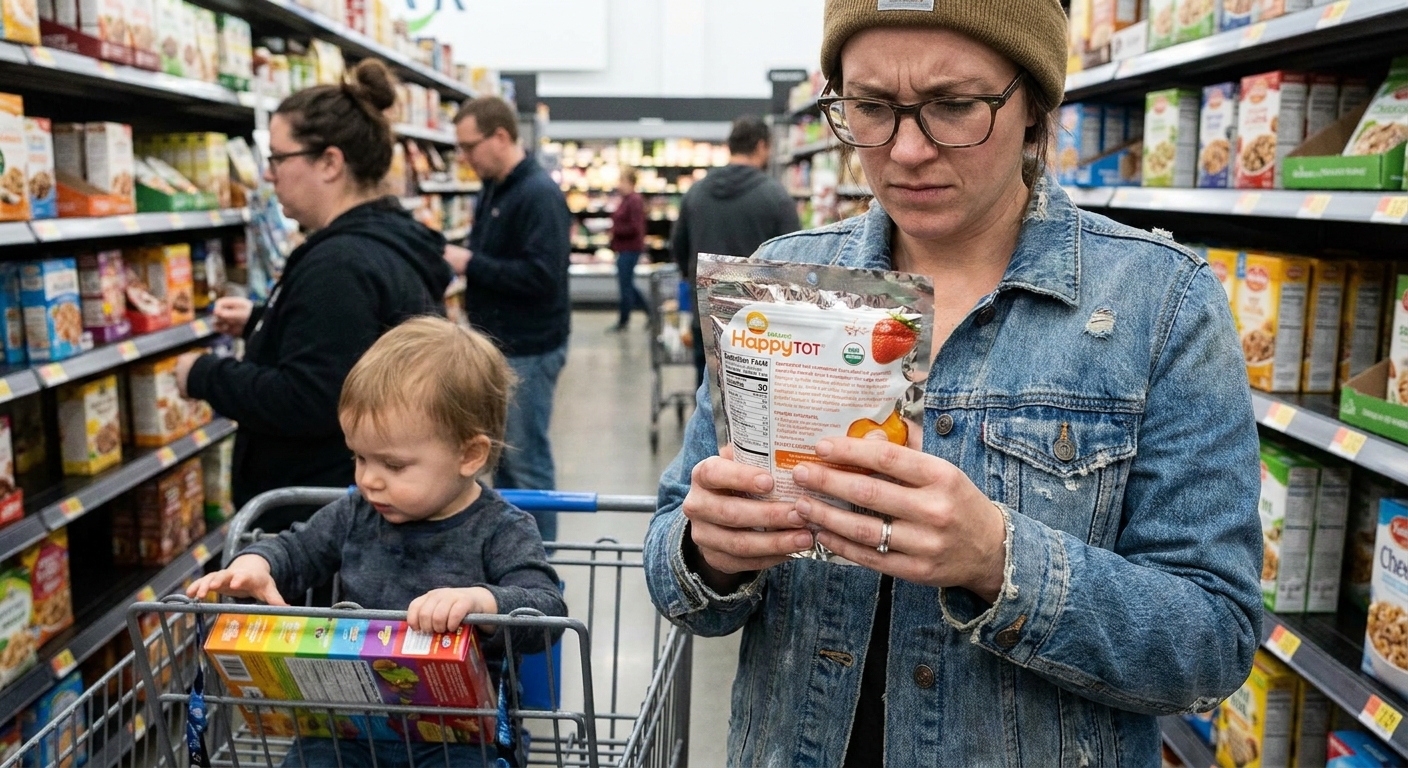
Reading labels gets easier with practice, but it is still exhausting. If you are newly diagnosed, start by focusing on your child’s “daily rotation” foods first.
- Packaged food label tip (U.S.): wheat is a required top allergen and must be listed clearly on most packaged food labels. If you live outside the U.S., labeling rules vary, so ask your allergist or local allergy organization what to look for.
- Watch for cross-contact: shared toasters, cutting boards, waffle irons, and classroom tables can hold “mystery crumbs.” Clean surfaces and use separate utensils for your child when possible.
- “May contain” statements (or “made in a facility with”) are voluntary in many places. They are not the same as an ingredient list, but they can matter for kids who react to tiny amounts. Ask your allergist what level of avoidance makes sense for your child.
Play-dough and sensory play
Many classic play-dough recipes and some store-bought doughs are made with wheat flour. For kids with wheat allergy, this matters because toddlers explore with their whole bodies, including their mouths.
Why it can be a problem
- Toddlers put dough-covered fingers in their mouths
- Dough residue gets on tables, high chairs, and toys
- Kids rub eyes and faces after play
Some children may get localized hives or skin irritation from contact, while others react after accidental ingestion.
Safer strategies
- Ask daycare or preschool what dough they use and whether wheat-free options are allowed
- Provide a wheat-free dough alternative if needed
- Wash hands and wipe surfaces after sensory play, even if your child did not eat it
If your child has a history of severe reactions, discuss non-food exposures with your allergist so your school plan matches your child’s real risk.

School and daycare tips
Wheat-free lunches can feel intimidating because so many kid staples are wheat-based. The goal is not perfection. The goal is repeatable safe meals and a clear plan with caregivers.
Step 1: Get a written plan
If your child has an IgE-mediated wheat allergy, ask your clinician or allergist for a written plan for school that covers:
- Common symptoms for your child
- When to give antihistamine (if advised)
- When to give epinephrine
- When to call emergency services
- Where auto-injectors are stored and who is trained
Step 2: Pick safe staples
Pick a few lunch components you can rotate:
- Protein: turkey roll-ups (check labels), beans, cheese, yogurt, egg muffins
- Carbs: rice, quinoa, corn tortillas (verify wheat-free), potatoes
- Fruit and veg: whatever your child will reliably eat
- Crunch: popcorn for older toddlers when age-appropriate, rice crackers, labeled wheat-free chips
Pack extra snacks so teachers are not scrambling if another kid brings cupcakes.
Step 3: Plan for crumbs
- Send wipes if the classroom allows them for table cleaning
- Teach handwashing before and after eating
- Ask how the school handles shared snacks, birthday treats, and cooking projects
- Ask about sensory tables and shared play materials (like play-dough)
Step 4: Keep it simple
In real classrooms, long instructions get missed. A one-page action plan plus a quick conversation is usually more effective than a novel.
Testing and diagnosis
This is where many families get mixed messages, because the right test depends on what the symptoms suggest.
Testing for IgE wheat allergy
When a reaction is quick and allergy-like, clinicians often consider:
- Skin prick testing
- Serum specific IgE blood testing
- A careful history of timing and symptoms
- In some cases, a supervised oral food challenge with an allergist
No test is perfect on its own. Your story is a huge part of the diagnosis.
When FPIES is considered
If symptoms are mainly delayed vomiting (often 1 to 4 hours after eating), sometimes with paleness, sleepiness, or diarrhea later, your clinician may consider FPIES. Diagnosis is based heavily on history, and some children need a supervised food challenge to confirm it. Management and emergency plans can look different than classic IgE allergy, so it is worth naming directly.
When celiac testing moves up the list
Clinicians often think about celiac disease when symptoms are more chronic and growth-related, such as:
- Ongoing diarrhea or constipation without clear immediate reactions
- Poor weight gain or falling off the growth curve
- Chronic belly pain and bloating
- Iron deficiency anemia or other nutrient concerns
- Fatigue, irritability, or delayed growth
- Family history of celiac disease or certain autoimmune conditions
Celiac screening is typically done with specific blood tests. Important detail: your child usually needs to be eating gluten regularly for celiac tests to be accurate. Do not start a gluten-free diet before discussing testing with your pediatrician or a pediatric gastroenterologist, unless you have been instructed to for safety reasons.
What if a child has both concerns?
It is possible for a child to have an IgE wheat allergy and also have celiac disease, but it is not the usual scenario. If your child has immediate reactions and chronic symptoms like poor growth, talk with your care team about evaluating both in a thoughtful order, based on safety.
Other look-alikes
Two other terms you might run into:
- Non-celiac gluten sensitivity: symptoms triggered by gluten without celiac antibodies or intestinal damage. In kids, it is considered a diagnosis of exclusion, so clinicians usually rule out celiac and wheat allergy first.
- Wheat-dependent exercise-induced anaphylaxis: rare, and usually seen in older kids, teens, and adults. Symptoms happen when wheat plus exercise (and sometimes heat or illness) combine. Not a typical toddler issue, but it is one reason allergists ask detailed timing questions.
What to do next
If you are early in this journey, here is a calm, practical next step list.
1) Write down what happened
- What food was eaten and how much
- How soon symptoms started
- Exactly what symptoms you saw (skin, breathing, GI, behavior)
- What you gave (antihistamine, inhaler) and what happened next
2) Call your pediatrician
If symptoms were mild, call during office hours and ask whether allergy referral is appropriate. If symptoms were severe, seek urgent care and ask about allergy follow-up.
3) Avoid wheat with guidance
If you suspect an IgE-mediated wheat allergy, avoiding wheat is reasonable while you wait for evaluation. But you also want a plan that is accurate and sustainable, because overly broad restriction can cause nutrition stress fast in toddlers.
4) Ask about epinephrine
If there were any breathing symptoms, significant swelling, or repeated vomiting with lethargy or paleness, ask whether your child should have an epinephrine auto-injector and a school action plan.
5) Consider nutrition support
If wheat is removed from your child’s diet, ask whether a referral to a pediatric dietitian makes sense. Fiber, iron, and B vitamins can take a hit when you remove common wheat foods, and it helps to have an easy plan.
When to get urgent help
Go to emergency care or call emergency services if your toddler has any of the following after eating wheat or a suspected wheat-containing product:
- Trouble breathing, wheezing, or repetitive coughing
- Swelling of the tongue or lips, or trouble swallowing
- Widespread hives, especially with vomiting or belly pain
- Looks pale, limp, faint, or unusually sleepy
- Any reaction that is rapidly getting worse
Trust your gut. You do not need to “wait for it to be dramatic” to get help.
Will they outgrow it?
Many children with IgE-mediated wheat allergy do outgrow it during childhood, but the timeline varies a lot. Your allergist can track progress with history, testing, and sometimes supervised food challenges. If you are waiting for that day, you are in good company.
A quick word of reassurance
Wheat allergy can feel like it hijacks your whole day at first. With a solid diagnosis, a clear plan, and a few go-to safe foods, most families find their rhythm. You do not have to become an ingredient detective overnight. Start with the basics, tighten up the high-risk spots like snacks and play-dough, and let your child’s care team help you build a plan that fits your real life.
Sarah Mitchell
Sarah Mitchell is a Registered Pediatric Nurse and a mother of three who has spent over a decade helping families navigate the beautiful, chaotic early years of childhood. She combines evidence-based medical knowledge with real-world parenting experience to offer practical, compassionate advice. At Awesome Parent, Sarah's mission is to help exhausted parents find solutions, trust their instincts, and finally get some sleep.