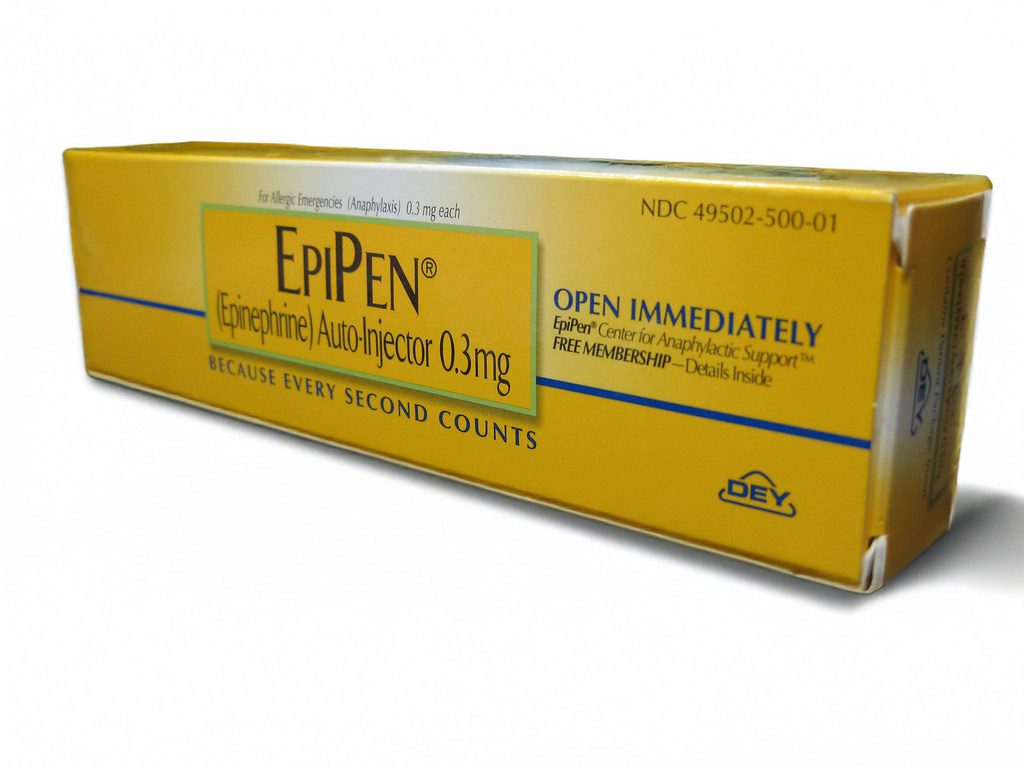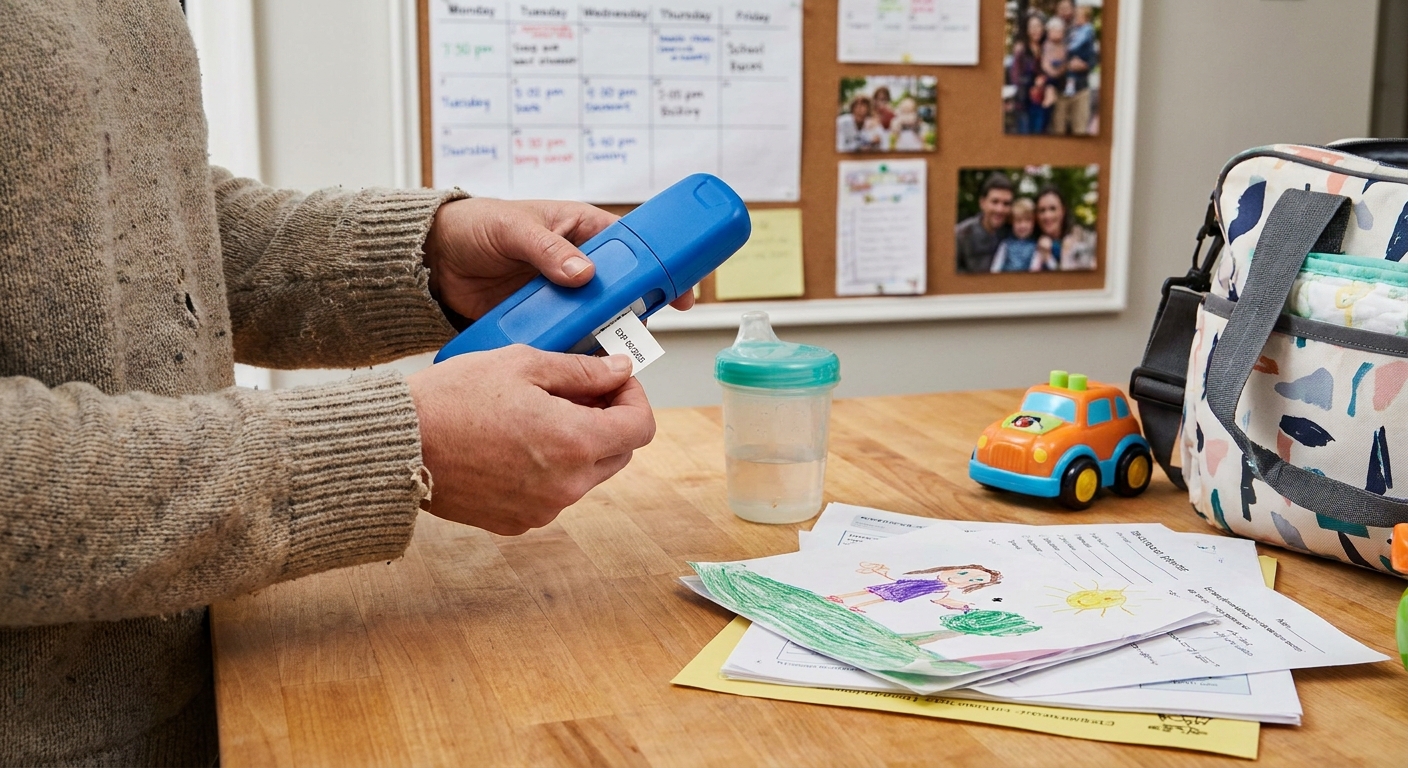
A calm, clear guide to spotting a severe allergic reaction in little kids and taking the right first steps: epinephrine, emergency help, and what to watch for.
Which EpiPen Dose for a Toddler? Weight Guidance for Auto-Injectors

Sarah Mitchell
Sarah Mitchell is a Registered Pediatric Nurse and a mother of three who has spent over a decade helping families navigate the beautiful, chaotic early years of childhood. She combines evidence-based medical knowledge with real-world parenting experience to offer practical, compassionate advice. At Awesome Parent, Sarah's mission is to help exhausted parents find solutions, trust their instincts, and finally get some sleep.
There are few parenting moments that spike your adrenaline like hearing, “My toddler has a food allergy, and we need an EpiPen.” I’ve had those conversations as a pediatric triage nurse and as a mom, and I can tell you this: it is completely normal to feel unsure about which dose your child needs, especially if they are hovering right around the weight cutoff.
This article will walk you through how epinephrine auto-injector strengths are matched to weight, what to discuss with your child’s allergist, and how to make sure every adult in your child’s world can use the device quickly and confidently.
First, a safety note
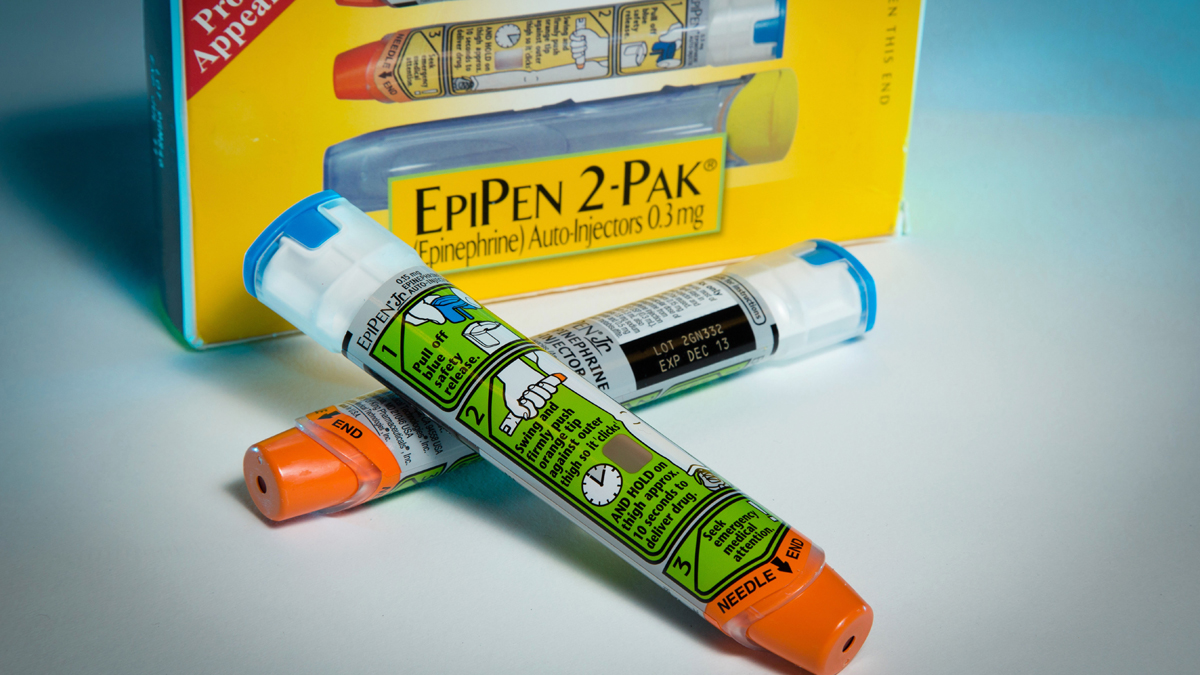
I can explain the usual weight guidance and the questions to ask, but I cannot prescribe a device or dose for your child. Always follow your allergist’s or pediatrician’s specific plan, and use the auto-injector you were prescribed.
If you think your child is having anaphylaxis, use epinephrine immediately and call 911. Waiting to “see if it gets worse” is one of the most common and most dangerous delays I saw in clinic.
How doses match to weight
Epinephrine is dosed by weight in medical settings. Auto-injectors simplify that into a few fixed doses so caregivers can treat fast without measuring anything.
In the US, the most common epinephrine auto-injector strengths you will hear about are:
- 0.1 mg: available in certain brands only (for example, Auvi-Q 0.1 mg). It is commonly labeled for smaller children in the 7.5 to 15 kg range, which is about 16.5 to 33 pounds.
- 0.15 mg: commonly labeled for children who weigh about 33 to 66 pounds (about 15 to 30 kg).
- 0.3 mg: commonly labeled for people who weigh 66 pounds or more (about 30 kg+).
Important: exact labeling and availability vary by brand and sometimes by country. Read the label on your device, and follow your clinician’s plan.
Also important: not every brand offers every dose. Some families are prescribed a 0.15 mg device even when their child is below 33 pounds because the 0.1 mg option is not available to them, not covered, or not what the clinician prefers for that specific situation. This is exactly why the “near the cutoff” conversation matters.
Near a cutoff: ask this
Toddlers do what toddlers do. They grow in sudden spurts, refuse dinner for three days, then wake up hungry like they are training for something.
These are the questions I recommend bringing to your next visit, especially if your child is within a few pounds of a cutoff:
- What is my child’s current weight in pounds and kilograms? (Dosing labels and medical references often use kg.)
- Which dose do you recommend right now, and why? Ask them to explain their reasoning for your specific child, including allergy history and risk level.
- When should we switch to the next dose? Some clinicians prefer switching at a specific weight, others build in a buffer. You want a clear number and a plan.
- Do we need a new prescription as soon as they cross that weight? Sometimes families wait until the next refill and sometimes the clinician wants the new strength immediately.
- What does “two doses” mean for my child? Most action plans recommend carrying two auto-injectors because a second dose may be needed if symptoms continue or return before EMS arrives.
- Do you recommend any particular device for small kids? Needle length, trainer availability, voice prompts, and insurance coverage can vary.
If you have a home scale, it can also help to weigh your toddler before the appointment and again the day of. Not to obsess, just to avoid surprises.
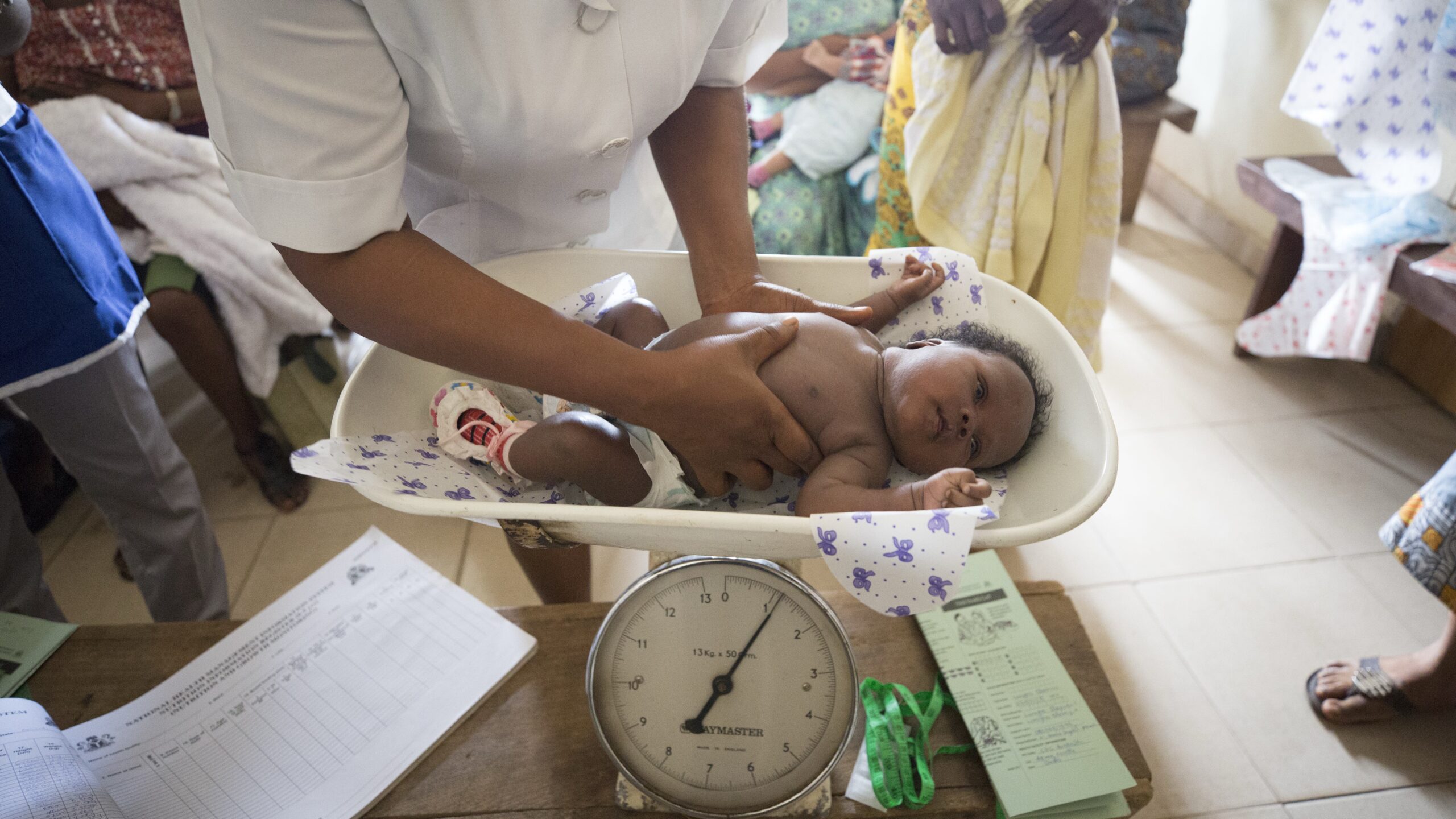
If your toddler is under 33 pounds
This is where confusion often spikes, because you may hear “EpiPen Jr is for 33 pounds and up,” but you may also meet families whose smaller child has been prescribed a 0.15 mg device.
Here is the practical, non-scary way to think about it:
- The best auto-injector is the one you have, and you can use quickly. In anaphylaxis, epinephrine is the lifesaving medication, and delays are a bigger problem than imperfect dosing.
- There is a smaller 0.1 mg option in some brands. If your toddler is in that lower weight range, ask whether that dose is appropriate and available to you.
- Some clinicians choose 0.15 mg for certain smaller toddlers. This is a medical decision based on the child’s situation and what products are accessible. Your allergist can walk you through the benefits and tradeoffs.
If you leave the visit still feeling uneasy, it is okay to say, “Can you explain that one more time in plain language?” I promise you will not be the first parent to ask.
How to use it: the basics
Specific steps vary a little by brand, so always read the instructions that come with your device and practice with the trainer. Hold times and steps can differ and they have changed over time, so do not rely on memory or a video you watched two years ago.
Where it goes
Inject into the outer mid-thigh. In an emergency, it can go through clothing.
How to hold your toddler still
This is the part no one puts on the pamphlet: toddlers are wiggly, and you are stressed.
- If possible, have your child lying down or seated firmly in your lap.
- Stabilize the leg with your hand behind the thigh or around the knee so they cannot jerk away.
- Give the injection and keep the device in place for the recommended number of seconds listed for your brand.
Then what?
- Call 911 right away (or have someone else call while you give the injection).
- Tell dispatch you gave epinephrine for anaphylaxis and note the time.
- If your child is pale, dizzy, or very weak, keep them lying down and consider raising legs slightly if they tolerate it. If they are vomiting or struggling to breathe, keep them in a position of comfort. When in doubt, follow your action plan and EMS instructions.
- If symptoms are not improving or return, a second dose may be needed. Follow your child’s action plan.

When to use epinephrine
Parents often tell me, “I didn’t want to overreact.” I get it. But epinephrine is the first-line treatment for anaphylaxis, and it is safer to treat early than to wait until a child is crashing.
Your allergist will give you a written plan, but in general, use epinephrine if your child has:
- Breathing symptoms (wheezing, repetitive cough, trouble breathing, hoarse voice, tight throat, trouble swallowing, drooling with distress)
- Circulation symptoms (pale, floppy, faint, suddenly very lethargic, weak pulse)
- Two or more body systems involved after exposure or likely exposure (for example hives plus vomiting, or swelling plus coughing)
- Severe symptoms after a known allergen exposure, even without hives
Many toddlers do not read the textbook. Some have vomiting first. Some have coughing first. If your gut says “this is escalating,” trust that instinct and follow the plan.
Daycare and babysitters
My goal for families is always the same: make the right thing the easy thing. If a caregiver has to hunt for supplies or second-guess themselves, time is lost.
Make a simple kit
- Two in-date auto-injectors
- Your child’s allergy action plan from the allergist
- Any other meds your clinician recommends (for example antihistamine), clearly labeled
- Emergency contacts
- A small photo of your child (helpful in busy classrooms)
Keep the kit in a consistent, accessible location that staff can grab fast, not locked away in an office no one can access.
Do a 5-minute hands-on practice
I used to do this in exam rooms all the time. It works.
- Show them the device and the trainer.
- Have them practice once or twice using the trainer.
- Confirm they know: outer thigh, hold steady, call 911.
- Ask who calls 911 and who stays with your child. Assign roles.
Make the “when” crystal clear
Caregivers often freeze because they are waiting for certainty. Give them permission in writing: “If you suspect anaphylaxis, give epinephrine and call 911.” Your action plan usually states this clearly.

Storage and real-life tips
- Keep it with your child. Epinephrine does not help from the car or the kitchen drawer at home.
- Avoid extreme heat and cold. Do not store it in a hot car or let it freeze.
- Check the viewing window. If the solution looks discolored, cloudy, or has particles, replace it per the package instructions and your pharmacist’s guidance.
- Set calendar reminders for expiration dates and refills.
- Have duplicates. Many families keep one set at school and one set that travels with the child, depending on school policy and your clinician’s recommendations.
- Teach “safe but not secret.” As toddlers become preschoolers, you can say, “This is your special medicine for emergencies. Grown-ups use it.”
If it misfires into a finger
This is a common caregiver fear, and it is worth saying out loud: if someone accidentally injects epinephrine into a finger or hand, it can reduce blood flow to that area. Get urgent medical help right away, and you can also call Poison Control at 1-800-222-1222 for immediate guidance while help is on the way.
After you use it
Even if your child looks better quickly, they still need urgent medical evaluation after epinephrine for a possible anaphylactic reaction. Symptoms can return later, and clinicians will want to monitor breathing, blood pressure, and response to treatment.
If you can, bring the used device with you or tell EMS the exact brand and dose you gave, plus the time.
Quick FAQ
Do toddlers always need 0.1 mg?
Not always. Many toddlers are prescribed 0.1 mg when they are in that lower weight range, but some are prescribed 0.15 mg based on product availability and clinician judgment. Your allergist should help you decide what is best for your child and when to switch.
Is it dangerous if I give epinephrine and it is not anaphylaxis?
Epinephrine can cause temporary effects like a fast heartbeat, shakiness, or anxiety. In healthy children, it is generally well tolerated. The much bigger danger is not giving epinephrine when anaphylaxis is happening. Always follow your clinician-provided action plan.
Should I give antihistamine first?
Antihistamines can help hives and itching, but they do not treat airway swelling or shock. For anaphylaxis, epinephrine comes first.
How many auto-injectors should daycare have?
Most action plans recommend having access to two doses. Ask your allergist what they want for your child and confirm your daycare’s medication policy.
Does the brand matter?
Sometimes. Devices can differ in size, voice prompts, needle length, and how long you hold them in place. Whatever you carry, practice with the trainer for that specific device.
The bottom line
Toddler epinephrine dosing is weight-based, but the real world is messy and kids grow fast. If your child is near a cutoff, the right move is not to guess. It is to ask your allergist for a clear plan: which device now, the exact weight to switch, and how many to keep at home and at childcare.
And then practice. In an emergency, you do not rise to the occasion. You fall back on what you have rehearsed. Even one quick run-through with the trainer can make you faster, calmer, and more confident if the day ever comes.
Sarah Mitchell
Sarah Mitchell is a Registered Pediatric Nurse and a mother of three who has spent over a decade helping families navigate the beautiful, chaotic early years of childhood. She combines evidence-based medical knowledge with real-world parenting experience to offer practical, compassionate advice. At Awesome Parent, Sarah's mission is to help exhausted parents find solutions, trust their instincts, and finally get some sleep.