Worried about meningitis? Here are age-specific warning signs in infants and toddlers, how fast symptoms can change, and when to seek emergency care immediat...
Bacterial vs Viral Meningitis in Kids: Spread, Care, and Recovery

Sarah Mitchell
Sarah Mitchell is a Registered Pediatric Nurse and a mother of three who has spent over a decade helping families navigate the beautiful, chaotic early years of childhood. She combines evidence-based medical knowledge with real-world parenting experience to offer practical, compassionate advice. At Awesome Parent, Sarah's mission is to help exhausted parents find solutions, trust their instincts, and finally get some sleep.
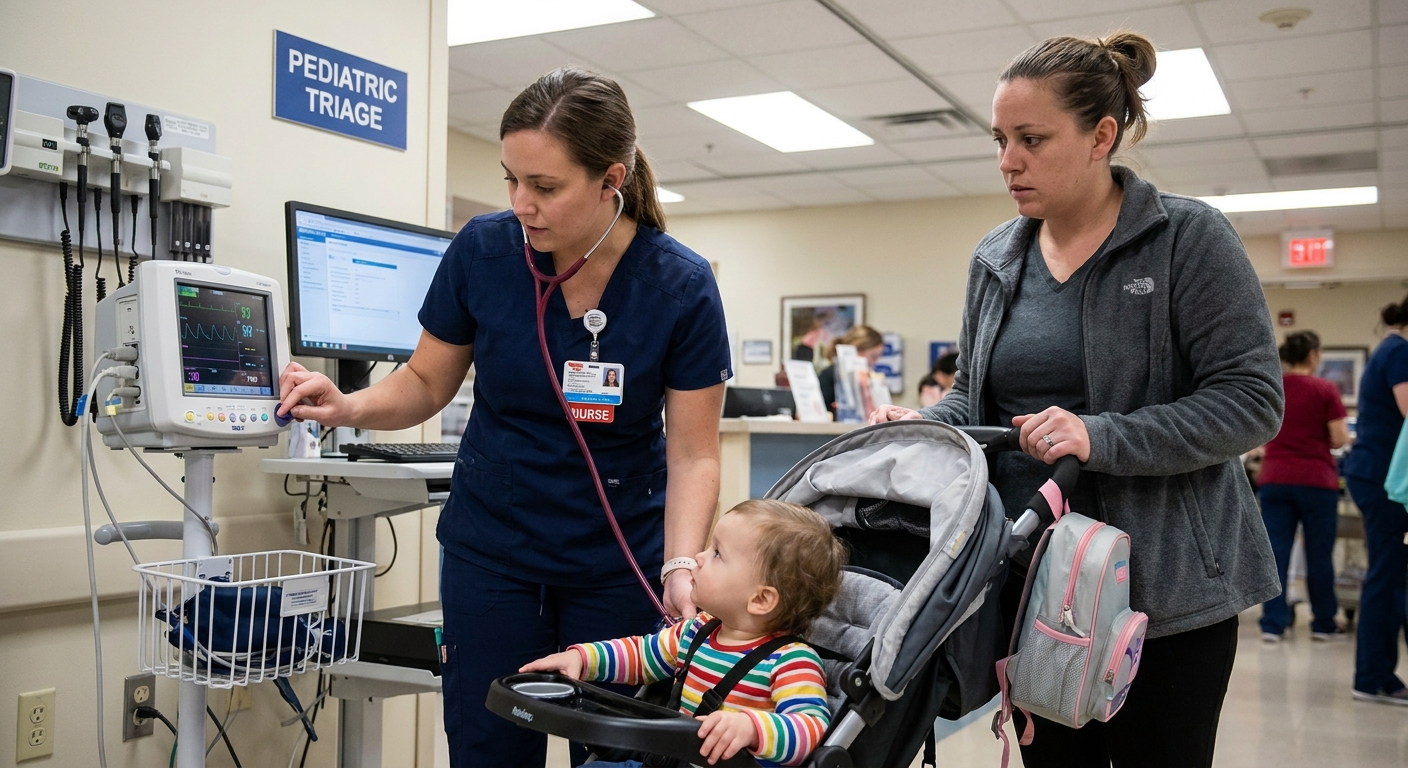
When I worked triage in a pediatric clinic, few words made parents go pale faster than “meningitis”. And I get it. Your brain immediately jumps to worst-case scenarios, plus the practical panic of, “Is everyone else in our house at risk?”
This article is for the moment when meningitis is suspected or confirmed and you are trying to understand what happens next. We will focus on how bacterial and viral meningitis differ in spread to close contacts, treatment choices, typical hospital course, and recovery monitoring. (If you are looking for vaccine schedule guidance, head to our existing MenACWY vs MenB page.)
First: what “meningitis” means
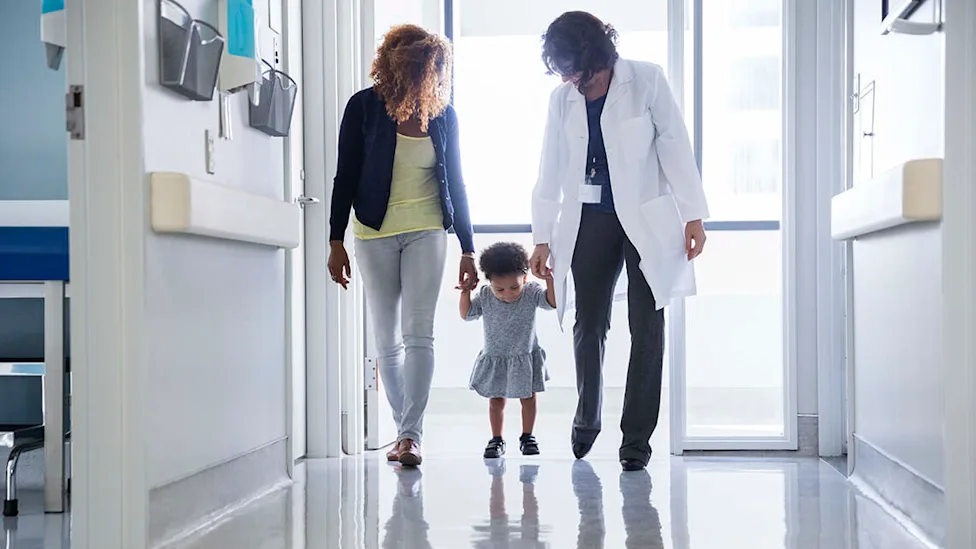
Meningitis is inflammation of the lining around the brain and spinal cord. In kids, it is most often caused by viruses or bacteria.
In certain higher-risk situations, clinicians may also consider other causes (like fungal or tuberculosis-related infections), especially in newborns, immunocompromised children, or specific travel and exposure histories. The evaluation is designed to cast a wide enough net to keep kids safe.
Viral and bacterial meningitis can look similar early on, which is why clinicians often treat suspected meningitis very seriously until testing clarifies what type it is.
- Viral meningitis is more common and is often less severe, though it can still be miserable and sometimes requires hospitalization.
- Bacterial meningitis is less common but can become life-threatening quickly and needs urgent antibiotics.
How it spreads
This is the part parents ask about immediately, and the answer depends on the germ causing the meningitis, not just the word “meningitis.”
Viral meningitis: spread like many common viruses
Viral meningitis is often caused by viruses that spread through everyday kid routes such as respiratory droplets, saliva, or stool, depending on the virus (for example, enteroviruses are often fecal-oral).
One important clarification I tell families: people do not usually “catch meningitis” from casual contact. They catch the underlying virus. Many exposed contacts might get a mild cold or stomach bug, and only a small number develop meningitis.
What you can expect families to be advised to do:
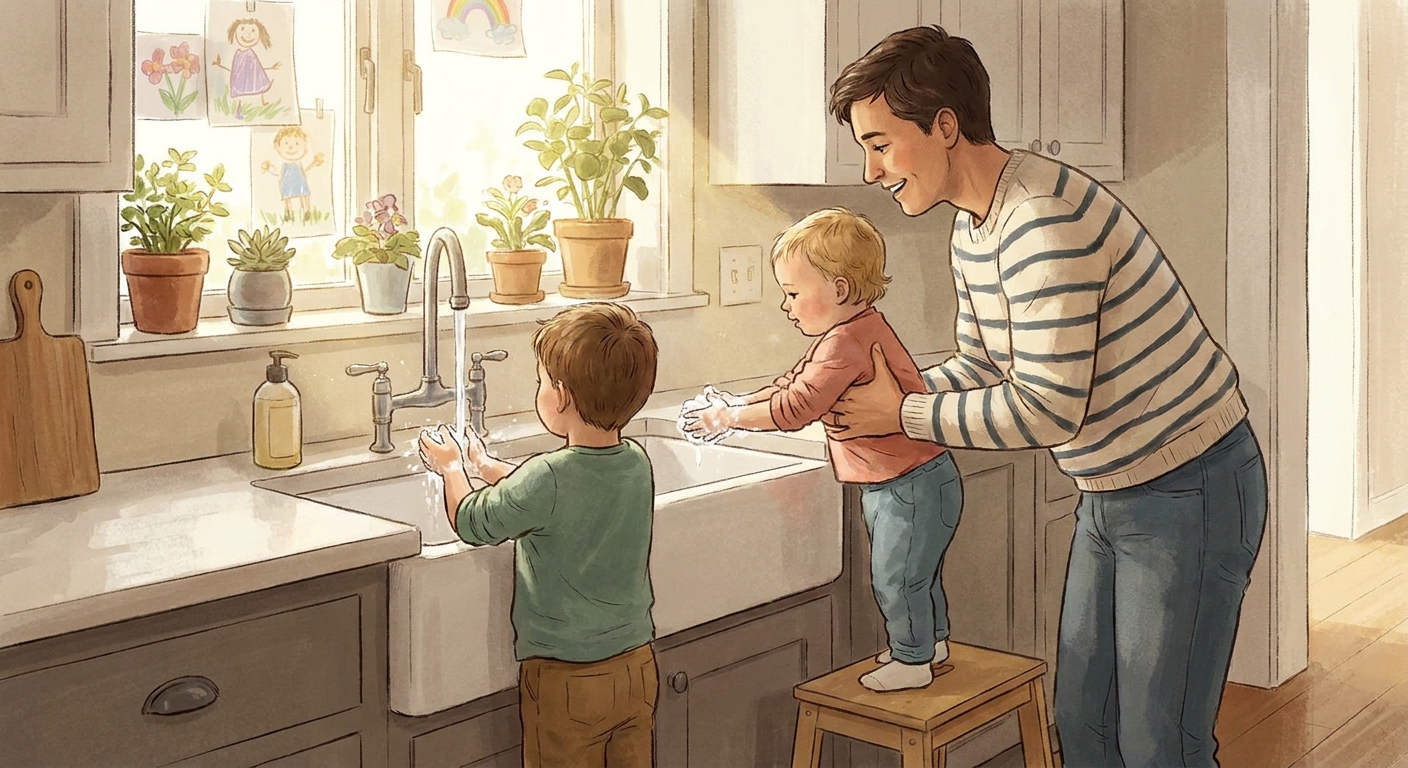
- Be extra strict about handwashing, especially after diapering and before meals.
- Avoid sharing cups, utensils, and toothbrushes.
- Follow your child’s discharge instructions on when to return to school or daycare.
Bacterial meningitis: sometimes needs meds for contacts
Some causes of bacterial meningitis can spread to close contacts through respiratory secretions. The big one parents hear about is meningococcal disease (caused by Neisseria meningitidis), which can spread between people in close quarters.
If clinicians suspect or confirm certain bacteria, public health guidance may recommend prophylaxis for close contacts. That means giving medication to people who were at higher risk of catching the bacteria from your child, such as:
- Household members
- Daycare contacts in some situations
- Anyone with direct exposure to oral secretions (for example, kissing, sharing drinks, or mouth-to-mouth resuscitation)
Concrete anchors that help parents:
- Meningococcal meningitis: close contacts typically do need prophylaxis.
- Hib (Haemophilus influenzae type b): close contacts may need prophylaxis in certain household or childcare situations, especially if there are under-immunized children in the home or group. Your clinician or health department will decide based on your exact situation.
- Pneumococcal meningitis: close contacts typically do not need prophylaxis.
Important nuance: not every case of bacterial meningitis triggers prophylaxis for contacts. It depends on the specific bacteria identified (or suspected) and the closeness of exposure. Your hospital team or local health department will guide you.
Why antibiotics are not for both
Parents often ask, “Why not just give antibiotics anyway, just in case?” In the hospital, clinicians sometimes do start antibiotics immediately when bacterial meningitis is possible. But once testing points clearly to a viral cause, antibiotics are usually stopped.
Antibiotics treat bacteria, not viruses
Antibiotics work by targeting structures and processes bacteria have, like cell walls and bacterial ribosomes. Viruses are built differently and replicate using our own cells, so antibiotics do not stop them.
Unneeded antibiotics can cause real downsides
- Side effects: diarrhea, rash, yeast infections, allergic reactions.
- Resistance: the more we use antibiotics when we do not need them, the less effective they become when we truly do.
- Gut effects: antibiotics can disrupt the gut microbiome and commonly cause diarrhea or other GI upset. Longer-term microbiome effects are an active area of research, especially in younger kids.
So what treats viral meningitis?
For most viral meningitis, treatment is supportive care: fluids, fever and pain control, nausea management, and close monitoring.
In some specific viral cases, an antiviral medication may be used (for example, when herpes viruses are suspected). The care team decides based on your child’s age, symptoms, and test results.
Hospital course
Hospital care varies by your child’s age, how sick they are, and what the team suspects at the start. But there are some common steps.
Step 1: testing to sort bacterial vs viral
Depending on the situation, the team may use a combination of:
- Blood tests to look for inflammation and to culture for bacteria
- Urine testing in infants (because infections can overlap)
- Swabs for common respiratory viruses
- Lumbar puncture (spinal tap) to test cerebrospinal fluid (CSF), which is key for diagnosing meningitis and identifying the cause
- CSF PCR testing (often as part of a meningitis/encephalitis panel, where available) to more quickly detect certain viruses and bacteria
- Imaging (sometimes) if there are concerns about complications or other diagnoses
Step 2: early treatment often starts fast
If bacterial meningitis is a possibility, clinicians typically start:
- IV antibiotics right away
- IV fluids if your child is dehydrated or not drinking well
- Medications for fever and pain
In some protocols and age groups, the team may also give steroids (like dexamethasone) early in suspected or confirmed bacterial meningitis. This is mainly to help reduce inflammation-related complications (including hearing loss risk in certain situations). Whether it is used depends on your child’s age, suspected organism, and timing.
Step 3: monitoring and where your child needs to be
Some kids can stay on a regular pediatric floor. Others may need a higher level of monitoring (PICU) if there are concerns about breathing, circulation, seizures, or significant changes in alertness.
Common in-hospital monitoring includes:
- Vital signs (often more frequently at first)
- Fluid intake and output (including diapers for babies)
- Neurologic checks (how alert they are, how they respond, comfort level)
- Repeat labs or cultures if needed
Who gets admitted and who might go home
This varies a lot by age and risk level, but in general, a child is more likely to be admitted if they are very young (especially infants), appear ill or hard to wake, cannot keep fluids down, have concerning vital signs, have seizures, or have CSF results that keep bacterial meningitis on the table.
Some older, stable kids with reassuring exams and testing may be observed for a period in the emergency department or hospital and then discharged with close follow-up. The deciding factors tend to be: how your child looks clinically, whether they can drink, and whether the team feels confident it is safe to stop or avoid IV antibiotics.

Length of stay
Viral meningitis
Many children with viral meningitis improve over days and may go home once they are drinking well, pain is controlled, and the team is confident a bacterial cause is unlikely. Some cases are managed at home with close follow-up, depending on age and severity.
Bacterial meningitis
Bacterial meningitis usually requires IV antibiotics in the hospital, often for a longer stretch. The exact length depends on the bacteria involved, your child’s age, how quickly treatment began, and whether there are complications.
Your clinicians will talk you through the plan, including whether antibiotics must stay IV the entire time and what milestones they want to see before discharge.
Recovery at home
Once you are home, the goal is two-fold: help your child steadily regain strength and catch any recovery bumps early. I tell parents to think of it like a slow battery recharge after a big illness.
What is normal during recovery
- Fatigue: extra naps, early bedtimes, lower stamina
- Headache or body aches: gradually improving
- Appetite changes: picky eating for a bit is common
- Mood shifts: more clingy, more irritable, more emotional
Recovery is not always linear. It is common to see a better morning and a rougher afternoon, especially the first week home.
What you are monitoring
- Hydration: steady wet diapers or bathroom trips, tears when crying, moist mouth
- Comfort: pain that is manageable and improving, not escalating
- Fevers: follow your discharge plan about when fever is expected versus concerning
- Function: your child slowly returning to their baseline for walking, talking, eating, playing, and sleep
When to seek urgent care
Call your clinician urgently or go back to the emergency department if your child develops:
- Worsening headache, especially if it is severe or not responding to the plan you were given
- Repeated vomiting or inability to keep fluids down
- New confusion, unusual sleepiness, hard-to-wake behavior, or a major change in how they act
- Seizure activity
- Breathing trouble, blue or gray color, or signs of poor circulation
- New rash that spreads quickly, especially if it looks purple or bruise-like
- Stiff neck with worsening fever or severe light sensitivity
- Signs of dehydration (very dry mouth, much less urine, no tears when crying, sunken soft spot in infants)
Follow-up matters more than parents expect
After meningitis, follow-up is not just a formality. Your child’s clinician may recommend:
- A recheck visit to confirm steady improvement
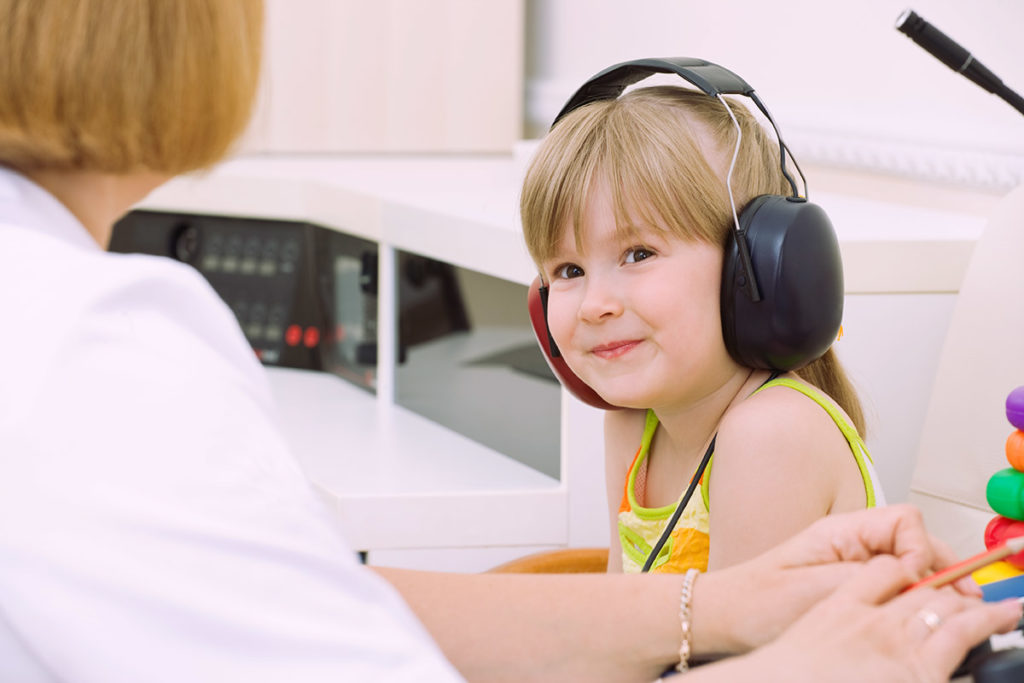
- Hearing screening, especially after bacterial meningitis, and occasionally in other situations if symptoms or the course raise concern
- Developmental monitoring in infants and toddlers to ensure milestones stay on track
- Neurology follow-up if there were seizures, abnormal neurologic findings, or lingering symptoms
Possible longer-term effects
Most children recover well, but the risk of complications is not the same.
Viral meningitis outcomes
Viral meningitis is more likely to resolve without long-term problems, especially when caused by common seasonal viruses. That said, some children have lingering headaches, fatigue, or concentration issues for weeks. If you see ongoing struggles with school focus, sleep, or behavior after returning to normal life, bring it up at follow-up. You are not being dramatic. You are being observant.
Bacterial meningitis outcomes
Bacterial meningitis has a higher risk of complications, which is why treatment and monitoring are so aggressive. Depending on the child and the bacteria involved, clinicians may watch for issues like:
- Hearing changes
- Seizures
- Learning, attention, or developmental concerns
- Motor or balance difficulties
Not every child experiences these, and many do very well, especially with rapid diagnosis and treatment. The key is structured follow-up and trusting your gut if something seems off.
Protecting the household
When one child has meningitis, parents often feel an urgent need to disinfect the entire universe. Take a breath. Focus on high-yield steps.
- Hand hygiene for everyone, especially after toileting and before food.
- Do not share water bottles, cups, utensils, or toothbrushes.
- Clean the obvious: frequently touched surfaces like doorknobs, light switches, and tablet screens.
- Follow guidance on prophylaxis if public health or your clinician recommends it for close contacts.
If your child’s team tells you close contacts need medication, ask two practical questions:
- Who counts as a “close contact” in our specific situation?
- What is the deadline to start prophylaxis for it to be effective?
Questions to ask
When you are tired and scared, it is hard to remember what you wanted to ask. These are my go-to questions for families:
- Do you suspect bacterial, viral, or are we still ruling it out?
- What tests are pending, and when should we expect results?
- If antibiotics are started, what will make you stop them versus continue?
- Are steroids like dexamethasone part of the plan, and why or why not?
- Do any household members need prophylaxis?
- What symptoms would mean “come back urgently” after discharge?
- What follow-up is scheduled, and do we need a hearing screen?
Quick FAQ
Is bacterial meningitis always contagious?
Not always. Some bacteria that cause meningitis can spread through close contact, but others are less likely to spread person-to-person in a way that requires medication for contacts. Your care team will tell you if prophylaxis is needed.
Can my child go back to daycare or school?
Return timing depends on the cause, your child’s symptoms, and local guidance. Many kids need a stretch of rest even after fever is gone, because stamina and headaches can linger. Follow your discharge instructions and your pediatrician’s recommendation.
Will my child need repeat testing?
Sometimes. Many kids do not need repeat spinal fluid testing, but they may need follow-up labs, hearing evaluation, or specialist visits depending on how the illness went.
Where do vaccine schedule questions fit in?
Vaccine timing and which meningococcal vaccines your child needs are important, but they are a separate topic. For schedule questions, head to our MenACWY versus MenB page.
Sarah Mitchell
Sarah Mitchell is a Registered Pediatric Nurse and a mother of three who has spent over a decade helping families navigate the beautiful, chaotic early years of childhood. She combines evidence-based medical knowledge with real-world parenting experience to offer practical, compassionate advice. At Awesome Parent, Sarah's mission is to help exhausted parents find solutions, trust their instincts, and finally get some sleep.