Know what to avoid under 1, ages 1 to 2, and ages 2 to 4. Includes common food and household choking hazards, safer prep tips, and what to do if a child is c...
Coughing or Wheezing After a Choking Episode

Sarah Mitchell
Sarah Mitchell is a Registered Pediatric Nurse and a mother of three who has spent over a decade helping families navigate the beautiful, chaotic early years of childhood. She combines evidence-based medical knowledge with real-world parenting experience to offer practical, compassionate advice. At Awesome Parent, Sarah's mission is to help exhausted parents find solutions, trust their instincts, and finally get some sleep.
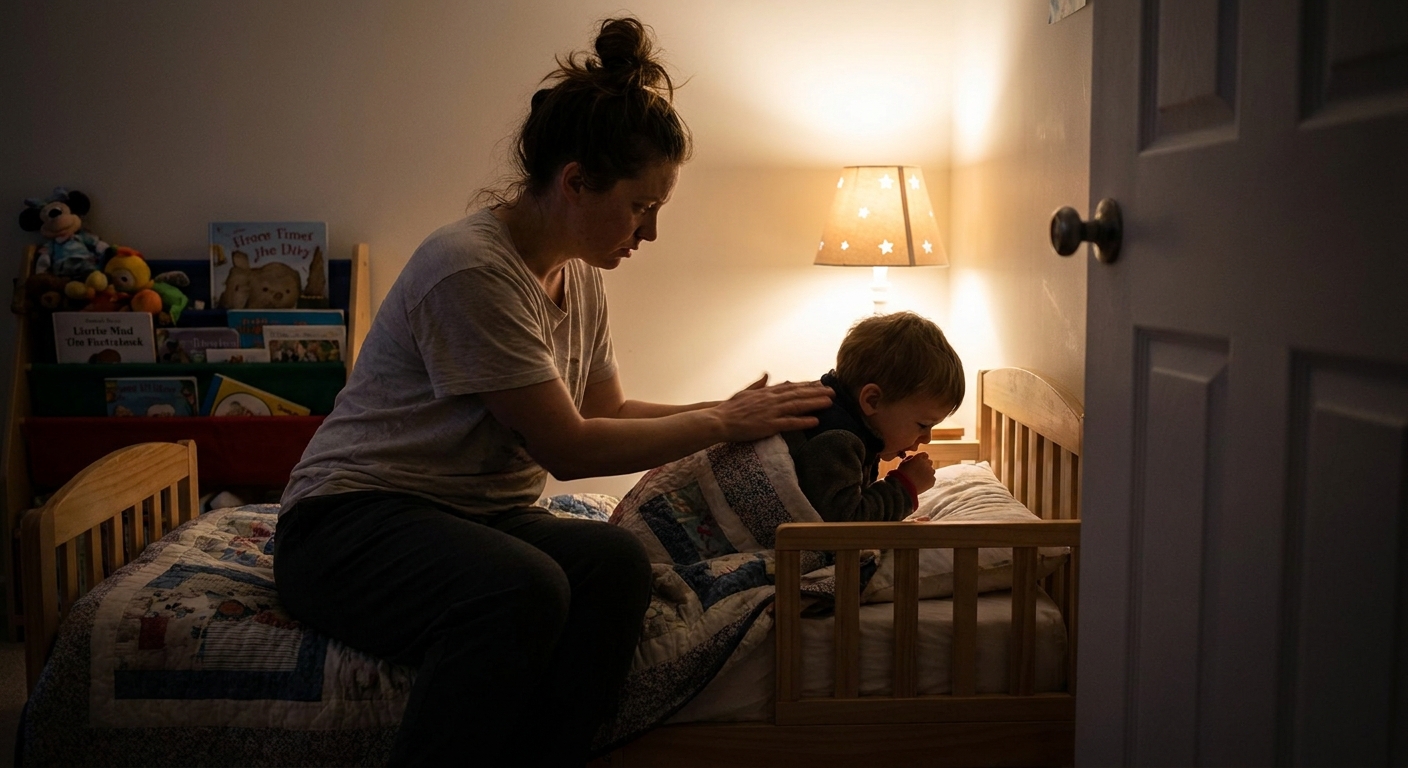
I have taken more than a few panicked calls that go like this: “My toddler choked on a grape, coughed like crazy, then seemed totally fine. But now, an hour later, he will not stop coughing and I swear I hear a wheeze.”
That situation deserves a calm but serious response. Sometimes kids cough for a bit because their throat is irritated. But sometimes coughing or wheezing that starts after choking is your clue that a piece of food, a nut, or another small object may still be in the airway.

If your child is choking now
If your child is choking right now and cannot breathe, cry, cough effectively, or make normal sounds, treat it as an emergency. Call 911 (or your local emergency number) and follow the dispatcher’s instructions and your local first-aid guidance while help is on the way. If your child is breathing and able to cough, keep them upright and monitored, and get medical advice right away.
Why symptoms can start later
After choking, symptoms depend on where the object went and what it irritated on the way down.
1) Throat irritation (common and usually improves)
A hard coughing spell can leave the throat and upper airway irritated. Your child may cough on and off for a little while, sound a bit hoarse, or complain their throat hurts. This should steadily get better, not worse.
2) Something is still in the airway (the big concern)
Sometimes an object is inhaled into the windpipe or one of the branches of the lungs. Kids can look better after the initial choking because air is still moving, but a partial blockage can cause:
- Ongoing coughing that does not settle
- Wheezing, a whistling sound (often heard most when breathing out)
- Noisy breathing
- Breathing that seems harder than usual
This is called foreign body aspiration. It can cause swelling and irritation over time, so symptoms may show up minutes to hours later, or sometimes the next day.
3) Scratches and swelling
Even if the object is no longer there, the airway can swell from irritation. That can lead to persistent cough or noisy breathing. The tricky part is you cannot reliably tell at home whether symptoms are from irritation alone or from a remaining piece still stuck.

Clues something may be stuck
As a triage nurse, I listen for patterns. These are the ones that raise my suspicion the most after a clear choking moment.
- A cough that will not quit, especially if it started right after choking and keeps returning in waves
- New wheezing, whistling, or a “squeaky” sound when breathing out
- Breathing that sounds different than usual, including a sound a clinician might describe as louder on one side or quieter on the other (most parents cannot check this reliably at home, and that is OK)
- Voice changes (new hoarseness) or trouble making sounds like usual
- Gagging or vomiting tied to coughing spells
- Recurrent coughing fits when eating or drinking after the incident
- A persistent “something is stuck” sensation in older kids who can describe it
If you saw a real choking event and now your child has ongoing cough or wheeze, it is reasonable to call your pediatrician for same-day advice. Many children need to be examined, and some need imaging or a specialist evaluation.
Call 911 for drooling or breathing trouble
Some symptoms mean your child needs emergency help immediately. Do not wait to “see if it passes.”
Get emergency care now if your child has any of the following:
- Struggling to breathe, breathing very fast, or using extra muscles to breathe (ribs pulling in, nostrils flaring)
- Blue, gray, or very pale lips or face
- Cannot speak, cry, or make normal sounds
- Drooling or trouble swallowing, especially if they will not swallow saliva
- Harsh, high-pitched noisy breathing when breathing in
- Seems suddenly very sleepy, floppy, or confused
- You suspect an airway blockage and your gut says “this is not right”
Drooling plus breathing difficulty is a particularly urgent combination because it can signal a serious upper-airway problem, including swelling or obstruction.
Also important: drooling or refusing to swallow after choking can sometimes mean something is stuck in the esophagus (food pipe), even if breathing seems OK. That still needs urgent medical evaluation.
What to do while getting help
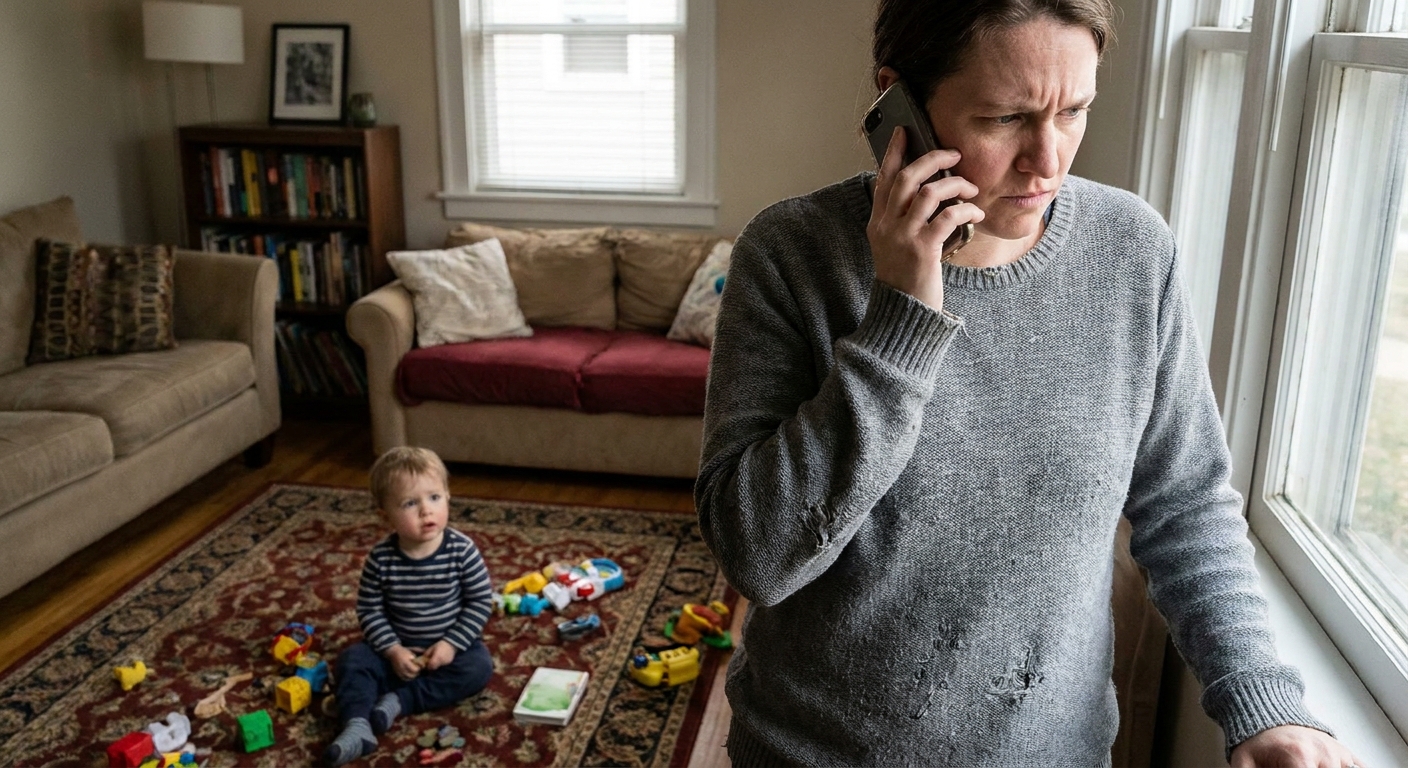
Here is what I recommend in the window between noticing symptoms and being seen by a clinician.
- Keep your child upright and calm. Crying and panic can worsen breathing effort.
- Do not put fingers or tools in your child’s mouth. If something is not clearly visible and easily reachable, probing can push it deeper or cause injury.
- Avoid giving food. If your child is coughing or wheezing, skip solids until you have medical guidance.
- If they can drink comfortably, small sips are ok. If swallowing is hard or drooling is present, do not force liquids.
- Note what they choked on and when. Food type matters. Nuts, seeds, popcorn, hot dogs, grapes, and small toy parts are common culprits.
- Listen for change. Worsening breathing, increasing fatigue, or color change means emergency care.
I am being very intentional about what I am not including here: I am not going to teach a home removal method for a suspected airway object after the event has passed. If you are worried something is still in the airway, the safest next step is medical evaluation.
What the doctor may do
Parents often imagine the worst, so let me demystify the usual process. Depending on your child’s symptoms and the story of the choking event, clinicians may:
- Check oxygen level and breathing effort
- Listen carefully to the lungs for wheeze or decreased airflow
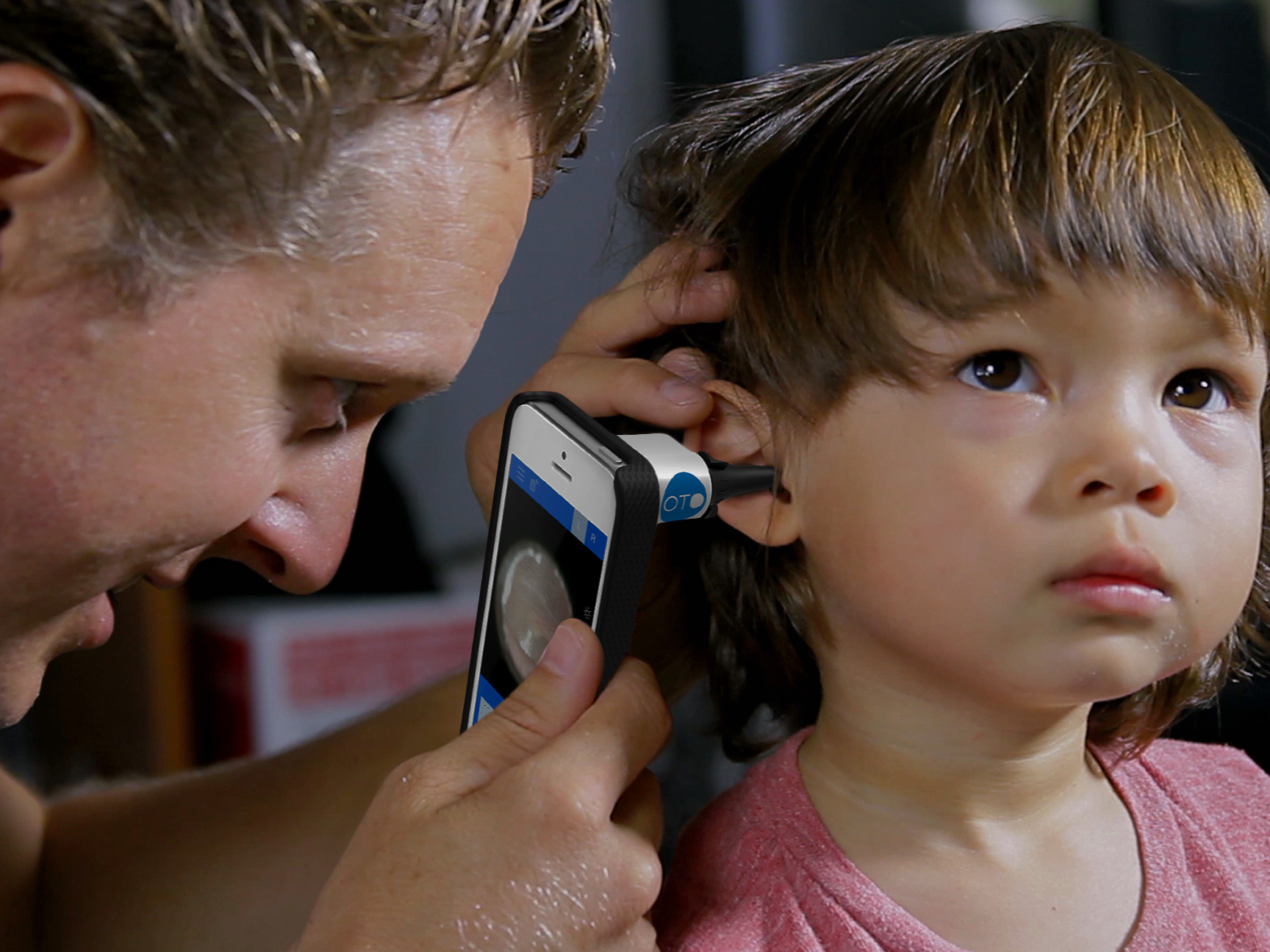
- Examine the mouth and throat
- Order imaging, often starting with a chest x-ray
- Consult an ENT specialist or pulmonologist if aspiration is strongly suspected
- Recommend a procedure to look into the airway and remove a foreign body when needed
One thing I want parents to know: a normal chest x-ray does not always rule out aspiration, because many foods and plastics do not show up clearly. If symptoms and history still fit, clinicians may recommend further evaluation anyway.
The goal is simple: make sure nothing is stuck that could swell, shift, or lead to infection.
Common questions
My child seems fine between coughing fits. Can something still be stuck?
Yes. A partial blockage can act like a little “valve,” causing intermittent symptoms. This is one reason persistent cough or wheeze after a choking event should be taken seriously.
Could this just be asthma?
Asthma can cause wheezing, but a brand-new wheeze right after a clear choking incident is more concerning for aspiration until proven otherwise. Even kids with asthma can aspirate, so the timing matters.
What if it was water, not food?
If your child inhaled water and now has persistent coughing, fast breathing, fever, seems unusually tired, or older children report chest pain, they should be evaluated urgently. Ongoing symptoms after inhaling liquid are not something to shrug off.
My child coughed once or twice and is now totally back to normal. Do I still need to go in?
Not always. If there is no ongoing cough, no wheeze, normal breathing, normal color, normal voice, and they are acting like themselves, irritation is more likely. Still, if the choking episode was significant or involved high-risk foods like nuts or seeds, I recommend calling your pediatrician for guidance.
When to trust your instincts
I say this as both a pediatric nurse and a mom: you do not get a parenting award for “waiting it out” when your gut is screaming.
If your child choked and then develops ongoing coughing or wheezing, you are not overreacting by calling for same-day advice. And if you see drooling, struggling to breathe, color change, or your child cannot make sounds normally, that is an emergency.
You are allowed to take breathing seriously. Always.

Sarah Mitchell
Sarah Mitchell is a Registered Pediatric Nurse and a mother of three who has spent over a decade helping families navigate the beautiful, chaotic early years of childhood. She combines evidence-based medical knowledge with real-world parenting experience to offer practical, compassionate advice. At Awesome Parent, Sarah's mission is to help exhausted parents find solutions, trust their instincts, and finally get some sleep.