Step-by-step first aid for hot water and contact burns, blister care you can trust, red flags that need emergency care, chemical burn guidance, and practical...
Hot Drink Burned Your Child’s Mouth: What to Do Now

Sarah Mitchell
Sarah Mitchell is a Registered Pediatric Nurse and a mother of three who has spent over a decade helping families navigate the beautiful, chaotic early years of childhood. She combines evidence-based medical knowledge with real-world parenting experience to offer practical, compassionate advice. At Awesome Parent, Sarah's mission is to help exhausted parents find solutions, trust their instincts, and finally get some sleep.
It only takes a second. One adult turns to grab a napkin, a curious little hand reaches up, and suddenly your child has taken a sip of something way too hot. If you are reading this with your heart pounding, take a breath. Most small mouth burns from a quick sip heal well. The big thing we worry about is deeper throat irritation and swelling. It is uncommon, but it can be serious, and symptoms can sometimes worsen over the next several hours.
Let’s walk through what to do right now, what not to do, and the specific symptoms that mean you should get emergency care.
Do this first (the first 5 minutes)
1) Get the hot liquid away and check their breathing
Before you focus on the burn itself, do a quick safety scan:
- Are they breathing comfortably? Listen for noisy breathing (high-pitched sounds), wheezing, or a harsh sound when they inhale.
- Are they able to cry or talk normally? A strong cry is reassuring.
- Are they drooling or refusing to swallow? That can be a red flag for deeper throat pain or swelling.
If there is trouble breathing, severe drooling, or they cannot swallow their saliva, seek emergency care now.
2) Cool the burn gently
Your goal is to lower the temperature of the tissue, not to freeze it.
- Offer small sips of cool water.
- If they are old enough to safely handle it, offer cool milk.
- You can also offer a popsicle or ice chips for an older child who can manage them without choking.
Think “cool and soothing,” not “ice cold.”
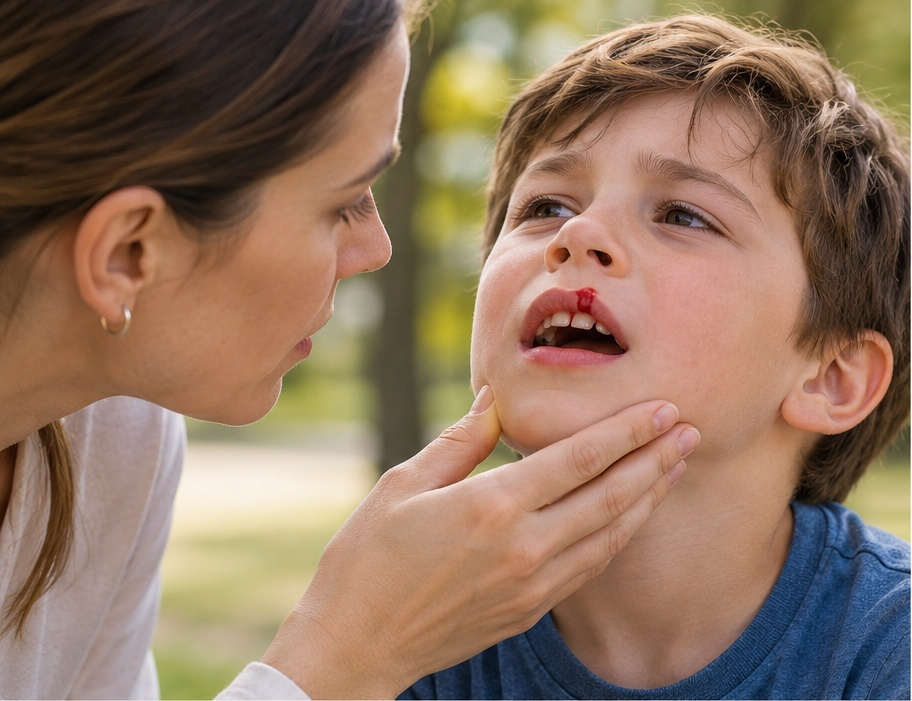
3) Look in the mouth if they will let you
With good light, take a quick peek. You might see redness on the lips, tongue, roof of the mouth, or inside the cheeks. Sometimes there are small blisters. Do not force their mouth open if they are fighting you hard. It is not worth a bite or a bigger panic.
4) Give pain relief if needed
If your child is uncomfortable and is able to swallow, you can usually use an age-appropriate dose of acetaminophen or ibuprofen. Follow the label and your clinician’s guidance, and avoid ibuprofen if your child is vomiting, significantly dehydrated, or has kidney problems unless a clinician tells you otherwise. If you are unsure about dosing or your child has medical conditions, call your pediatrician or pharmacist for guidance.
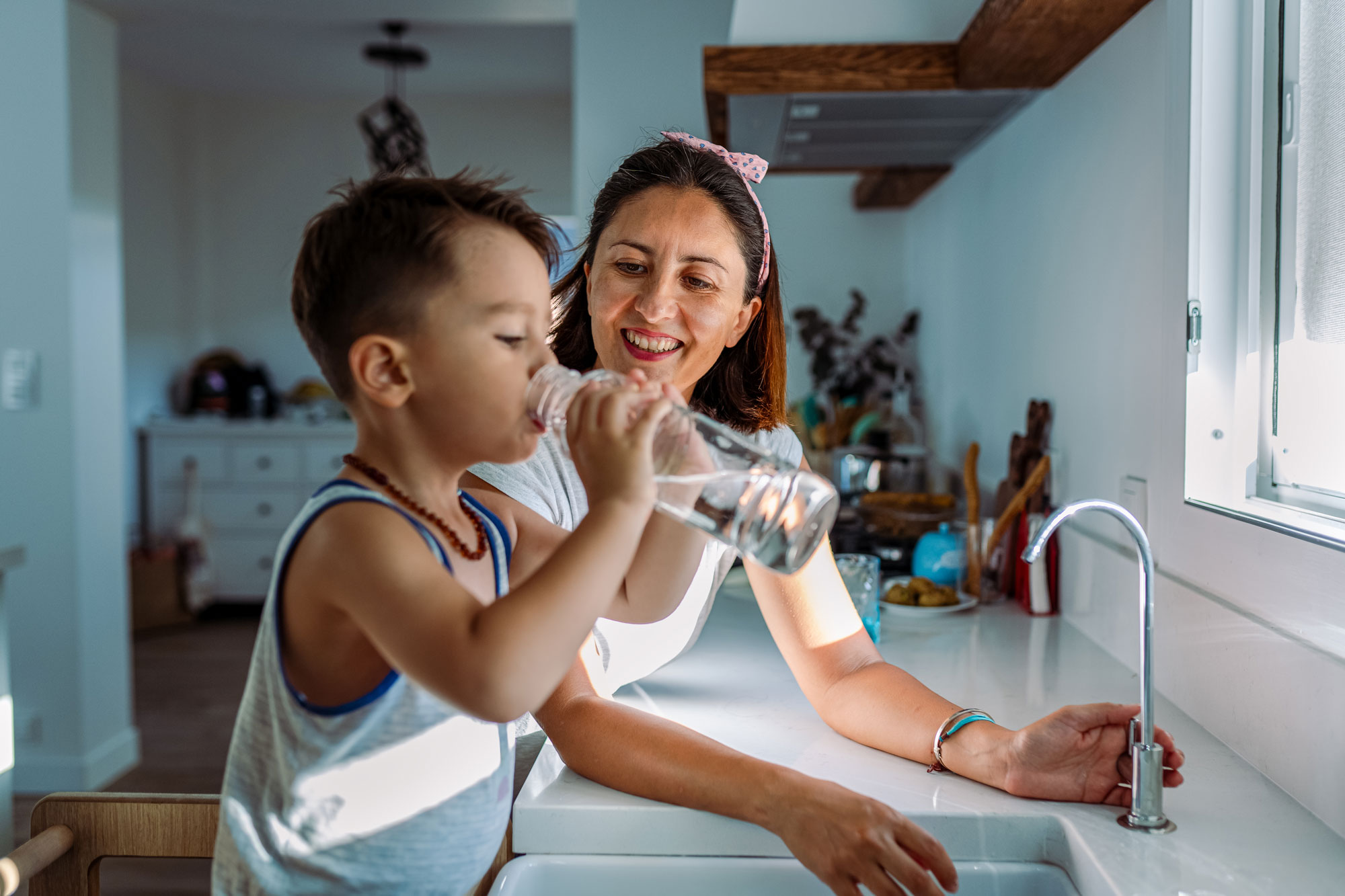
What to offer for the next 24 hours
Mouth tissue heals quickly, but it is also sensitive. For a day or two, aim for foods that are cool, soft, and bland.
Good choices
- Cool water, milk, or oral rehydration solution if needed
- Yogurt, applesauce, pudding
- Smoothies (not acidic)
- Oatmeal or lukewarm soup (test the temperature carefully)
- Mashed potatoes, scrambled eggs, pasta
- Popsicles
Foods to avoid (they sting)
- Hot foods and drinks for at least 24 hours
- Citrus and acidic foods like orange juice, tomatoes, pineapple
- Spicy foods
- Salty, crunchy foods like chips, pretzels, crackers
- Carbonated drinks
If they refuse solids for a bit but will drink, that is usually okay. Hydration is your priority.
Quick dehydration check (especially for toddlers): fewer wet diapers, very dark urine, dry mouth, no tears when crying, unusual sleepiness, or dizziness are signs to call your pediatrician or seek urgent care.

What NOT to do (common mistakes I saw in triage)
- Do not press ice against the burn for long periods. It can be painful, and some kids clamp down and refuse fluids afterward. Small sips of cool liquids are usually better.
- Do not apply numbing gels or sprays without medical advice. Many oral anesthetics are not recommended for young children, and numbing the throat can increase choking risk.
- Do not “scrape” blisters or peeling skin. Leave it alone. The mouth heals best when we do less.
- Do not make them gargle if they are very young. It can lead to choking.
- Do not dismiss burns from microwaved foods. Microwaved foods and fillings can have hot spots that burn the mouth and throat even when the outside seems safe.
When this is an emergency
Hot liquid burns are different from a quick tongue burn on pizza. If a child swallows a hot drink, the throat can be affected, and swelling can progress over time.
Call 911 or go to the ER now if your child has any of the following:
- Noisy breathing (high-pitched sound, squeaking, or harsh inhale)
- Difficulty breathing, rapid breathing, chest pulling in at the ribs, or struggling to speak or cry
- Drooling because swallowing hurts too much or they cannot manage saliva
- Refusal to swallow, gagging when trying to drink, or spitting out everything
- Hoarse voice that is new, or voice sounds muffled
- Swelling of lips or tongue that is worsening
- Persistent coughing, choking, breathing changes, or repeated vomiting after the sip (possible airway irritation or aspiration)
- Any bluish color around lips or face, or extreme sleepiness
If your gut says, “This is not right,” trust that. Airway issues are not something to watch and wait on.
When to call your pediatrician or urgent care
If your child is breathing comfortably but you are still concerned, it is reasonable to call for guidance, especially for toddlers and young children who cannot clearly explain what hurts.
Call your pediatrician or go to urgent care today if:
- There are large blisters in the mouth or on the lips
- Your child cannot drink enough to stay hydrated
- Pain seems significant even after appropriate pain medicine
- They have a fever later that day or the next day (not typical from a simple burn)
- Their symptoms are getting worse over the next several hours instead of better
- You suspect they swallowed a large amount of very hot liquid
Many parents instinctively think “ingestion” and call Poison Control. This is primarily a burn, not a poison, but Poison Control can still help you think through next steps if you are unsure what to do or what to watch for.
What healing usually looks like
For mild burns, the mouth often looks red and your child may complain of pain with eating for 24 to 48 hours. Small blisters can appear. Most improve quickly with cool fluids, soft foods, and pain control.
Seek medical advice if the mouth starts to look more swollen, develops increasing redness with a pus-like coating, or if bad breath and pain escalate after initially improving.
If there is also a skin burn
Hot drinks often spill onto the chin, chest, or arm too. Mouth and throat care is different from skin first aid. If your child has a skin scald from the spill, follow our skin-burn steps here: Thermal Burns and Scalds in Toddlers.
FAQ
Should I make my child throw up?
No. For hot liquid burns, vomiting can re-expose the throat to irritation and does not help.
Can I give honey to soothe the throat?
Only if your child is over 12 months old. For younger babies, honey is not safe. Even in older kids, cool fluids are usually more helpful immediately after a burn.
What about ice cream?
Ice cream is fine if it helps them drink and feel better. Some kids find dairy soothing, others feel it makes their mouth “coated.” Either is okay. The goal is hydration and comfort.
How long should I watch them closely?
The first several hours are the window where swelling concerns make me most cautious, especially if you suspect they swallowed a hot gulp. If breathing and swallowing stay normal and symptoms steadily improve, that is reassuring.
Could this be an allergic reaction instead of a burn?
It is possible, especially if there are hives, facial swelling unrelated to the hot liquid, or symptoms start after a new food. Allergic swelling can also affect breathing and needs urgent evaluation. If you are not sure which it is and there is swelling, drooling, or breathing changes, treat it as urgent.
A quick prevention reset
In clinic, I saw this with loving, attentive parents all the time. Toddlers are fast and gravity is undefeated.
- Use travel mugs with tight lids at home when possible.
- Keep hot drinks back from table edges and away from coffee tables.
- Avoid holding your child while carrying hot liquids.
- Stir and test microwaved foods carefully. Hot spots are real.
If you want a simple rule: if it would hurt if spilled on your wrist, it can hurt your child’s mouth.
Sarah Mitchell
Sarah Mitchell is a Registered Pediatric Nurse and a mother of three who has spent over a decade helping families navigate the beautiful, chaotic early years of childhood. She combines evidence-based medical knowledge with real-world parenting experience to offer practical, compassionate advice. At Awesome Parent, Sarah's mission is to help exhausted parents find solutions, trust their instincts, and finally get some sleep.