A calm, practical comparison of milk bank donor milk and infant formula for supplementing, including screening and pasteurization, how to access donor milk, ...
Is Goat Milk Safe Instead of Infant Formula?

Sarah Mitchell
Sarah Mitchell is a Registered Pediatric Nurse and a mother of three who has spent over a decade helping families navigate the beautiful, chaotic early years of childhood. She combines evidence-based medical knowledge with real-world parenting experience to offer practical, compassionate advice. At Awesome Parent, Sarah's mission is to help exhausted parents find solutions, trust their instincts, and finally get some sleep.
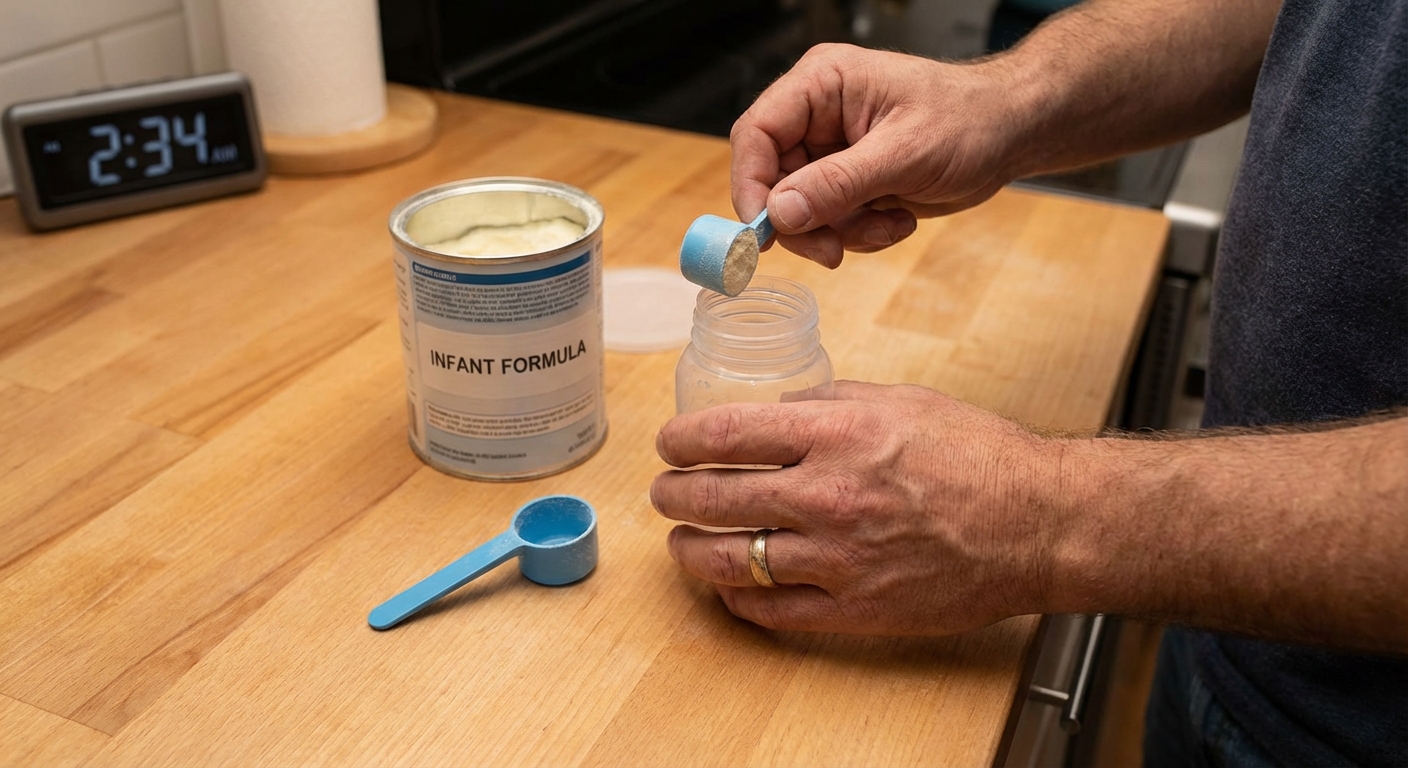
It is 2:47 a.m., your baby is hungry, you are out of formula, and suddenly goat milk starts looking like a reasonable solution. I get it. I worked pediatric triage for years, and now as a mom of three, I have also done the late-night kitchen math where you wonder if what you have on hand is “close enough.”
For babies under 12 months, the calm, evidence-based answer is this: plain goat milk, raw milk, and homemade goat-milk mixes should not replace infant formula or breast milk. They can lack key nutrients babies need, and they can carry germs that are especially risky for infants.
This guidance matches major public health recommendations, including the American Academy of Pediatrics (AAP) and the CDC, which advise against unmodified animal milks as a main drink in the first year and warn against raw milk for infants and children.

Quick answer
- Can I use goat milk instead of infant formula under 12 months? No. Plain goat milk is not nutritionally complete for infants as a main milk.
- Is raw goat milk safe for babies? No. Raw milk can contain harmful bacteria and parasites.
- What about a homemade goat milk formula recipe? Please do not. Homemade mixes can be dangerously imbalanced and have caused serious illness in babies.
- What is safe? Breast milk (from the parent, or screened donor human milk when appropriate) or a commercial infant formula appropriate for your baby’s age and needs.
Why babies under 12 months are different
In the first year, babies are not just “small people.” Their bodies are still learning how to manage salt and water, their immune systems are immature, and their brains are growing at a staggering pace.
Infant formula is designed to match what babies need during this window, including the right balance of:
- Protein type and amount
- Fat and essential fatty acids (important for brain and eye development)
- Carbohydrates
- Vitamins and minerals like iron, folate, vitamin D, iodine, and zinc
- Electrolytes (sodium and potassium) and overall kidney workload
Animal milks, including goat milk, are made to grow baby animals, not human babies.
Is goat milk safe under 12 months?
Goat milk is not a safe replacement for breast milk or infant formula for babies under 12 months.
1) It can be low in key nutrients babies need
Compared with infant formula or breast milk, plain goat milk can fall short in several areas that matter a lot in infancy, especially folate (also called folic acid) and iron.
Unmodified goat milk has been linked to megaloblastic anemia from folate deficiency. More broadly, offering any animal milk as a main drink too early can increase the risk of iron deficiency anemia.
2) It raises renal solute load for immature kidneys
Goat milk naturally contains a different balance of protein and minerals than human milk or infant formula. That means a higher renal solute load, which can stress an infant’s immature kidneys, especially if a baby is even a little dehydrated (fever, vomiting, diarrhea, hot weather).
3) Allergy and intolerance issues can still happen
Some parents consider goat milk because they suspect a cow’s milk protein allergy or intolerance. Important note: cross-reactivity between cow’s milk protein and goat milk protein is common. So switching to goat milk is not a reliable or safe workaround.
If you are worried about cow’s milk protein allergy, talk with your pediatrician. The safer alternatives are usually specific formulas designed for that issue.
Is raw goat milk safe?
No. Raw milk of any kind (goat, cow, or sheep) is risky for everyone, but especially for babies.
Raw milk can contain harmful germs like Salmonella, E. coli, Campylobacter, Listeria, and parasites such as Cryptosporidium. In infants, these infections can escalate quickly and may lead to severe dehydration, bloodstream infection, or hospitalization.
Pasteurization is not a gimmick. It is a proven safety step that dramatically reduces infection risk. The CDC specifically advises against raw milk for children.
What about pasteurized goat milk?
Pasteurized goat milk is safer than raw goat milk from an infection standpoint, but it still is not nutritionally appropriate as a main milk for babies under 12 months.
In other words: pasteurized does not automatically mean “okay for infants.” It just means fewer germs.
If your older baby (for example, 10 or 11 months) accidentally got a small amount of pasteurized goat milk once, do not panic. In most cases you can go back to their usual breast milk or formula and keep an eye out for tummy upset. If your baby is under 3 months, has vomiting or diarrhea, seems unusually sleepy, or you are worried for any reason, call your pediatrician.
Goat milk formula is different
Yes. Goat milk based infant formula is not the same thing as plain goat milk.
Commercial infant formulas are specially modified to meet an infant’s nutritional requirements, including adjusting protein, adding essential vitamins and minerals (like iron and folate), and balancing fats and carbohydrates.
If you are interested in goat milk based formula, bring it up with your baby’s pediatrician, especially if your baby was born premature, has growth concerns, or has a diagnosed allergy.
Homemade mixes are not safe
No. I know homemade recipes are often shared with very good intentions, and they can sound wholesome and reassuring. But as a nurse, this is one of those lines I cannot soften: homemade infant formula is dangerous.
Here is what can go wrong, even when parents follow a recipe carefully:
- The nutrient balance can be off (too little iron, too little folate, too much protein, not enough essential fats).
- The salt and water balance can be unsafe, which can lead to serious electrolyte problems.
- Contamination risk is higher during mixing and storage.
- Recipes are not regulated and are rarely tested the way commercial formulas are.
Because you specifically asked, I am also going to be explicit: I will not share a homemade formula recipe, because it is not safe to publish or use for infants.
If you are out of formula now
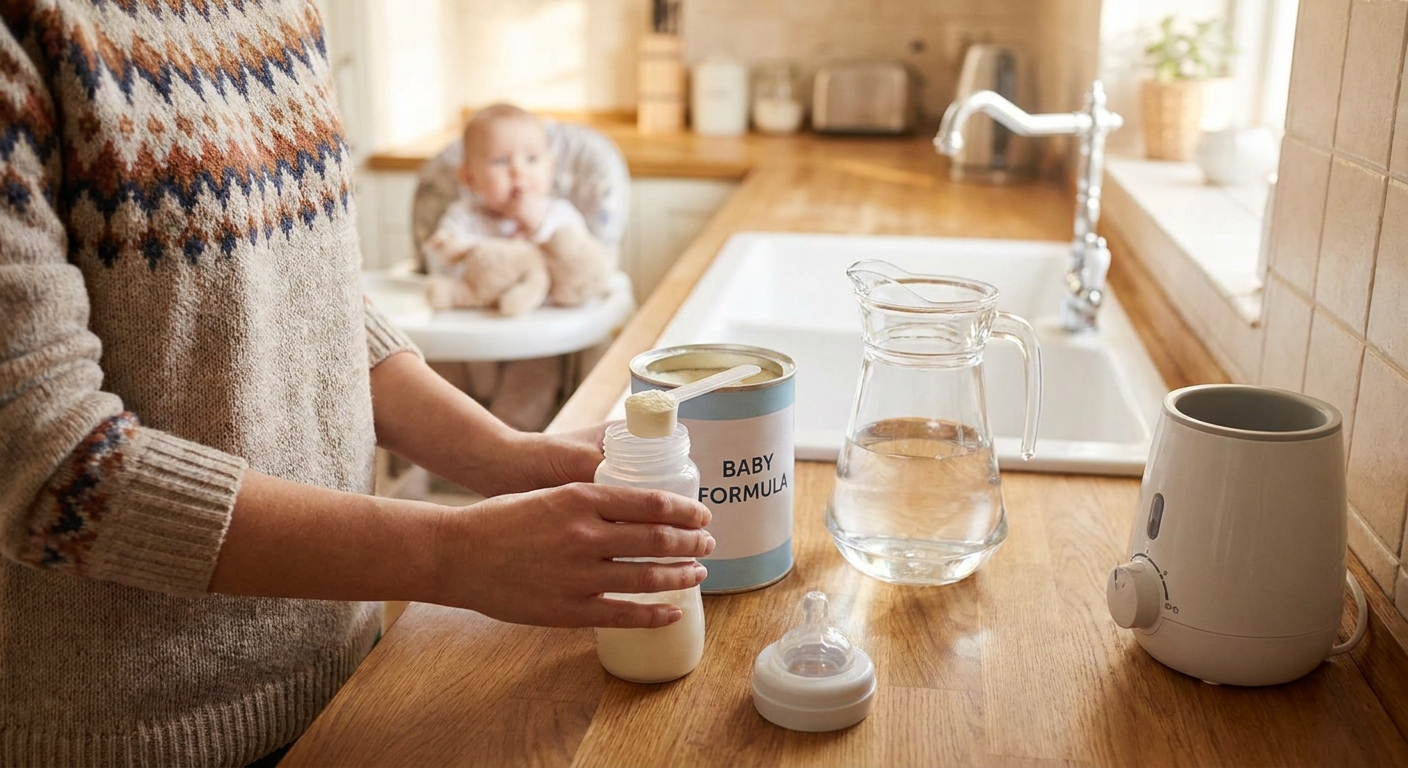
If you are reading this in a panic because you are out of formula tonight, here are safer next steps.
Step 1: Try to get standard infant formula first
- Check another store or ask a neighbor or family member.
- If your baby uses a specialty formula, ask your pediatrician if a temporary substitute is okay.
- If you cannot reach your pediatrician, ask a pharmacist or call an after-hours nurse line or urgent care for guidance.
Step 2: If you have breast milk available, use it
If you are breastfeeding and can nurse, nurse. If you have pumped milk in the freezer, use it.
Step 3: Ask about screened donor milk
In some situations, screened donor human milk may be an option. It is typically obtained through regulated milk banks and prioritized for premature or medically fragile infants. Availability varies by location.
Step 4: Avoid raw milk and homemade formula
Even “just for a day” can be risky, depending on your baby’s age and health, and it can also cause tummy trouble that makes the next 24 hours even harder.
If you feel stuck and it is after hours, call your pediatrician’s on-call line. This is exactly the kind of question triage nurses want to help with.
Goat milk in foods?
Parents also ask about goat milk in solids, like a little in oatmeal or baked goods. That is a different situation than using goat milk as a bottle or main drink.
In general, the big concern under 12 months is replacing breast milk or formula with animal milk. If you want to use goat milk as an ingredient for an older baby who is already doing well on a variety of solids, check with your pediatrician, especially if there is any history of allergy, poor growth, or anemia.
When is goat milk ok?
For most children, after 12 months you can talk with your pediatrician about introducing pasteurized animal milks as part of a balanced diet. At that age, kids are usually eating a wider variety of solid foods, and milk is no longer their primary source of nutrition.
Even then, if your child has growth issues, multiple food allergies, kidney concerns, or a history of anemia, it is worth getting personalized guidance.
Red flags
If your baby has already had goat milk, raw milk, or a homemade mix, do not beat yourself up. Take a breath, and then watch closely. Call your pediatrician right away if you notice:
- Vomiting that keeps happening or green vomit
- Diarrhea, especially with blood or lots of mucus
- Fever in any baby under 3 months, or a high fever in an older infant
- Signs of dehydration (fewer wet diapers, very sleepy, dry mouth, no tears)
- Fast breathing, unusual fussiness, or your baby just seems “off” in a way you cannot explain
And if your gut says something is wrong, trust that. You are not overreacting.
FAQ
Is goat milk gentler on a baby’s stomach than formula?
Sometimes parents report less spit-up with different products, but that does not mean goat milk is safe or nutritionally complete for infants. If your baby seems uncomfortable on a formula, your pediatrician can help you choose a formula that fits your baby’s needs.
Can I dilute goat milk to make it safer?
No. Diluting milk reduces calories and nutrients and can create dangerous electrolyte imbalances in infants.
My family used goat milk for babies generations ago. Why not now?
Some babies did fine, and some babies did not. We also know much more now about infant nutrition, anemia risk, and infection risk. Modern infant formula is designed to cover those gaps reliably.
What if I want an alternative to cow’s milk formula?
There are several options depending on the reason for the switch, including extensively hydrolyzed formulas, amino acid based formulas, and in some cases goat milk based infant formulas. The right choice depends on your baby’s age, symptoms, and growth.
The bottom line
I understand why goat milk is tempting, especially when you are tired, stressed, or trying to find something that feels more “natural.” But for babies under 12 months, plain goat milk, raw milk, and homemade mixes are not safe substitutes for breast milk or commercial infant formula.
If you need help figuring out the best feeding plan, including combination feeding, reach out to your pediatrician or a lactation consultant. You deserve support that is practical, not scary, and your baby deserves nutrition that is built for the first year of life.
Sarah Mitchell
Sarah Mitchell is a Registered Pediatric Nurse and a mother of three who has spent over a decade helping families navigate the beautiful, chaotic early years of childhood. She combines evidence-based medical knowledge with real-world parenting experience to offer practical, compassionate advice. At Awesome Parent, Sarah's mission is to help exhausted parents find solutions, trust their instincts, and finally get some sleep.