A parent-friendly guide to Sever’s disease: why heel pain flares with sports, how it differs from growing pains, what helps at home, shoe and insert tips, an...
Iselin’s Disease in Kids: Outer-Foot Pain From Sports

Sarah Mitchell
Sarah Mitchell is a Registered Pediatric Nurse and a mother of three who has spent over a decade helping families navigate the beautiful, chaotic early years of childhood. She combines evidence-based medical knowledge with real-world parenting experience to offer practical, compassionate advice. At Awesome Parent, Sarah's mission is to help exhausted parents find solutions, trust their instincts, and finally get some sleep.
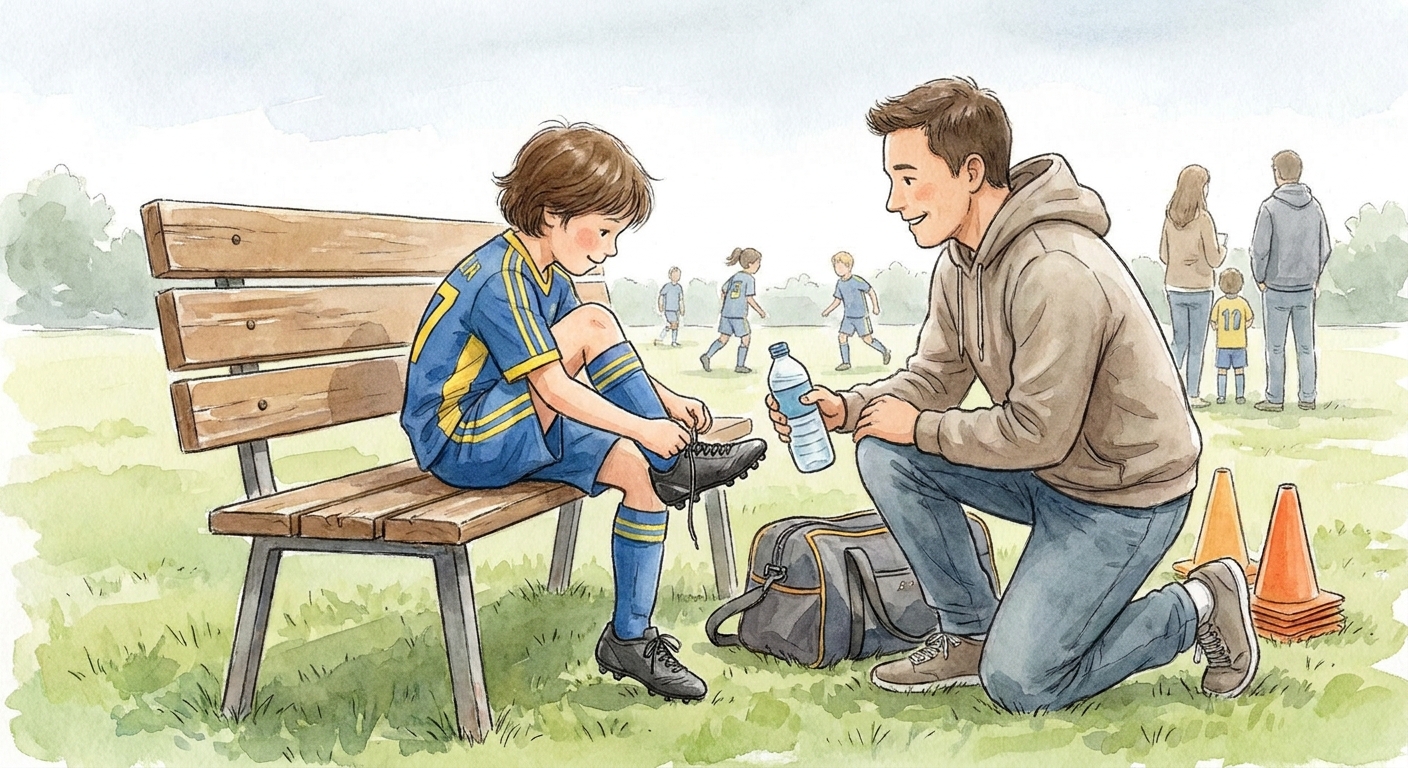
If your kid is limping off the field and pointing to the outside edge of their midfoot, right around the bony bump below the pinky toe, you are not alone. In clinic triage, I saw this pattern a lot in active kids, especially during a season ramp-up or after switching to cleats. Parents often assume it is “just a sprain” or they confuse it with the more common sports heel pain. But the location matters.
One common cause of outer-midfoot pain in growing athletes is Iselin’s disease, an irritation where a tendon attaches near a growth center at the base of the fifth metatarsal. The name sounds dramatic, but it is usually a manageable overuse injury with rest, smart footwear, and a gradual return to play.
What Iselin’s disease is
Iselin’s disease is a form of traction apophysitis, which is a fancy way of saying: repeated pulling where a tendon attaches to a developing bone causes pain and irritation.
In Iselin’s disease, the spot is on the outer edge of the midfoot, at the base of the fifth metatarsal (the long bone that leads to the pinky toe). The peroneus brevis tendon attaches there and helps stabilize the foot during running, cutting, and jumping. In growing kids, that attachment area includes a growth center (apophysis) that is more vulnerable to getting angry with repetitive stress.
It is most common in preteens and early teens, especially around growth spurts, when the apophysis is present but not fully fused yet.
Where it hurts
The classic Iselin’s spot
Kids usually point to:
- The bony bump on the outside of the foot, a few inches behind the pinky toe
- Pain that is worse with running, cutting, jumping, or pushing off
- Tenderness when you press directly over that bump
Iselin’s vs Sever’s
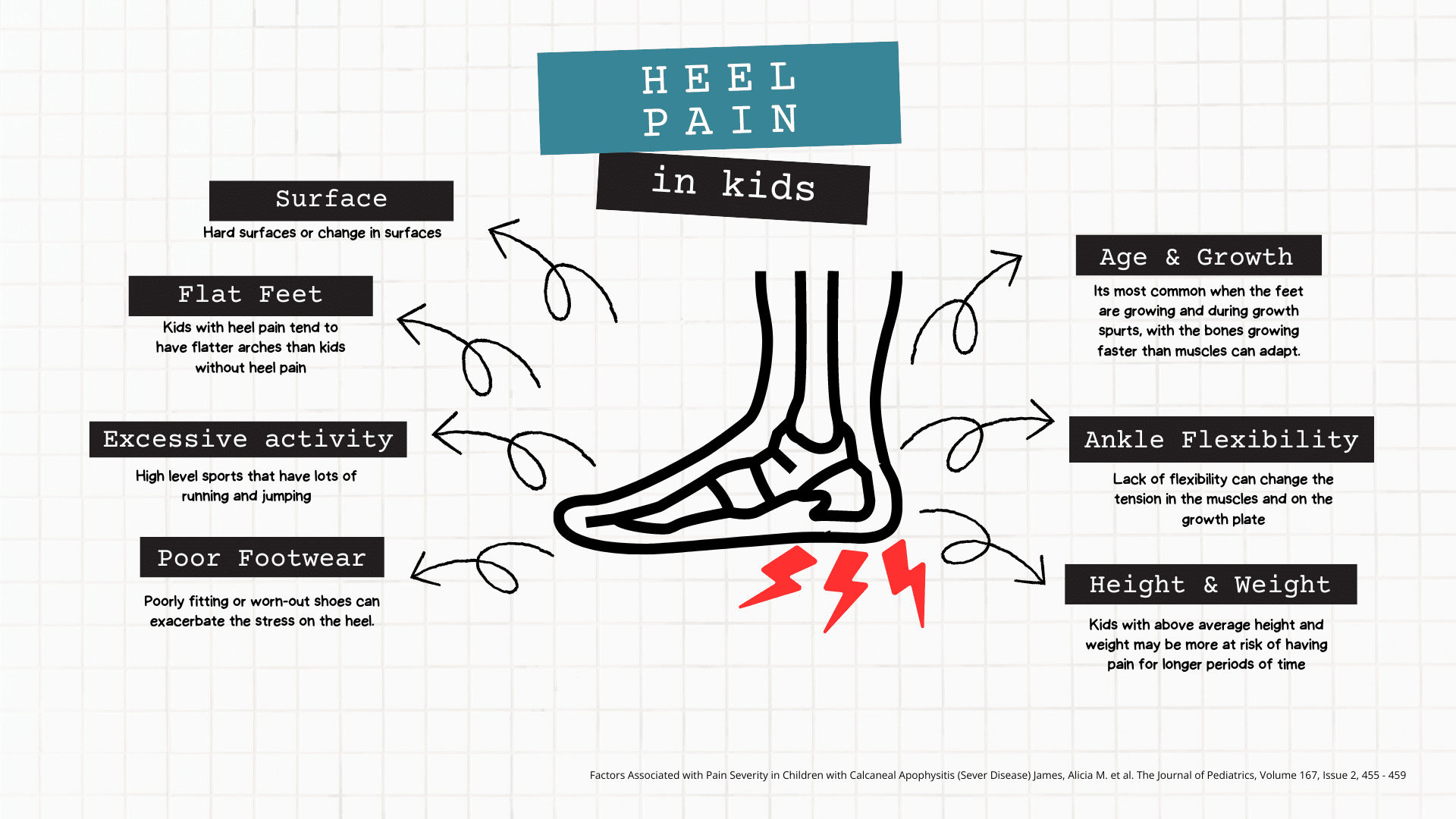
Sever’s disease is growth-related pain too, but the location is different. Sever’s pain is at the back or bottom of the heel, where the Achilles tendon pulls on the heel growth plate.
- Iselin’s: outer midfoot near the base of the pinky-toe bone
- Sever’s: back or underside of the heel, often worse after sports and with first steps after rest
If your child keeps grabbing the outside of the foot instead of the heel, think Iselin’s rather than Sever’s.
Common symptoms
- Pain along the outside of the midfoot that builds during practice or games
- A limp, or your child “protecting” that foot when they run
- Mild swelling or puffiness over the bony bump (not always)
- Pain when wearing tight shoes or cleats that press on the area
- Discomfort with side-to-side movements (soccer, football, lacrosse, basketball)
Many kids can still walk around the house fine, but sports makes it flare. That on-and-off pattern is very typical for overuse injuries in growing athletes.
Why cleats trigger it
Cleats are a perfect storm for this problem because they can be:
- Narrow through the midfoot, putting direct pressure on the sore bump
- Stiff, reducing natural foot motion and increasing stress at tendon attachment points
- Worn on hard or uneven surfaces that increase traction forces during cuts and pivots
Sports that involve quick direction changes and repeated push-offs can irritate the area, especially when a season starts and conditioning ramps up fast.
At-home care
Most kids improve with a short period of relative rest and a few practical supports. The goal is to calm symptoms down, then build back up gradually.
1) Rest, but keep it realistic
You usually do not need weeks on the couch, but you do need to stop the activities that spike pain.
- Aim for pain-free walking and no limping as your baseline.
- If running and cutting trigger pain, switch temporarily to low-impact options like swimming or cycling if they are comfortable.
- Try a 7 to 14 day break from the aggravating drills, then reassess.
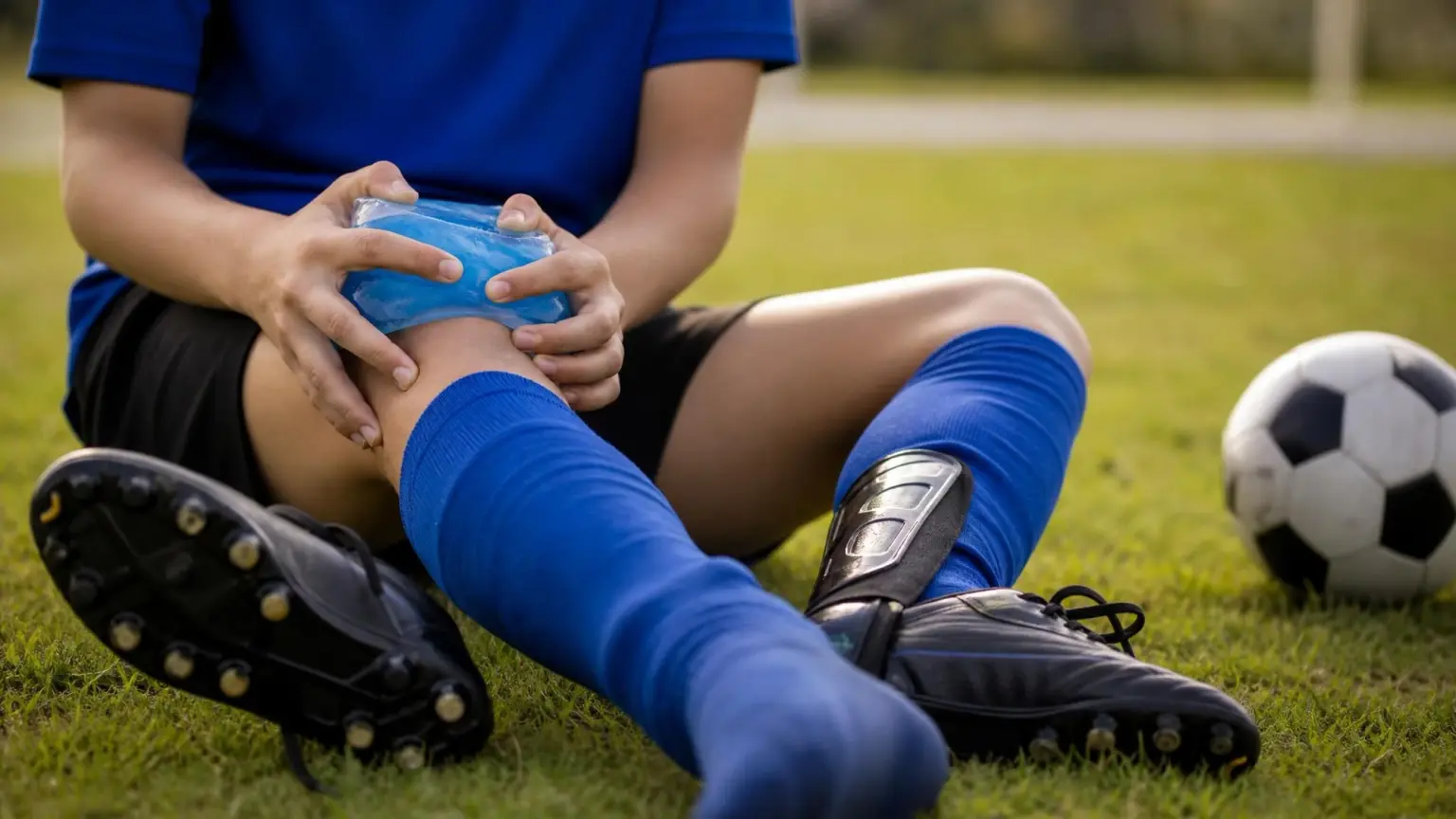
2) Ice for flares
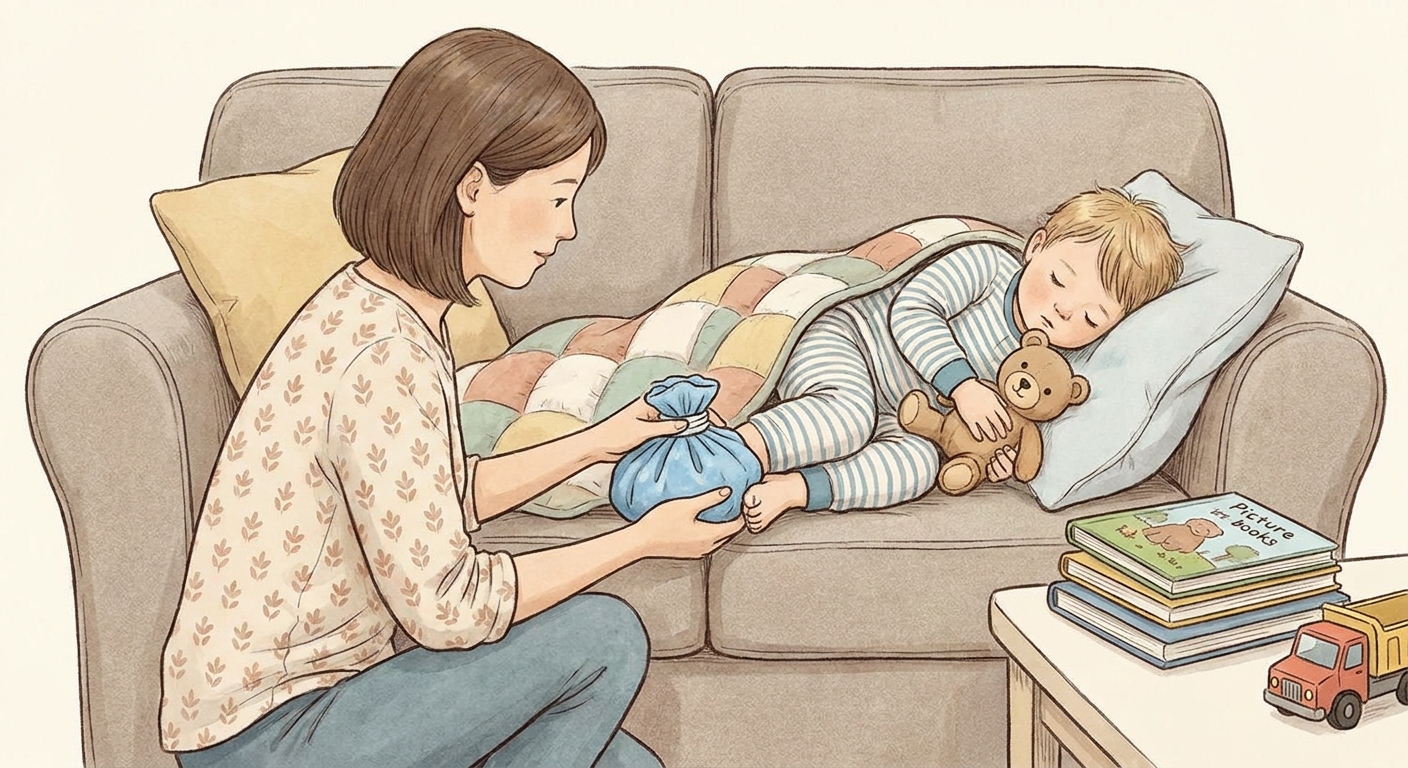
Ice can reduce pain and may help with swelling after activity.
- Use a cold pack wrapped in cloth for 10 to 15 minutes.
- Repeat up to a few times a day during a flare.
3) Pain medicine, if appropriate
If your child can take ibuprofen safely, it may help for a few days during a flare. Always follow the dosing instructions on the label and check with your pediatrician if your child has asthma triggered by NSAIDs, kidney disease, bleeding disorders, stomach ulcers, or is on blood thinners.
Acetaminophen can help pain, even though it does not reduce inflammation the same way.
Avoid aspirin in children and teens unless a clinician has specifically told you to use it.
4) Support the foot
- Stiff-soled sneakers can reduce stress at the painful spot.
- A soft foam donut pad or felt pad can offload pressure directly over the bump.
- Some kids benefit from an over-the-counter arch support if foot mechanics are contributing.
If your child is limping consistently, cannot bear weight comfortably, or pain is worsening despite rest, it is time to be seen.
Footwear tips
In my experience as a triage nurse, a surprising number of sports foot complaints improve once we address shoes. Cleats that are too tight are not just uncomfortable. They can keep the area from settling down.
What to look for
- Wider toe box and midfoot so the outer edge is not squeezed
- Good heel lock so the foot is stable without needing to crank laces down
- Firmer sole for practices on hard ground
Quick fit checks
- Make sure there is a thumb’s width of space in front of the longest toe.
- Check for pressure points over the outer bump after 10 minutes of wear.
- If your child unlaces shoes the second they get in the car, that is data.
If cleats are the trigger, talk with the coach about temporary modifications, like limiting cutting drills, using turf shoes or supportive sneakers for warm-ups, or reducing minutes until symptoms settle.
Return to play
The biggest mistake I see families make is returning to full-speed sports the moment the pain dips from an 8 to a 3. That usually buys you one decent practice, then a flare that lasts another week.
When to progress
Your child is usually ready to move forward when they can:
- Walk without limping
- Press on the outer-foot bump and feel minimal tenderness
- Jog lightly in supportive shoes with no pain during or after
- Do 10 single-leg hops on the sore side without pain (or without pain later that day)
If you are working with a pediatric sports clinician or physical therapist, they can tailor sport-specific tests (like cutting or lateral shuffles) for a safer return.
Step-by-step
- Step 1: Walk and daily activities only until comfortable.
- Step 2: Light jogging in sneakers on flat ground for 5 to 10 minutes.
- Step 3: Straight-line running, then gentle agility.
- Step 4: Controlled practice drills with breaks.
- Step 5: Full practice, then games.
If pain returns, drop back a step for a few days. Slow progress feels annoying, but it usually gets kids back for good rather than back for one day.
Diagnosis and what to expect
Iselin’s disease is common, but not every outer-foot pain is Iselin’s. The base of the fifth metatarsal is also a place where fractures can happen, including injuries families sometimes hear called an avulsion fracture or a Jones fracture. Those can look similar at first, especially after a twist or hard landing.
Clinicians usually diagnose Iselin’s based on the story, exact location of tenderness, and an exam. Sometimes an X-ray is ordered to rule out a fracture. One nuance that can surprise parents is that the growth center at the base of the fifth metatarsal can look “separate” or a bit irregular on X-ray even when it is normal for age, so clinicians match the image to the symptoms.
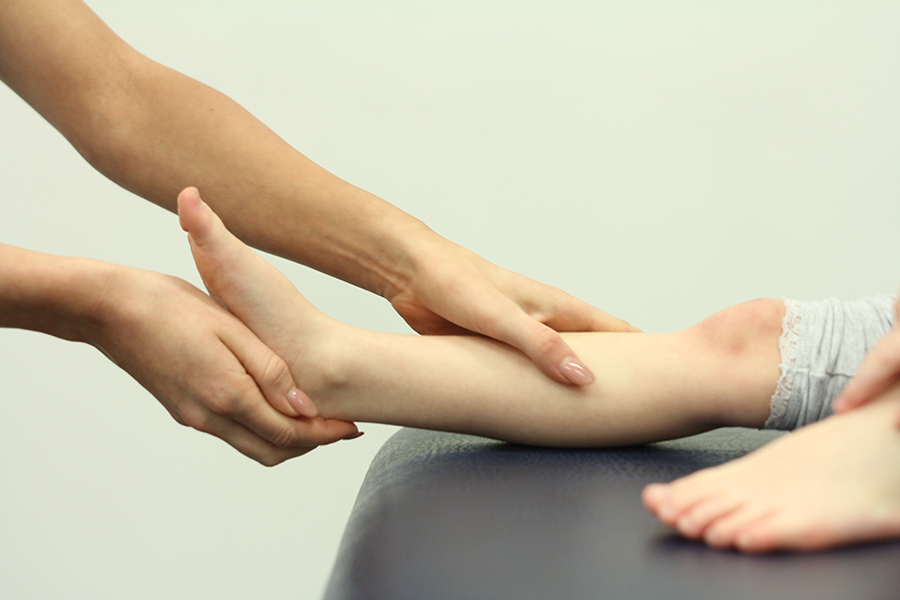
If symptoms are more intense or persistent, a clinician may recommend a short period in a walking boot or stiff post-op shoe, along with activity restriction. Physical therapy is sometimes added to address calf tightness, foot and ankle strength, and mechanics so the pain does not keep coming back.
When to see a doctor
Trust your gut and get checked if something feels off.
Make an appointment soon if
- Your child has pain lasting more than 1 to 2 weeks despite rest
- They cannot return to normal activity without limping
- There is visible swelling that persists
- Pain started after a clear twist, fall, or collision
- The pain is focused directly on the bony outer edge and is sharp with weight-bearing
Seek urgent care today if
- Your child cannot bear weight comfortably or cannot take four steps without significant pain
- The foot looks deformed or swelling is rapidly increasing
- There is numbness, tingling, or color change in the foot or toes
- Your child has fever with foot redness or severe pain
- There is an open wound or concern for infection
The “four steps” idea is a practical red flag for families, not a diagnosis. If your child cannot walk on it, they need to be evaluated.
Prevention and recurrence
- Build activity up gradually when a new season starts or after a break.
- Rotate footwear when possible and avoid cleats that squeeze the outer foot.
- Keep calves flexible and ankles strong, especially the muscles that control side-to-side motion.
- Do not ignore early “mild” pain. Catching it early often prevents the longer flare.
FAQ
How long does Iselin’s disease last?
It varies. Mild cases can settle in a couple of weeks with rest and shoe changes. More irritated cases can take several weeks. The key is reducing the activities that trigger pain and returning gradually.
Is it the same as a fracture at the base of the fifth metatarsal?
No. A fracture is a break in the bone, often after a twist or impact, and it can require immobilization and stricter activity limits. Iselin’s is an overuse irritation at a growth center where a tendon attaches. Because symptoms can overlap, new or severe pain after an injury should be evaluated.
Can my child play through it?
Playing through pain usually prolongs the problem. If your child is limping, changing how they run, or pain is increasing each practice, that is your sign to pause and reset.
Does physical therapy help?
It can, especially if there is tightness in the calves, weakness in the foot and ankle stabilizers, or mechanics that keep re-triggering pain. A pediatric sports clinician or physical therapist can guide a strengthening and flexibility plan.
The bottom line
Iselin’s disease is one of those growth-and-sports mashups that feels alarming but is usually very treatable. The giveaway is outer-midfoot pain at the bony bump near the pinky-toe side, often made worse by running and cleats. With a short break from aggravating drills, supportive footwear, and a gradual return, most kids get back to the sports they love without long-term issues.
If your child cannot bear weight, the pain started after a specific injury, or things are not improving with rest, get them checked. You deserve a clear answer and a plan that lets everyone sleep again.
Sarah Mitchell
Sarah Mitchell is a Registered Pediatric Nurse and a mother of three who has spent over a decade helping families navigate the beautiful, chaotic early years of childhood. She combines evidence-based medical knowledge with real-world parenting experience to offer practical, compassionate advice. At Awesome Parent, Sarah's mission is to help exhausted parents find solutions, trust their instincts, and finally get some sleep.