Step-by-step first aid for hot water and contact burns, blister care you can trust, red flags that need emergency care, chemical burn guidance, and practical...
Safe Bath Water Temperature for Babies and Toddlers

Sarah Mitchell
Sarah Mitchell is a Registered Pediatric Nurse and a mother of three who has spent over a decade helping families navigate the beautiful, chaotic early years of childhood. She combines evidence-based medical knowledge with real-world parenting experience to offer practical, compassionate advice. At Awesome Parent, Sarah's mission is to help exhausted parents find solutions, trust their instincts, and finally get some sleep.
Bath time is supposed to be sweet and relaxing. But if you have ever dipped your hand in and thought, “Whoa, that is hotter than I expected,” you are not alone. I spent years as a pediatric triage nurse taking calls that started with, “I only turned away for a second…” and ended with a scared parent and a crying toddler.
The good news: scalds from bath water are very preventable. A few small habits and one cheap bath thermometer can take the guesswork out of it.
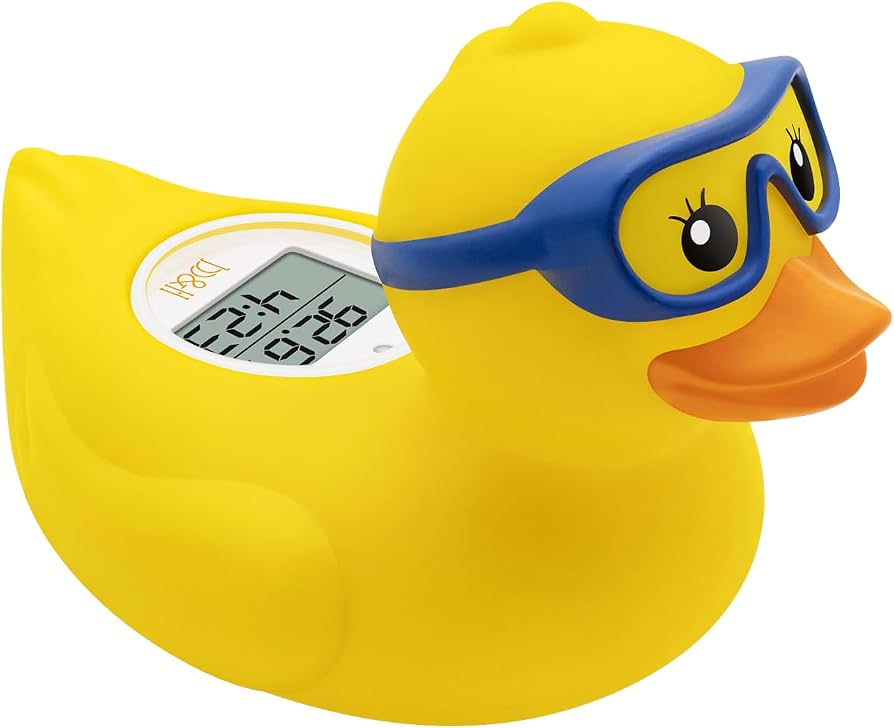
What temperature should bath water be?
For babies and toddlers, aim for bath water that is around body temperature, roughly about 98 to 100°F (36.5 to 37.8°C). Think warm and comfortable, not “steamy.”
If you want a simple rule: if you are reading 104°F (40°C), cool it down. That is too hot for most children’s baths, and the risk goes up quickly if there are hot spots near the faucet.
Why kids are more vulnerable
- Thinner skin burns faster and can be injured at lower temperatures.
- Smaller bodies heat up more quickly.
- Wiggly bath behavior makes “just a second” feel much longer in real life.
How to test bath water
If you do one thing from this article, let it be this: use a bath thermometer. It is the most reliable way to know what the water is actually doing.
Quick steps
- Fill the tub (more on safe filling below).
- Stir the water well with your hand to eliminate hot and cold pockets.
- Place the bath thermometer in the water where your child will sit, not just near the faucet.
- Wait for a steady reading, then adjust with cool water if needed and re-check.
One extra habit I like: if your plumbing tends to run hotter after it “catches up,” let the water run a moment, mix, and re-check before your child gets in.
Even with a thermometer, I still like parents to do a quick comfort check with their hand after stirring, because it is a nice real-world double-check.
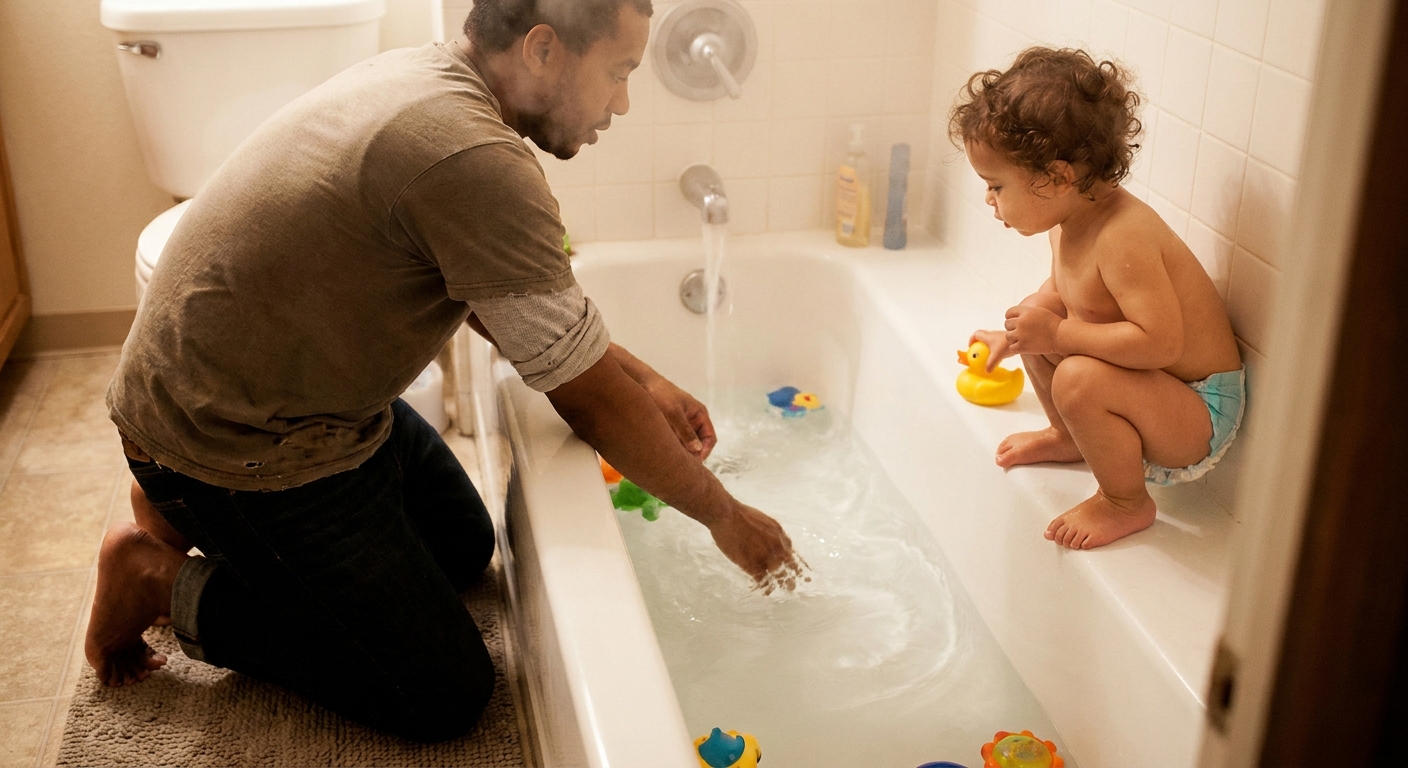
Wrist and elbow test
You have probably heard, “Test it with your wrist or elbow.” That advice is common because those areas can be more sensitive than your palm. But here is the catch: it is still subjective.
Why it can fail
- Your hands may be desensitized from washing dishes, running hot tap water, or just adult skin being tougher.
- You might not mix the water enough, so you are testing a cooler spot while a hotter pocket sits closer to the faucet.
- “Warm” means different things depending on how cold you are, your home temperature, and what you were doing right before bath time.
Use the wrist or elbow test as a backup, not the main safety plan. If you are ever thinking, “I think it is fine,” that is a perfect moment to grab the thermometer.
Water heater settings
One of the best ways to prevent bath scalds is to reduce the maximum temperature your tap can reach. Most child safety experts recommend setting your water heater to 120°F (49°C) or lower.
Why it matters: the hotter the water, the faster a burn can happen. Keeping the heater at 120°F lowers scald risk across your whole house, not just in the tub.
Two quick notes
- If you live in an apartment or have shared hot water, you might not control the setting. In that case, a bath thermometer is even more important.
- If someone in the home needs hotter water for medical or other reasons, consider adding anti-scald devices like thermostatic mixing valves or anti-scald faucet attachments, especially for the tub and shower. These devices limit how hot the water can get at the tap.
How to fill the tub safely
The way you fill the tub can create dangerously hot pockets, even if the overall bath feels okay.
Safer filling routine
- Cold water first, then warm until you reach the right temperature.
- Keep your child out of the tub while the water is running.
- Always mix the water thoroughly with your hand before testing the temperature.
- Run water away from where your child will sit if possible, and avoid letting hot water pour directly into shallow bath water.
- Turn the water off before your child gets in.
If you use a baby tub or sink
The same rules apply, plus one extra: small containers heat up quickly. Test the temperature after mixing and again right before baby goes in.
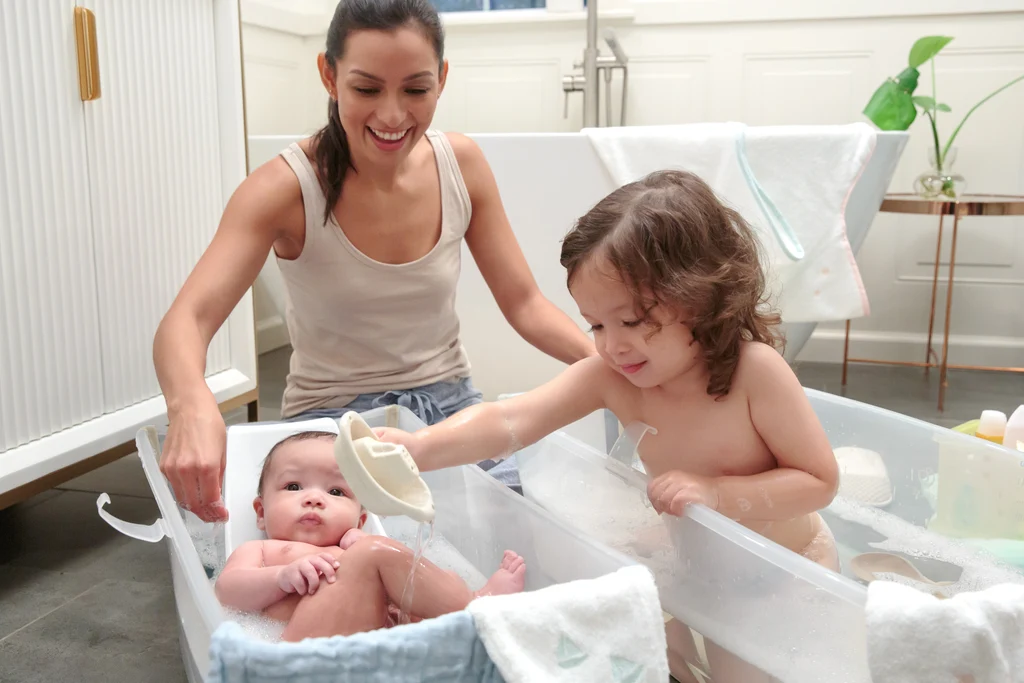
Water depth and supervision
Temperature matters, but so does supervision. In triage calls, I heard just as many “I only turned away for a second” stories related to slipping under the water as I did about heat.
- Stay within arm’s reach the whole time.
- For babies, you only need a couple inches of water for a safe, effective bath.
- If you use a bath seat or ring, treat it as a convenience item, not a safety device.
What if the water was too hot?
First, take a breath. Most “too hot” moments end with a quick yelp and no injury. But if your child may have been burned, act quickly.
If skin looks red or painful
- Get them out of the hot water immediately.
- Cool the area with cool (not icy) running water for 10 to 20 minutes if you can, especially if you can start right away.
- Remove wet clothing if it is not stuck to the skin.
- Do not use ice, butter, oils, or toothpaste. These can worsen tissue damage.
- Do not pop blisters. If there is blistering, you can loosely cover the area with a clean, nonstick dressing while you seek medical advice.
Then, follow our step-by-step burn guidance here: Thermal Burns and Scalds in Toddlers (First Aid).
When to get urgent care now
- Blistering, broken skin, or skin that looks white, gray, or charred
- Burns on the face, genitals, hands, feet, or over a joint
- A burn larger than your child’s palm
- Your child seems unusually sleepy, hard to console, or is in significant pain
- You are not sure how bad it is
If you are ever on the fence, call your pediatrician, an after-hours nurse line, or your local urgent care for guidance. If you believe it is an emergency, call your local emergency number.
Bath-time safety checklist
If you want a quick routine you can do on autopilot even when you are running on three hours of sleep, this is it:
- Set water heater to 120°F (49°C) or lower when possible
- Fill with cold first, then warm
- Mix the water before checking the temperature
- Use a bath thermometer and aim for around 100°F
- If you are reading 104°F, add cool water, mix, and re-check
- Turn water off before your child goes in
- Stay within arm’s reach the whole time
FAQ
Is 102°F too hot for a baby bath?
It is warmer than ideal. Many babies will tolerate it, but I recommend aiming closer to body temperature, around 100°F. The closer you stay to that range, the safer and more comfortable it tends to be.
Is 104°F safe for toddlers?
At 104°F, I would cool it down. A toddler might not complain until it feels really uncomfortable, and hot pockets near the faucet can be hotter than the number you intended. Add cool water, mix well, and re-check with your thermometer.
Can I bathe my baby without a thermometer?
You can, but it is not my favorite plan. Wrist and elbow tests help, but they can miss hot spots and rely on adult perception. A bath thermometer is inexpensive and removes a lot of guesswork.
Should I use a bath seat or ring?
Bath seats can make parents feel like they can step away. They are not a safety device. Whether you use one or not, the key is constant, within-arm’s-reach supervision and safe water temperature.
A final word
If you are the kind of parent who worries about bath temperature, you are already doing the important thing: paying attention. Set your home up for safety, use a thermometer, and keep bath time simple. Your baby does not need a spa. They need warm water, your steady hands, and a safe routine you can repeat even on the nights when everyone is overtired.
Sarah Mitchell
Sarah Mitchell is a Registered Pediatric Nurse and a mother of three who has spent over a decade helping families navigate the beautiful, chaotic early years of childhood. She combines evidence-based medical knowledge with real-world parenting experience to offer practical, compassionate advice. At Awesome Parent, Sarah's mission is to help exhausted parents find solutions, trust their instincts, and finally get some sleep.