A calm, practical overview for parents on measles symptoms, rash progression, contagious timeline, isolation basics, vaccine protection, and what to do after...
SSPE After Measles: A Rare Brain Illness Years Later

Sarah Mitchell
Sarah Mitchell is a Registered Pediatric Nurse and a mother of three who has spent over a decade helping families navigate the beautiful, chaotic early years of childhood. She combines evidence-based medical knowledge with real-world parenting experience to offer practical, compassionate advice. At Awesome Parent, Sarah's mission is to help exhausted parents find solutions, trust their instincts, and finally get some sleep.
When your child gets through measles, what most parents want is to close that chapter and move on. In clinic, I have met families who did exactly that, only to be blindsided later by a question they never knew to ask: Can measles cause problems years down the road?
For the overwhelming majority of kids, the answer is no. But there is a very rare condition called subacute sclerosing panencephalitis, or SSPE, that can show up years after a measles infection. It is serious and progressive, which is why it is talked about so often in vaccine conversations.
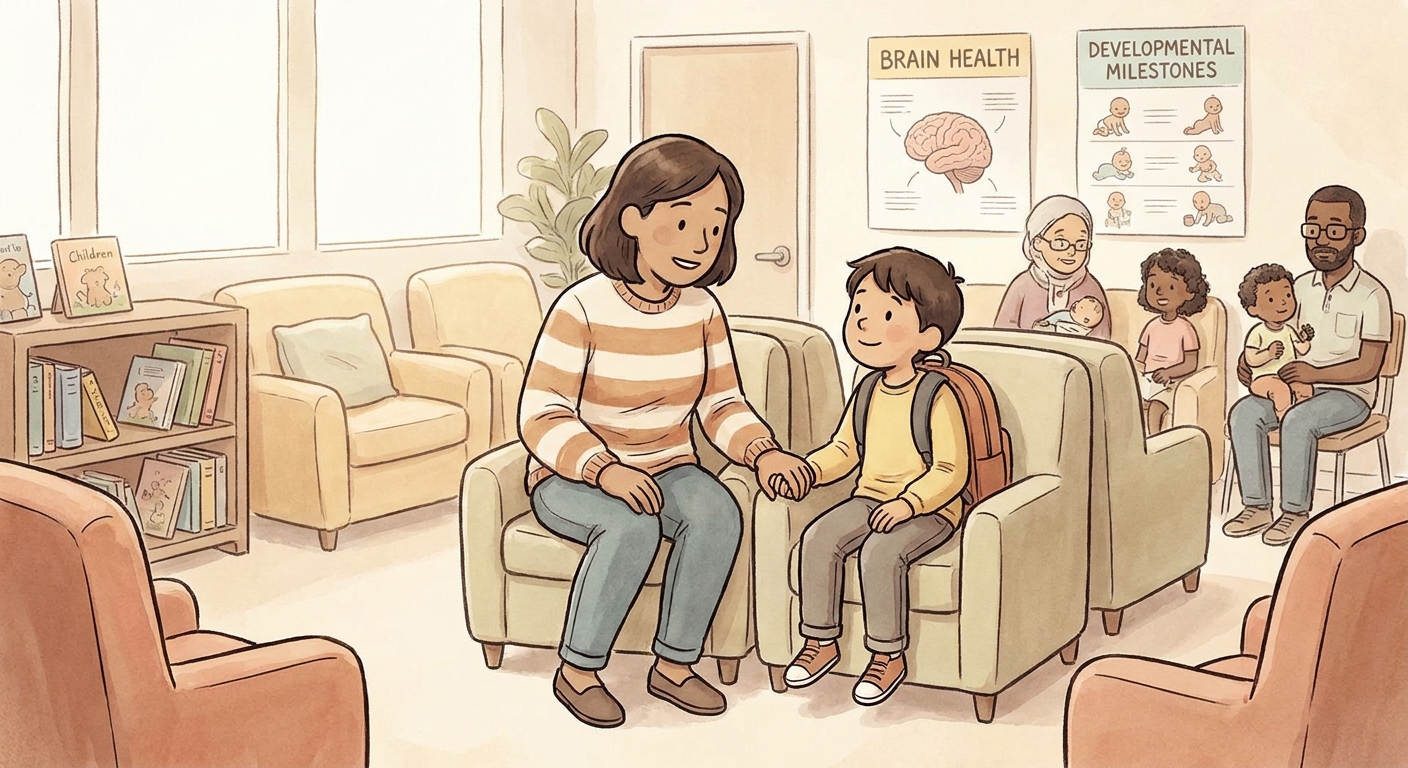
What SSPE is, in plain language
SSPE is a very rare, progressive brain disease that happens when the measles virus remains in the body and later causes ongoing inflammation and damage in the brain.
Here is the key point for parents: SSPE is not part of the usual measles illness. It is not the fever, cough, red eyes, or rash that happens during the infection itself. SSPE is a late complication that appears after a long symptom-free stretch.
SSPE is also not contagious. A child with SSPE is not spreading measles to others. The risk comes from having had measles in the past.
The SSPE timeline
Measles is an acute infection. Families notice symptoms, kids get sick over about 1 to 2 weeks, and there is a specific contagious period while the virus is active.
SSPE is delayed. Symptoms typically begin years after the original measles infection. Many medical references describe a latency that is often around 6 to 10 years, but it can be shorter. In rare cases, it may begin within a few years, and occasionally it is reported much later.
That difference matters for two reasons:
- Parents do not connect it to measles. If your child had measles years ago, it may not even come to mind when new school or behavior concerns appear.
- There is no isolation window for SSPE. The isolation guidance you may remember from measles is about preventing spread during acute infection, not about SSPE.

Why SSPE happens
After a measles infection, the immune system usually clears the virus. In SSPE, the measles virus is thought to persist in a changed form in brain tissue. Over time, it triggers ongoing inflammation and progressive damage.
Parents often ask me if anything they did caused this. The honest answer is: No. SSPE is rare, unpredictable, and linked to the earlier measles infection itself, even if the measles case seemed straightforward or was not fully documented at the time.
One pattern clinicians do talk about is that measles infection at a very young age, especially in infancy and under age 2, has been associated with a higher risk of SSPE later. That is one reason pediatric teams work so hard to prevent measles in infants and toddlers who are too young to be fully protected.
Early signs families notice
SSPE can start subtly. In real life, families often seek help because something feels off, not because they suspect a rare diagnosis.
Early symptoms can include:
- Changes in school performance such as slipping grades, trouble following instructions, or new learning difficulties
- Behavior or personality changes such as increased irritability, withdrawal, anxiety, or noticeable mood shifts
- Attention and memory issues beyond what seems typical for the child
- Clumsiness or coordination problems that are new or getting worse
As SSPE progresses, families may also notice neurologic signs that raise urgency, including:
- Myoclonic jerks, which are brief, sudden muscle jerks that can look like a startle, a head bob, or a quick arm or leg kick
- Seizures
- Worsening balance, walking, or speech
- Vision changes
- Progressive cognitive decline
Those later symptoms are often what brings a child to a pediatric neurologist, or to urgent care or the emergency department if seizures occur.
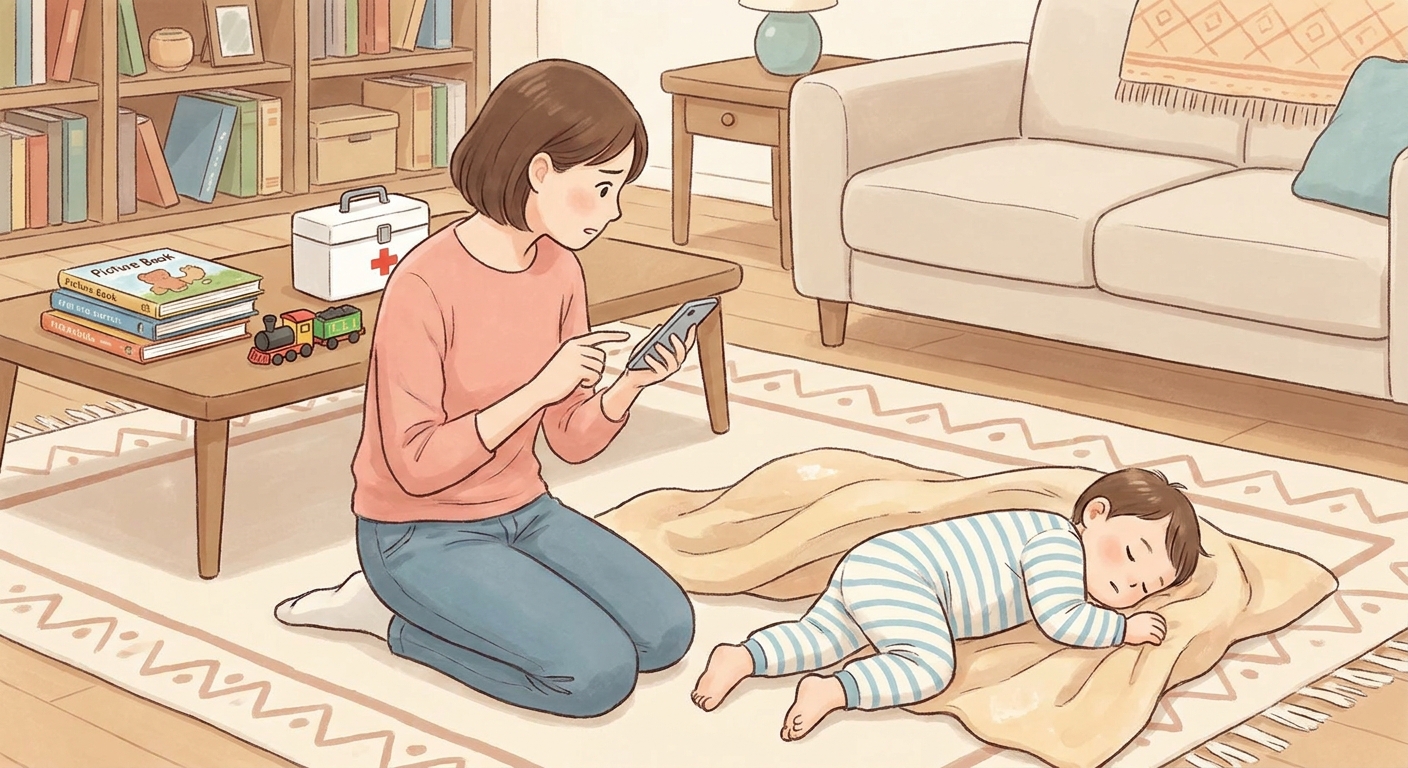
What to do if you are worried
If your child has new neurologic symptoms like unexplained jerking movements, seizures, significant loss of skills, or rapid changes in thinking or behavior, it is appropriate to seek medical care promptly.
In a non-emergency situation, start with your child’s pediatrician, who can:
- Do a focused exam and history
- Rule out more common causes first
- Arrange referral to pediatric neurology when needed
Call emergency services right away if your child is having a seizure that lasts longer than 5 minutes, repeated seizures without fully waking between them, trouble breathing, or a serious injury during a seizure.
How SSPE is diagnosed
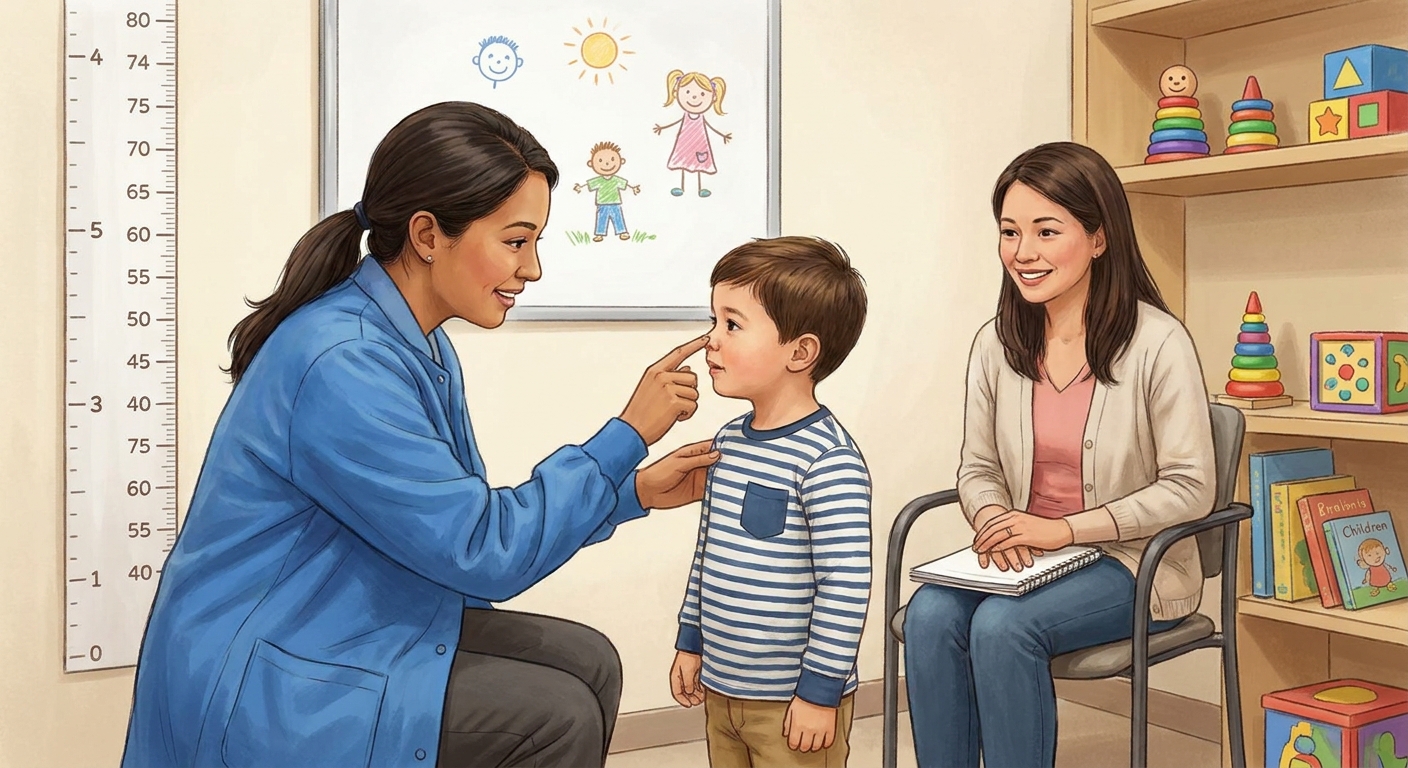
SSPE is uncommon, so neurologists typically evaluate for many possibilities. When SSPE is on the list, the workup often includes:
- EEG to look at brain wave patterns. SSPE can have characteristic findings.
- MRI of the brain to assess for changes consistent with inflammation or degeneration.
- Blood tests and spinal fluid testing (lumbar puncture) to check for measles antibodies and other markers that help support the diagnosis and rule out other conditions.
If you are reading this because your child is already being evaluated, I want to say this gently: do not assume SSPE based on symptoms alone. Many conditions can cause school decline, movement changes, or seizures. The job of the neurology team is to sort through that safely and thoroughly.
Treatment and outlook
SSPE is a progressive illness and can be very difficult to treat. Management usually involves pediatric neurology specialists, and may include:
- Medicines to manage symptoms, especially seizures and movement symptoms
- Supportive therapies, such as physical therapy, occupational therapy, and speech therapy
- Coordination of school and home supports as needs change
Some antiviral or immune-modulating treatments have been used in certain cases, with variable results, and there is no single, guaranteed cure. The course is often progressive over time and can be life-limiting, though the pace can vary from child to child. If SSPE is suspected or diagnosed, your child’s neurology team is the best source for the most current options and realistic expectations.
Prevention: measles vaccination
In pediatrics, when we talk about SSPE, we talk about it for one main reason: it is preventable by preventing measles infection.
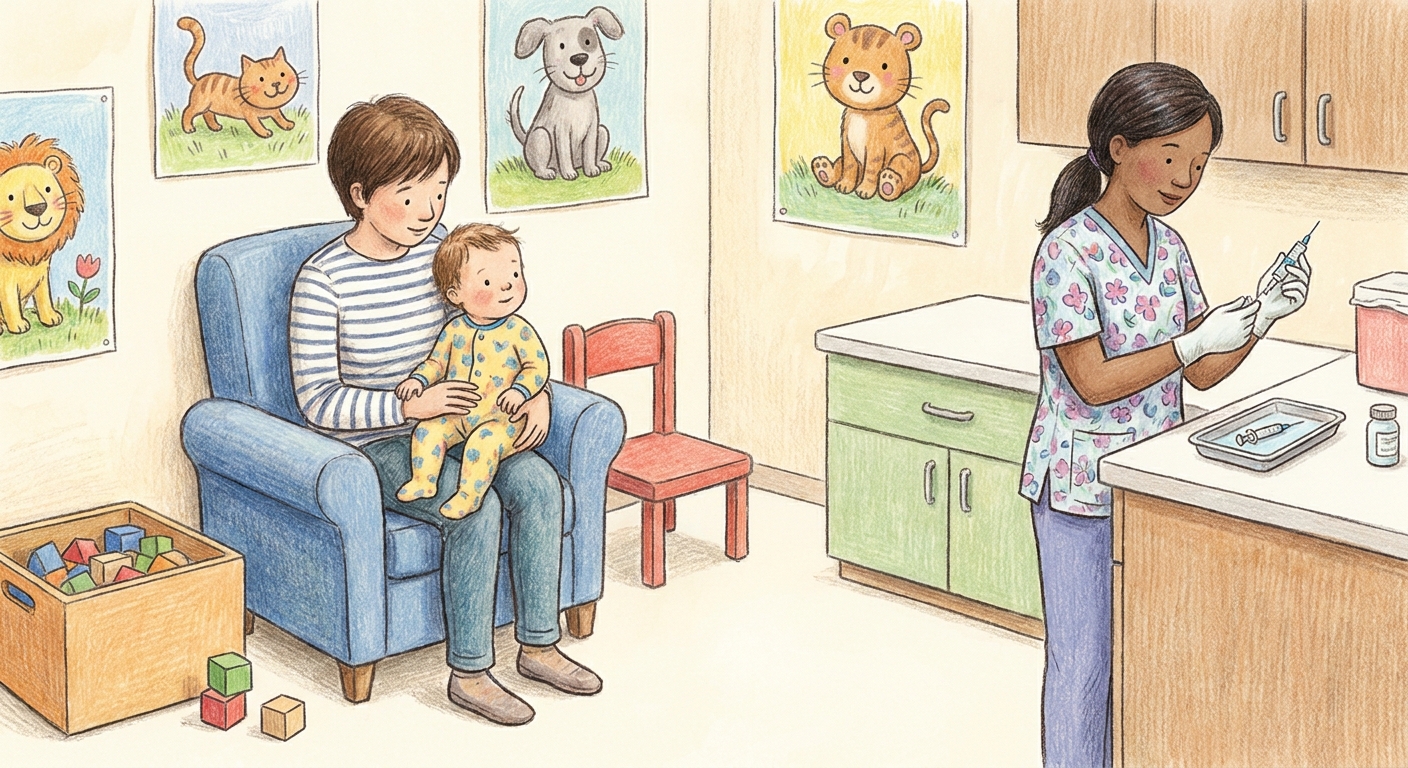
The prevention step clinicians emphasize is MMR vaccination (measles, mumps, rubella), given on the routine childhood schedule. When communities have high vaccination rates, measles spread drops, and SSPE becomes even rarer because fewer children get measles in the first place.
If you are unsure whether your child is vaccinated, or if your family is behind schedule, your pediatrician can help you review records and create a catch-up plan. This is a judgment-free zone. I have seen families get off track for a hundred practical reasons, and getting back on track is always a good step.
Common parent questions
Should I be watching my child for SSPE after measles?
Most families do not need to live on high alert. SSPE is rare. But if your child previously had measles and later develops concerning neurologic changes that are persistent or worsening, it is worth mentioning the measles history to your pediatrician. It helps clinicians build a complete picture.
Can SSPE happen after the MMR vaccine?
SSPE is linked to measles infection. The MMR vaccine contains a weakened form of the virus and does not cause measles in healthy people. Like many vaccines, it can cause mild side effects in some children, such as fever or a brief rash, but the vaccine’s purpose is to prevent measles and the serious complications that can follow infection.
Is SSPE something my child could spread to others?
No. SSPE is not a contagious illness. The contagious infection is measles itself, which occurs years earlier.
My child is having trouble in school. Does that mean SSPE?
No. School difficulties are common and usually have much more common explanations such as attention differences, learning disorders, sleep problems, anxiety, hearing or vision issues, or other medical conditions. SSPE is just one of many considerations and is rare. If school concerns are new or worsening, start with your pediatrician and the school team so your child can be evaluated and supported.
Bottom line
SSPE is a rare but serious brain illness that can appear years after measles, which is why it feels so shocking when parents first hear about it. The timeline is completely different from the acute infection, and the earliest signs are often changes in learning, behavior, or movement that gradually become more clearly neurologic.
If something about your child’s development or behavior is worrying you, you deserve a thoughtful evaluation, not scary internet spirals. Start with your pediatrician, trust your instincts, and know that the prevention message clinicians consistently come back to is simple: prevent measles with vaccination.
Sarah Mitchell
Sarah Mitchell is a Registered Pediatric Nurse and a mother of three who has spent over a decade helping families navigate the beautiful, chaotic early years of childhood. She combines evidence-based medical knowledge with real-world parenting experience to offer practical, compassionate advice. At Awesome Parent, Sarah's mission is to help exhausted parents find solutions, trust their instincts, and finally get some sleep.