A “refer” result is not a diagnosis. Here’s why newborn hearing screens flag babies, what repeat tests and diagnostic ABR involve, and how to support develop...
When Does a Baby Respond to Their Name?

Sarah Mitchell
Sarah Mitchell is a Registered Pediatric Nurse and a mother of three who has spent over a decade helping families navigate the beautiful, chaotic early years of childhood. She combines evidence-based medical knowledge with real-world parenting experience to offer practical, compassionate advice. At Awesome Parent, Sarah's mission is to help exhausted parents find solutions, trust their instincts, and finally get some sleep.
I still remember calling my first baby’s name across the living room like I was hosting a tiny game show. Nothing. I tried again, a little louder. Still nothing. Then I shook a crinkly snack bag and he whipped his head around like, “Yes?”
If you’ve been there, you are not alone. Responding to their name is a real milestone, but it is also a very human one. Babies are easily distracted, their hearing can be temporarily muffled by normal stuff like fluid from a cold, and sometimes they are simply busy being fascinated by a ceiling fan.
Typical age
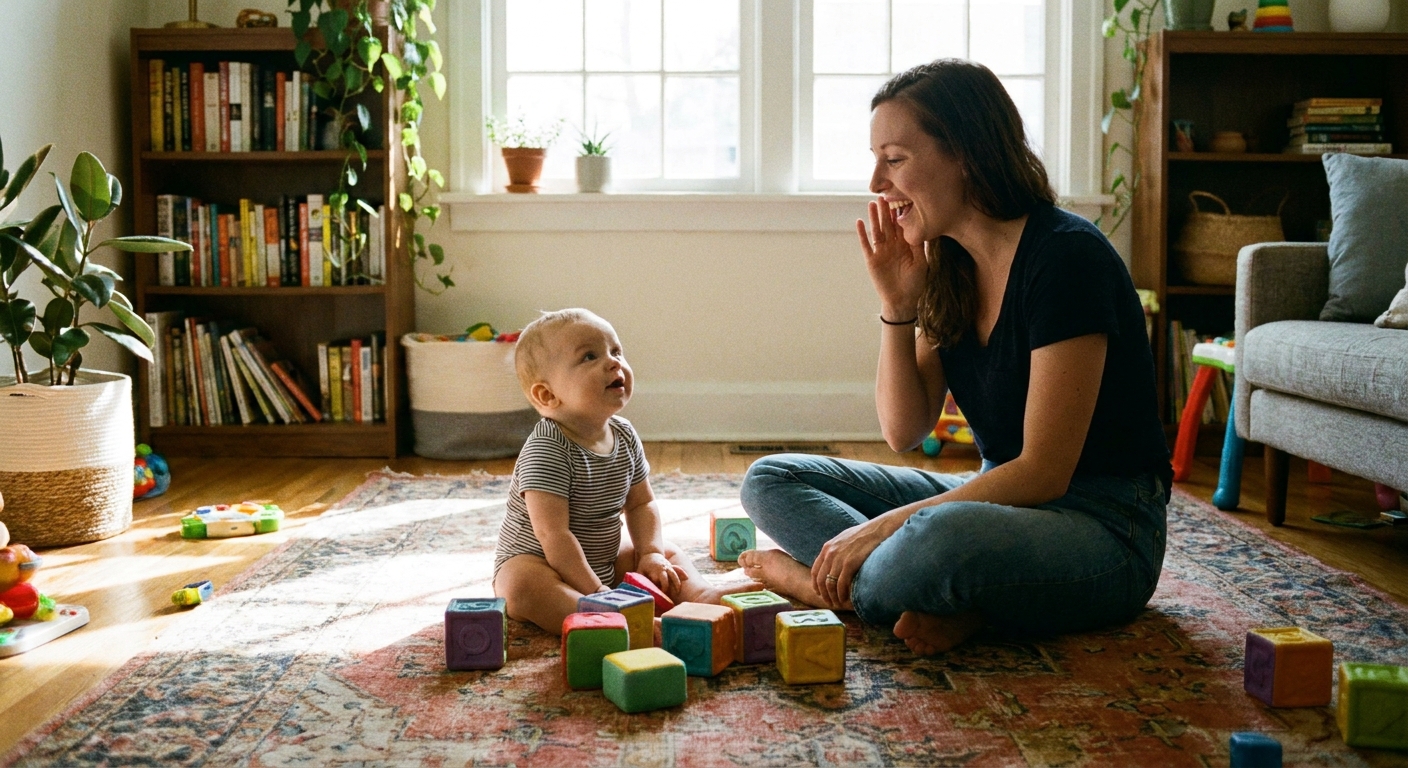
Many babies start to respond to their name somewhere around 6 to 9 months. Pediatric developmental guides often put it in that range, but real life is a little messier. “Respond” usually looks like a quick head turn, eye contact, pausing what they are doing, or a little smile when they hear you.
Some babies do it earlier in short, inconsistent moments, especially if their name is said in a familiar, sing-song voice. Many babies are more reliable closer to 9 to 12 months, particularly in busy environments.
What it can look like
- Counts: turning toward you, making eye contact, pausing, smiling, vocalizing back, crawling toward you, or looking like they are “checking in.”
- Does not have to count: stopping every time, responding from across the house, or responding when they are deeply focused on a toy, background noise, sibling chaos, or the dog drinking water.
Why they might not respond
In urgent care and ER triage nursing, a big part of my job was helping parents sort “this is normal” from “this needs a closer look.” When it comes to name response, these are the most common reasons I see for a perfectly healthy baby seeming to ignore you.
Distraction is powerful
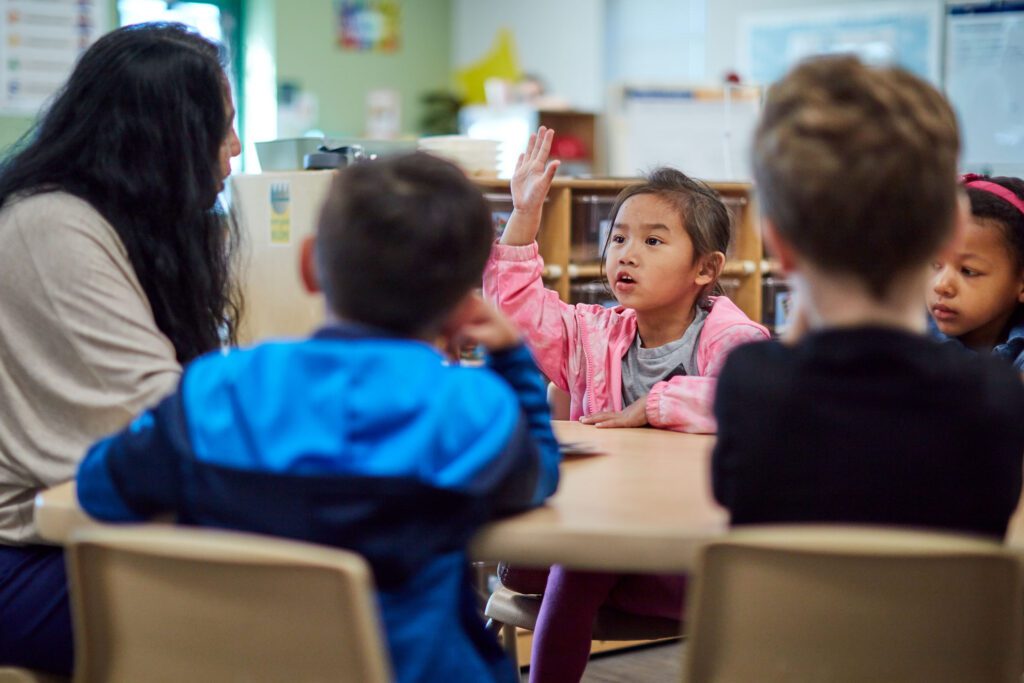
Babies are not being stubborn. Their brains are learning how to filter the world, and that takes time. A baby who responds beautifully in a quiet room may act like they have never heard their name at daycare pickup.
Hearing can be temporarily muffled
Even with normal hearing overall, babies can have stretches where sound is harder to process, like:
- Colds and congestion
- Middle ear fluid after a virus
- Frequent ear infections
Middle ear fluid can linger for weeks after an illness. If you feel like the “ignoring” started after a cold and it is not improving over a few weeks, it is worth mentioning to your pediatrician.
They may respond to your voice before words
Before babies understand words, they are often tuned in to tone, rhythm, and familiar voices. You may notice your baby turns when you say “Hi, sweetie!” but not when you say their name in a flat voice. That can be totally normal early on.
Their name may not be used consistently yet
If you mostly use nicknames (guilty) or rotate through “buddy,” “lovebug,” and “please do not lick that,” your baby may not have had as many repetitions of their actual name as you think.
Temperament matters
Some babies are social little butterflies who look up at every sound. Others are deep-focus kids who lock in on whatever they are exploring. That difference alone can change how often you see a name response day to day, even when development is right on track.
Bilingual homes
Bilingual and multilingual homes are wonderful for kids, and they do not “confuse” babies in a harmful way. But they can change what parents notice about early language and listening skills because your baby is getting used to more than one set of speech sounds.
In plain language: your baby is doing a lot of listening and sorting, so responses can look a little more “it depends” at first.
Here is what I see most often in bilingual homes:
- Response may look more situational at first. Your baby might respond more in the language used most during caregiving routines.
- Nicknames and different pronunciations matter. If one caregiver uses a nickname and another uses the full name, your baby may take longer to respond reliably to either.
- Comprehension can be spread across languages. A baby may understand certain phrases in one language and other phrases in another. That is still solid development.
Bottom line: bilingualism can affect the pattern you see, but a baby should still gradually show growing awareness of voices, sounds, and social connection.
Check at home
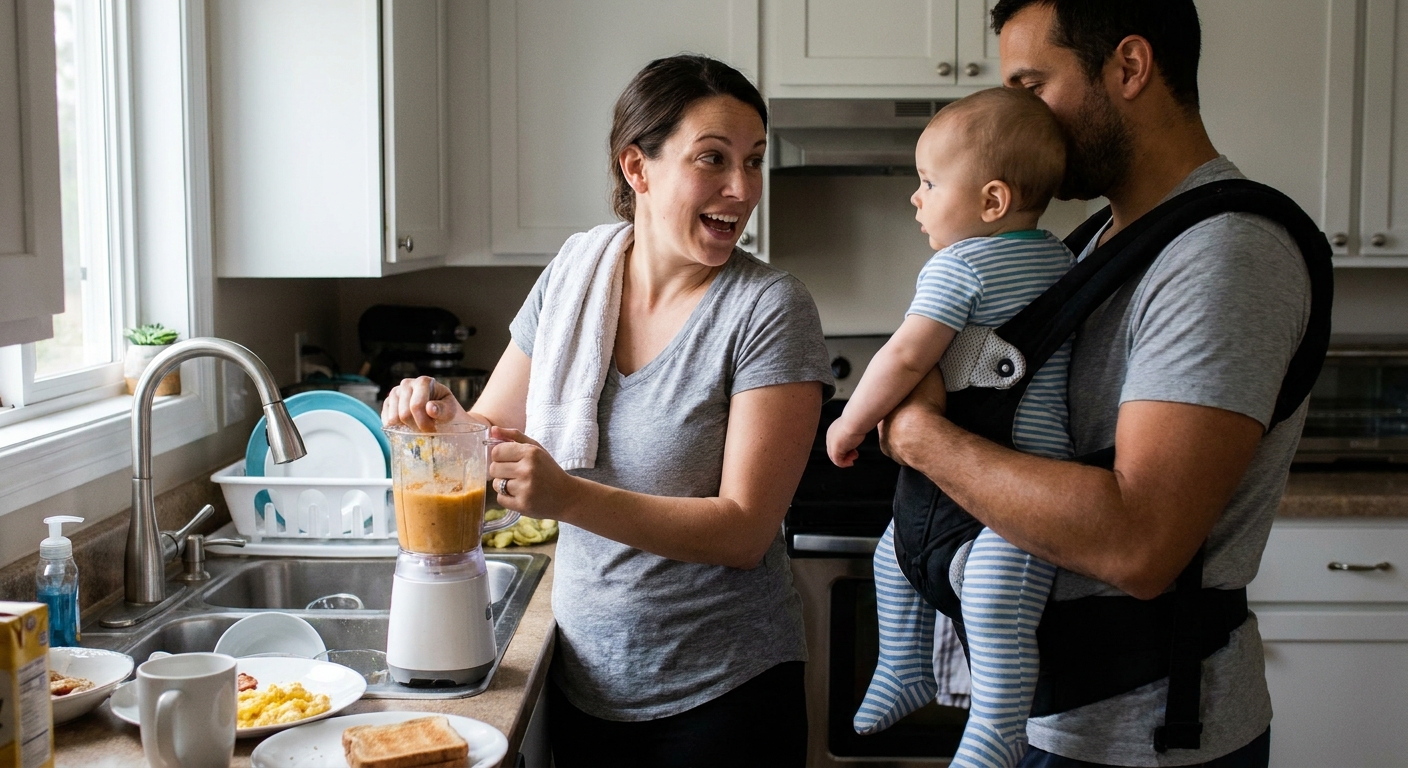
If you are unsure whether your baby is responding, you can do a few gentle reality checks. Keep it playful. The goal is to observe, not to drill.
Simple checks
- Pick the right moment: quiet room, baby is calm, not hungry, not mid-meltdown.
- Get on their level: sit a few feet away.
- Say their name once: normal voice, not shouting. Pause for a few seconds.
- Try again with a warm tone: early on, your baby may respond more to that familiar “parent voice.”
- Change positions: when your baby is safe and calm, say their name from slightly behind or to the side to see if they orient to sound, without startling them.
What to avoid
- Do not repeat their name rapidly over and over. Babies tune that out fast.
- Do not make their name only a cue for treats or toys. It is fine to be playful and positive, but also use their name warmly during everyday connection so it means “I’m talking to you,” not just “snack time.”
- Do not compare day to day. Development is messy. Look for gradual change across a few weeks.
When to check in
I want to be very clear and very calm here: one missing milestone, by itself, rarely tells the whole story. But if you are consistently not seeing name response and you are noticing other changes in social connection or hearing, it is smart to check in.
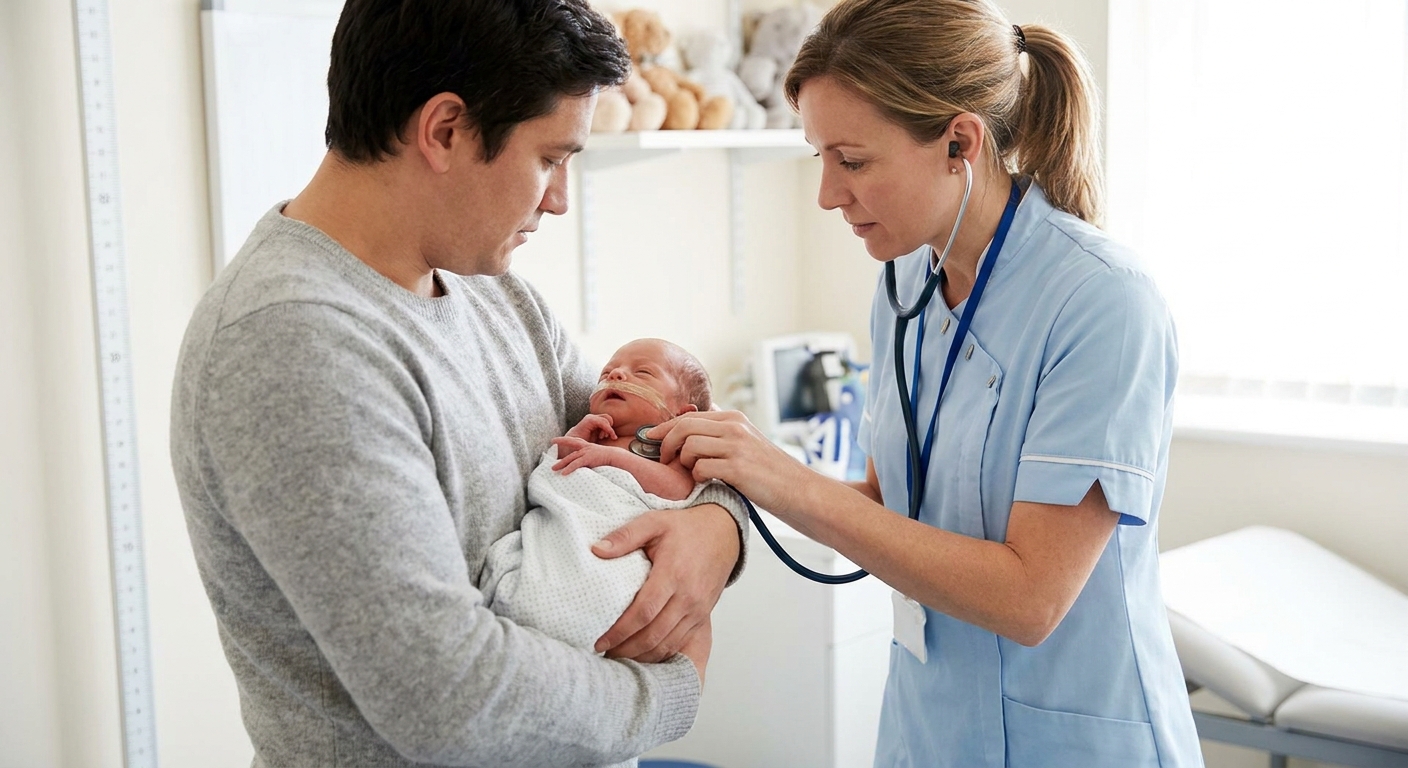
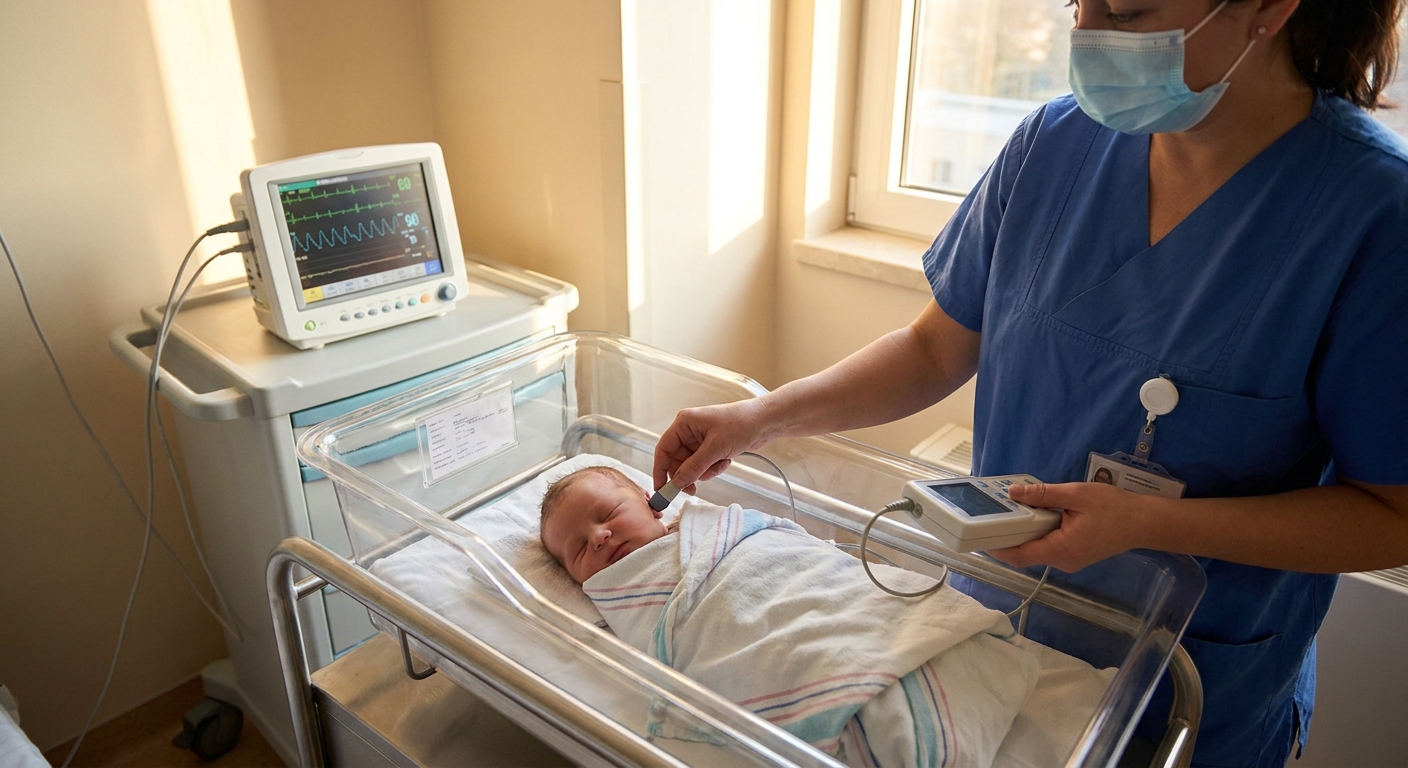
Also, if your baby passed the newborn hearing screen, that is great news, but it does not rule out later issues like persistent fluid, frequent infections, or less common later-onset hearing loss. When in doubt, it is reasonable to ask for a hearing check.
Consider bringing it up by age
- If your baby is 9 months and you are never seeing them orient to their name in quiet, calm moments, it is worth a conversation at your next visit.
- If your baby is closer to 12 months and still rarely responds to their name and you have any other concerns about hearing or social connection, I would not sit on it. I would ask sooner.
Ask about a hearing check if you notice
- Your baby rarely reacts to loud sounds in the newborn period or first month, or their reactions seem absent or very hard to see
- Your baby is not consistently turning toward voices and sounds by around 6 months
- There is a history of frequent ear infections, persistent fluid, or ongoing congestion
- You notice regression, like your baby used to respond to sounds and now does not
Ask about a broader developmental screen if you notice
- Limited social engagement (rare smiles back, limited back-and-forth sounds or facial responses)
- Not responding to familiar voices in addition to not responding to their name
- Loss of skills (babbling less, less eye contact, less interaction than before)
This is not about jumping to worst-case conclusions. It is about making sure your child can hear well and is getting support early if they need it. Hearing issues are more common than many parents realize, and they can be subtle.
If you have a gut feeling that something is off, you do not need to “wait and see” in silence. You can bring it up at your next well visit, or sooner if you are worried.
Common questions
My baby responds to the vacuum but not to their name. Is that normal?
Often, yes. Loud, low-frequency sounds like a vacuum are hard to ignore. A name is quieter, more nuanced, and competes with whatever your baby is focused on. If your baby reacts to many sounds, babbles, and engages socially, inconsistent name response alone is usually not alarming.
Does it matter if my baby is a preemie?
It can. For babies born early, clinicians often consider adjusted age when looking at milestones. If your baby was born several weeks early, they may hit milestones like name response later on the calendar, and still be right on track developmentally.
What if my baby responds at home but not in public?
That is extremely common. New environments are stimulating, and babies are practicing attention skills in real time. Try observing in a quieter moment, like in the car seat before you go into a store, or at home after a nap.
Can background noise affect it?
Yes. TVs, constant music, and general household noise can make it harder for babies to pick out your voice. This does not mean you need a silent house, but a few quieter pockets of time each day can make it easier for your baby to practice listening and responding.
The takeaway
Many babies begin responding to their name somewhere around 6 to 9 months, and many become more consistent closer to 9 to 12 months. Distraction, temporary hearing changes from illnesses, temperament, and the normal language richness of bilingual homes can all affect what you see day to day.
If your baby is not responding to their name and you are noticing concerns about hearing, social connection, regression, or persistent ear issues, bring it up with your pediatrician. A simple hearing evaluation and a quick developmental screen can give you clarity and a plan, which is what every tired parent deserves.
Sarah Mitchell
Sarah Mitchell is a Registered Pediatric Nurse and a mother of three who has spent over a decade helping families navigate the beautiful, chaotic early years of childhood. She combines evidence-based medical knowledge with real-world parenting experience to offer practical, compassionate advice. At Awesome Parent, Sarah's mission is to help exhausted parents find solutions, trust their instincts, and finally get some sleep.